



Cast Brass Sconces
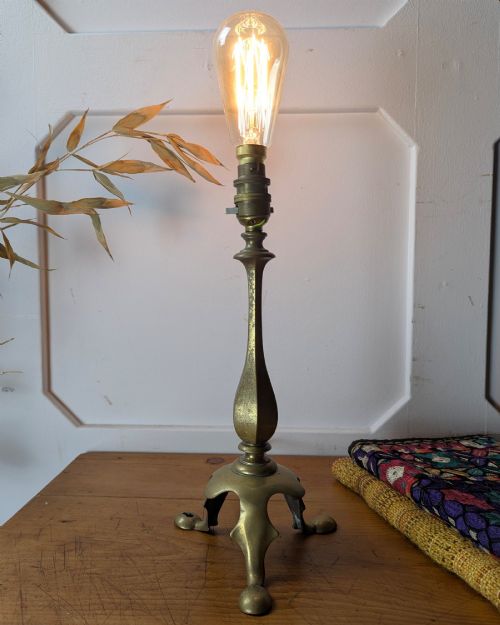
Cast brass sconces bring weight and warm reflection to a room, cast in solid metal through centuries of revival styles.
Cast Brass Sconces
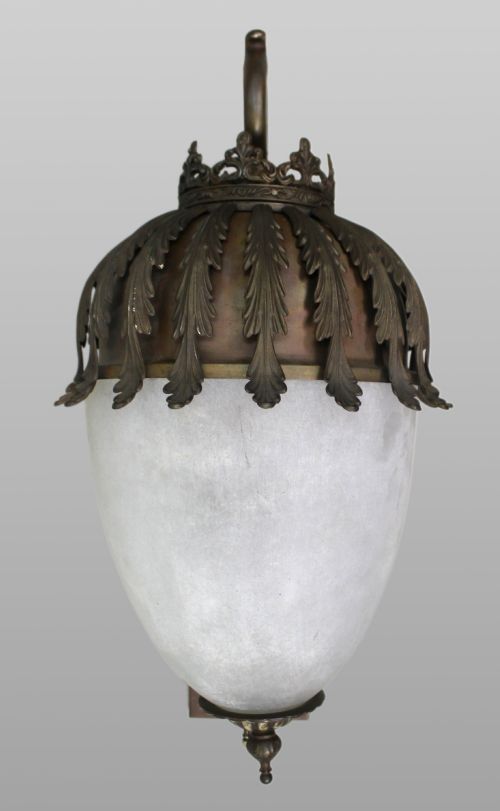
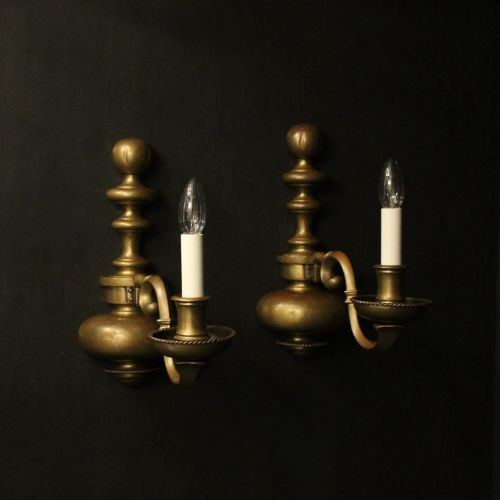
Cast brass sconces are wall-mounted light fittings produced in heavy metal through traditional foundry methods. When you search for cast brass sconces, you encounter pieces designed to hold candles, gas burners or electric bulbs against panelled walls.
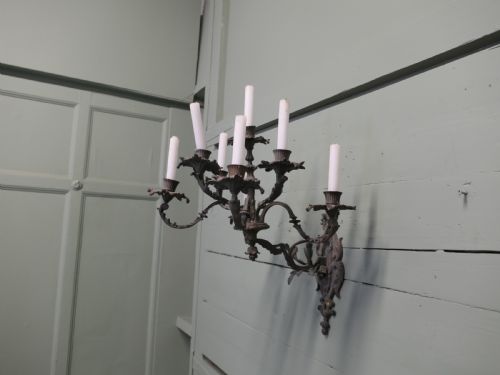
The selections span the Victorian, Edwardian and early twentieth century periods, alongside specific decades such as the nineteen-twenties and nineteen-thirties. English and French workshops dominate the origins, ranging from simple domestic brackets to elaborate multi-arm wall lights.
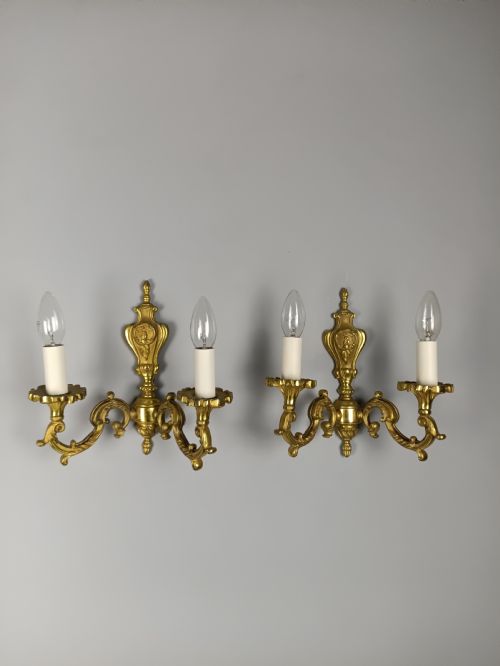
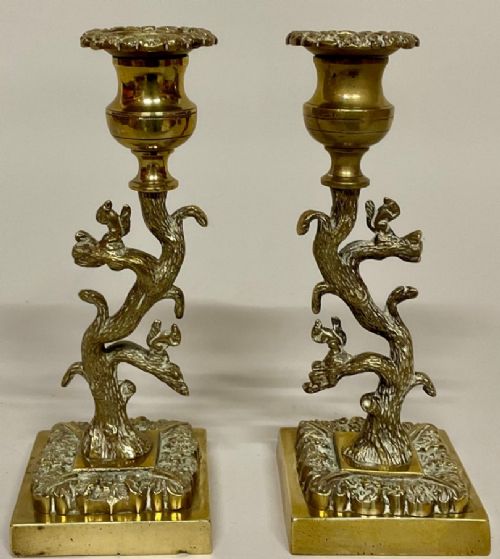
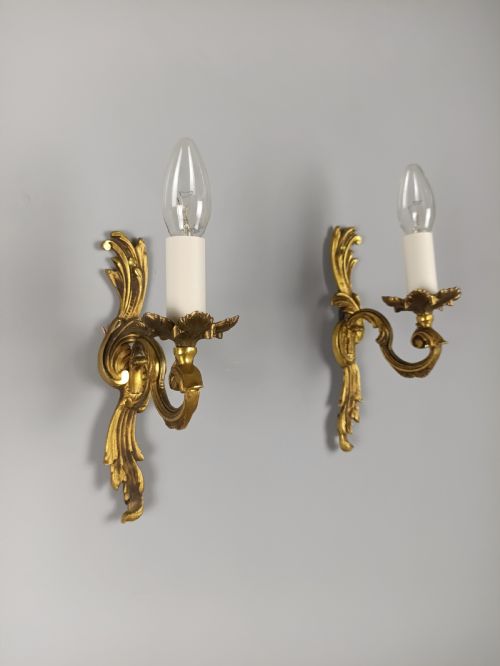
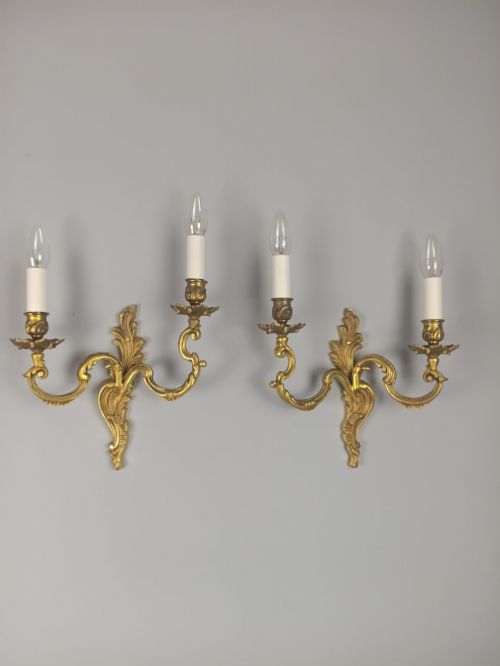
Most examples appear in pairs or larger sets, frequently taking stylistic cues from French Rococo, Neoclassical and Aesthetic Movement designs. Alongside standard wall lights, related forms include candlesticks, wall lanterns and mirror sconces adapted for interior illumination.
Method and material
Makers utilised molten brass, bronze and ormolu poured into sand moulds or lost-wax setups to achieve heavy, rigid forms. Gilded brass and gilded bronze finishes provided a bright surface layer that reflected candlelight across a drawing room.
Individual arms, backplates and drip pans were cast separately before being joined by mechanical fasteners or brazing. Subsequent hand-chasing sharpened surface details such as acanthus leaves, cherubs and fluted columns before final polishing or gilding.
Listings feature cast brass pieces spanning the nineteenth century through the nineteen-thirties, incorporating both French and English regional aesthetics.
Judging the casting
The standard of a cast brass sconce rests upon the crispness of the chased detail and the thickness of the metal. Superior examples retain sharp leaf edges, clean background texturing and heavy backplates that sit flush against the wall without flexing.
Asymmetry in twin or triple arm models points to hand-finishing variations, whereas mass-produced later castings often display softer outlines and thinner gauge metal. The presence of original components, such as specialised glass shades or backplates, elevates the integrity of the piece.
Liberty
The Cast Brass Sconces Glossary
- Ormolu
- Finely ground high-zinc brass applied to another metal surface via mercury amalgamation or electroplating, yielding a rich gold-coloured finish. This technique was widely employed on French decorative metalwork.
- Campana sconce
- A candle cup shaped like an inverted classical bell. It forms the upper receiver where the candle sits on a wall light or candlestick.
- Chasing
- The manual tooling of a metal surface with small punches and hammers to sharpen cast details and add texture. Fine chasing distinguishes high-grade foundry work from raw cast output.
- Gilded bronze
- Bronze alloy treated with a gold leaf or mercury gold coating to enhance visual warmth and prevent oxidation. It is frequently seen on French revival wall lights.
- Aesthetic Movement
- A late nineteenth-century design ethos prioritising visual beauty over narrative meaning, drawing inspiration from Japanese and classical motifs. Pieces from this era often feature stylised flora and geometric restraint.
Cast Brass Sconces: Frequently Asked Questions
How do I wire antique wall lights?
Most antique wall sconces were originally built for candles or gas, meaning modern internal wiring must be fitted through the existing hollow arms or backplate channels. A qualified electrician can thread modern flex and secure standard lamp holders without altering the exterior brass.
Care should be taken to ensure the backplate securely anchors to wall studs, as solid cast brass fixtures carry considerable weight. Insulating sleeves are also added inside older metal tubes to meet current safety standards.
Are these sconces French or English?
French cast brass sconces typically display bolder rococo or neoclassical scrolling, often accompanied by mercury gilding or ormolu finishes. English examples tend towards restrained proportions, frequently reflecting Victorian, Edwardian or Adams stylistic conventions.
Examining the mounting brackets, screw threads and casting marks often reveals the country of origin. French pieces from the early twentieth century frequently incorporated delicate glass shades from regional makers.
How should I clean cast brass?
Dusting with a soft, dry cloth is usually sufficient for regular maintenance, preserving the natural aged patina that develops over decades. Harsh commercial brass polishes should be avoided because they strip away the warm oxidation accumulated on older surfaces.
If cleaning is necessary to remove grime, mild soap and warm water applied sparingly with a soft brush will protect the underlying metal and any remaining gilding.
What is the difference between brass and bronze?
Brass is an alloy primarily composed of copper and zinc, which yields a brighter, more golden hue when polished. Bronze is an alloy of copper and tin, producing a darker, harder material with a reddish-brown baseline.
Foundries often used the terms interchangeably in historical records, particularly when referring to gilded decorative metalwork from the nineteenth century.