

Cast Brass Finial
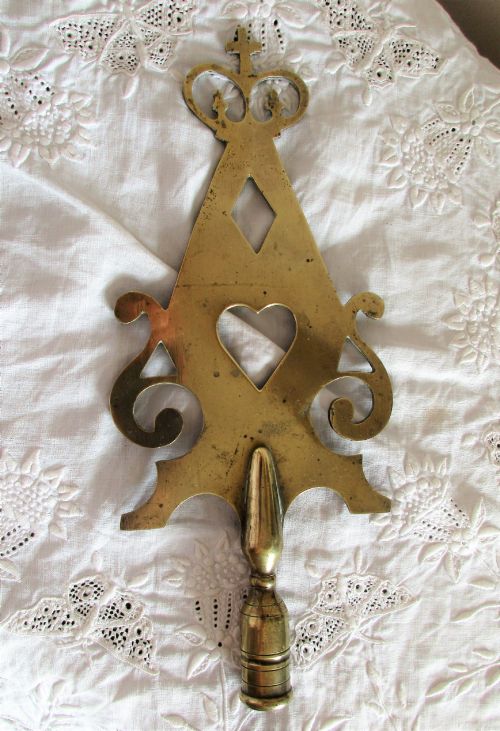
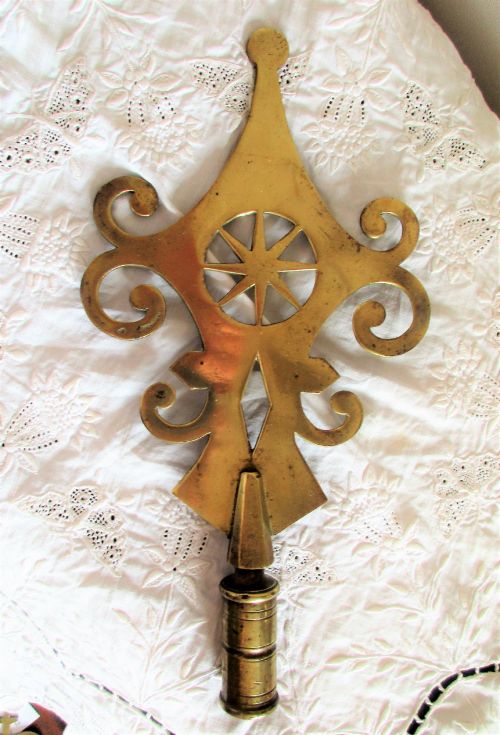
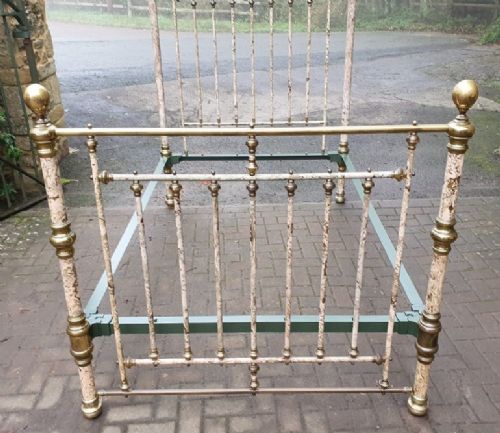
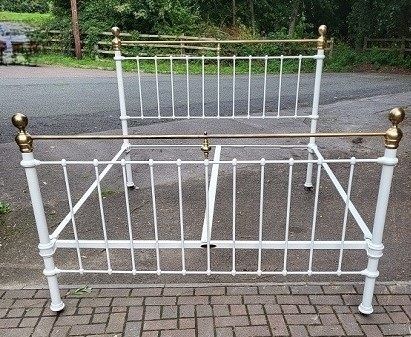
These cast brass finial items are the decorative terminals finishing beds, fire furniture, and stands, chosen to add a neat historical accent to interiors.
Cast Brass Finial
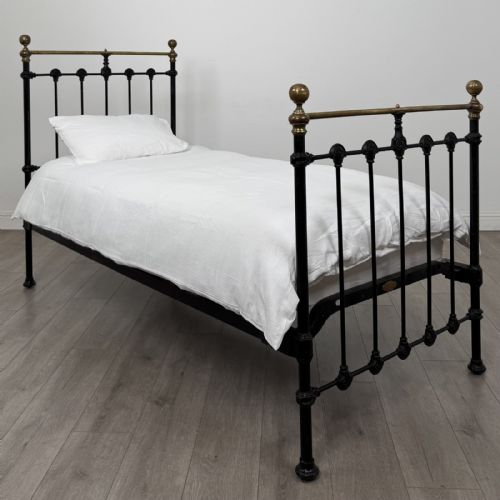
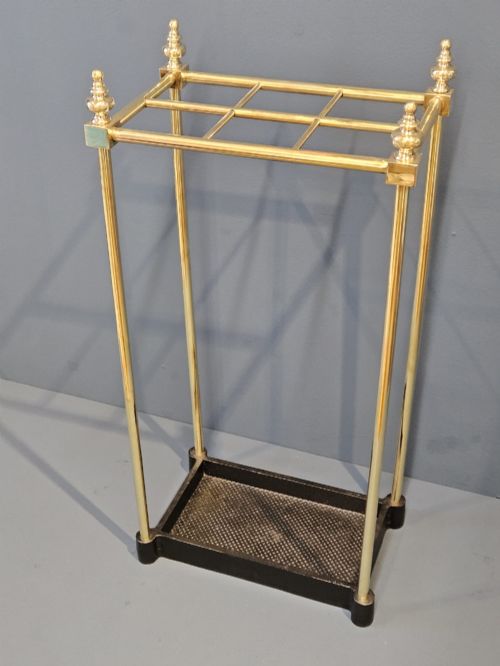
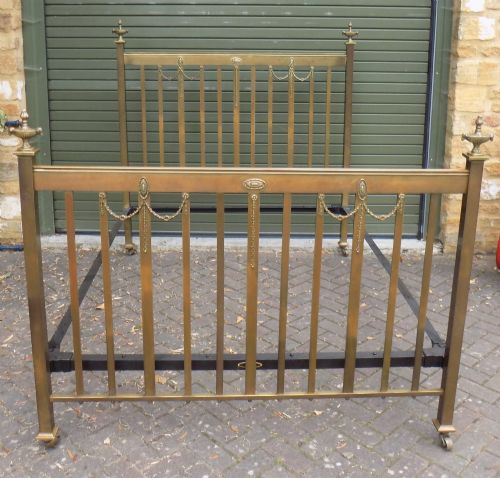
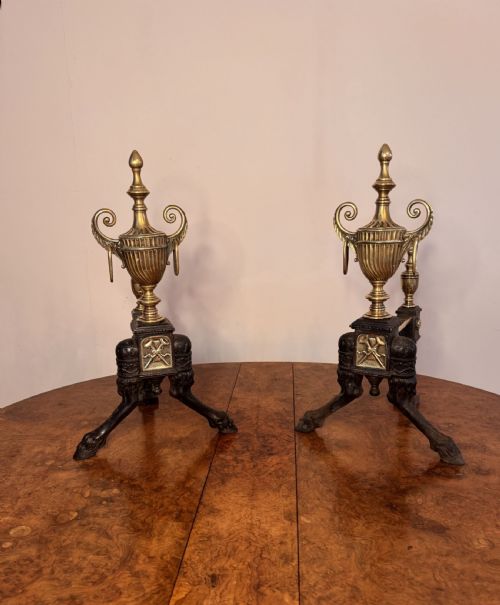
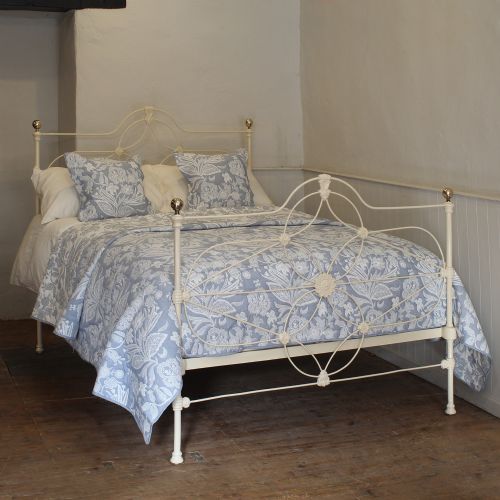
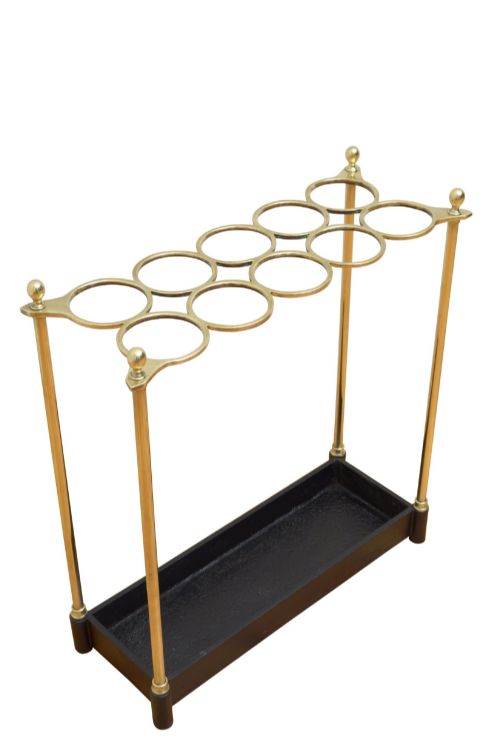
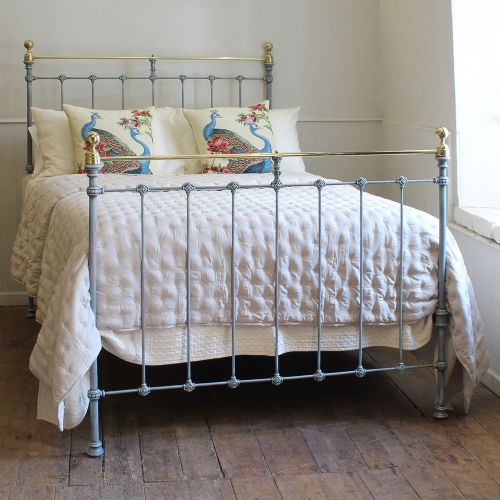
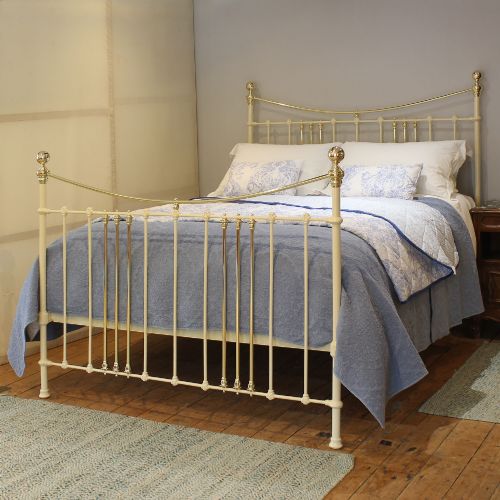
A cast brass finial forms the crowning decorative termination on metal bedframes, umbrella stands, and fireplace furniture from the Victorian and Edwardian eras. Buyers search for these pieces to complete restoration projects or to source period hardware with genuine age.
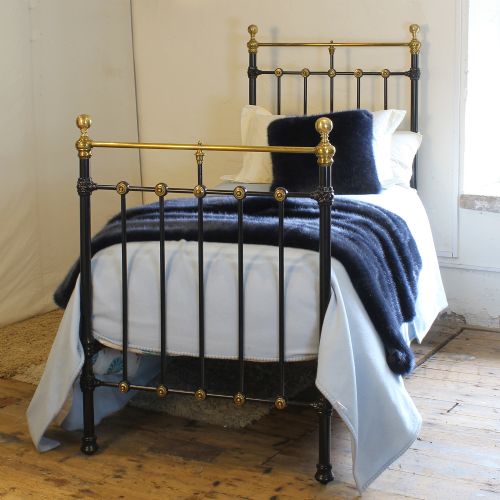
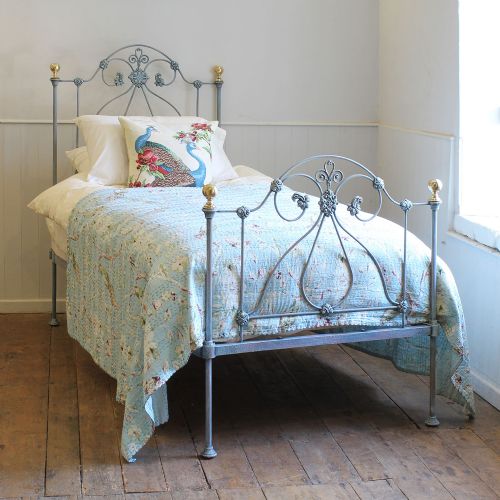
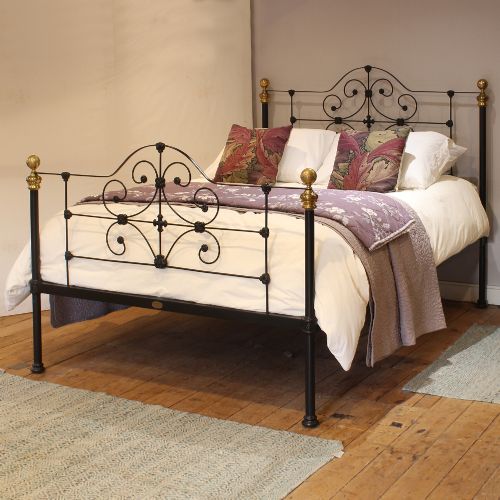
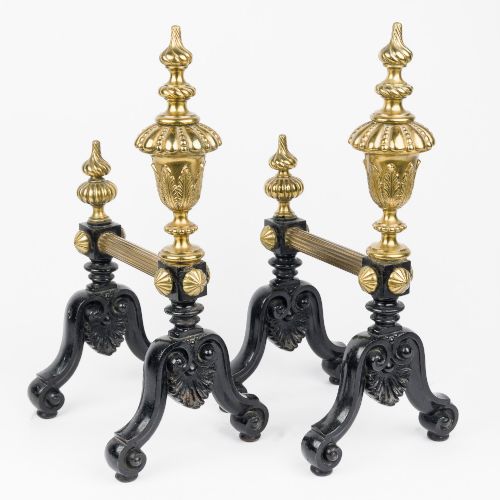
The versions most commonly met on this page appear as integral components on brass and iron bedsteads, fire dogs, and andirons. They also surface on specialised items such as Friendly Society pole heads and decorative umbrella stands from the nineteenth century.
Originating predominantly from English workshops of the nineteenth and early twentieth centuries, these metal components reflect the prevailing styles of their time, including Victorian Neoclassical, Gothic Revival, and Regency designs.
Materials and manufacture
Makers utilised molten brass poured into moulds to create these solid components, often combining cast brass with iron frameworks on larger items like bedsteads and fire baskets.
Surface finishes range from polished brass to painted or japanned iron structures, with some pieces incorporating wooden elements or gilt-metal details depending on the intended domestic function.
Cast Brass Finial Retail Price Guide 2026
Typical asking prices for cast brass finial among the pieces listed under this phrase on Sellingantiques today, from the lower quarter to the upper quarter. They describe what is for sale here now, not the wider market.
Listings feature items spanning the Victorian, Edwardian, and Regency periods, constructed from brass, cast iron, and wrought iron.
Assessing quality
Quality reveals itself in the crispness of the casting and the weight of the metal utilised, where sharper decorative details and heavier brass components indicate superior craftsmanship.
The integrity of the original assembly, such as how firmly the terminal is seated to its base or bedpost, distinguishes standard production items from finer workshop examples.
Winfield·R W Winfield·Maple & Co.
The Cast Brass Finial Glossary
- Finial
- A relatively small decorative ornament fixed to the top or end of an object. They commonly terminate bedposts, pole heads, and andirons.
- Andiron
- A horizontal metal support used in pairs inside a fireplace to hold logs. They frequently feature decorative cast terminals.
- Bedstead
- The framework of a bed, constructed historically from iron and brass during the Victorian period. These structures often carry decorative metal terminals.
- Friendly Society
- A mutual association from the nineteenth century that used brass pole heads in processions. These ceremonial items feature distinct metal finials.
- Japanned
- A European imitation of Japanese lacquered finish applied to iron furniture. This dark coating provides a durable surface on period bedframes.
Cast Brass Finial: Frequently Asked Questions
What is a cast brass finial used for?
These decorative terminals serve as the crowning point on nineteenth-century bedframes, umbrella stands, and fireplace furniture. They provide a finished aesthetic to structural metalwork.
Beyond simple decoration, they often act as screw-top caps that secure parts of a bedstead or stand together. Their presence completes the intended silhouette of period furnishings.
How do I date a Victorian brass piece?
Dating relies on examining the manufacturing techniques, fastener types, and stylistic indicators such as Neoclassical or Gothic Revival motifs. Heavier sand-casting methods typically point towards the nineteenth century.
Comparing the design to documented manufacturer styles from the Victorian and Edwardian eras helps narrow down the production window. Maker marks, where present, offer the most direct confirmation of date.
Are these pieces solid brass?
Many smaller terminals and decorative elements are cast entirely in solid brass. Larger structural items often combine brass components with iron frames or wooden supports.
Inspectors can distinguish solid metal from plated alternatives by checking for wear patterns and overall heft. Victorian manufacturing frequently paired brass finials with iron or wooden bedsteads.
How should I clean antique brass?
Maintenance generally requires only a soft cloth to remove dust and preserve the accumulated patina of age. Harsh chemical polishes strip away historical character and should be avoided.
If cleaning is necessary for hygiene on furniture, warm soapy water applied gently and dried immediately is safest. Preserving the natural surface honours the age of the metal.