




Cased Silver Gift
A cased silver gift holds personal history inside a fitted box, offering lasting utility for significant life moments.

Cased Silver Gift
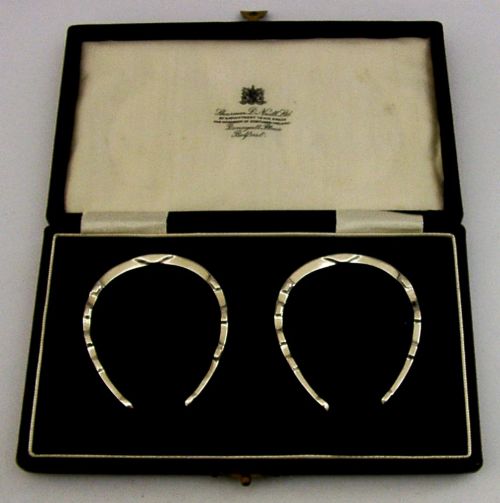
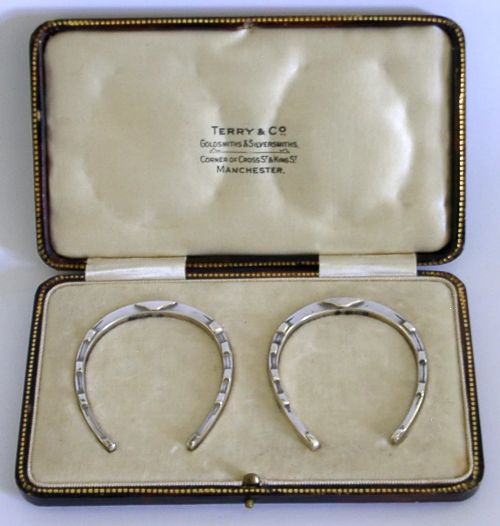
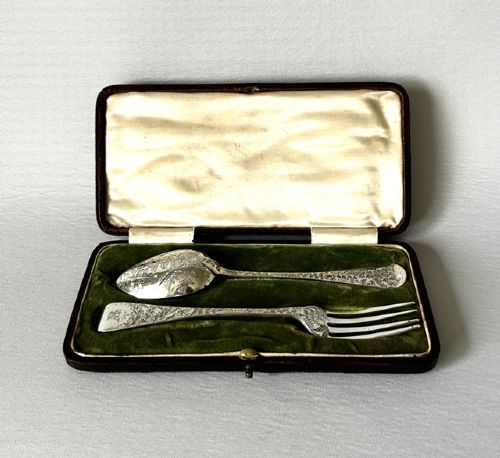
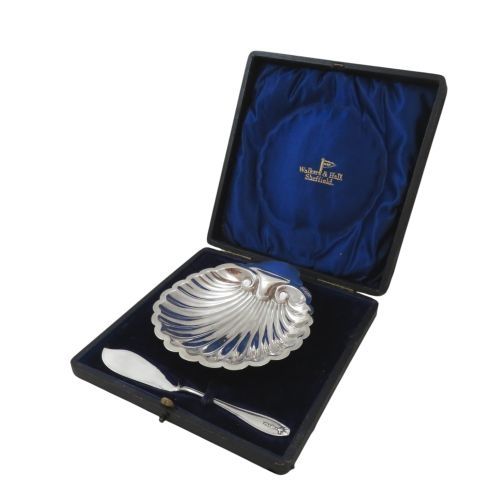
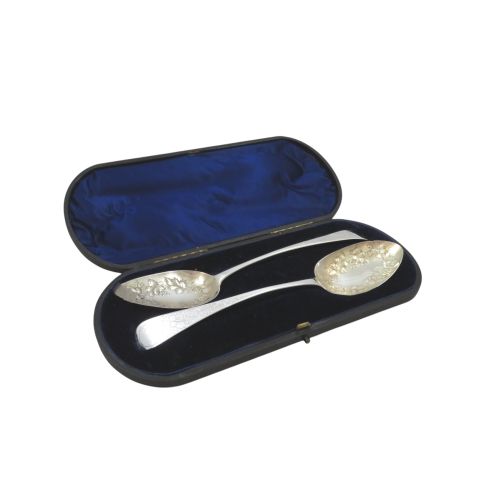
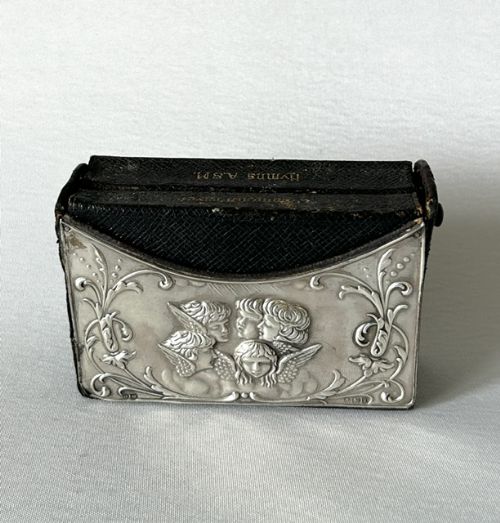
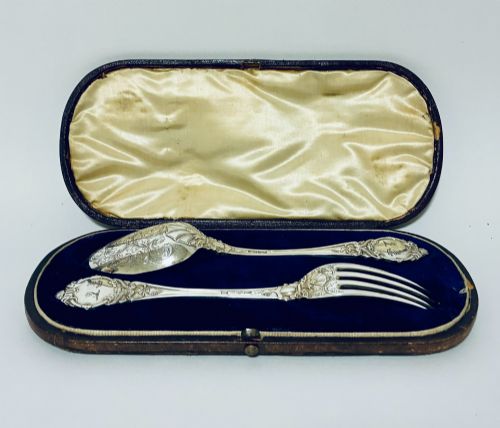
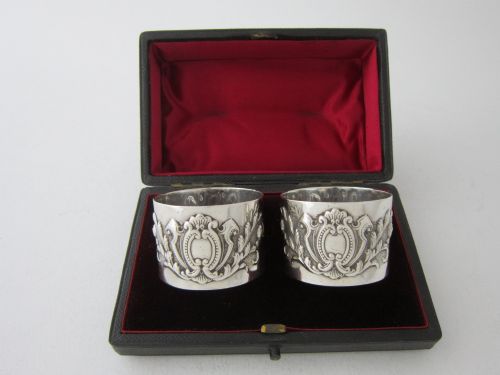
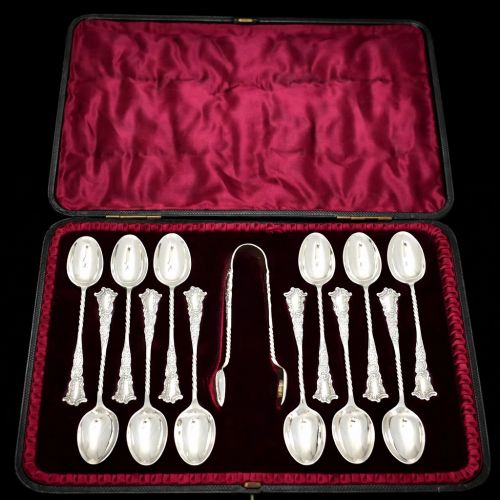
A cased silver gift takes the form of christening sets, napkin rings, cutlery, butter dishes, and devotional prayer books intended for milestones. These matched services and personal items appear frequently across Victorian, Edwardian, Georgian, and Art Deco periods.
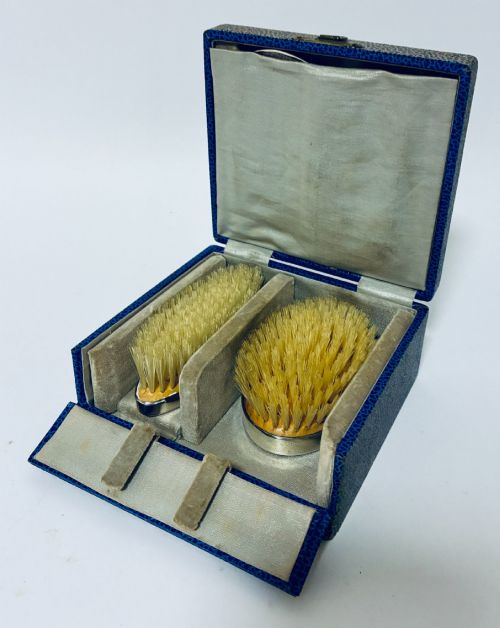
Napkin rings and christening sets dominate the selection, often arranged as pairs or multi-piece settings within purpose-built fitted boxes. Such presentations were designed for special occasions, safeguarding the contents from tarnishing and wear.
Originating predominantly from English workshops, these presentations reflect the social customs of the nineteenth and early twentieth centuries. Every set serves a distinct domestic or ceremonial function, ranging from dining accessories to pocket vesta cases.
Quality factors in presentation
Quality rests in the precision of the fitted interior and the crispness of the exterior casing materials. Well-preserved leatherette cases and intact silk or velvet linings maintain the original integrity of the presentation.
The degree of hand-engraving on items like vesta cases, napkin rings, and spoons distinguishes standard production from finer work. Superior metalwork shows sharp definition in motifs such as golfer engravings, stag hunts, and horseshoe designs.
Listings feature items spanning the Georgian, Victorian, Edwardian, and Art Deco periods, utilising sterling silver, silver plate, leather, velvet, and silk.
C.T. Burrows and Sons·Thomas Harwood and Co·John Round
The Cased Silver Gift Glossary
- Sterling silver
- A silver alloy containing 92.5 percent pure silver and 7.5 percent other metals, typically copper. This standard composition provides durability for functional items like cutlery and napkin rings.
- Vesta case
- A small pocket container used to hold matches, often featuring hinged lids and striking surfaces. Victorian examples frequently display intricate engraved decoration or enamel work.
- Silver-gilt
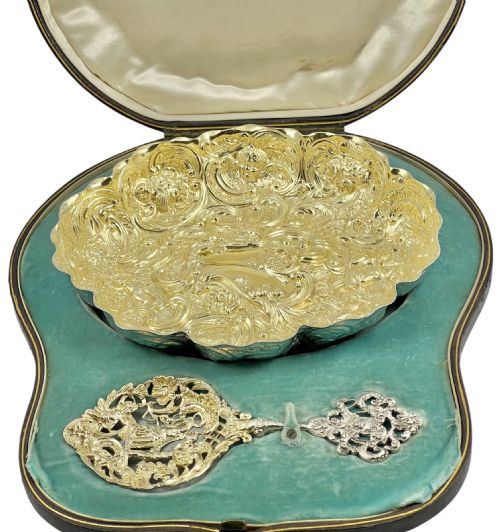
- Silver that has been coated with a thin layer of gold on its surface, also known as vermeil. This technique enhances decorative items such as sugar bowls and spoons by adding warmth and preventing tarnish.
- Christening set
- A matched collection of tableware presented to a child on the occasion of baptism. These groupings commonly include spoons, forks, and knives housed in a fitted box.
- Leatherette
- A simulated leather material manufactured from fabric bases coated with plastic or rubber compounds. It serves as a protective outer covering on many period presentation boxes.
Cased Silver Gift: Frequently Asked Questions
What is inside a cased silver christening set?
A christening set typically contains a combination of spoons, forks, and knives designed for a child. These pieces are arranged within a fitted box lined with silk or velvet.
Such sets served as traditional gifts for infants during the Victorian and Edwardian eras. The inclusion of matching implements marked a significant family milestone.
How do I care for antique cased silver?
Keep the silver dry and store it within its original fitted case to minimise exposure to air and tarnishing elements. Avoid harsh abrasive cleaners that can damage fine engraving or silver-gilt surfaces.
Gentle polishing with a soft cloth preserves the metal finish over time. Inspect the leather and velvet interior linings periodically for dust or moisture accumulation.
What are vesta cases used for?
Vesta cases were pocket-sized containers engineered to carry matches safely before the widespread adoption of safety matches. They feature hinged lids and often include a serrated base for striking.
Many surviving examples display decorative engraving, such as sporting motifs or monogramming. These accessories attach easily to watch chains or slip into waistcoats.
How can I identify the period of a silver gift?
Stylistic indicators such as Art Deco geometric lines or Victorian floral motifs offer initial clues to the date of manufacture. Hallmarks stamped onto the sterling silver provide specific year letters and assay office symbols.
The design of the fitted box, including the choice of leatherette exterior and satin lining, also aligns with manufacturing trends of the late nineteenth and early twentieth centuries.