


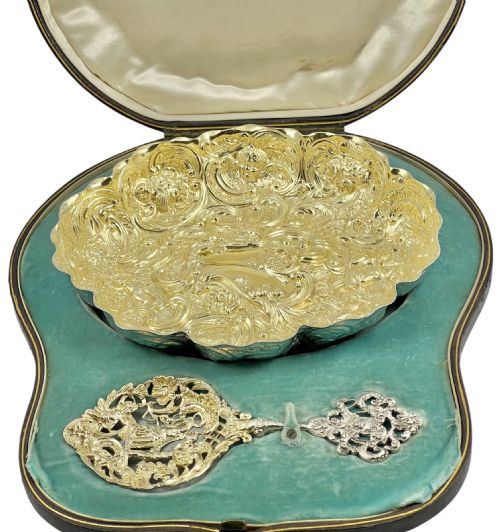


Cased Silver Bowl
A cased silver bowl combines precious metalwork with a fitted presentation box, offering a glimpse into formal dining habits from the nineteenth and early twentieth centuries.
Cased Silver Bowl
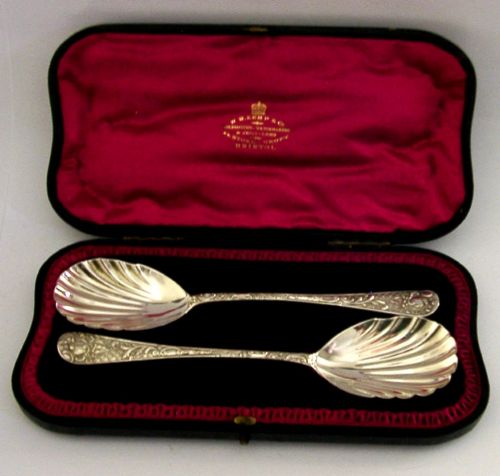
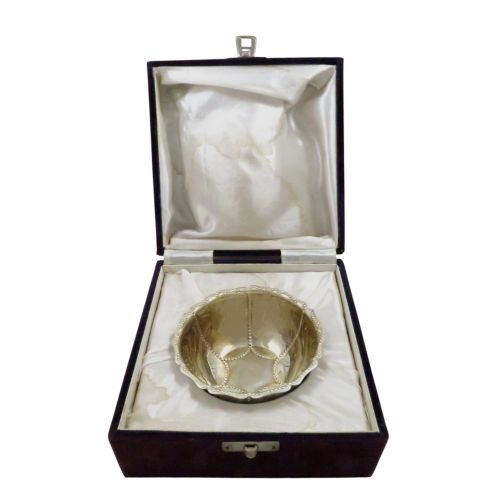
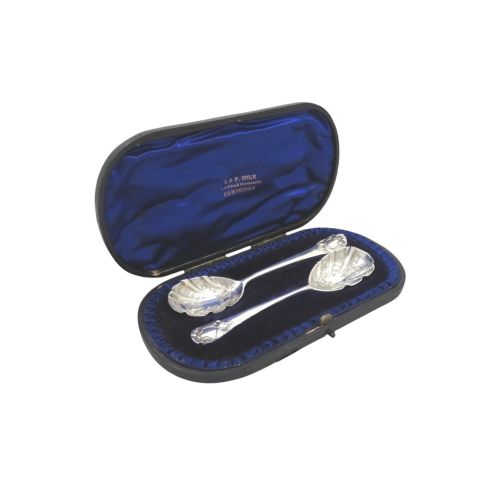
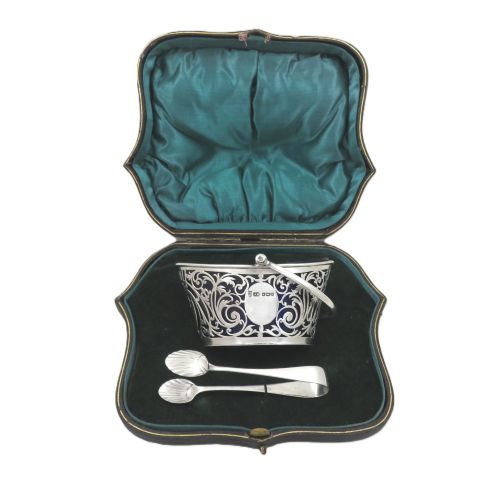
A cased silver bowl search brings up holloware and accompanying flatware nestled into fitted containers lined with soft textiles. These pieces range from solitary sugar bowls and fruit bowls to multi-piece tea and coffee services accompanied by spoons, tongs, and cream jugs.
The versions most commonly met on this page date from the Victorian and Edwardian eras, spanning the late nineteenth and early twentieth centuries. Georgian examples also appear alongside later Art Deco sets featuring solid silver and Bakelite.
Many of these items function as part of larger serving sets rather than standalone vessels. Sugar baskets, berry spoons, salt bowls, and butter dishes frequently share the fitted housing with the primary bowl.
Materials and construction
The vessels themselves utilise sterling silver, German silver, or silver gilt, sometimes supplemented by gold gilt or silver plate. Interiors often receive a wash of gold to protect the metal from acidic contents like fruit or berries.
Protective outer cases employ rigid structures covered in leather, leatherette, or textured paper, designed to shield the precious metal from tarnishing and physical damage. Inside, the fitted interiors are lined with velvet, silk, or satin moulded precisely to the contours of the silver.
Listings feature sterling silver, silver gilt, and silver plate formed into bowls, baskets, and serving sets spanning the Victorian, Edwardian, and Art Deco periods.
Assessing craftsmanship and condition
Quality reveals itself in the precision of the fitted case interior and the crispness of the chasing or engraving on the silver surface. Superior sets maintain the original lining intact without tears, alongside crisp hallmarks and unpolished relief work.
The relationship between the silver and its housing dictates desirability, particularly when the original fitted case survives alongside complete sets of spoons, tongs, or cream jugs. Pieces retaining their matching components demonstrate higher integrity than assembled sets.
The Goldsmiths & Silversmiths·Harry Atkin·James Deakin and Sons
The Cased Silver Bowl Glossary
- Sterling silver
- An alloy containing a high proportion of pure silver combined with other metals for durability. This standard material dominates British silver production.
- Silver gilt
- Sterling silver that has been coated with a thin layer of gold. This technique protects the underlying metal and provides a rich two-tone appearance.
- Leatherette
- A synthetic material mimicking leather used to cover protective outer cases. It offered a durable exterior for storage during the Victorian and Edwardian periods.
- Berry spoon
- A large spoon with embossed or engraved fruit motifs on the bowl, often paired with sugar bowls or fruit services. These spoons date predominantly from the Georgian and Victorian eras.
- Hallmark
- A series of official stamps applied to precious metals indicating the maker, assay office, and year of testing. These marks provide definitive dating evidence.
Cased Silver Bowl: Frequently Asked Questions
What is a cased silver bowl used for?
These vessels served specialised dining functions, including the service of sugar, fruit, butter, or salt during formal meals. The accompanying spoons and tongs were designed specifically for portioning these items.
The protective cases allowed households to store the silver securely between uses while preventing tarnish from exposure to household air.
How do I identify the date of a silver bowl?
Dating relies primarily on the hallmarks stamped into the silver surface, which indicate the specific assay office and year of manufacture. Stylistic markers such as Art Nouveau floral motifs or Victorian engraving also point to particular decades.
The materials used for the case lining, such as velvet or silk, can further corroborate the production period.
Are the cases always original to the silver?
Most listed examples retain their original fitted cases, constructed specifically to house the bowl and its accompanying utensils. The interior textile lining is moulded to match the exact contours of the metal pieces.
Original boxes feature custom recesses that hold the silver components securely in place without shifting during transport.
How should I care for a cased silver bowl?
Silver components benefit from occasional gentle cleaning with appropriate polish to remove tarnish, taking care to avoid harsh abrasives that wear down engraving. The fitted cases should be kept in dry conditions away from direct sunlight to preserve the leather and silk linings.
Storing the silver inside its fitted case helps limit future exposure to atmospheric sulfur that causes tarnishing.