
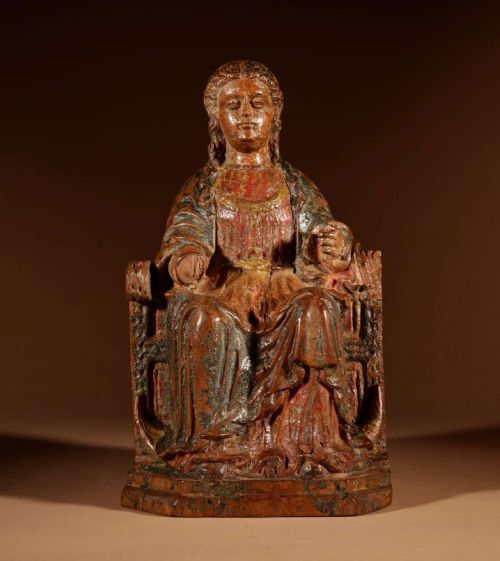
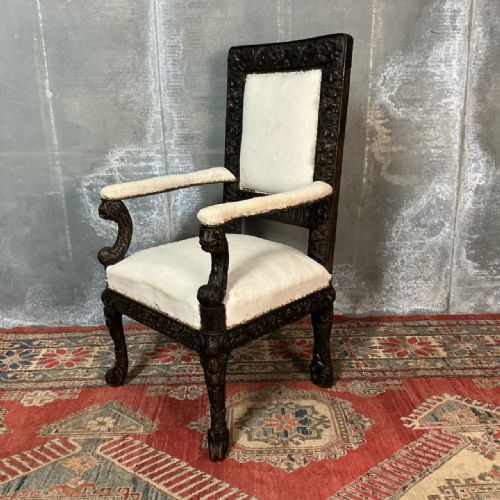
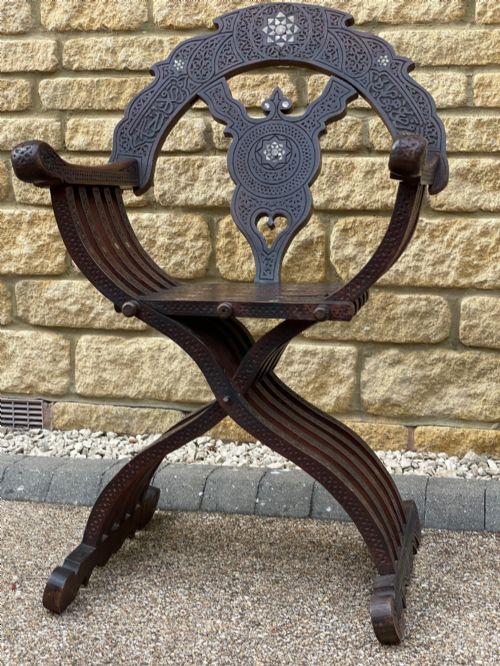
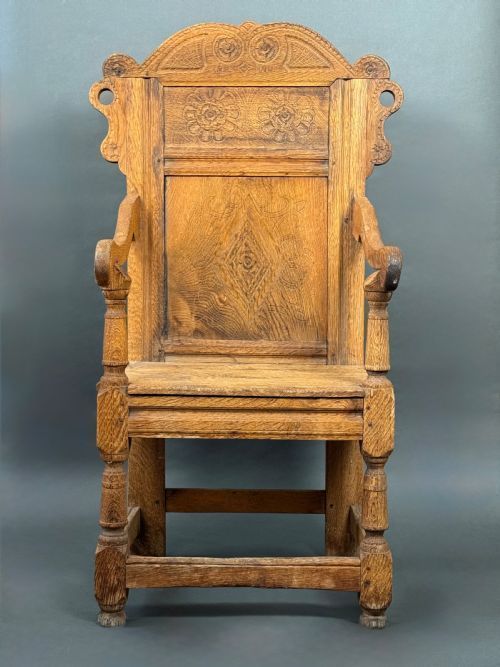
Carved Wooden Throne
A carved wooden throne is a commanding seat built to signal authority, combining robust joinery with elaborate ornamentation.
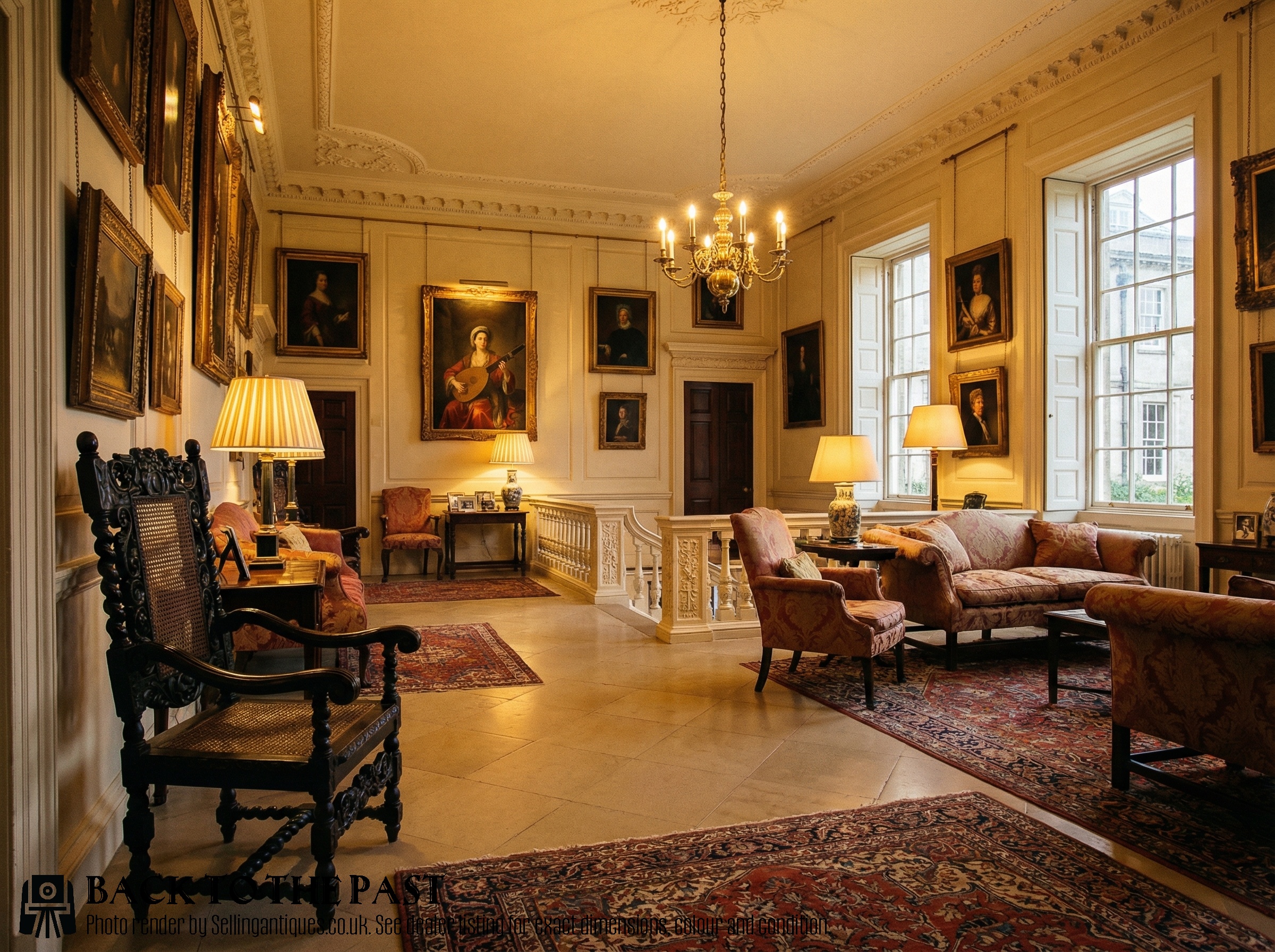
What a carved wooden throne is
A carved wooden throne represents a significant seating form designed for presence and status, spanning centuries of cabinet-making traditions. Buyers examining these items encounter substantial armchairs and settles created to dominate a room.
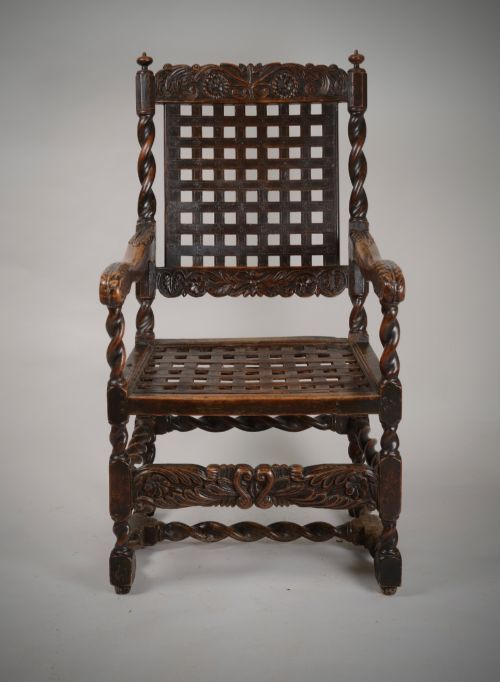
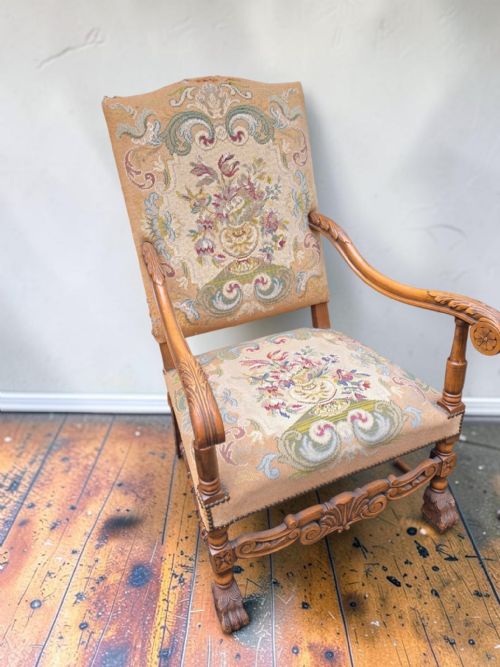
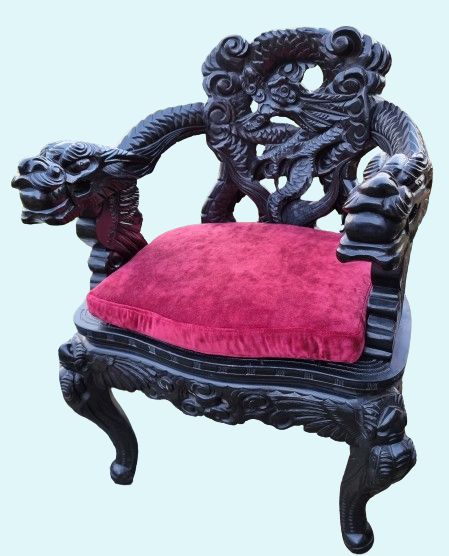
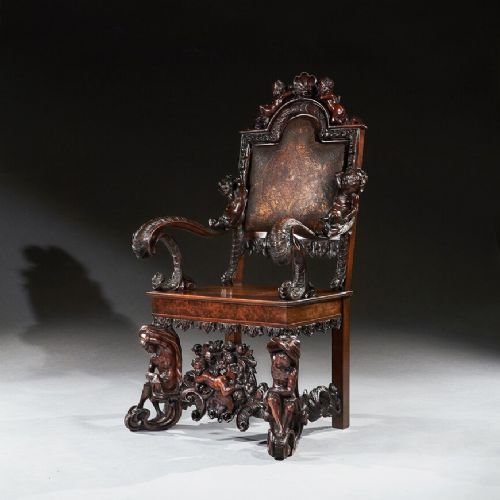
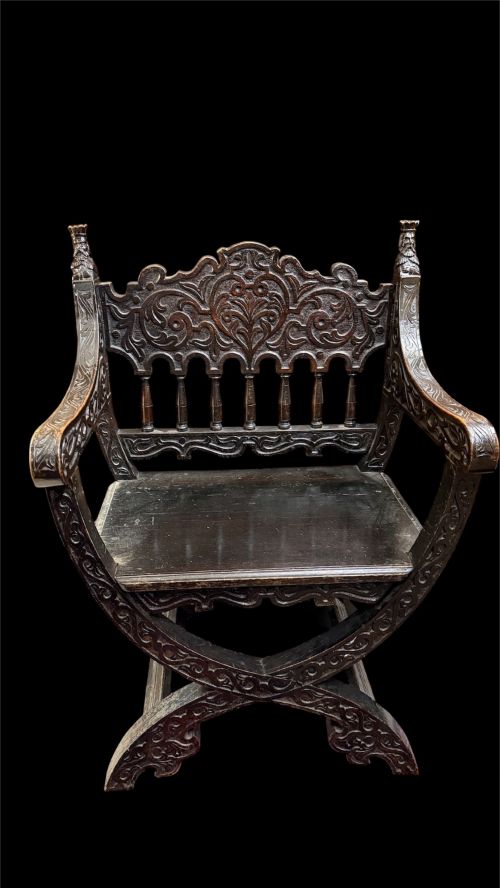
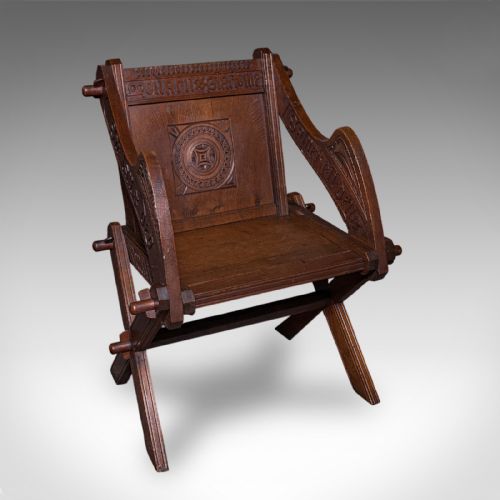
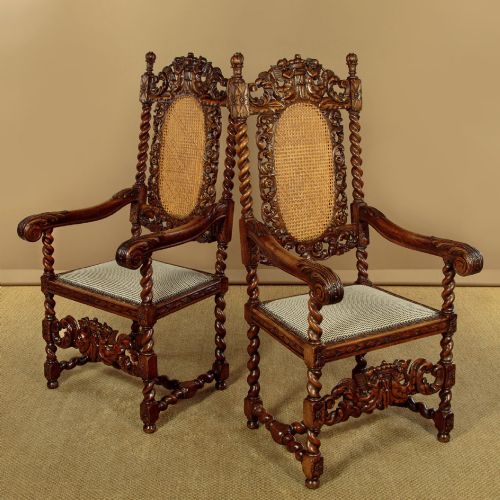
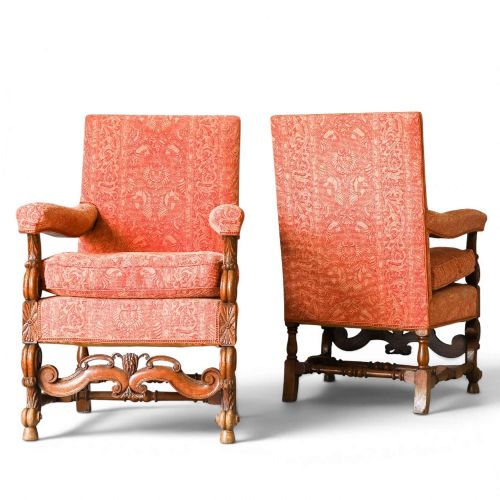
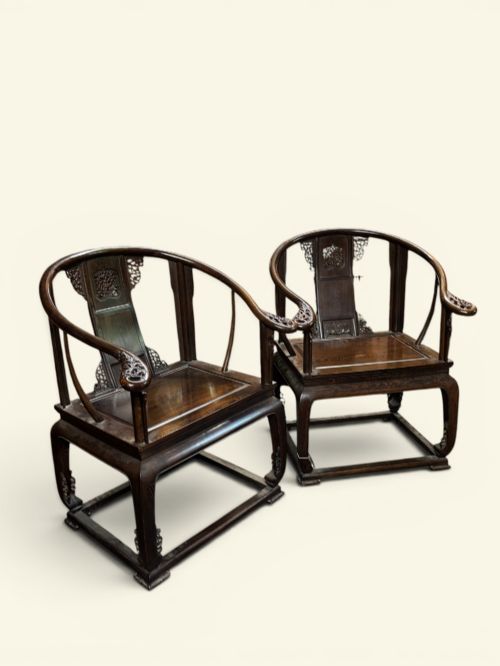
The selections on this page draw from distinct cultural and stylistic lineages, ranging from solid oak English country pieces to elaborate Qing Dynasty hardwood models. Examples from the nineteenth century sit alongside seventeenth-century forms, showing how makers adapted historical motifs over generations.
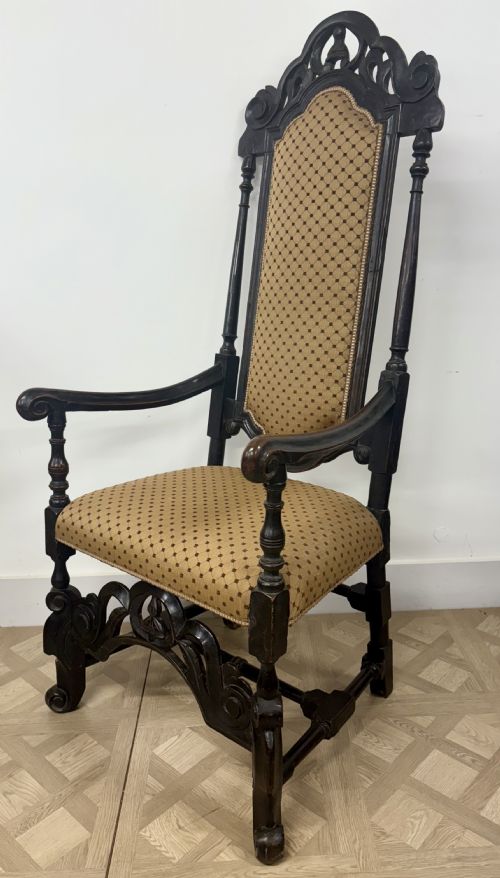
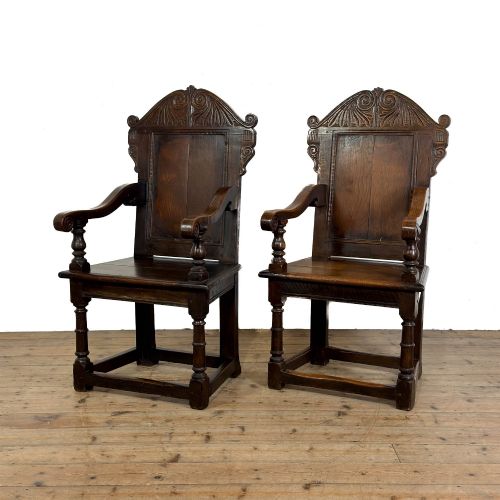
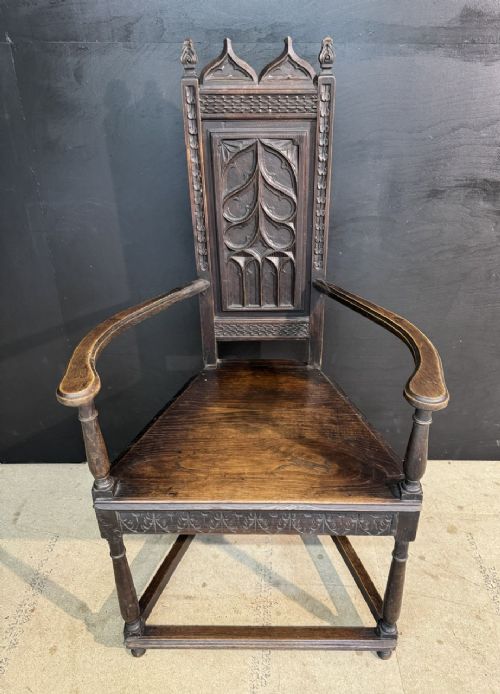
Forms include high-backed wainscot armchairs, Turner's chairs with turned spindle work, and wide settles intended for substantial halls. Each type employs heavy timber construction and deep relief carving to establish its monumental character.
How they were made
Constructed from dense timbers such as oak, walnut, ebony, and assorted oriental hardwoods, these seats rely on heavy frames joined by traditional methods. Artisans shaped the structural elements by hand, utilising mortise and tenon joinery to support the weight of the timber and the occupant.
Ornamentation depends on deep hand-carving directly into the solid wood surfaces, creating relief patterns, strapwork, and figural details. Upholstered elements where present incorporate tactile textiles including wool tapestry and velvet, secured to the wooden framework with traditional methods.
Retail Price Guide 2026
Typical UK retail prices for carved wooden throne, calculated from the Sellingantiques database of over a million retail prices indexed since 2003. This retail price guide relies exclusively on Sellingantiques data; no external sources or auction records are used, so the figures do not describe the wider market.
Several armchairs incorporate sturdy elbow seats designed to survive centuries of authoritative gestures.
What varies in quality
The standard of a carved wooden throne rests on the crispness and depth of the timber carving, where sharper chisel work and balanced proportions distinguish superior examples. Heavy solid wood construction throughout provides the structural integrity expected of major seating forms.
The integration of materials also defines the tier of the piece, such as the use of solid ebony or finely figured walnut rather than secondary timbers. Harmonious proportions between the monumental backrest and the supporting armchairs determine visual balance.
The Carved Wooden Throne Glossary
- Wainscot
- A heavy wooden armchair of seventeenth-century origin, constructed with panelled backs and solid wooden seats. This form evolved from joined box-like settles into mobile seats of state.
- Turner's chair
- A chair constructed entirely from turned wooden spindles and cylindrical members assembled in geometric patterns. These pieces demonstrate advanced lathe work common in early vernacular seating.
- Settle
- A long wooden bench with a high panelled back designed to block draughts, often featuring armrests and a box base. They served as communal seating in large halls before the widespread adoption of upholstered sofas.
- Qing Dynasty
- The final imperial dynasty of China, spanning the seventeenth to early twentieth centuries. Furniture from this period utilises dense tropical hardwoods and intricate openwork carving.
- Strapwork
- A decorative carving motif resembling interlaced bands or ribbons, popular in Renaissance and revival furniture. It creates flat, geometric relief patterns across wooden panels.
Frequently Asked Questions
What is a carved wooden throne?
A carved wooden throne is a large, ornamented seat designed to denote status and authority within a room. These pieces combine substantial timber frames with elaborate relief carving and high backs.
Examples range from seventeenth-century European oak seats to nineteenth-century oriental hardwood models. Their primary function was ceremonial or directorial rather than casual lounging.
How do I place a throne chair at home?
Throne chairs function best as focal points in large rooms due to their imposing height and deep carvings. Positioning one against a plain wall allows the silhouette and detail of the timber to stand out.
Pairing a heavy armchair with simpler surrounding furniture prevents the space from feeling overcrowded. They also serve effectively as desk chairs or end-of-table seating in spacious studies.
How do I tell seventeenth-century chairs from later revivals?
Seventeenth-century pieces display authentic tool marks, natural timber shrinkage, and wear consistent with centuries of use. The joinery utilises pegged mortise and tenon construction appropriate to early hand production.
Revival pieces, such as those from the nineteenth century, often copy earlier styles like Carolean or Renaissance forms but utilise nineteenth-century machine tools or different secondary woods. Examining the undersides and interior framing reveals clues about manufacturing age.
What woods were used for these chairs?
Oak and walnut dominate European seating, providing the structural strength needed for heavy carving. Dense tropical hardwoods, including ebony and unspecified oriental timbers, appear in pieces originating from Asian workshops.
Selected examples incorporate secondary materials like cane for seat panels or wool tapestry and velvet for upholstery. Each timber choice reflects the regional availability and stylistic conventions of the maker's origin.