



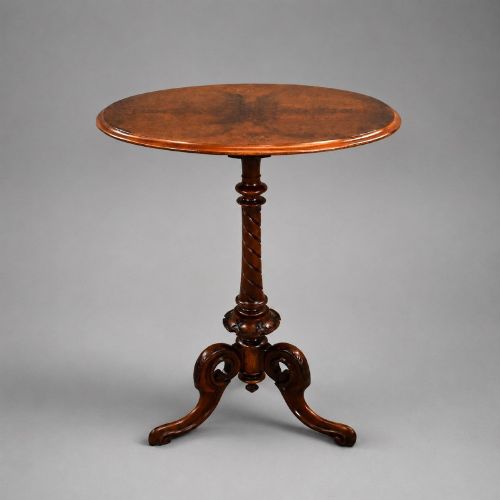
Carved Wooden Table Lamp
A carved wooden table lamp brings warmth and tactile depth to a room through solid timber and careful hand chiselling.
Carved Wooden Table Lamp
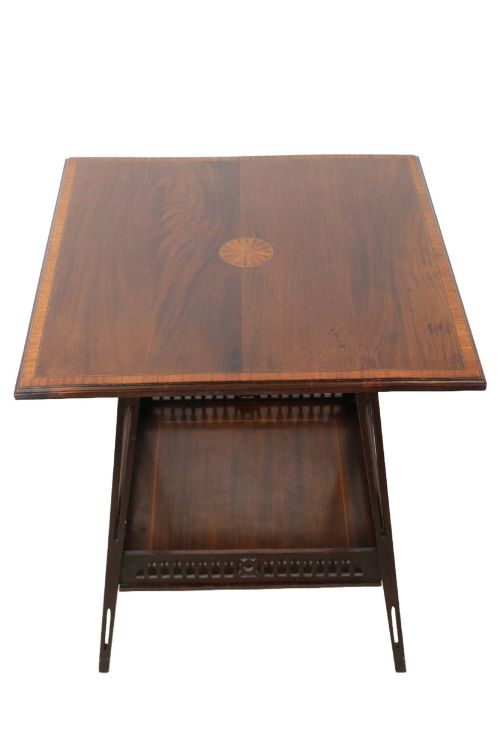
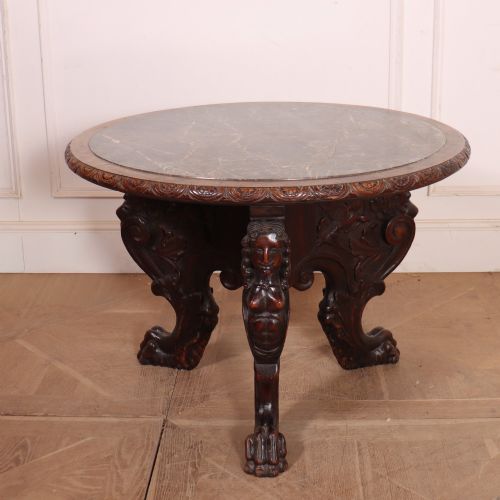
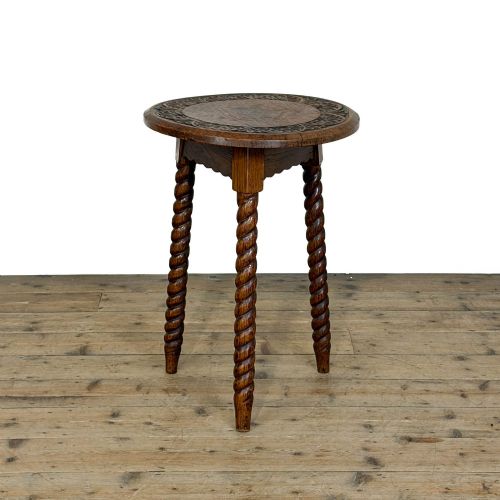
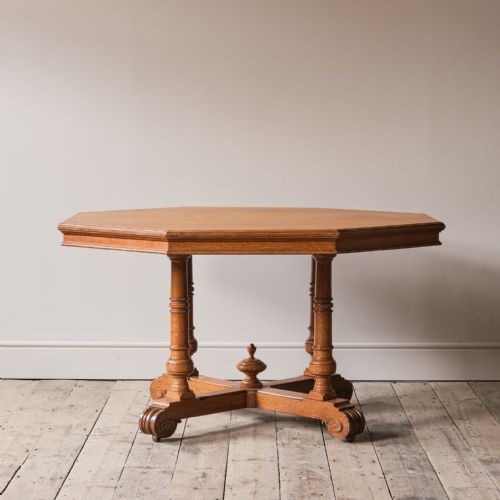
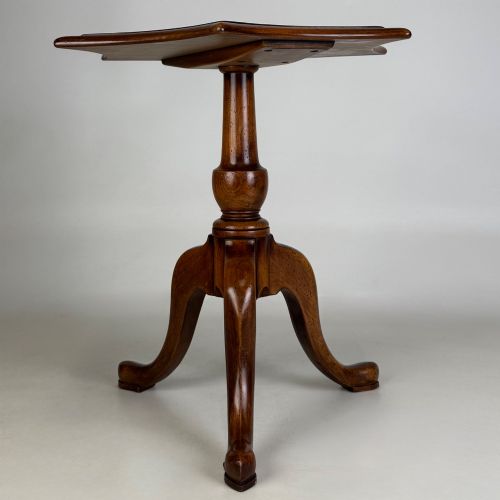
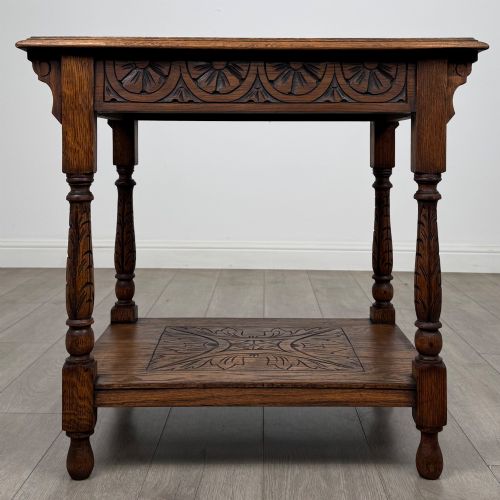
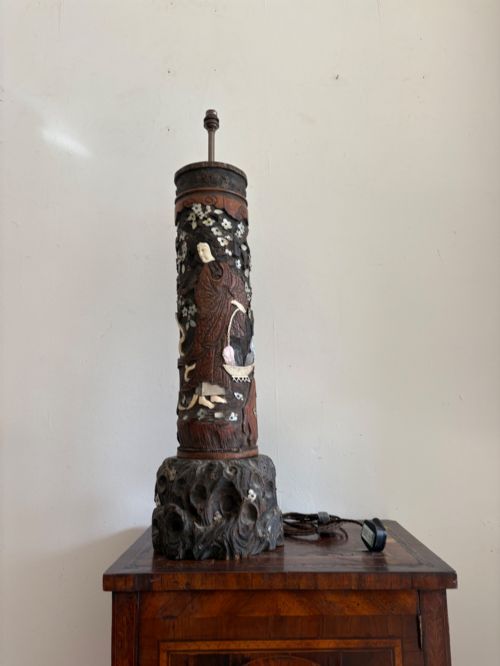
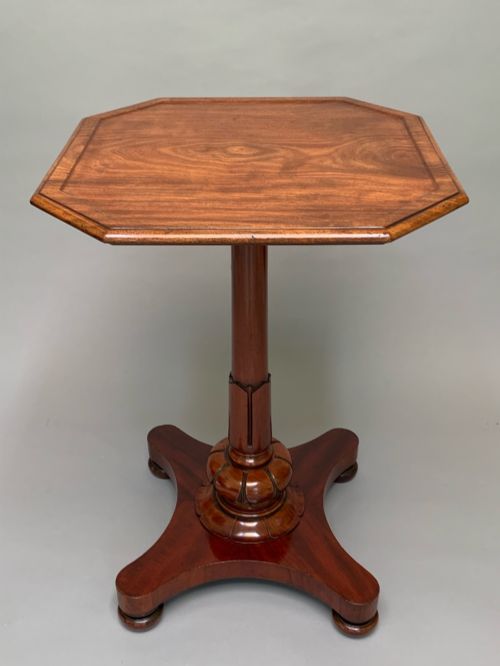
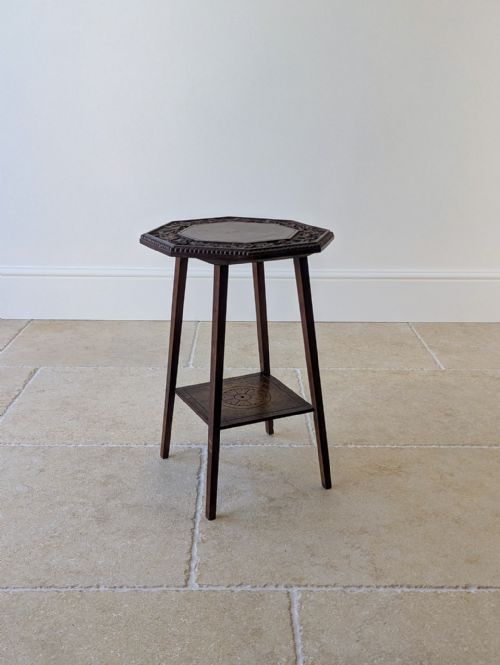
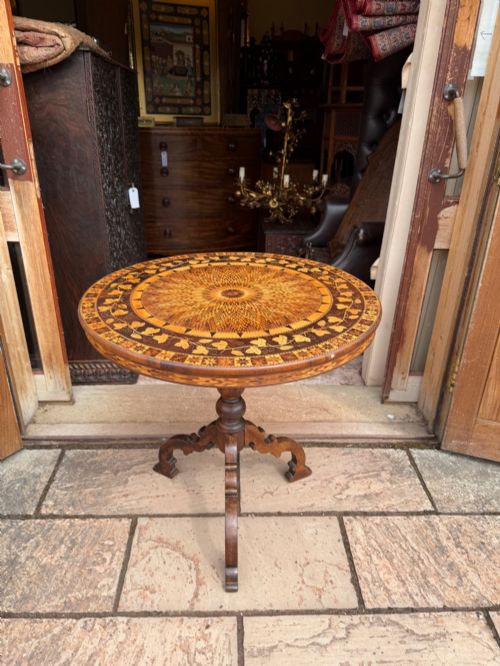
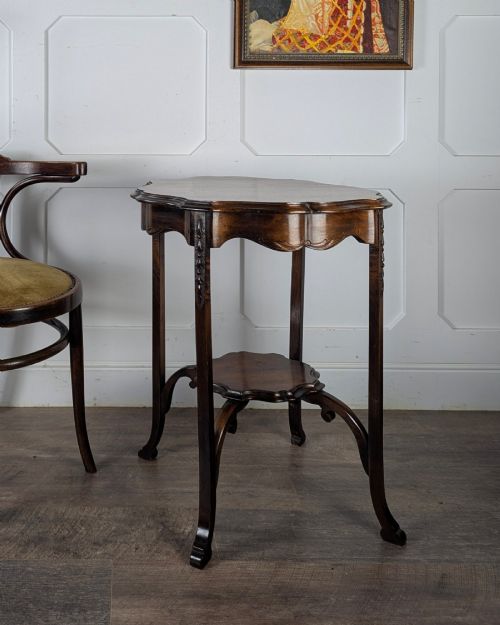
A carved wooden table lamp combines functional illumination with sculptural timber form, often emerging from periods spanning the nineteenth century through the early twentieth century. Buyers seeking a carved wooden table lamp will encounter bases fashioned from mahogany, walnut, oak, and general hardwood, alongside converted occasional tables and architectural fragments.
The selection ranges from compact Edwardian oak tripod bases and Georgian mahogany bedside adapters to taller continental baroque pillars and exotic Kashmiri twist lamp bases. Many examples reflect revivalist tastes including Jacobean and Georgian motifs, while others showcase Anglo-Indian or Japanese craftsmanship.
Victorian and Edwardian iterations dominate the current availability, frequently presenting rich burr walnut or carved mahogany surfaces. Buyers select these luminaries to anchor a reading corner or desk with historical weight and distinct organic texture.
How they were made
Craftsmen utilised seasoned hardwoods such as mahogany, walnut, and oak, selecting dense timbers capable of holding sharp chisel lines without splitting. Carpenters and turners shaped central columns on lathes, integrating barley twist profiles or fluted shafts.
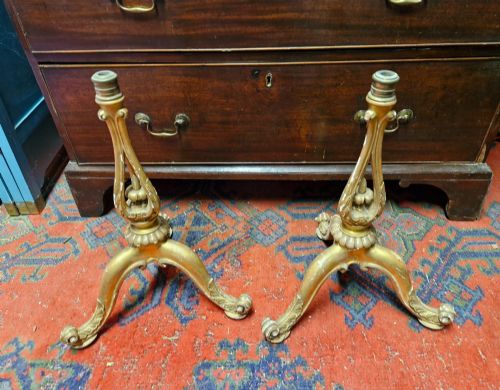
Carvers applied hand tools to execute floral reliefs, acanthus leaves, and geometric borders directly into the solid wood. Giltwood accents and applied mother-of-pearl details occasionally complemented the carved timber surfaces on select items.
Listings feature walnut, mahogany, and oak across Victorian, Edwardian, and nineteenth-century periods.
What varies in quality
The crispness and depth of the hand carving dictate the aesthetic standing of each piece, distinguishing shallow machine routing from deeply undercut, articulate chisel work. Timber selection equally drives quality, with figured burr walnut and dense old-growth mahogany commanding greater visual presence than plain or secondary woods.
Proportion and structural stability govern utility, ensuring the vertical column bears the weight of modern wiring and shades without listing. Maker attribution through stamps or labels also elevates an object, marking it out from unbranded workshop production.
Trevor Page and Co·Shapland and Petter·Liberty of London
The Carved Wooden Table Lamp Glossary
- Barley twist
- A turned wooden column resembling a spiralling rope or screw thread. This decorative lathe-turned profile appears frequently on nineteenth-century and Edwardian lamp bases.
- Burr walnut
- Timber taken from a tree growth where grain has distorted into swirling, intricate patterns. It provides a highly decorative surface veneer on Victorian occasional and lamp tables.
- Giltwood
- Wood that has been coated with a thin layer of gold leaf or gold paint. Gilded carved lamp bases catch and reflect ambient light.
- Tripod base
- A supporting stand resting upon three individual feet or legs. This configuration provides stability for slender standard and table lamp designs.
- Occasional table
- A small, movable table intended for flexible placement within a room. Many such tables serve as the structural basis for converted lamp stands.
Carved Wooden Table Lamp: Frequently Asked Questions
How do I wire an old lamp?
Rewiring requires removing outdated internal components and threading modern cable through the central wooden channel. Qualified electricians should handle this process to ensure safety compliance.
Retaining original brass lampholders where possible maintains the period character of the timber base. Modern underwriters laboratories standards guide appropriate cord selection.
What shade suits a carved lamp?
Fabric shades with neutral linen or silk textures balance heavy timber carvings without overwhelming the base. The scale of the shade must match the proportional width of the turned wooden column.
Tapered drum shapes complement cylindrical or barley twist shafts, while wider empire shades suit substantial urn-form bases.
How do I date these lamps?
Dating relies upon timber species, turning styles, and structural joinery consistent with periods like the Victorian or Edwardian eras. Patina and finish wear also offer clues to the age of the carved wood.
Turned motifs shifted from heavy baroque proportions in earlier centuries toward slender Edwardian elegance by the nineteen-hundreds.
Where should I place them?
These lamps suit sideboards, writing desks, and bedside tables where concentrated task or accent lighting is required. Their sculptural wooden forms function as decorative objects even when unlit.
Pairing matching columns on opposite ends of a sideboard creates symmetrical balance in a traditional interior.