



Carved Wooden Sconces
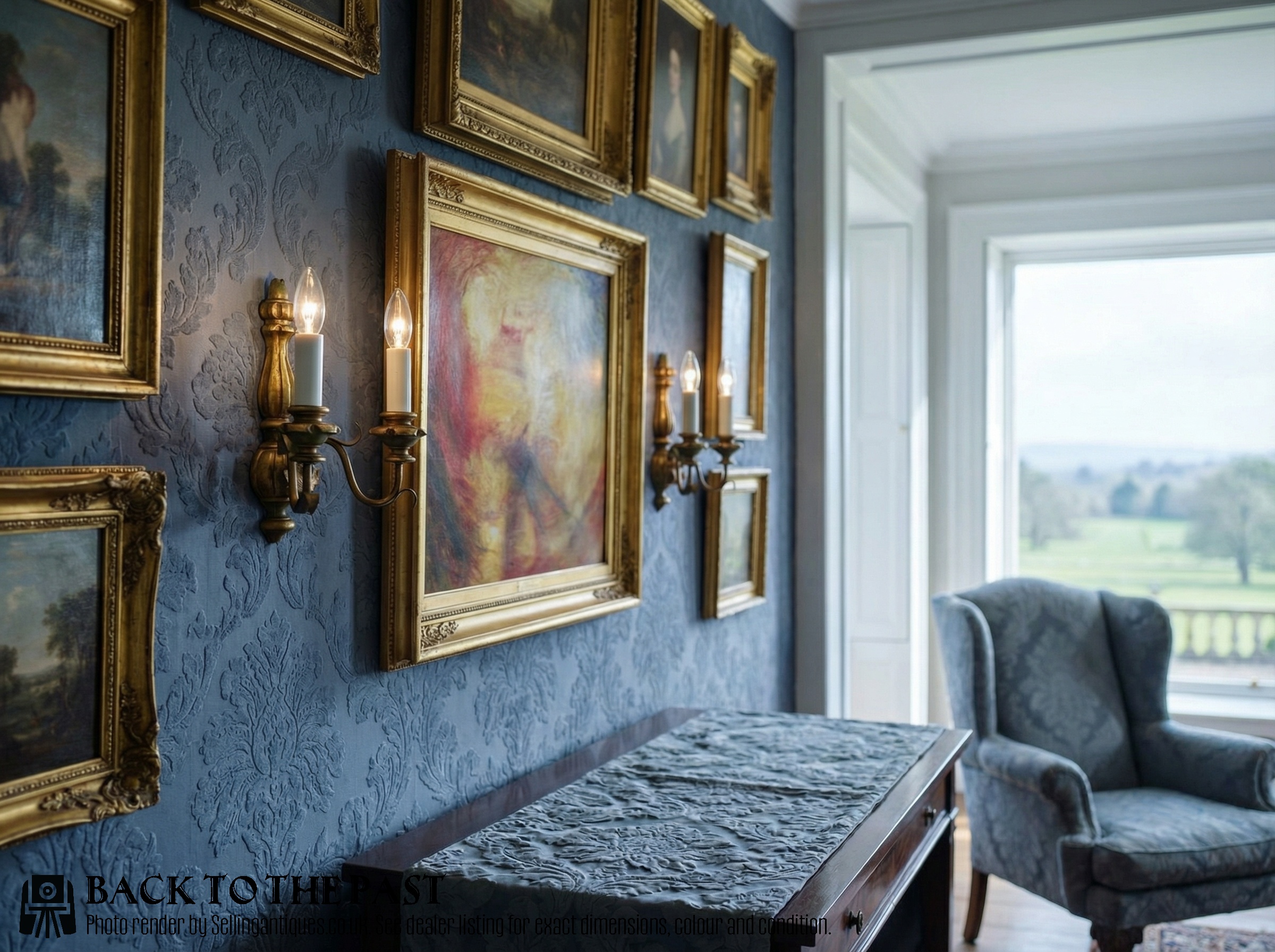
Carved wooden sconces bring immediate warmth and layered illumination to a room, functioning as sculptural wall art even before candles or bulbs are lit.
Carved Wooden Sconces
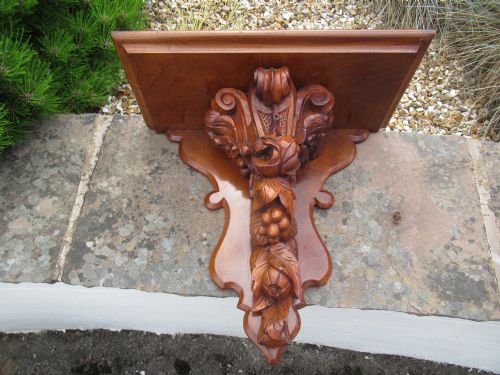
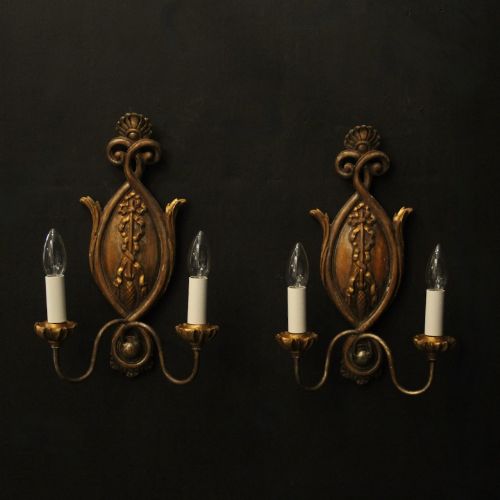
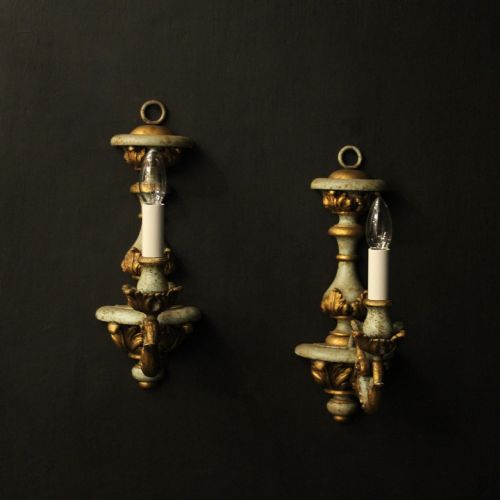
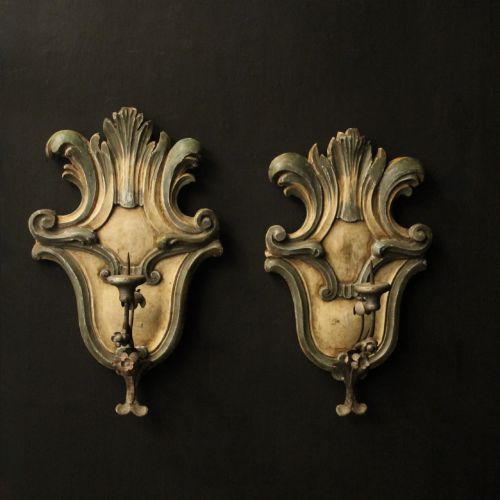
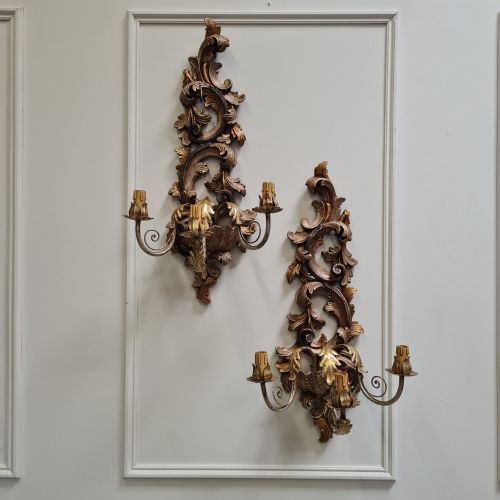
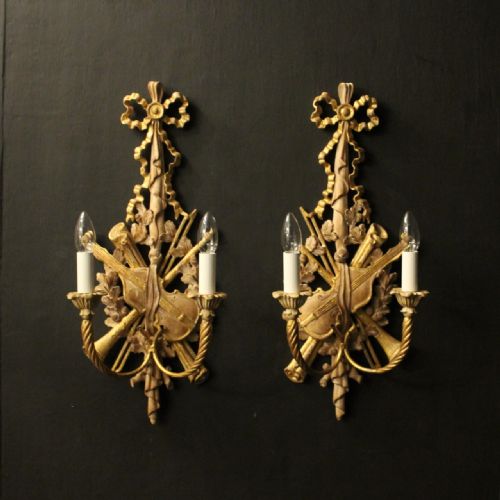
When searching for carved wooden sconces, collectors encounter a diverse array of wall-mounted lighting and display pieces spanning multiple centuries and regional workshops. The selection frequently includes Italian Florentine giltwood arms, French chateau polychrome fixtures, and British revival brackets designed to hold candles or electric fittings.
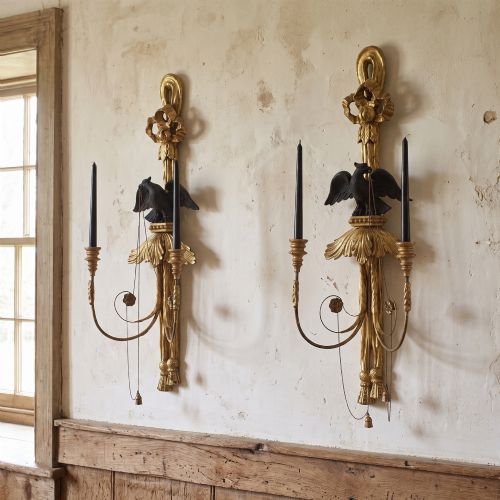
The functional forms vary widely across the inventory, ranging from twin and triple arm wall lights to single pricket candle holders and architectural wall shelves. Many examples incorporate pivoted arms or decorative backplates shaped as cherubs, eagles, or fruit clusters, designed to project candlelight outward into the space.
Geographic origins heavily influence the visual vocabulary of these pieces, with Anglo-Indian and Burmese items appearing alongside European Baroque, Rococo, and Neoclassical revivals. Buyers often find pairs matched for symmetrical placement beside mirrors, fireplaces, or doorways.
How they were made
Artisans typically carved these fixtures from dense timbers such as oak, walnut, and fruitwood, utilising hand-chiselled techniques to achieve deep relief and intricate profiles. Barley twist shafts, Corinthian capitals, and figural brackets demonstrate the skill of the carver in manipulating solid timber.
Surfaces were frequently finished with layers of gesso to smooth the wood before the application of gold leaf, silver gilding, or polychrome paint. This preparation allowed for burnished highlights and contrasting matte colour schemes that caught the flicker of contemporary candle flames.
What varies in quality
The definition and depth of the hand-carving dictate the primary visual merit of a piece, distinguishing robust relief work from mechanical or shallow tooling. Crisp execution in elements like acanthus leaves, feathers, or human figures indicates a workshop of higher capability.
The integrity and preservation of the original giltwood, silver leaf, or polychrome paint layers define the secondary tier of excellence. Pieces retaining their historic preparation surfaces without heavy overpainting demonstrate superior historical survival.
The Carved Wooden Sconces Glossary
- Giltwood
- Timber that has been coated with a thin layer of gold leaf over a prepared gesso ground. This technique creates a luminous surface that reflects ambient light.
- Polychrome
- Painted in several distinct colours, often found on regional European wall lights and figural carvings to imitate natural tones or rich textiles.
- Pricket
- A sharp metal spike set vertically in a candle holder to secure a large candle in place. This form is common in older ecclesiastical and Florentine designs.
- Gesso
- A plaster-like mixture applied to wooden bases as a smooth foundation for gilding and painting. It allows intricate details to be moulded before finishing.
- Corinthian
- A classical architectural order characterised by elaborate capitals decorated with stylized acanthus leaves. It frequently appears on carved wooden columns and wall brackets.
Carved Wooden Sconces: Frequently Asked Questions
How do I hang heavy wooden sconces safely?
Heavy carved fixtures require direct anchoring into wall studs or the use of heavy-duty toggle bolts capable of supporting the combined weight of the timber and metal arms.
Ensuring the mounting hardware engages the structural wall rather than just the plaster prevents sagging over time.
Can antique sconces be wired for electricity?
Many wall lights can be professionally adapted by running internal wiring through the carved wooden channels or discrete external paths.
Consulting a qualified electrician ensures that modern lamp holders integrate safely with the historical structure of the piece.
How do I clean giltwood and painted surfaces?
Dusting requires only a very soft, dry brush to remove particulate matter without disturbing fragile gold leaf or delicate polychrome pigments.
Water and chemical cleaning agents must be avoided entirely, as moisture strips historical gesso and flaking paint finishes.
What is the difference between a bracket and a sconce?
Wall brackets primarily serve as architectural shelves or display ledges for objects, though some feature integrated candle nozzles or prickets.
Sconces are specifically engineered as lighting fixtures designed to project illumination away from the vertical wall surface.