

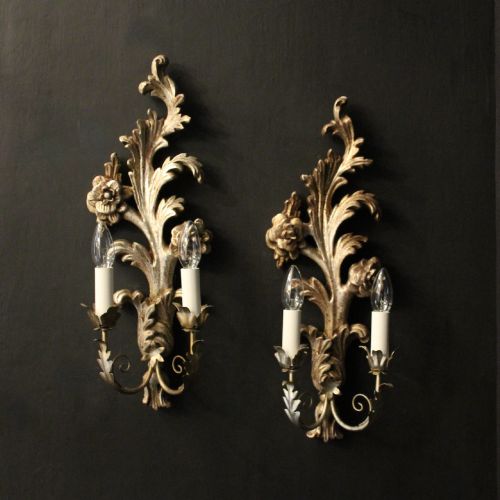
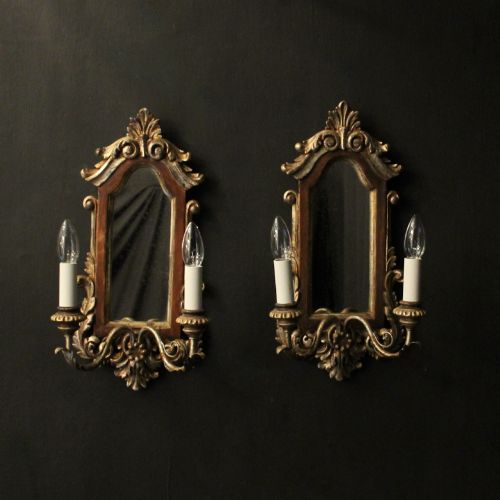
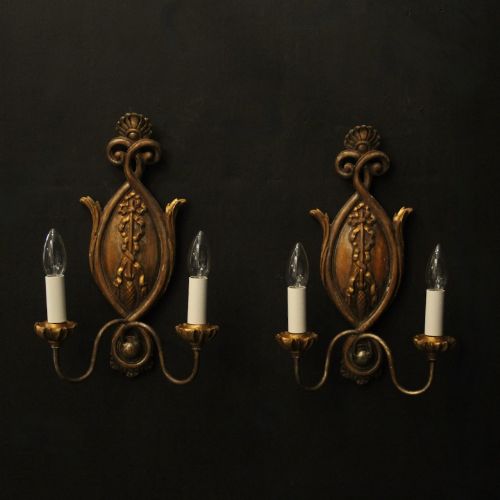
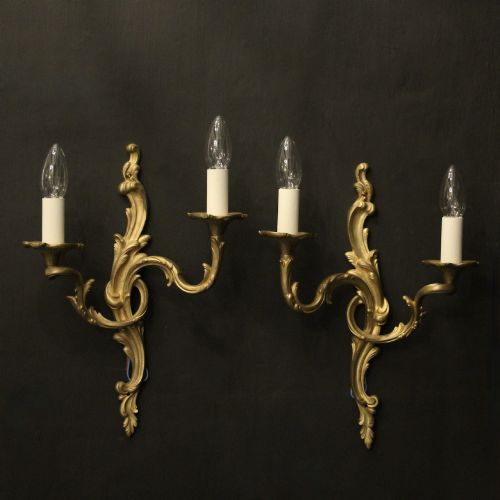
Carved Gilt Wall Lights
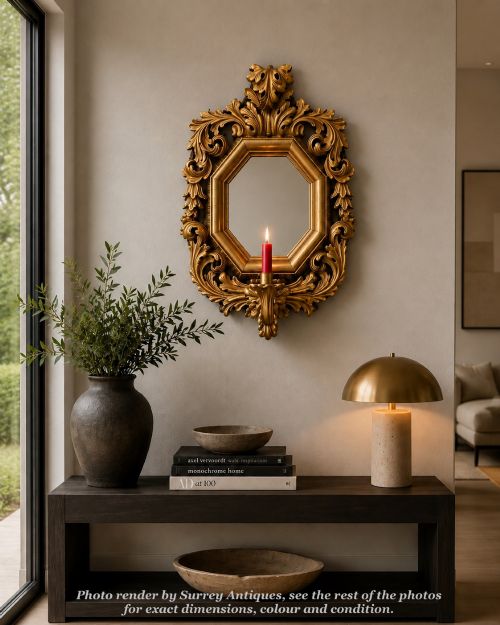
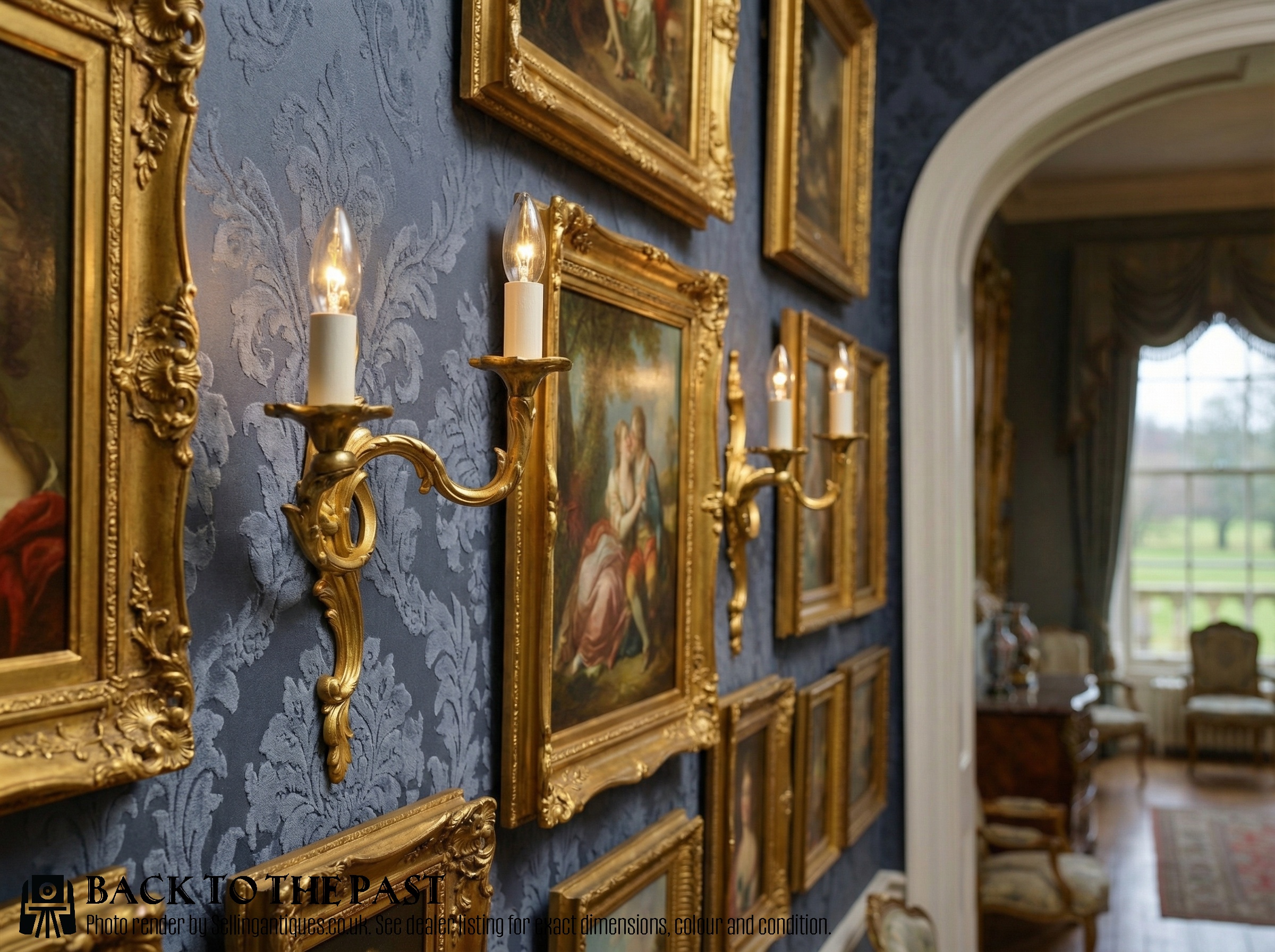
Carved gilt wall lights bring warmth and reflective brilliance to a room, offering sculptural presence alongside candle or electric illumination.
Carved Gilt Wall Lights
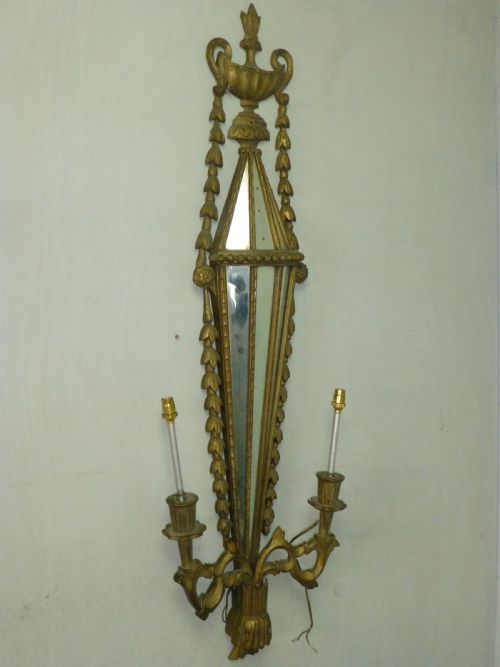
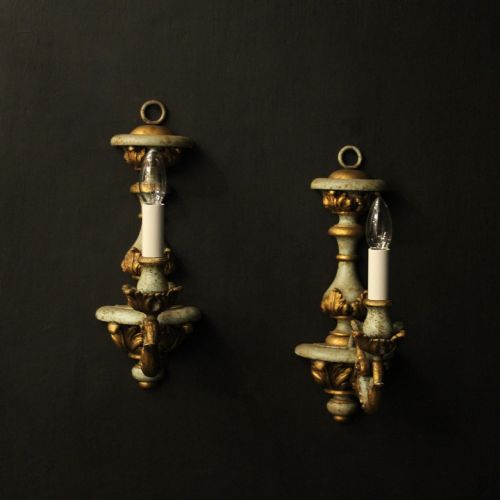
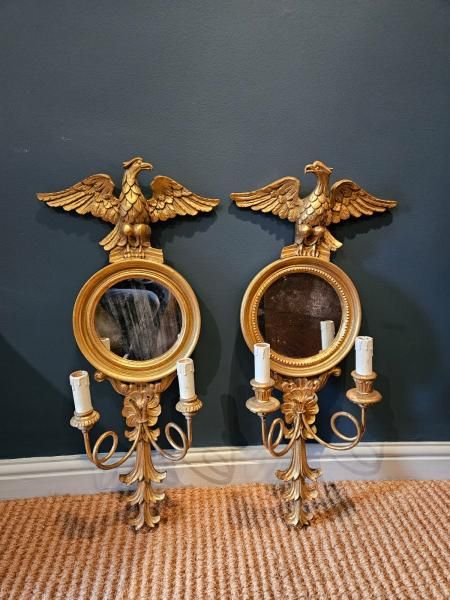
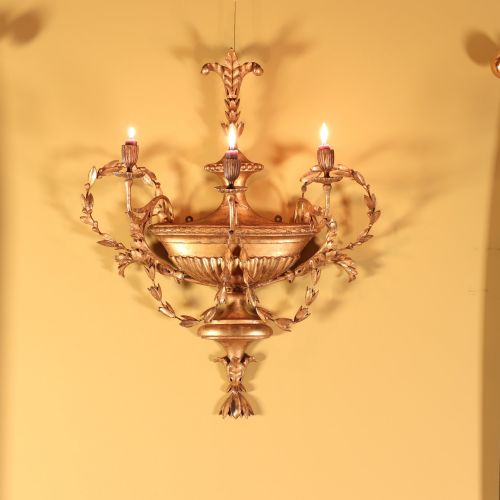
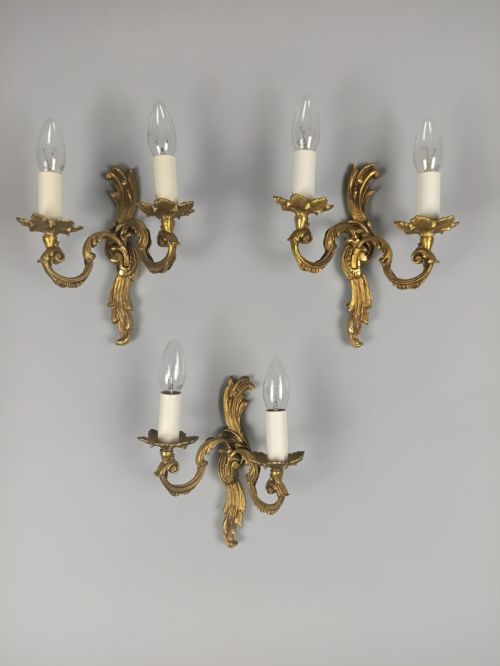
Carved gilt wall lights span multiple centuries and design traditions, ranging from Italian Baroque and Florentine pieces to French Rococo and Neoclassical examples. Buyers searching this phrase examine sconces, girandoles with mirror backs, and candelabra designed to mount directly onto interior walls.
The pieces appearing most frequently originate from the nineteenth and early twentieth centuries, particularly the decades around nineteen-twenty and nineteen-thirty. These later items often follow earlier stylistic revivals, capturing the ornate flourish of French chateaux or Italian workshops.
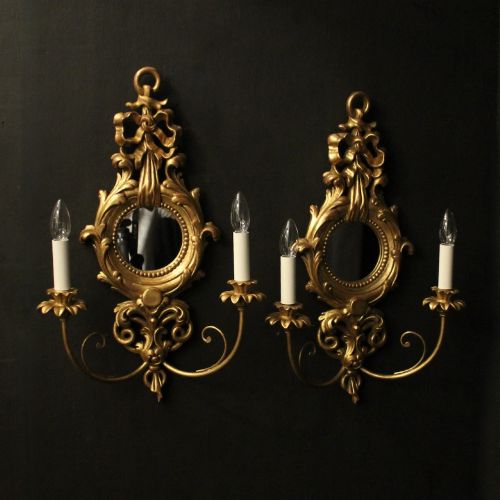
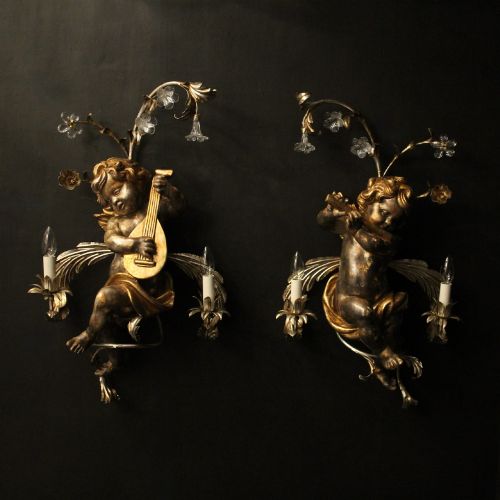
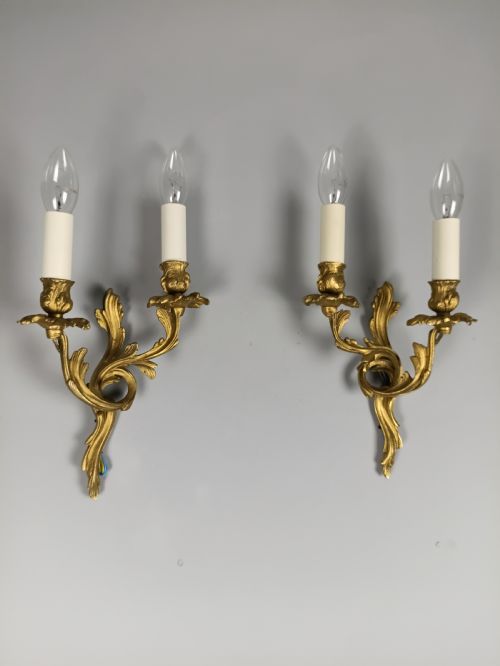
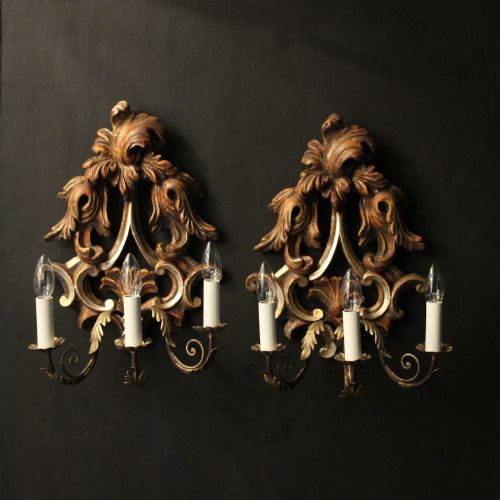
Many examples emerge in matched pairs or larger sets, configured with twin, triple, or four-arm branch arrangements. Surviving pieces demonstrate considerable variety in scale, stretching from compact single-arm fixtures to large mirror-backed girandoles adorned with carved putti, cherubs, or ribbon motifs.
Materials and construction methods
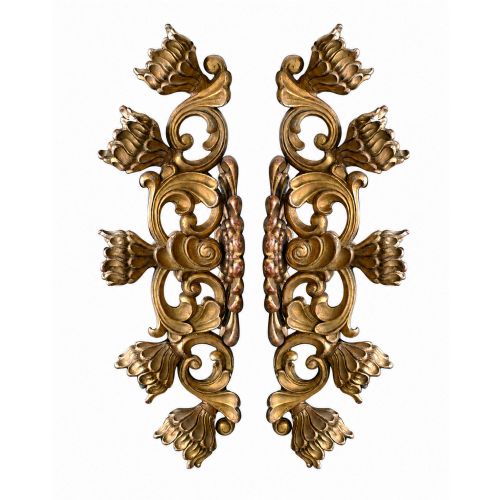
Craftsmen shaped these fixtures primarily from wood, applying layers of gesso to smooth the surface before hand-carving intricate details such as scrolls, acanthus leaves, and floral garlands. Giltwood and gold leaf finishes provide the characteristic metallic sheen, sometimes complemented by polychrome highlights or ebonised sections.
Metal components also appear, utilising cast bronze, brass, or ormolu to form sturdy arms and candle sockets capable of supporting multiple branches. Certain pieces incorporate glass elements, including mirrored backing plates and Murano components that catch and multiply the ambient light.
Several charming pairs feature winged putti peering out from the shadows, watching over the room with gilded expressions.
Evaluating craftsmanship and distinction
The depth and crispness of the hand-carving dictate much of the visual success, separating pieces with sharp, undercut foliage from softer, more generalized moulding. Superior examples retain coherent proportions across the arms and backplates, ensuring the sculptural elements integrate harmoniously.
The application of the gilding layer influences the longevity and warmth of the surface, with genuine gold leaf ageing differently than later metallic paints or heavy gesso repairs. Preserved original surfaces, paired with well-matched sets or integrated mirror plates, elevate the standing of an individual wall light.
Frans Gailliard
The Carved Gilt Wall Lights Glossary
- Giltwood
- Wood that has been coated with gold leaf or a gold-coloured metallic finish. This technique provides a luminous surface resistant to tarnishing.
- Girandole
- A decorative wall sconce featuring a mirror backplate. The reflective glass serves to amplify the light cast by the candles or lamps.
- Gesso
- A plaster-like mixture applied to wood surfaces to create a smooth base for carving and gilding. It allows for intricate relief ornamentation.
- Ormolu
- Finely chased and gilt bronze used for decorative mounts and hardware. It offers a heavy, durable structure with a rich metallic lustre.
- Putto
- A plump, naked male child figure often depicted in Renaissance and Rococo art. These carved figures frequently adorn the crests of wall lights.
Carved Gilt Wall Lights: Frequently Asked Questions
How do I hang heavy wall lights safely?
Large carved wooden and gilt fixtures require secure fixing into wall studs or solid masonry using appropriate weight-bearing screws and wall plugs. Because many pieces carry branches and mirror plates, consulting a professional installer ensures the weight distributes evenly.
Electrical wiring should also be assessed by a qualified electrician if the sconces have been converted for modern lighting. Ensuring the wall bracket aligns correctly prevents strain on the antique wooden frame.
Can these wall lights be wired for electricity?
Many surviving wall lights have undergone conversion from candlelight to electricity during the twentieth century. Professional electricians can adapt the internal wiring discreetly without compromising the historical wooden or bronze structure.
When planning a room layout, consider whether the fixtures will operate via existing wall switches or connected flex leads. Maintaining proper bulb wattages protects the surrounding gilt surface from excessive heat.
How should I clean giltwood and gesso?
Dust accumulated on intricate carvings requires gentle removal using a soft, dry artist's brush or feather duster. Avoid applying water, liquid cleaners, or abrasive cloths, as moisture damages fragile gesso and lifts the delicate gold leaf layer.
Professional conservators should handle any significant restoration or deep cleaning of the gilded surface. Regular, careful dusting prevents grime from embedding into the recesses of the hand-carved details.
How do I tell an original period piece from a revival?
Examining the reverse of the wood, the tool marks, and the ageing of the gesso layer helps determine the age of a wall light. Revival pieces from the late nineteenth or early twentieth century often display machine assistance or different structural fasteners compared to eighteenth-century work.
Matching the stylistic markers, such as Florentine or French Rococo motifs, with the expected material preparation provides further context. Evaluating the wear patterns around fixing points also indicates the true age of the fixture.