
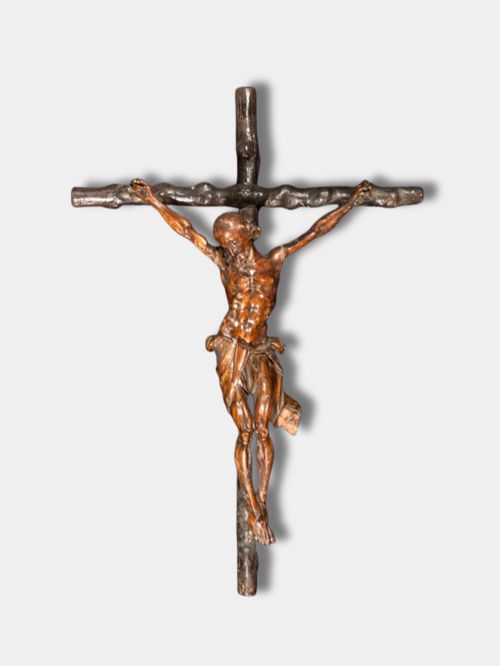
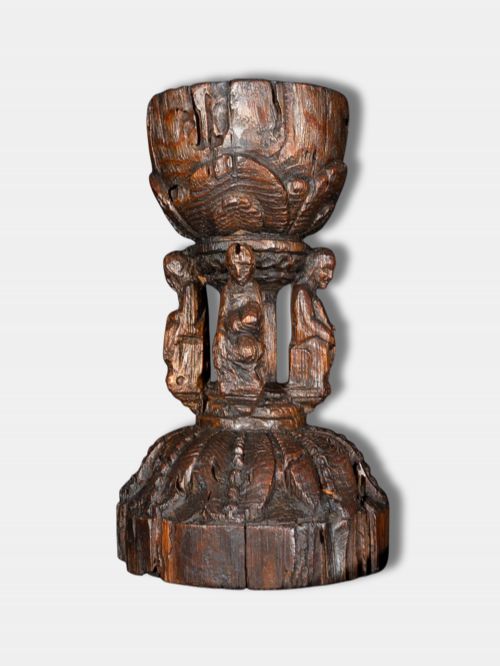
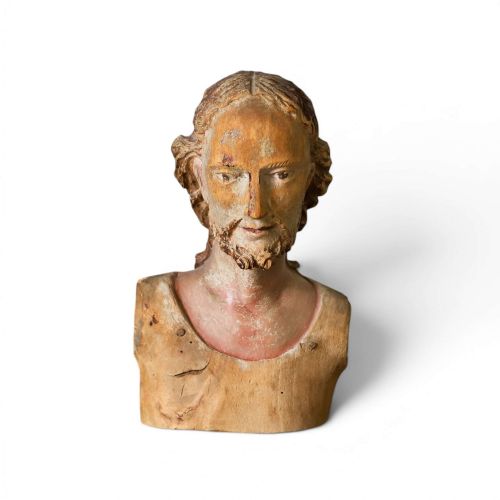
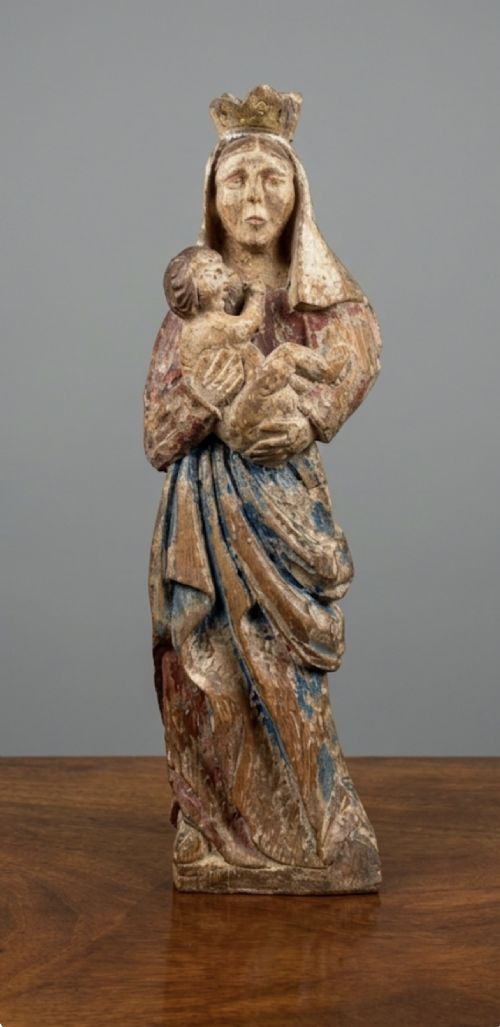
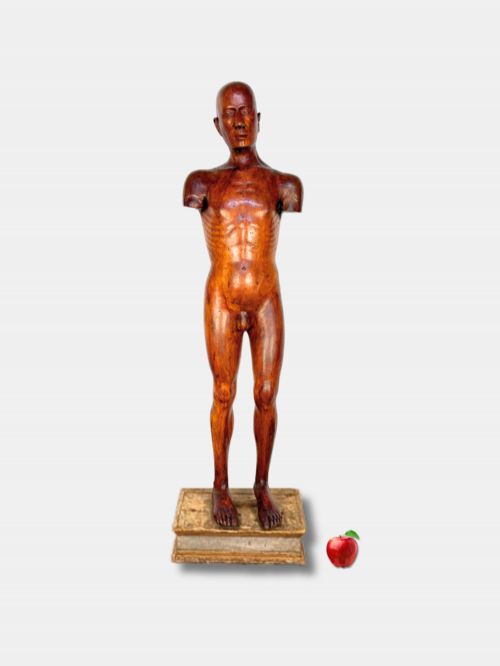

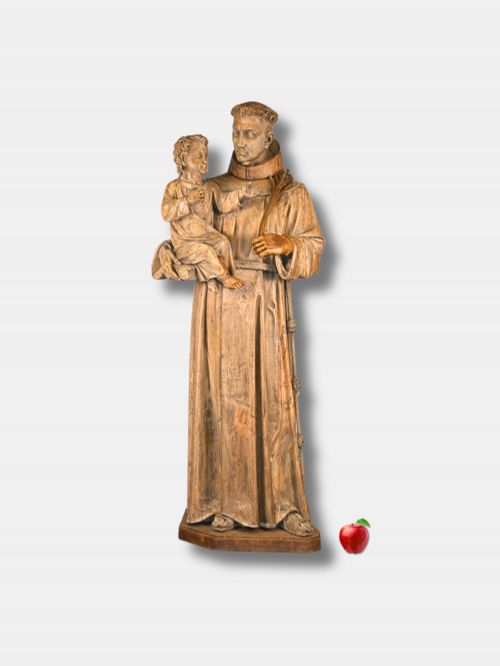
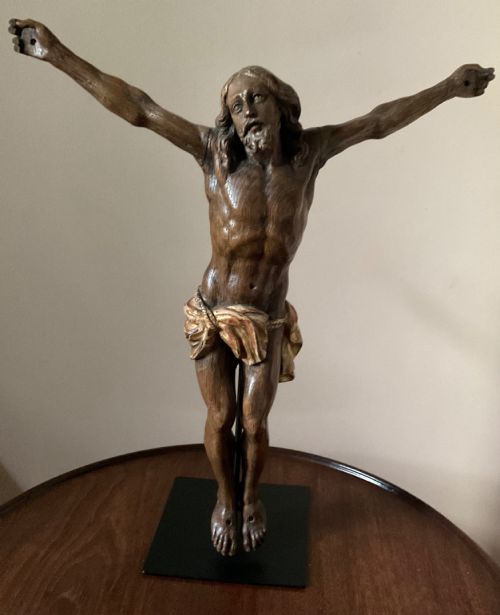
Carved Wooden Religious Figure
A carved wooden religious figure brings centuries of devotion, ritual and masterly hand-carving directly into a room.
Carved Wooden Religious Figure
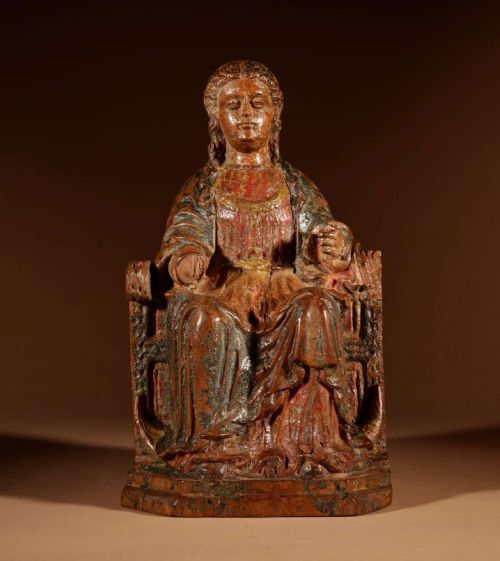
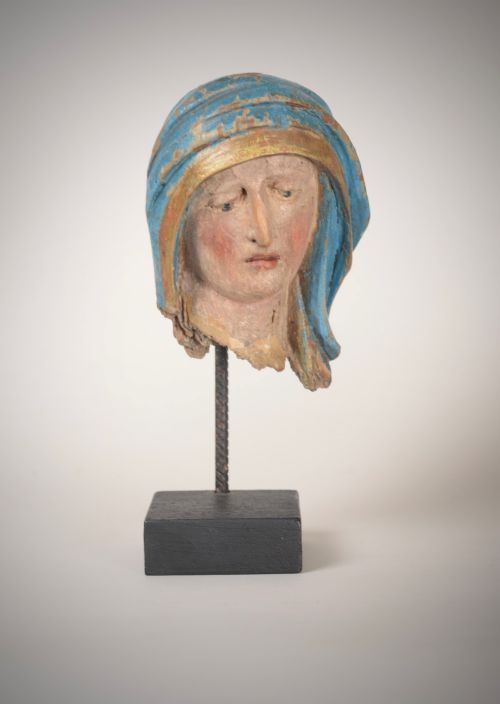
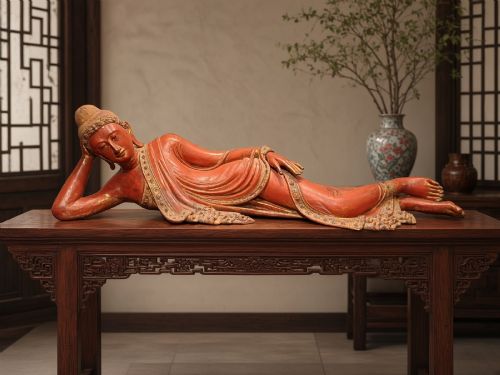
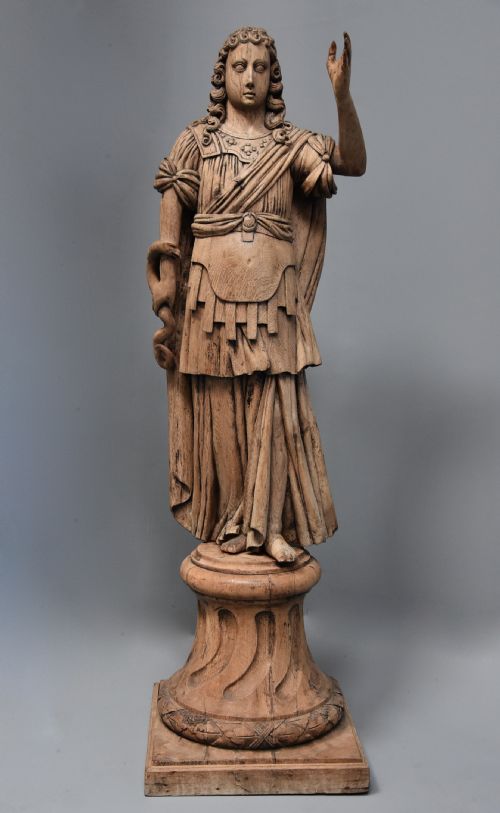
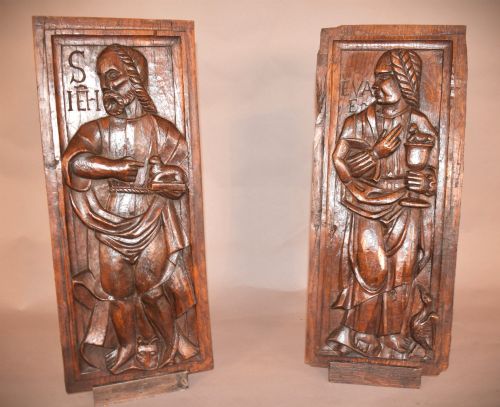
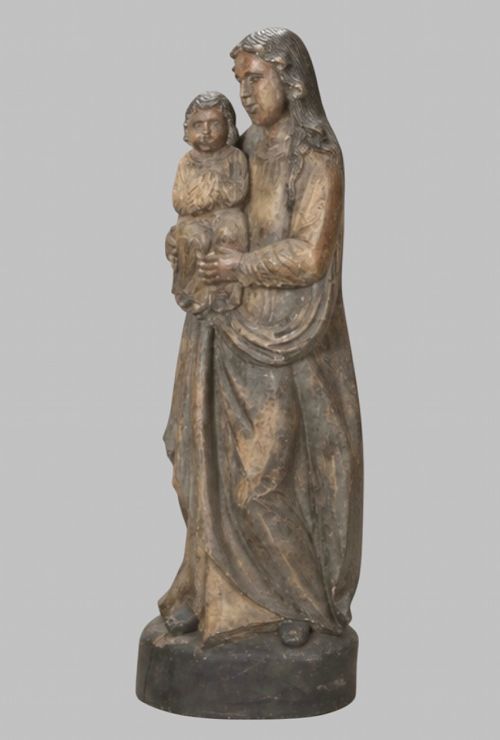
A carved wooden religious figure is a devotional sculpture originating from various European and Asian traditions, spanning from the sixteenth century to the early twentieth century. When searching this phrase, buyers encounter sacred subjects such as the Madonna and Christ Child, saints, angels, and figures of Buddha and deities.
The pieces appearing on this page range from small domestic devotional carvings to life-size Continental statues intended for altars or processional use. Oak, walnut, and limewood serve as the primary substrates for these historical works of sacred art.
Materials and construction techniques
Carvers shaped these figures from dense hardwoods such as oak, walnut, olive wood, and limewood using traditional chisels and gouges. Grain direction and timber selection dictated the depth and intricacy of the drapery and facial expressions.
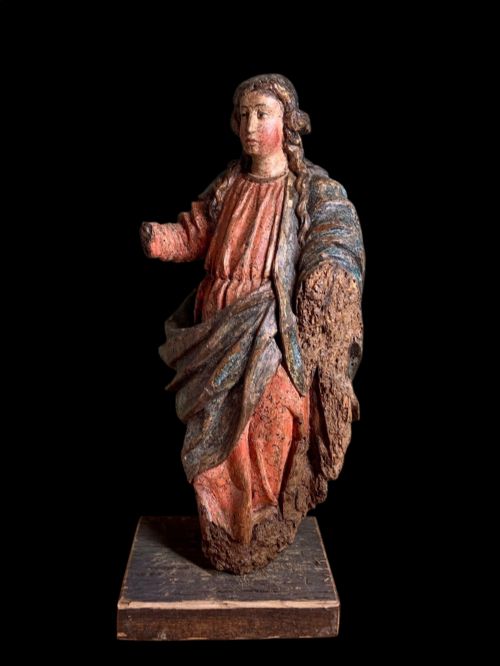
Many surfaces received layers of gesso preparation followed by polychrome paint, oil pigments, and gold leaf gilding to bring lifelike realism and heavenly radiance to the sacred subjects.
Periods represented reach from the sixteenth century through the seventeenth, eighteenth, and nineteenth centuries, up to nineteen sixty.
Quality differences in historical carvings
The standard of a carved wooden religious figure rests upon the anatomical precision of the carving, the fluidity of the drapery folds, and the expressive depth given to the face and hands. Superior pieces display confident, unhesitating tool work that breathes life into the timber.
The preservation of original surface treatments, including historical polychrome paint and gold leaf, distinguishes masterworks from later restorations. Greater artistic ambition shows in dynamic postures, such as reclining or seated arrangements, rather than rigid, static blocking.
The Carved Wooden Religious Figure Glossary
- Polychrome
- Painted in several colours. This term describes wooden sculptures decorated with pigments to render lifelike flesh tones and garments.
- Gesso
- A plaster mixture applied to wood as a smooth base for painting or gilding. It provides a bright foundation that enhances subsequent layers of gold leaf.
- Corpus Christi
- The figure of Jesus Christ on the cross. These wooden representations range from small domestic items to large processional sculptures.
- Santos
- A carved figure of a saint or holy person, particularly from Spanish or Latin traditions. They frequently formed part of church altars or domestic shrines.
Carved Wooden Religious Figure: Frequently Asked Questions
How were these figures used originally?
These wooden figures served primarily as objects of veneration in churches, private domestic chapels, and processional displays. Believers used them to focus prayer and contemplate sacred narratives.
Larger statues stood on altars or niches, while smaller carvings travelled with worshippers or remained in quiet rooms for personal devotion.
How do I care for antique wood?
Keep wooden sculptures away from direct sunlight, heating vents, and rapid humidity fluctuations to prevent the timber from splitting or warping.
Dust gently with a dry, soft brush and avoid applying modern chemical polishes or water to historical painted or gilded surfaces.
How can I tell the period?
Dating relies on stylistic markers such as Gothic drapery, Renaissance proportions, or Baroque theatricality, matched against the visible tool marks left in the timber.
Examining the ageing of the underlying wood, gesso, and pigments provides further clues to the century of manufacture.
What is polychrome paint?
Polychrome paint refers to the traditional application of multiple coloured pigments directly onto the carved wood surface or over a gesso ground.
It was used to create realistic skin tones, rich garment colours, and decorative patterns that brought spiritual figures to life.
Where were these carvings made?
Historical workshops across Europe, including Italy, Spain, France, Germany, and the Low Countries, produced the vast majority of these religious sculptures.
Other regional traditions from Asia are also represented through hand-carved wooden figures of deities and Buddhas.