
Late 18th Century Carving
Late 18th century carving captures a period of intense decorative refinement, bringing artisanal craftsmanship and historical depth directly into contemporary interiors.
Late 18th Century Carving
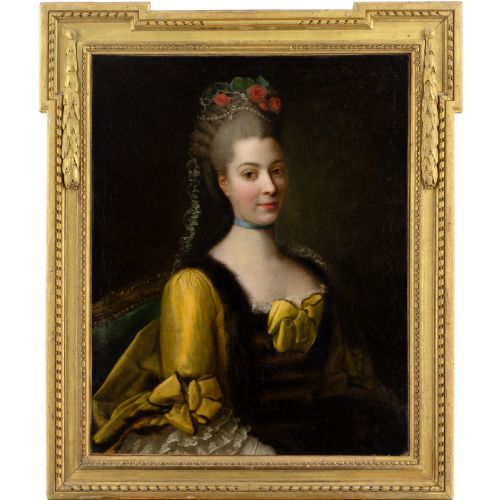
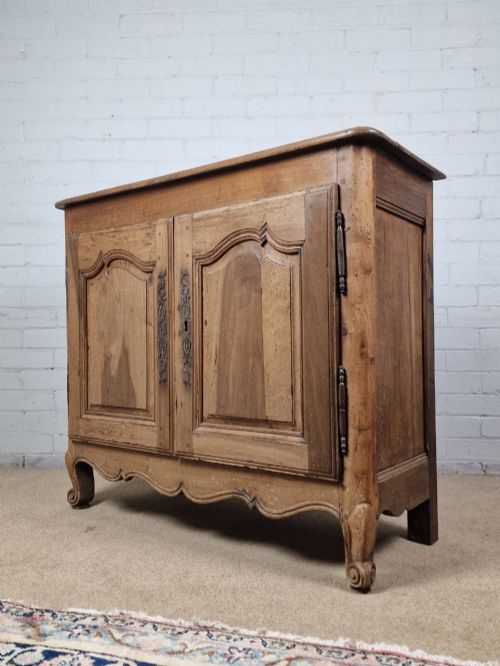
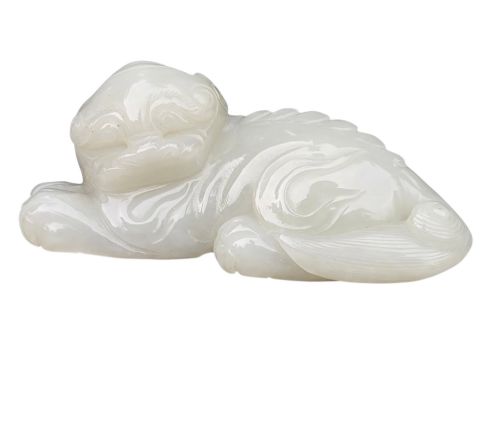
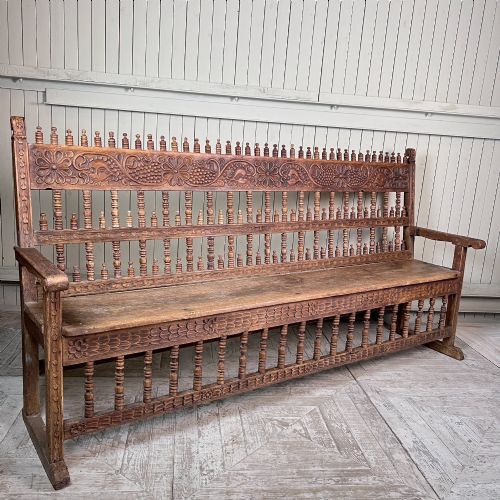
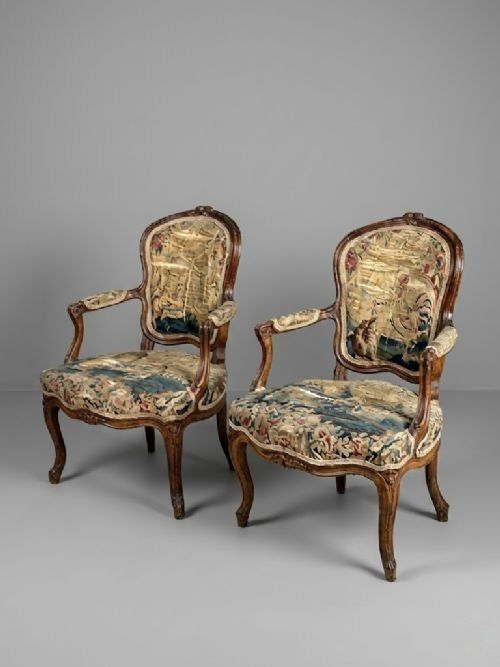
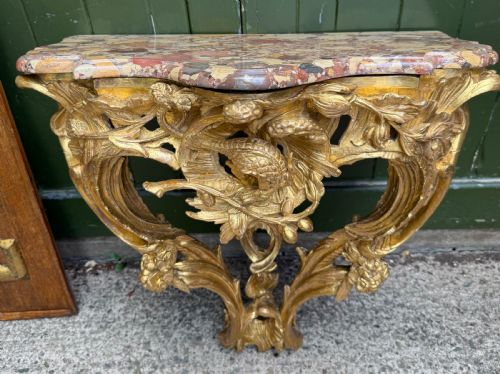
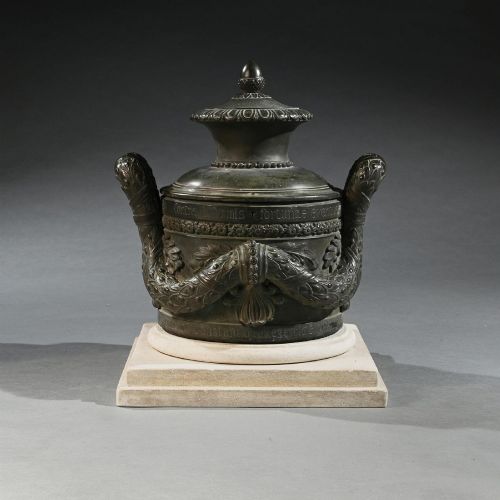
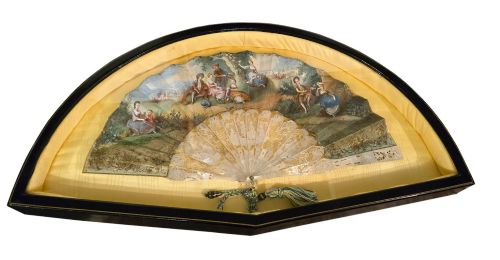
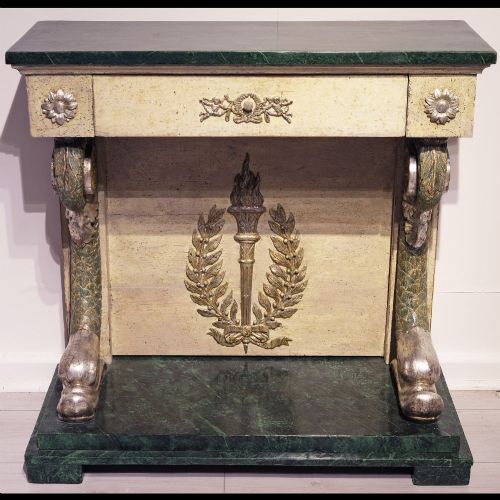
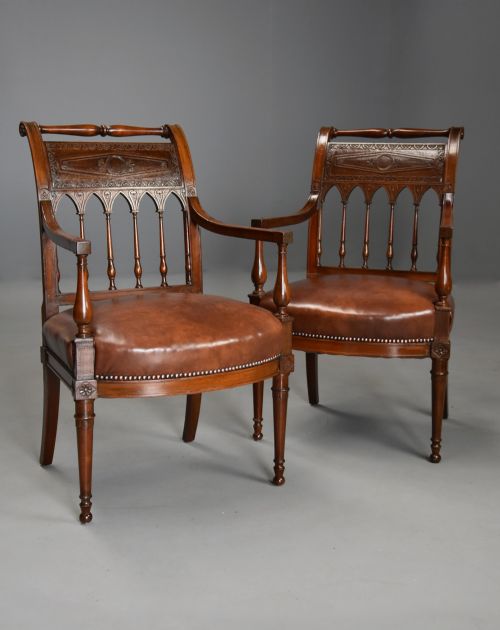
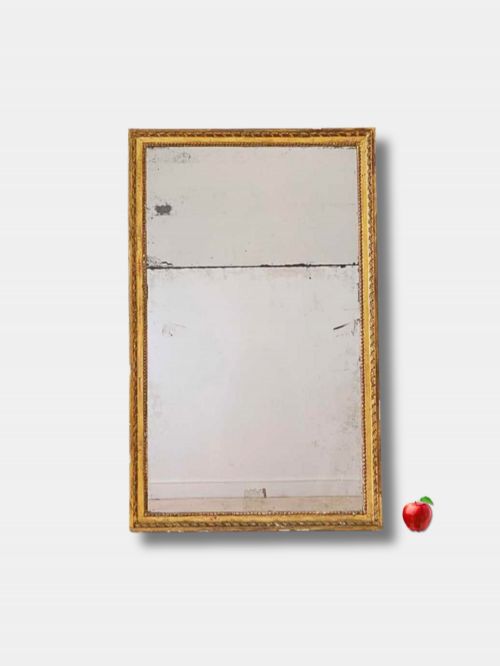
A late 18th century carving spans functional furnishings and decorative objects, ranging from grand console tables and wall mirrors to intricate wooden figures and architectural elements. These pieces emerge from diverse geographical origins, reflecting distinct regional tastes across England, France, Italy, and beyond.
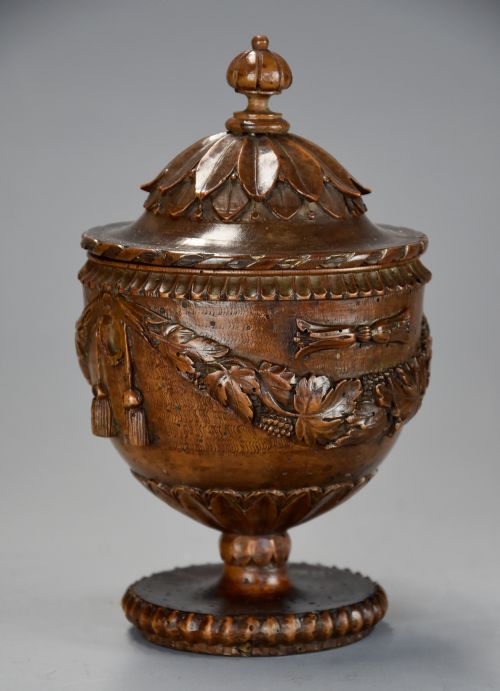
Buyers frequently encounter items shaped by Neoclassical, Baroque, and Rococo design sensibilities. The selection on this page demonstrates how master carvers applied their skill to both grand architectural accents and smaller domestic objects.
Materials and construction methods
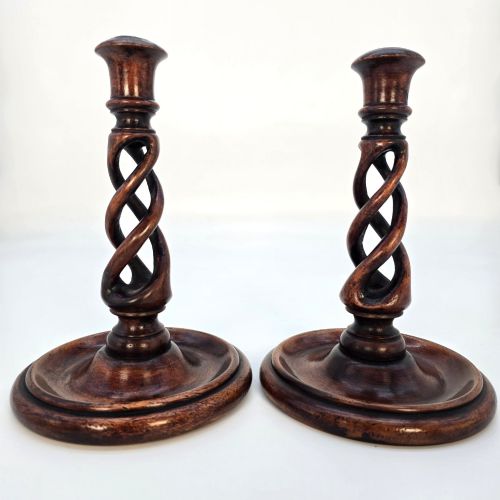
Wood serves as the primary medium, utilising durable timbers such as oak, walnut, fruitwood, and lime wood. Artisans shaped these materials using sharp chisels and gouges to achieve high relief and intricate detail.
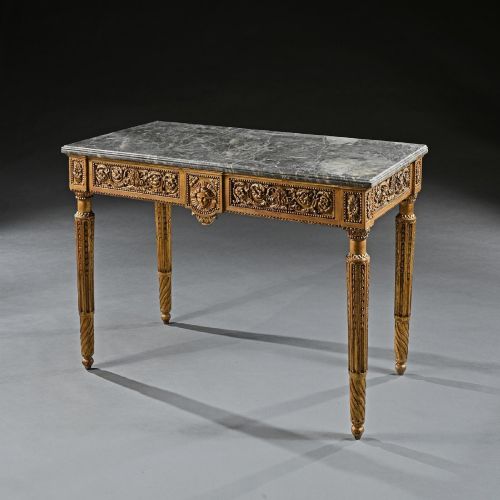
Many wooden surfaces received layers of gesso before undergoing gilding with gold leaf or application of paint. Other pieces incorporated specialised materials such as marble tops, brass inlays, and mother-of-pearl embellishments.
Distinctions in execution and design
The degree of crispness and depth in the chisel work distinguishes superior examples from simpler pieces. Master carvers achieved fluid lines and naturalistic proportions that lesser hands missed.
The integrity of the underlying material and the preservation of original surface treatments, such as historic gilding or patinated wood, heavily influence the overall standard of the object.
The Late 18th Century Carving Glossary
- Giltwood
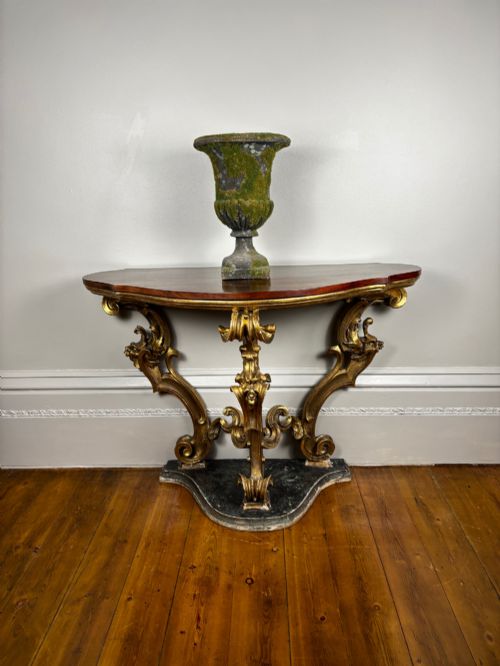
- Wood that has been coated with fine gold leaf over a prepared gesso ground. This finish was widely applied to mirrors and console tables to catch candlelight.
- Neoclassical
- A style rooted in classical antiquity that prioritised symmetry, restraint, and straight lines. It emerged strongly in the latter half of the eighteenth century.
- Console table
- A wall-mounted or bracket-supported table often featuring elaborate carved legs and a marble top. These pieces served decorative and functional roles in formal reception rooms.
- Gesso
- A plaster mixture applied to wood surfaces to provide a smooth base for gilding or painting. It allowed carvers to crisp up fine details before applying gold leaf.
Late 18th Century Carving: Frequently Asked Questions
Where should I place a console table?
These tables suit hallways, living rooms, and dining spaces where they provide a surface for lamps or decorative objects. Their decorative bases make them effective focal points against blank walls.
Pairing a console table with a matching mirror creates a traditional arrangement that reflects light and enhances the sense of space in a room.
How do I care for giltwood surfaces?
Giltwood requires gentle maintenance to protect the delicate gold leaf and underlying gesso layers. Dusting should be done lightly with a dry, soft brush rather than a cloth that might snag.
Keep these pieces away from direct sunlight and moisture to prevent the wood from warping and the finish from degrading over time.
What defines Neoclassical design?
Neoclassical design draws inspiration from the art and architecture of ancient Greece and Rome. It values symmetry, proportion, and classical motifs like urns and swags.
This aesthetic developed as a reaction against the asymmetry of earlier Rococo styles, favouring ordered and harmonious compositions.
How do mirrors function in historic interiors?
Mirrors served to amplify ambient light from candles and fires before electricity became available. Large wall mirrors also created an illusion of greater depth in formal rooms.
Placing a mirror above a console table or mantelpiece establishes a balanced vertical axis within the interior scheme.