



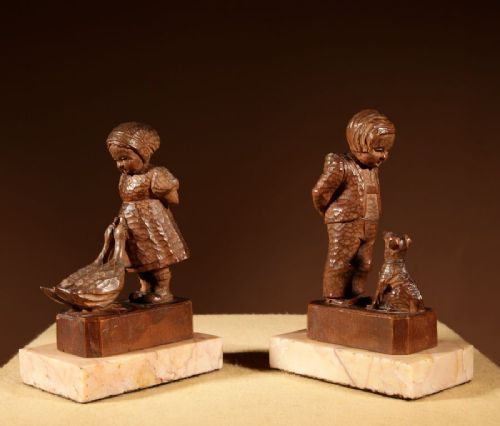

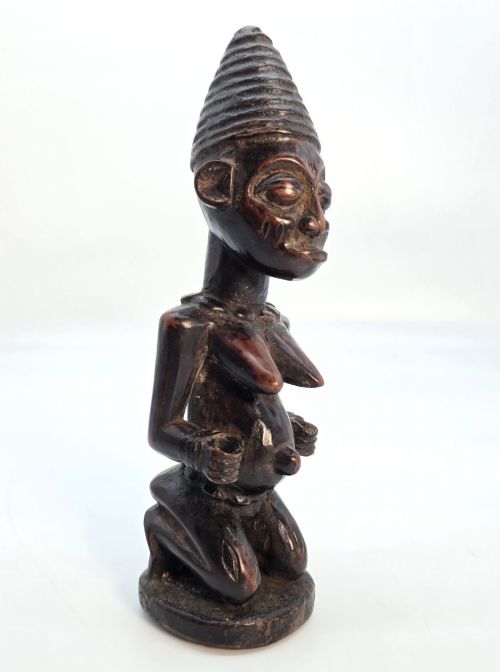

Carved Wooden Ornament
A carved wooden ornament brings texture and narrative indoors, ranging from quiet folk carvings to elaborate continental figures.
Carved Wooden Ornament
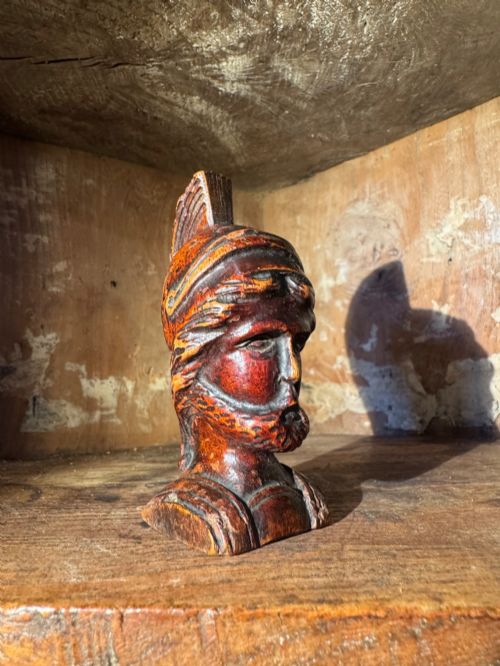
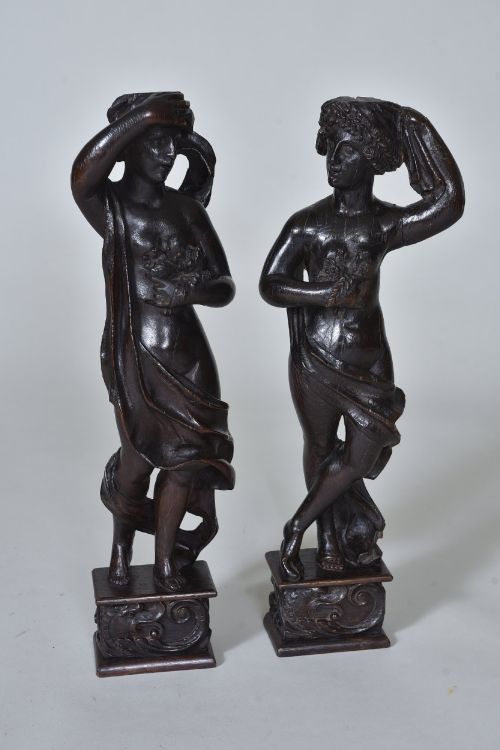
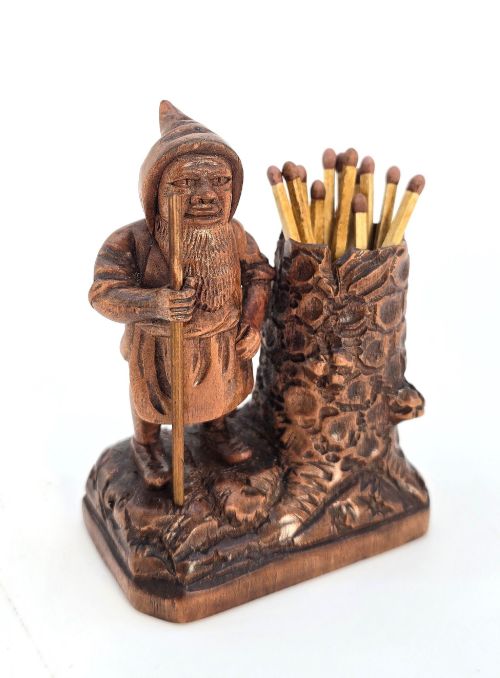
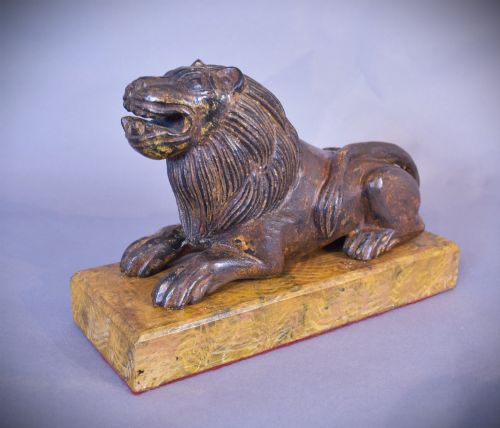
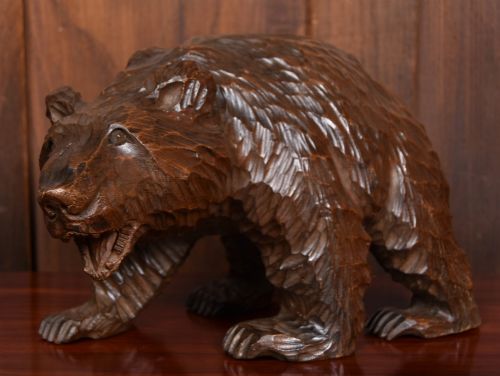
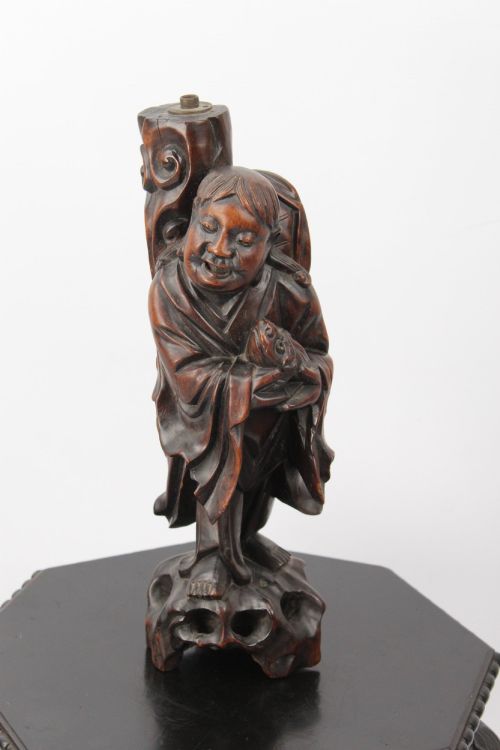
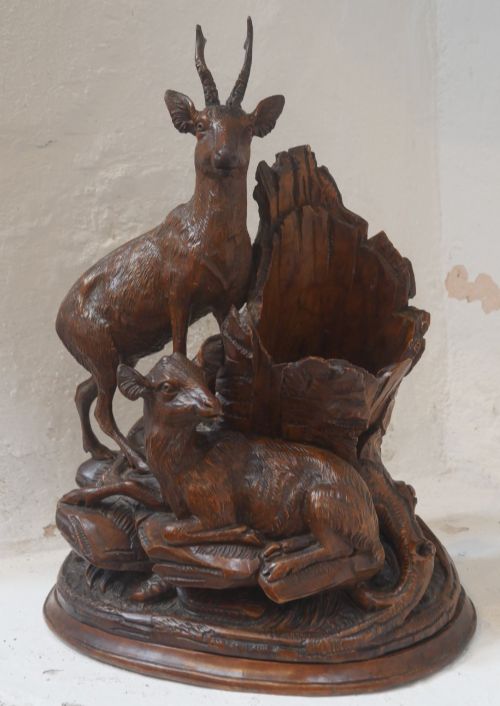
Continental workshops, particularly Black Forest and Japanese traditions, dominate the available forms, alongside domestic English oak pieces and Chinese hardwood sculptures. Buyers most frequently meet nineteenth-century decorative sculptures, ranging from naive painted horses to intricate wildlife groups.
The category bridges fine art and vernacular craft, taking shape as freestanding statues, architectural salvage, bookends, and theatrical props. Each piece reflects the utility, artistic ambition, or decorative taste of its originating period.
How they were made
Artisans carved these objects primarily from regional and imported woods, utilising durable timbers such as oak, walnut, teak, limewood, and general hardwood. Limewood and soft pine suited the deep undercut details of continental animal groups, while dense oak and walnut served structural architectural salvage and heavy figures.
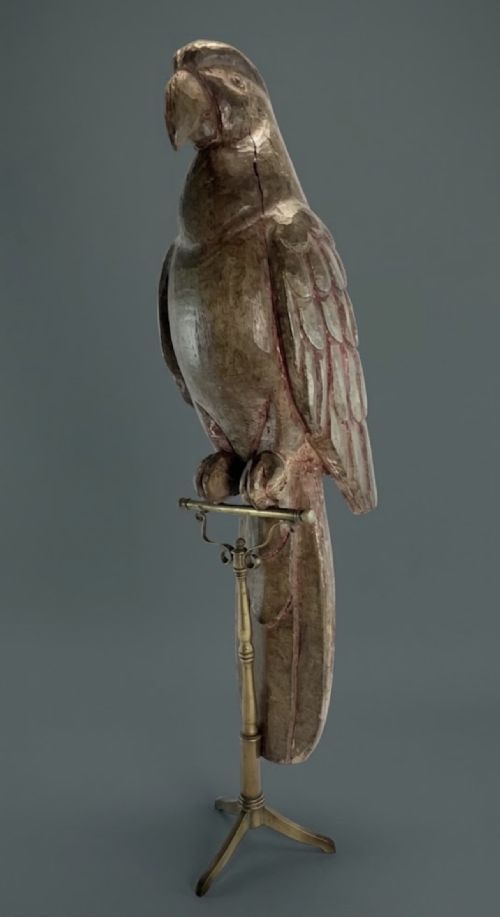
Makers shaped the timber using gouges, chisels, and knives, sometimes finishing surfaces with paint, mixed metal mounts, brass stands, or glass stud eyes. The resulting works demonstrate both refined academic carving and unpretentious folk craftsmanship.
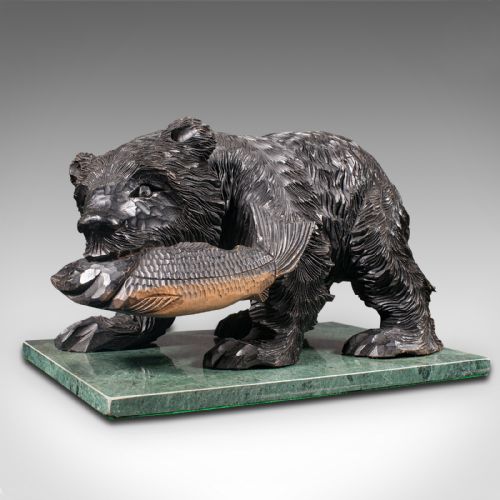
Bears appear with surprising frequency, captured carrying fish, holding books, or serving as inkwells.
What varies in quality
The standard of a carved wooden ornament rests upon the depth of the carving, the anatomical accuracy or stylistic commitment of the subject, and the preservation of the original surface. Master carvers achieved distinct textural variance in fur, feathers, and drapery, whereas lesser examples rely on flat planes and rigid repetition.
Patina and material integrity distinguish superior pieces, particularly where handling over generations has mellowed the exposed grain. The integration of secondary elements, such as brass stands, mixed metal mounts, or original painted finishes, further separates exceptional workshop production from basic decorative items.
The Carved Wooden Ornament Glossary
- Black Forest
- A regional style of nineteenth-century woodcarving originating from Switzerland and Germany, renowned for realistic animal sculptures, particularly bears.
- Architectural salvage
- Elements removed from buildings, such as ceiling bosses, finials, and medieval panels, repurposed as decorative objects.
- Folk art
- Utilitarian or decorative items created by self-taught or provincial makers, often displaying a naive or primitive aesthetic.
- Limewood
- A pale timber with a fine, even grain favored by European carvers for its suitability to intricate, detailed work without splitting.
- Kibori kuma
- A traditional style of Japanese wood-carved bear, originating from Hokkaido during the Meiji period.
Carved Wooden Ornament: Frequently Asked Questions
What is Black Forest woodcarving?
Black Forest woodcarvings are nineteenth and early twentieth-century decorative wooden objects originating from Central Europe. They depict wildlife and forest scenes with distinct realism.
The style is best known for bears acting as human-like figures on furniture, inkwells, and bookends. Workshops utilised limewood and walnut to achieve deeply textured fur and expressive postures.
How do I identify folk art wood?
Folk art wooden pieces display a naive or unpretentious approach to form, proportion, and surface finish. Makers often prioritized character and utility over academic precision.
These objects frequently feature original painted surfaces, simple chisel marks, and localized timbers. They differ from formal studio carvings through their charming asymmetry and direct construction.
What is architectural salvage?
Architectural salvage consists of rescued structural components from older buildings, such as ceiling bosses, decorative panels, and spire finials. These wooden fragments preserve historic craftsmanship.
Craftsmen shaped these pieces for specific buildings before later removal for preservation. They display the heavy timbers and hand-tool marks of earlier centuries.
How should I display wooden sculptures?
Display wooden sculptures in stable indoor environments away from direct sunlight and extreme temperature fluctuations. Consistent humidity prevents the timber from splitting.
Allowing sufficient space around each piece highlights the grain, tool marks, and three-dimensional form. Placing them on level surfaces protects delicate bases and projecting carved elements.