




Carved Wooden Mantelpiece
A carved wooden mantelpiece anchors a room with architectural weight, offering a traditional focal point that frames a fireplace or displays decorative objects.
Carved Wooden Mantelpiece
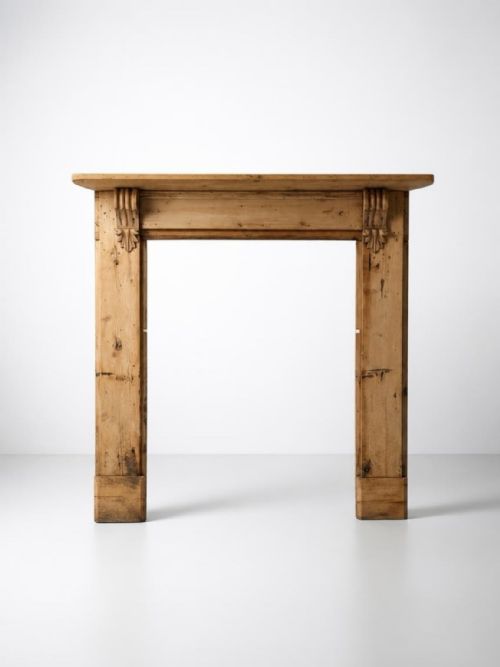
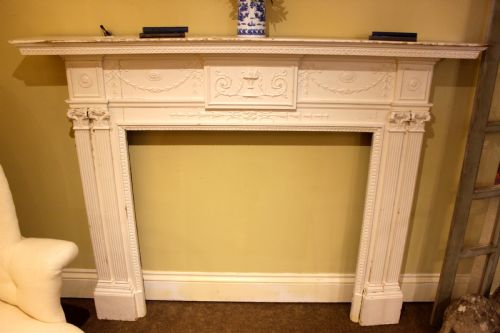
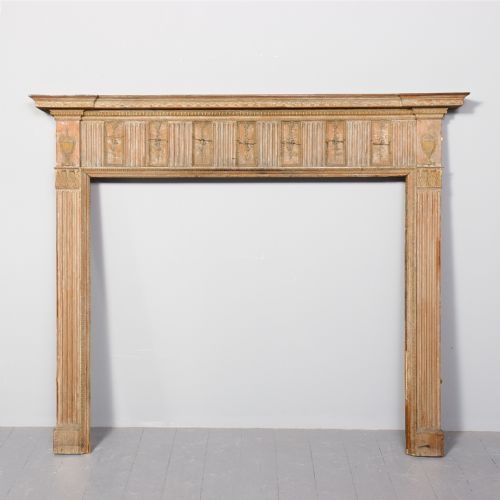
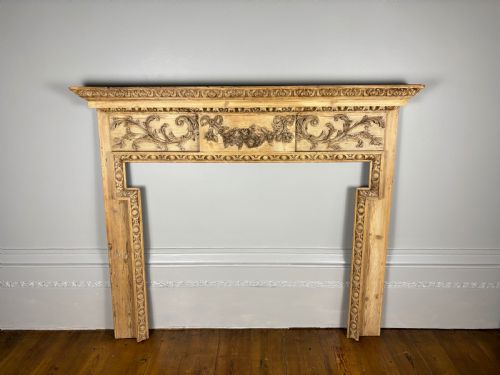
When buyers search for a carved wooden mantelpiece, they typically find architectural fireplace surrounds alongside related overmantel mirrors and bracket clocks sharing similar timber construction. The selection on this page draws primarily from the Victorian and Edwardian eras, reaching back into the Georgian and Regency periods through architectural salvage.
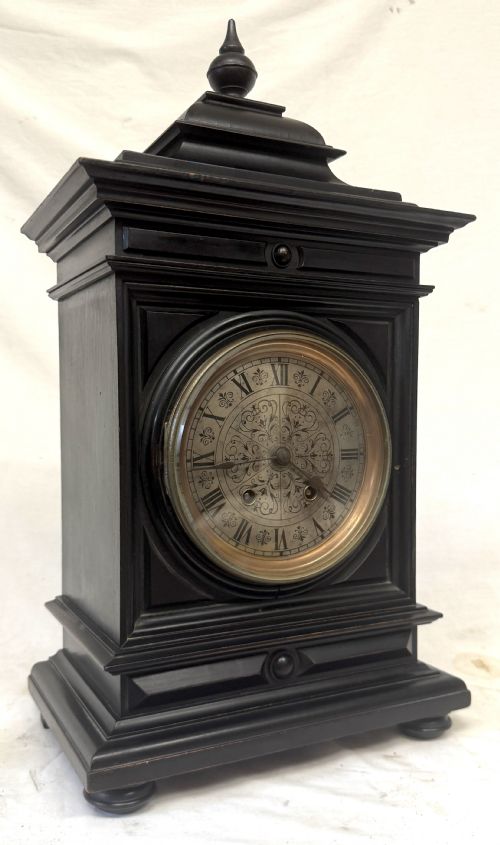
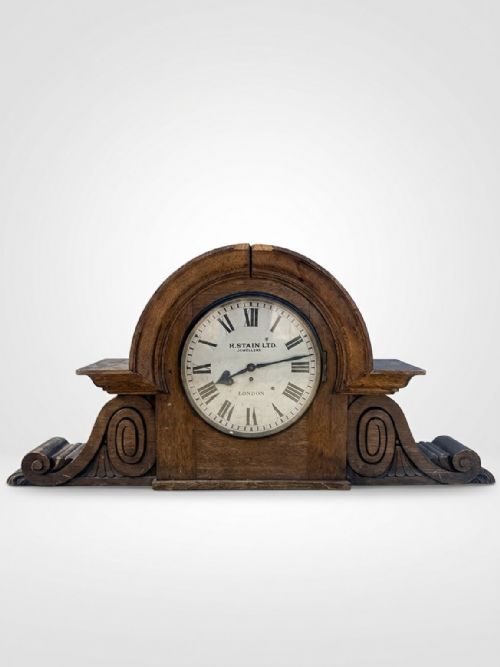
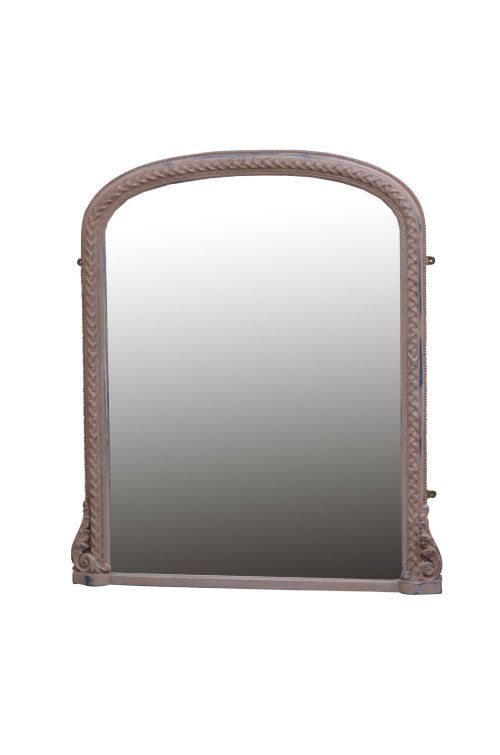
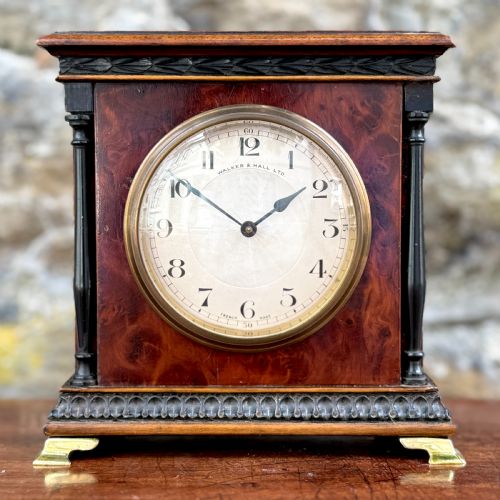
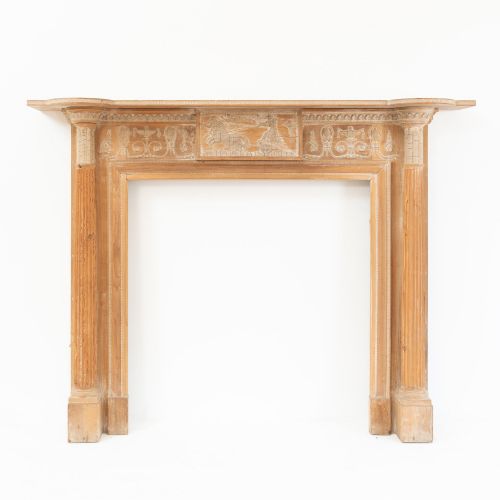
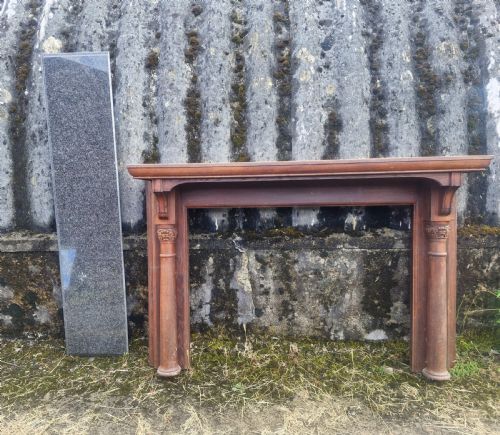
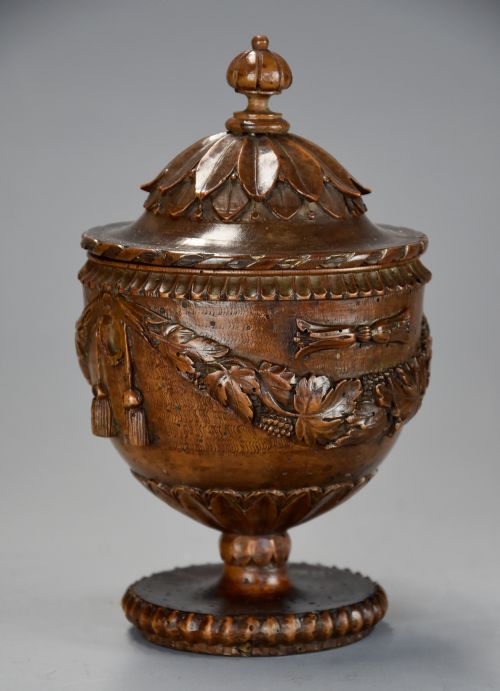
The assortment spans substantial pine and oak fireplace surrounds, hand-carved chimneypieces with gesso details, and framed mirrors designed to sit above hearths. Alongside architectural timberwork appear smaller domestic objects, including mantel clocks in mahogany and oak, folk art carvings, and decorative urns.
Originating across Britain and continental Europe, these pieces reflect the shifting design vocabulary of the nineteenth and early twentieth centuries. Surviving examples range from simple painted pine surrounds to elaborate architectural compositions with fretwork columns and carved mouldings.
How they were made
Makers utilised a range of domestic and imported timbers, predominantly pine, oak, mahogany, and walnut, often selecting pine for painted or gesso-coated architectural surrounds and denser hardwoods for clocks and mirrors. Gesso provided a smooth base for regilder's work and crisp architectural enrichment on pine mouldings.
Joinery techniques combined traditional mortise and tenon framing with hand-carved applied ornament, egg and dart motifs, and brass detailing. Painted finishes, ebonising, and gilt layers completed the surface treatment of both structural chimneypieces and decorative wall fittings.
Several items on the site demonstrate maritime leisure, featuring scratch-built ships and hand-carved wooden decoy ducks.
What varies in quality
Depth and crispness of hand-carved detail separate standard architectural joinery from exceptional craftsmanship, particularly in the rendering of classical motifs, foliage, and geometric patterns like egg and dart. The integrity of the underlying timber and the survival of original surface treatments, whether paint, polish, or gilt, dictate the archaeological and aesthetic standing of each surround.
Proportion and scale play a defining role in architectural pieces, where balanced dimensions and harmonious architectural orders indicate a higher design pedigree. Smaller objects such as bracket clocks and overmantel mirrors depend upon the quality of their movement housings, brass fittings, and secondary framing timbers.
Walker and Hall·Winterhalder and Hofmeier·Purvis of London·Christie of Perth·Sir Edwin Lutyens·Thomas Hope
The Carved Wooden Mantelpiece Glossary
- Chimneypiece
- An ornate framework surrounding a fireplace opening, encompassing both the mantel shelf and the vertical jambs. This term is frequently used interchangeably with fireplace surround.
- Overmantel mirror
- A large wall mirror specifically designed to hang or rest directly on the mantel shelf above a fireplace. These often incorporate gilt frames, wood mouldings, and brass detailing.
- Gesso
- A plaster-like mixture applied to wood surfaces as a base for paint or gilding. It allows craftsmen to carve intricate relief ornaments before finishing.
- Bracket clock
- A portable table or shelf clock traditionally designed to sit on a bracket or mantel. Examples often feature wooden cases in mahogany, oak, or ebonised finish with metal dials.
- Pier glass
- A tall mirror designed to hang on the wall space between windows, though the term also describes large vertical mantel mirrors in period interiors.
Carved Wooden Mantelpiece: Frequently Asked Questions
How do I choose the right size mantelpiece?
Measure the height and width of your fireplace opening and the surrounding wall space before selecting a surround. Consider the proportions of the room to ensure the mantel shelf does not overwhelm the hearth.
Architectural salvage pieces can sometimes be adjusted by a professional joiner, but matching the original proportions of the jambs and mantel header preserves the historical integrity of the design.
Are these mantelpieces suitable for modern working fireplaces?
Many antique timber surrounds were originally installed around coal or wood-burning hearths, but modern heat regulations require careful clearance from the firebox. Use non-combustible inner hearths and back panels to protect historical wood from excessive heat.
Consult a qualified installer to assess the thermal clearances required for your specific fireplace setup before fixing antique pine or oak surrounds in place.
How do I care for antique wood and gesso?
Dust regularly with a soft, dry cloth and avoid applying modern aerosol furniture polishes that can build up on historic finishes. Keep timber pieces away from direct heat sources and dramatic humidity fluctuations to prevent splitting.
Surrounds with gesso or gilt details require particular care, as moisture can soften the plaster ground and cause decorative elements to detach from the wood base.
How can I tell the period of a carved wooden mantelpiece?
Examine the stylistic vocabulary, such as the classical columns of Georgian design, the heavy proportions of Victorian pieces, or the cleaner lines of Edwardian and Art Nouveau work. Tool marks on the reverse and the type of secondary timbers used can also provide clues to the date of manufacture.
Nail types, screw heads, and construction methods offer further evidence, though many architectural elements were altered or repainted during subsequent domestic renovations.