
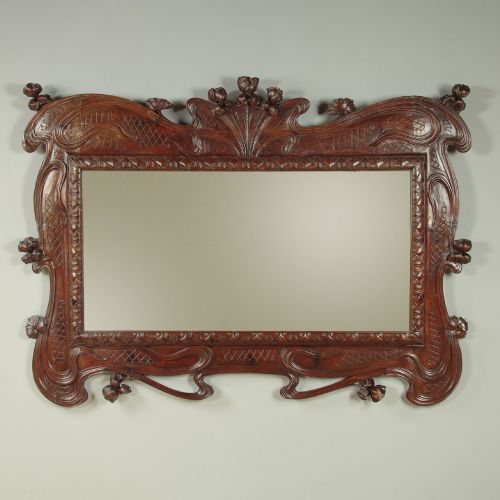

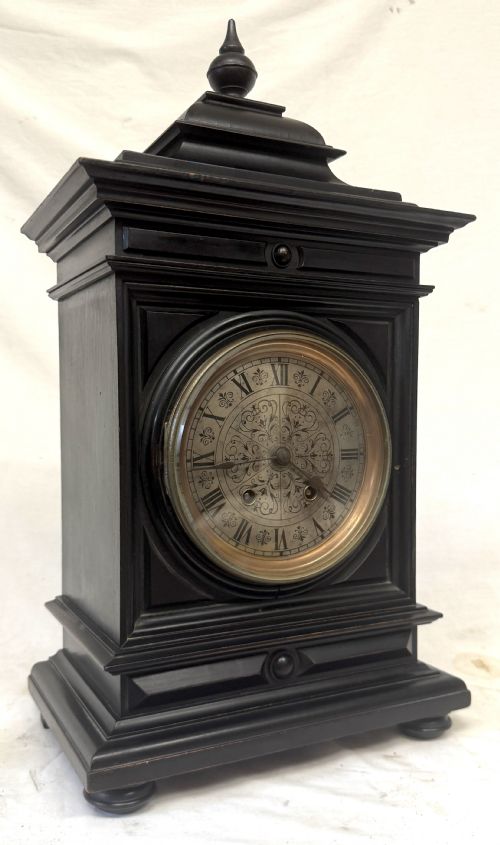
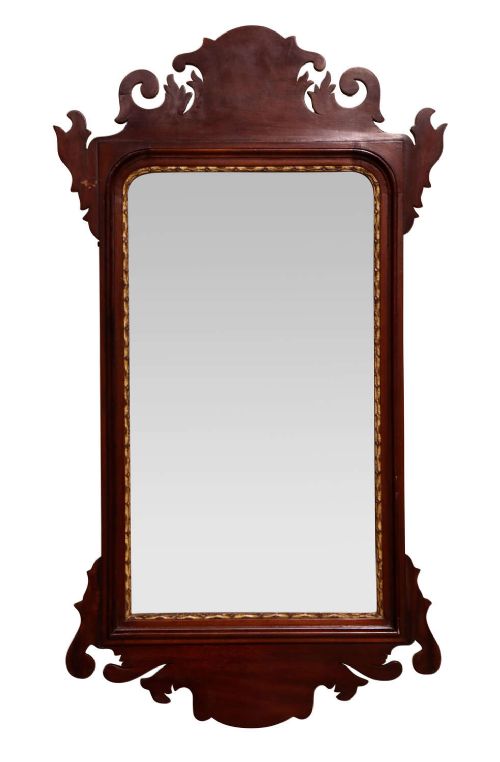
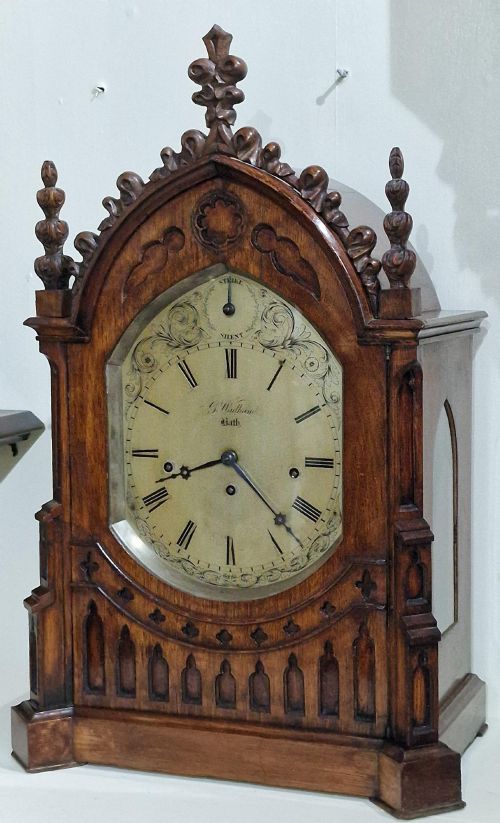
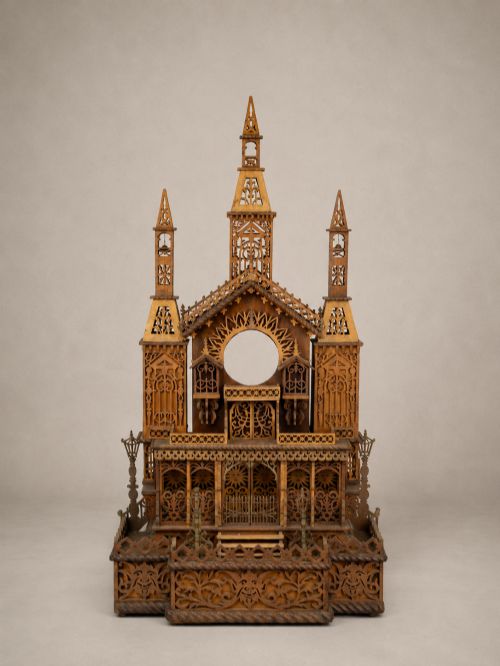
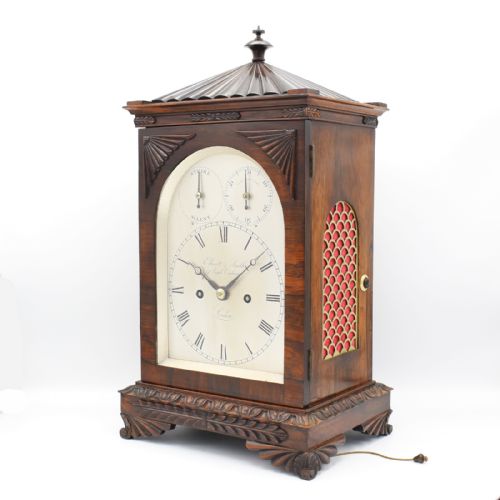
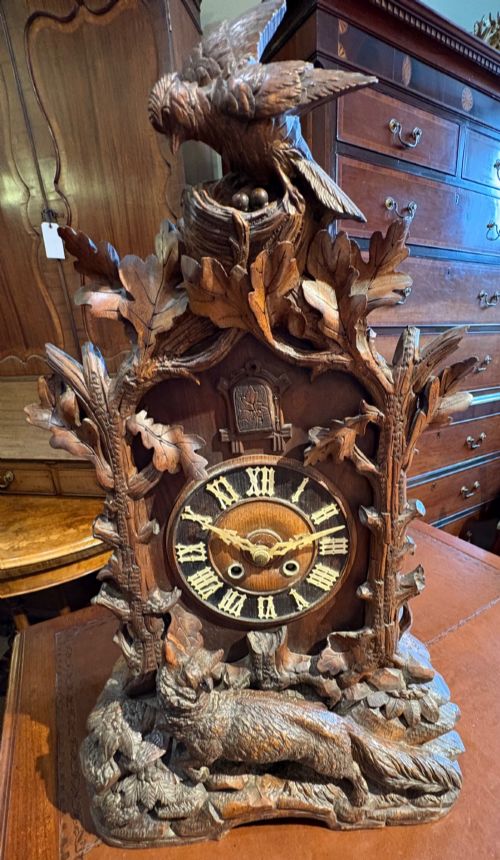
Carved Wooden Mantel
A carved wooden mantel anchors a room, bringing architectural presence and period character through crafted timber and traditional joinery.
Carved Wooden Mantel
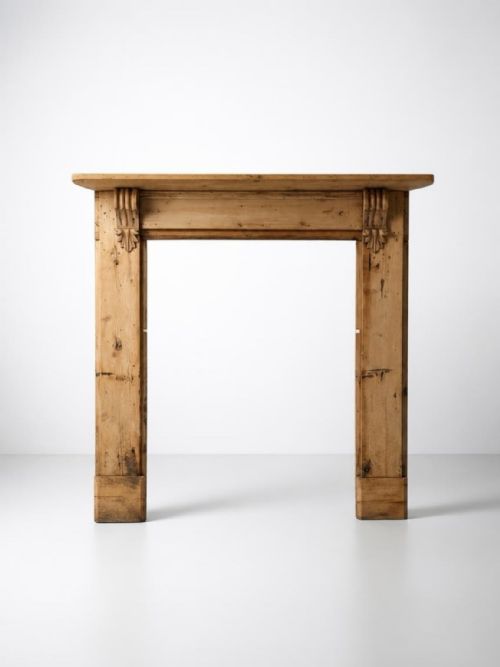
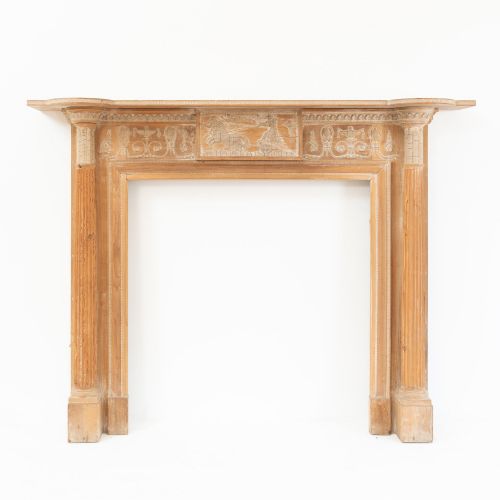
A carved wooden mantel search gathers architectural fire surrounds and fireplace surrounds from the Georgian, Victorian, and Edwardian periods. These wooden structures frame the hearth, serving as the visual centrepiece of a room.
The most frequent examples found here are pine, oak, and mahogany fire surrounds shaped by period joiners. They range from simple provincial mouldings to elaborate carved surfaces reflecting Georgian and Victorian tastes.
Materials and construction methods
Makers utilised native and imported hardwoods like oak, mahogany, and walnut alongside softer timbers such as pine and pitch pine. Gesso and gilt details frequently accent the timber framework on decorative examples.
Joinery techniques combined traditional mortise and tenon framing with hand-carved ornamentation applied to the timber surface. Mouldings and architectural details were shaped directly from the solid wood or built up with carved gesso.
Site listings demonstrate that carved wooden mantel designs span the Georgian, Victorian, and Edwardian periods, utilising pine, oak, and mahogany.
Distinguishing quality in timber mantels
Quality rests in the crispness of the hand carving and the selection of the timber grain. Superior pieces display deep, undercut carving executed with precision rather than shallow mechanical moulding.
Construction integrity defines the better examples, showing thoughtful timber selection that minimises warping and robust internal joinery designed to support heavy mantel shelves.
George Wadham·Ellicott and Smith·Winterhalder and Hofmeier·Mappin and Webb·Walker and Hall
The Carved Wooden Mantel Glossary
- Fire surround
- The architectural framework enclosing the sides and top of a fireplace opening. It typically consists of two jambs and a lintel or mantel tree.
- Gesso
- A plaster-like material applied to wood surfaces and carved or moulded into decorative relief details before gilding or painting.
- Mortise and tenon
- A traditional woodworking joint where a projecting tongue fits securely into a corresponding cavity to lock timbers together.
- Jamb
- The vertical post or side piece forming the structural frame of a doorway or fireplace surround.
Carved Wooden Mantel: Frequently Asked Questions
How do I measure for a wooden mantel?
Measure the height and width of the structural fireplace opening to ensure the inner dimensions of the surround clear the firebox safely. Account for hearth depth and surrounding wall space so the outer proportions balance the room.
Check the depth of the mantel shelf to ensure it projects correctly past any surrounding brickwork or protruding plaster. Professional fitters often recommend leaving a small tolerance around the inner aperture for safe installation.
How do I clean an antique wood mantel?
Dust the carved surfaces regularly with a soft, dry lint-free cloth to prevent dirt accumulation in the recessed details. Avoid modern silicone sprays and harsh chemical cleaners that strip historical finishes.
Apply a microcrystalline wax sparingly if the timber appears dry, buffing gently after application to restore a natural sheen. Test any cleaning product on a hidden area underneath the mantel shelf first.
Can I paint an unpainted antique mantel?
Historic timber surrounds often retain their original waxed, polished, or stripped pine surfaces which define their period character. Applying modern paint finishes permanently alters the historical integrity of the wood.
If a surround was painted originally in period pigments, consult a specialist before undertaking restoration work. Contemporary emulsion paints can trap moisture within older timber if applied incorrectly.
How do I identify the period of a mantel?
Examine the tool marks, timber species, and stylistic vocabulary used in the carved ornament. Georgian surrounds often feature classical motifs like dentil moulding, while Victorian examples lean towards heavier proportions and Gothic or Renaissance revival details.
Compare the construction methods and fastener types visible on the reverse of the timber. Hand-cut joinery and early screw types help narrow down the manufacturing decade alongside stylistic shifts.