
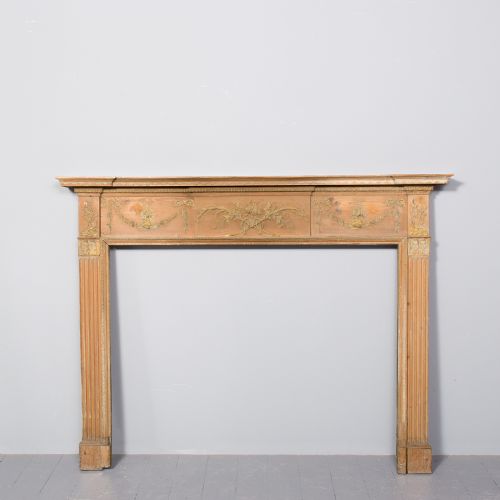


Architectural Salvage Fire Surround
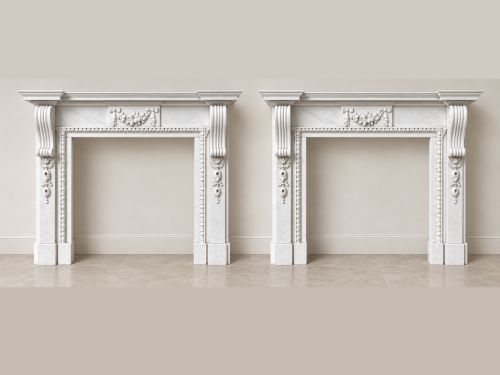
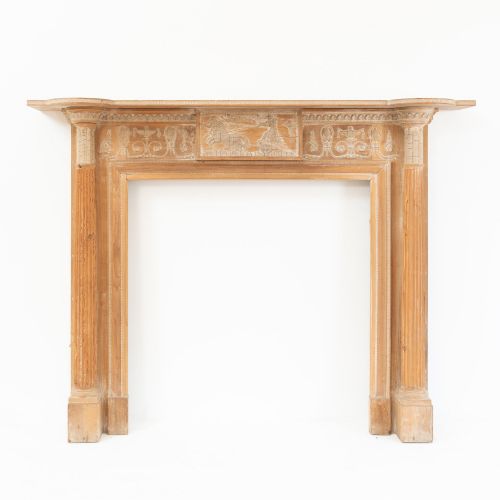
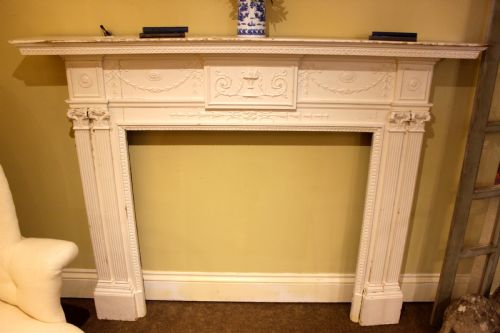
These architectural salvage fire surround pieces bring period presence to a room, ranging from grand stone mantels to carved pine and marble.
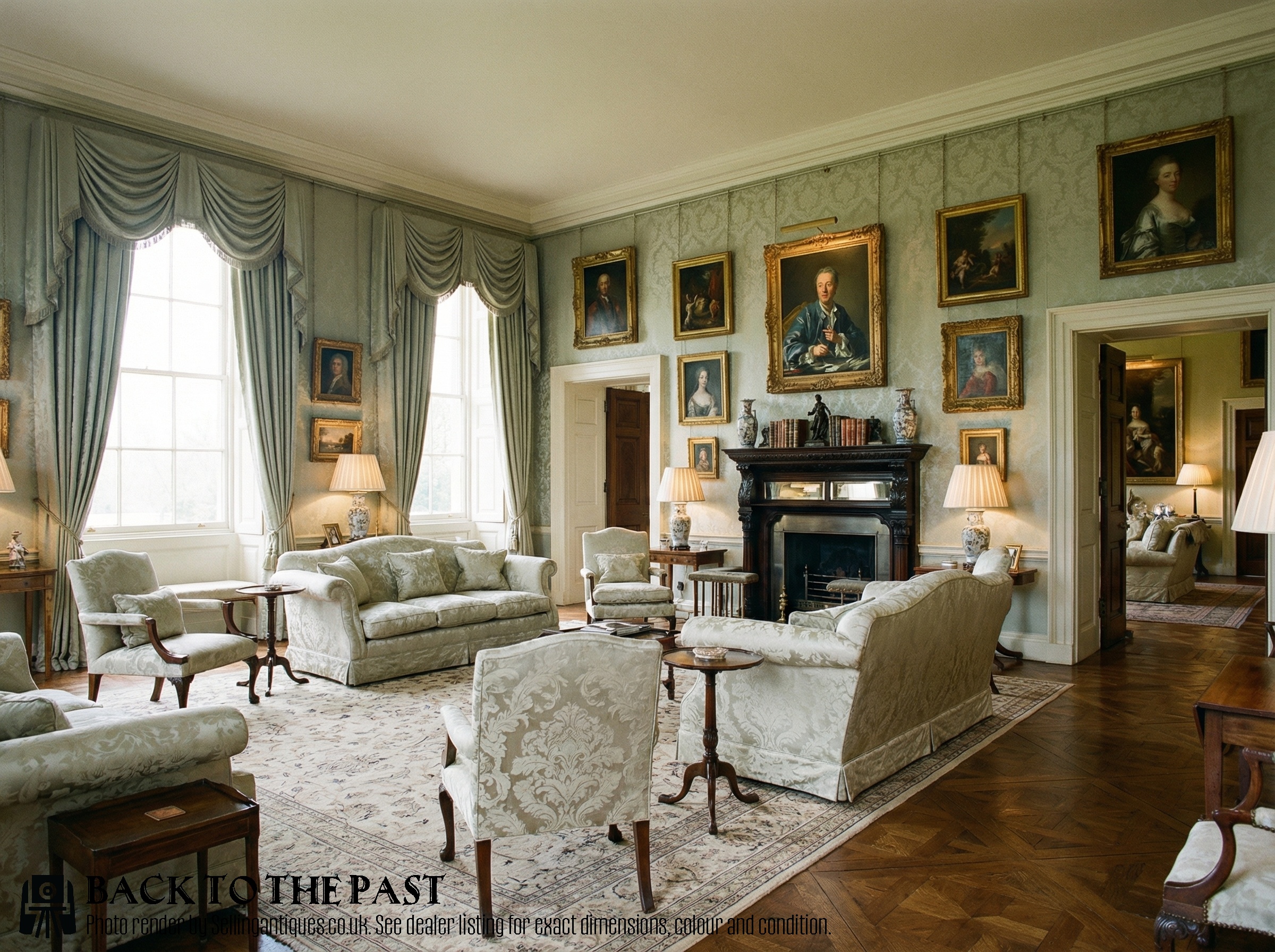
Architectural Salvage Fire Surround
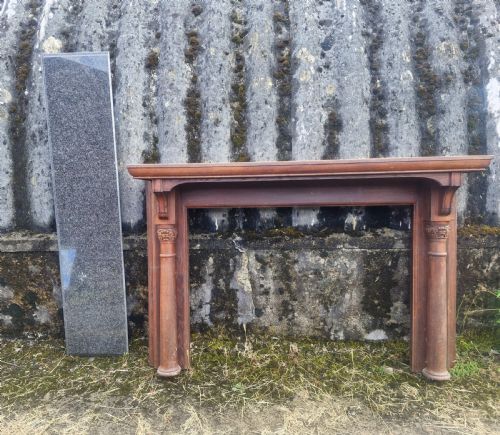
An architectural salvage fire surround is a salvaged chimney piece or mantel used to frame a hearth, drawn from periods spanning the eighteenth century through to the nineteen-thirties. You will find timber versions in pine and oak, alongside heavy examples in white marble, stone, and granite.
The selections available here lean heavily towards Victorian and Edwardian examples, alongside earlier Georgian and George III pieces. Forms vary from simple painted pine mantels to elaborate carved marble frames and nineteen-thirties Art Deco designs.
Makers and origins remain largely anonymous in this category, with pieces distinguished instead by regional materials, period carving styles, and architectural proportions.
Materials and construction
Carpenters and masons shaped these surrounds from dense timbers like pine and oak, often applying carved gesso detail or decorative paint finishes. Stonemasons worked with white marble, granite, and solid stone to construct heavier neoclassical and Victorian frames.
Metal elements such as brass or ormolu appear as insets or decorative mounts within the overall architectural structure, complementing the carved stonework and woodwork.
Styles represented include Georgian, George III, Victorian Neoclassical, Edwardian, and Art Deco.
Assessing quality and character
Quality in an architectural salvage fire surround rests on the crispness of the hand-carved detail in the marble, stone, or wood. Finer pieces display deep relief work and well-proportioned neoclassical or Edwardian architectural lines rather than flat, machine-cut surfaces.
The integrity of the original material dictates the standing of a piece, whether it is a heavily grained 18th-century stone block or a finely preserved George III gesso mantelpiece. Honest surface wear and patination on old pine or painted finishes carry more visual weight than crude modern restoration.
The Architectural Salvage Fire Surround Glossary
- Gesso
- A plaster-like material applied to wood and carved into detailed decorative mouldings before being painted or gilded. It was widely used on Georgian and earlier wooden mantelpieces.
- Ormolu
- Gilded bronze used for decorative mounts and fireplace inserts, providing a bright metallic contrast against dark stone or timber.
- Statuary marble
- A fine-grained, pure white marble favoured by stonemasons for classical Victorian and Edwardian fireplace surrounds.
- Chimney piece
- A traditional term for the complete architectural surround and mantel framing a fireplace opening.
- Neoclassical
- A decorative style drawing on classical Greek and Roman architecture, characterised by symmetry, straight lines, and classical motifs.
Architectural Salvage Fire Surround: Frequently Asked Questions
How do I choose the right size?
Measure the height and width of your fireplace opening before browsing. Salvage surrounds come in various proportions that must match the hearth space.
Check the internal rebate dimensions provided in listings to ensure the surround fits securely over your existing insert or wall space.
Can I paint a wooden surround?
Many pine and softwood surrounds were historically painted or finished with gesso. You can repaint them to suit modern interior colour schemes.
Stripping back old paint layers reveals the natural grain of pine or oak if you prefer a timber finish.
How are marble surrounds cleaned?
White marble requires gentle cleaning with warm water and a soft cloth to avoid scratching the polished surface. Avoid acidic household cleaners that can etch the stone.
Stubborn marks on salvage marble may need specialist poultice treatments depending on the depth of the staining.
Are these surrounds heavy?
Stone and marble surrounds are extremely heavy and require professional handling and installation. Wooden examples in pine and oak are lighter but still need secure wall fixing.
Ensure your floor structure can support the weight of heavy stone or marble mantels.