



Edwardian Oak Mantle
These edwardian oak mantle pieces combine sturdy native timber with period craftsmanship, offering a practical way to anchor a room's focal point.
Edwardian Oak Mantle
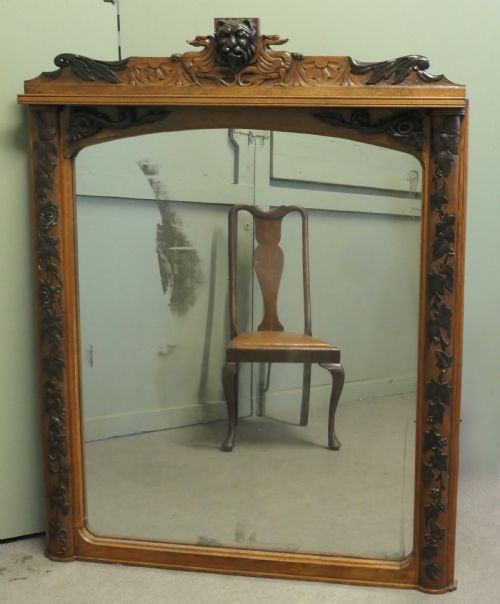
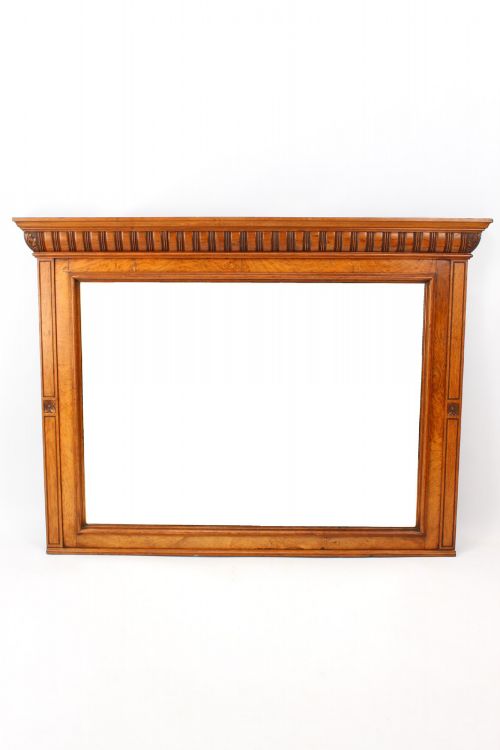
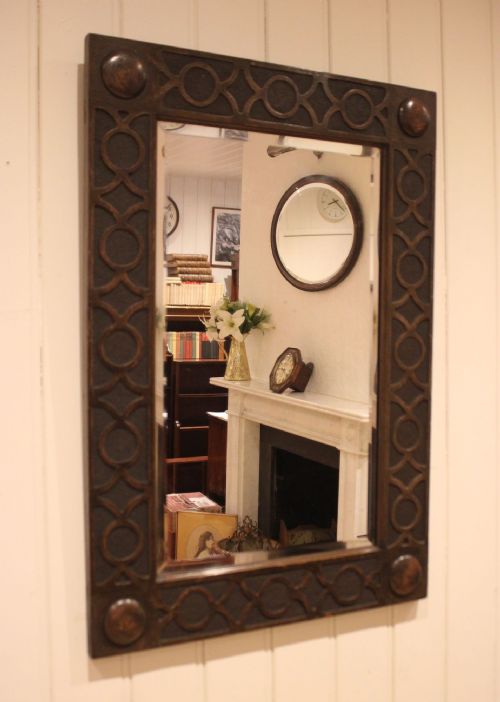
The versions you are most likely to meet on this page span the Edwardian period alongside related Victorian, Arts and Crafts and Art Deco examples. They range from simple rectangular wall mirrors to large carved overmantel mirrors designed to sit above a fireplace.
Mantle clocks also appear within this category, featuring timepieces housed in oak cases with decorative elements like fan marquetry inlay or parcel-gilt details. Each item serves either a decorative function on a wall or a practical role on a mantelpiece.
How they were made
Makers utilised solid oak and oak veneers as the primary substrate, often selecting timber with pronounced grain patterns to highlight the natural material. Carving served as a common decorative technique, producing leaf motifs, geometric borders and architectural mouldings across mirrors and clock surrounds.
Glass plates, brass fittings and enamel dials frequently complement the woodwork. Mirrors incorporate bevelled glass edges, while clocks rely on brass movements such as Ting-Tang and quarter-striking mechanisms fitted inside the wooden housings.
Listings feature oak combined with brass, glass, giltwood, mirror, parcel gilt and enamel across Victorian, Edwardian and Art Deco periods.
What varies in quality
The standard of carving distinguishes standard production pieces from finer examples, with hand-chiselled depth and crispness indicating superior workmanship. Heavier, larger frames and robust architectural proportions generally reflect more ambitious manufacturing standards.
Material selection and secondary embellishments also determine the tier of an object, such as the inclusion of fine fan marquetry inlay, parcel-gilt highlights or quality brass clock movements. Intricate details like bevelled mirror glass and enamel clock dials suggest a higher original cost.
Jas Whitelaw of Edinburgh·W&H
The Edwardian Oak Mantle Glossary
- Overmantel mirror
- A large mirror designed to hang or rest upon the mantelpiece above a fireplace. These pieces often feature extended frames or integrated shelving.
- Marquetry
- Decorative woodwork where small pieces of veneer are fitted together to form geometric patterns or pictorial designs. Edwardian clock cases frequently employ fan motifs using this technique.
- Parcel-gilt
- Wood or metal partially coated with gold leaf or gilt paint to highlight specific carved details. This treatment contrasts against the darker tones of the oak.
- Ting-Tang
- A type of clock strike mechanism involving two hammers hitting two bells to mark the quarters or hours. It produces a distinctive dual-tone chime.
- Bevelled glass
- A mirror glass plate with an angled, polished edge that catches the light. This finish adds depth and visual interest to wall and overmantel mirrors.
Edwardian Oak Mantle: Frequently Asked Questions
What is an overmantel mirror?
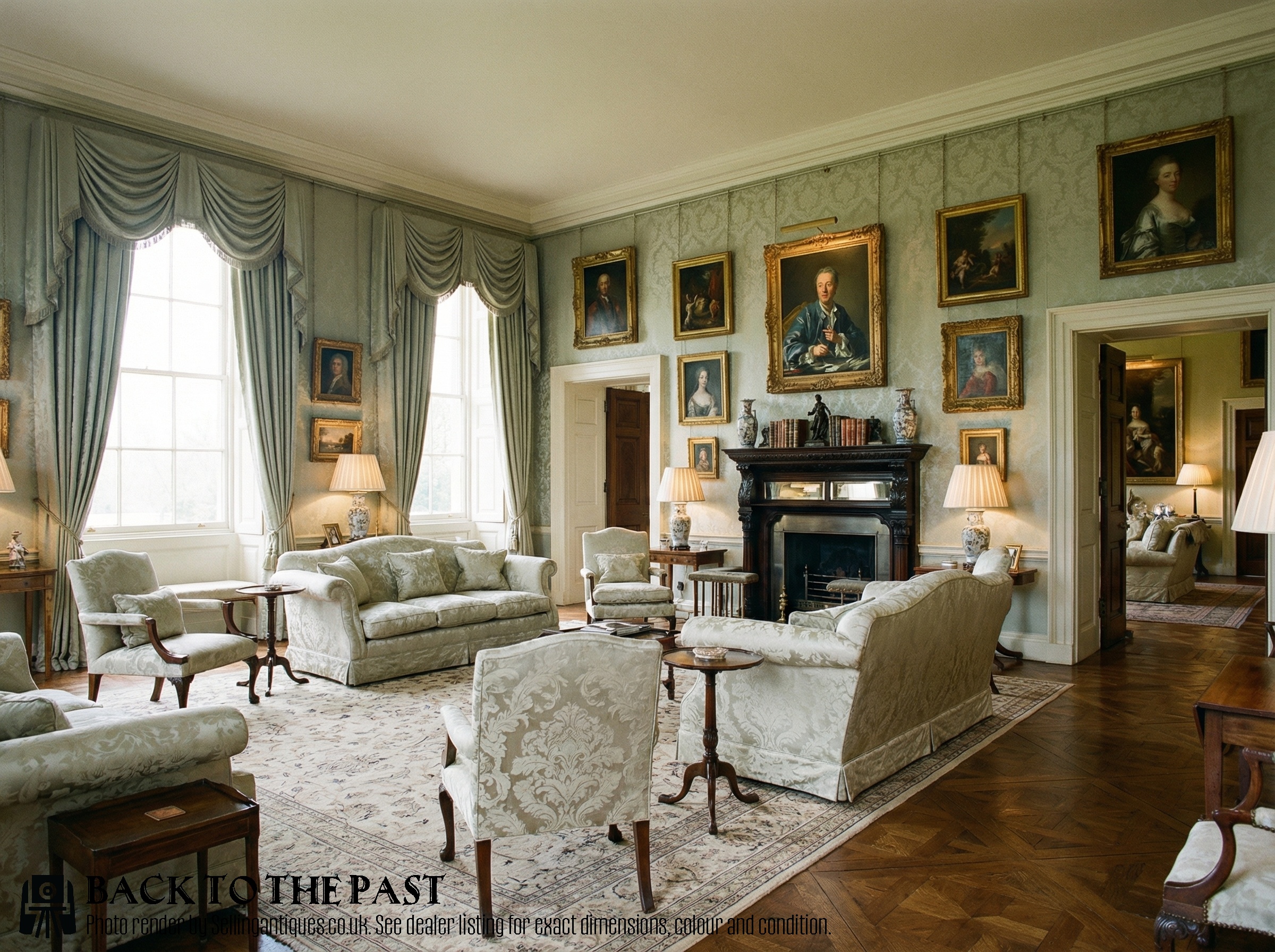
An overmantel mirror is a large wall-hanging or resting glass frame designed specifically to sit directly above a fireplace opening. They traditionally served to reflect light into the room and fill the vertical space beneath the ceiling.
In period interiors, these mirrors anchored the fireplace arrangement and coordinated with the woodwork of the mantelpiece. Today, they function similarly in living spaces and dining rooms.
How do I identify Edwardian oak?
Edwardian oak items usually display lighter natural tones compared to the darker, heavier finishes common in mid-Victorian furniture. The timber often shows straight grain patterns alongside subtle decorative carving or inlaid veneers.
Examining the construction methods, such as the style of mirror backing or clock movement, helps confirm the period. Arts and Crafts influences also appear frequently in pieces from this era.
How do I care for oak mantle pieces?
Keep wooden frames and clock cases away from direct heat sources and strong sunlight to prevent the timber from drying out or warping. Dust the surfaces regularly with a dry, soft cloth.
Avoid using silicone-based polishes, opting instead for traditional beeswax occasionally to nourish the grain. Ensure mirror glass is cleaned with a mild glass cleaner applied to a cloth rather than sprayed directly.
Where should I place a wall mirror?
Wall mirrors work effectively opposite windows to maximise natural light distribution and create a sense of expanded space in smaller rooms. They also anchor empty wall sections above sideboards or hallways.
Ensure the wall fixings match the weight of the heavier oak frames, particularly for large carved overmantel designs. Professional hanging hardware provides the necessary security for substantial wooden pieces.