


Carved Wooden Light Bases
These carved wooden light bases bring sculptural weight and warm grain to a room, ranging from grand floor standards to compact table pieces.
Carved Wooden Light Bases
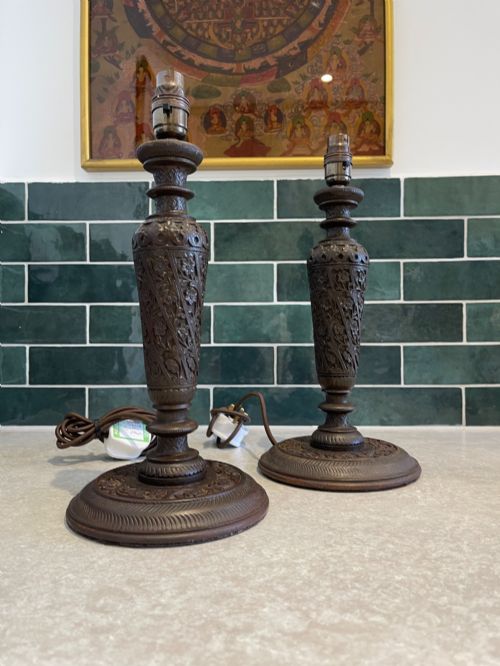
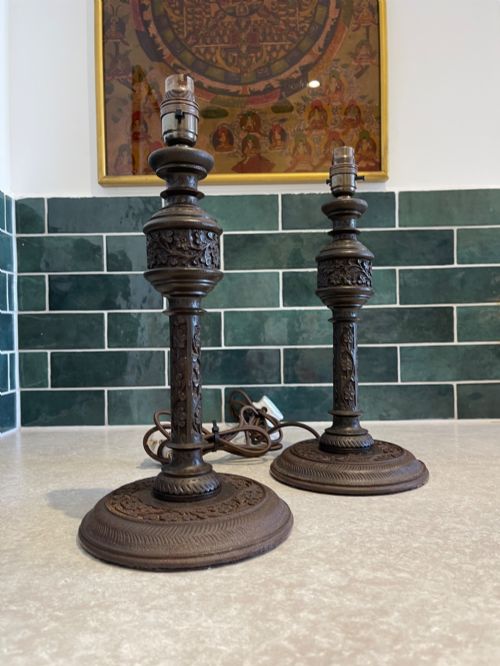
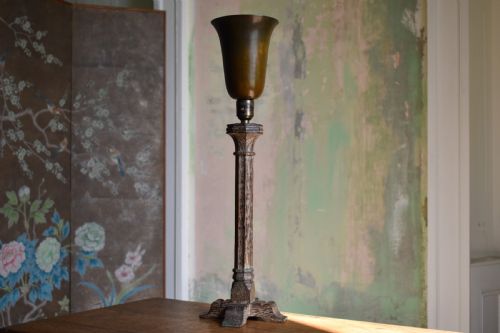
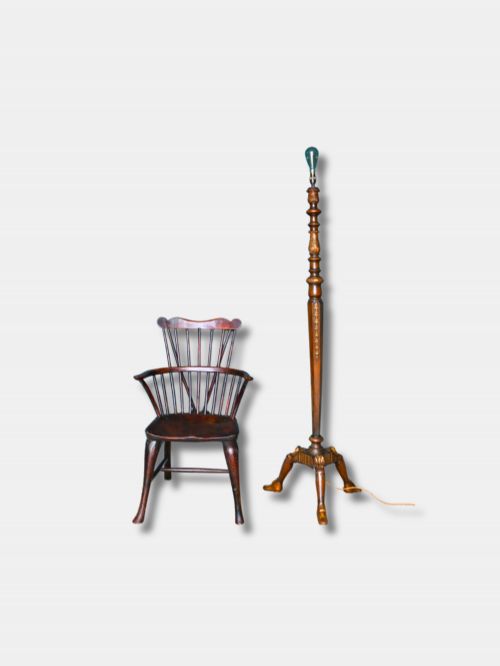
Carved wooden light bases serve as the structural foundation for lamps, transforming functional lighting into substantial decorative objects. When exploring carved wooden light bases, buyers encounter diverse forms shaped from timber, ranging from towering standard lamps for floor placement to smaller table lamps and converted candlesticks.
The selection includes pieces originating from various global traditions and periods, spanning 17th-century European craftsmanship to 20th-century interpretations. Standard lamps and table lamp conversions dominate the offerings, often utilising turned timber, figural carving, or architectural profiles.
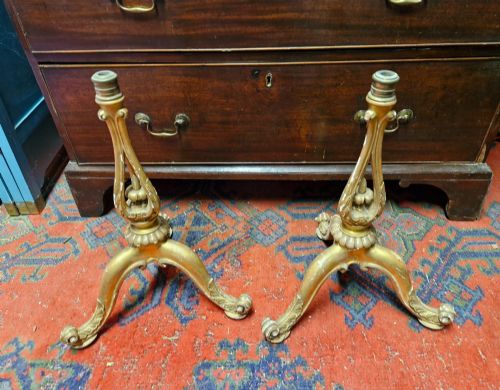
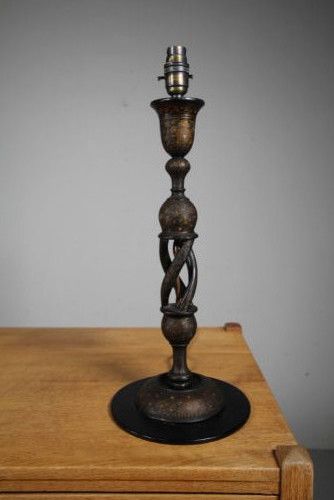
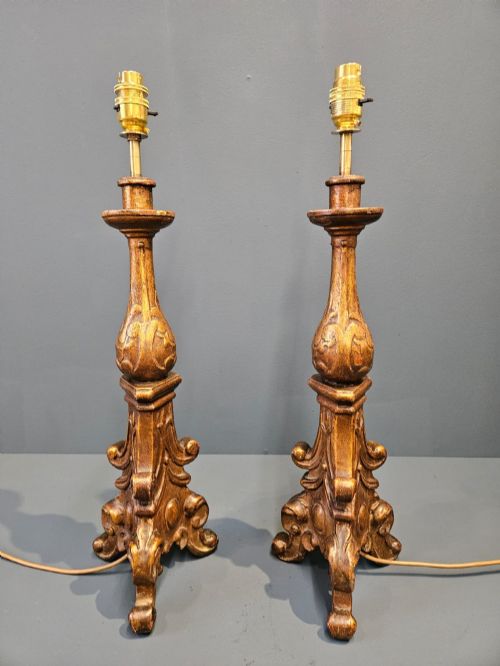
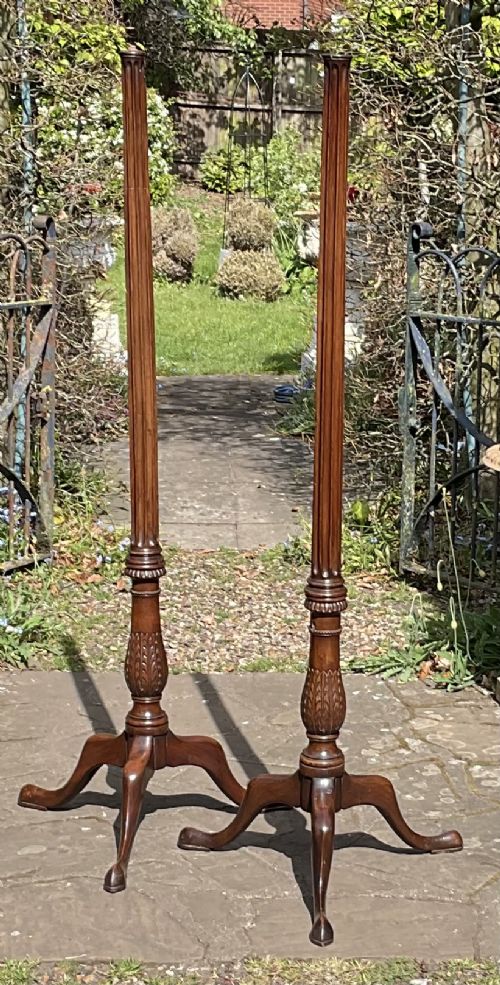
Regional styles introduce distinct regional characteristics, such as the intricate twists of Kashmiri work, the bold forms of Italian Baroque torchieres, and the organic contours of Chinese root wood. Buyers frequently select pairs of matching bases designed to anchor symmetrical console or sideboard arrangements.
How they were made
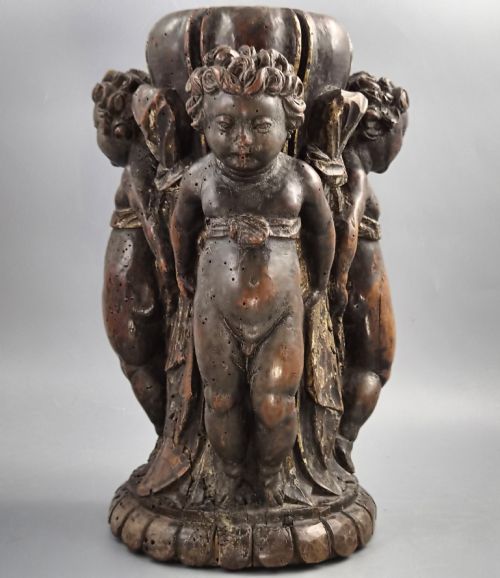
Makers shaped these light bases primarily from hardwoods like oak, walnut, and mahogany, alongside softer pines and exotic root woods. Woodcarvers employed hand chisels and gouges to realise intricate details, ranging from cherubs and putti to flowing floral motifs.
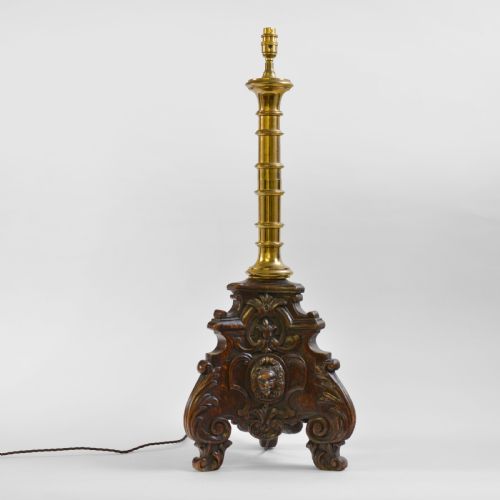
Surface treatments frequently involved gilding, gesso application, silver leaf, or liming to enhance the grain and texture of the wood. Many older items began life as candlesticks, torchieres, or decorative vases before receiving electrical wiring in later decades.
Listings feature woods such as oak, walnut, mahogany, and pine, spanning periods from the 17th century to the 1930s.
What varies in quality
Depth and precision of the carving separate standard turned items from exceptional sculptural works, particularly where human figures or complex foliage are involved. The choice of timber and the preservation of original surface finishes, such as early gilding or patinated oak, heavily influence the visual impact.
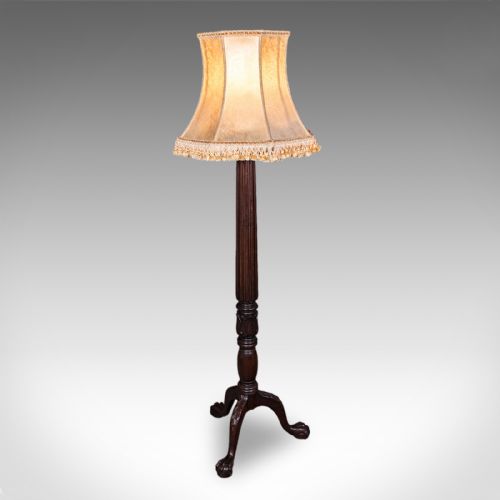
Proportion and stability matter immensely in taller floor standards, where a well-balanced tripod base or heavy socle ensures structural integrity. The integration of electrical components into historical wooden bodies also reflects the thoughtfulness of past conversions.
The Carved Wooden Light Bases Glossary
- Torchiere
- A tall standing candlestick or lamp designed to direct light upwards. These pieces often feature decorative columns and tripod supports.
- Socle
- A short plinth or pedestal supporting a statue, candlestick, or lamp base. It provides a stable footing and elevates the main carved body.
- Giltwood
- Wood that has been coated with gold leaf or gold paint. This technique adds a reflective, luxurious finish to carved details.
- Root wood
- Timber sourced from the root system of a tree, prized for its gnarled, twisting grain patterns. It is frequently utilised in Asian and colonial furniture and lamp bases.
- Gesso
- A plaster-like mixture applied to wood surfaces as a base for paint or gilding. It allows carvers to create sharp, refined details before applying metallic leaf.
Carved Wooden Light Bases: Frequently Asked Questions
How do I choose a standard lamp?
Consider the height and weight distribution of the base to ensure it stands securely on your floor surface. Match the timber tone and decorative style, such as oak or gilded revival, to your existing furniture.
Check whether the wiring has been updated for modern safety standards while preserving the historical integrity of the wooden body.
Can antique candlesticks become lamps?
Many wooden candlesticks and torchieres are adapted into lamps to combine historical craftsmanship with practical home lighting. This conversion process usually involves running a cord through the centre or discreetly alongside the shaft.
Look for expert adaptations that avoid causing structural damage to the original timber carving.
How do I clean carved wooden bases?
Dust the carved crevices gently with a soft, dry brush to prevent dirt buildup in intricate details. Avoid harsh chemical cleaners or excessive moisture, which can damage aged wood and delicate surface gilding.
Apply a suitable microcrystalline wax occasionally if the timber appears dry, following the natural grain of the wood.
What periods do these bases span?
The available pieces stretch from the seventeenth century through the Victorian era and into the early twentieth century. Each period brings distinct carving techniques and stylistic influences, such as Baroque curves or Arts and Crafts simplicity.
Appreciating these eras helps buyers place a specific lamp within its historical context.