




Vintage Oak Lamp Bases
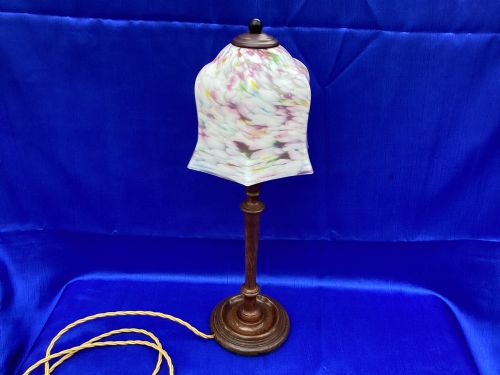
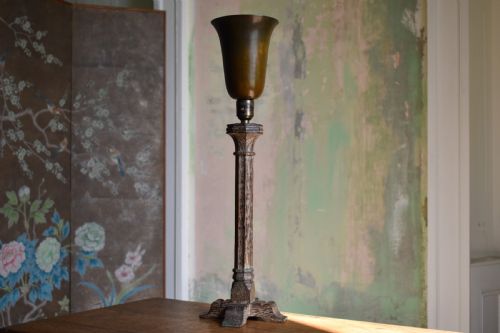
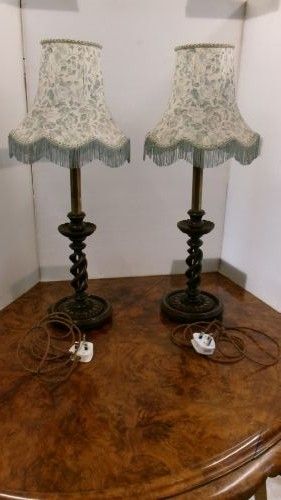
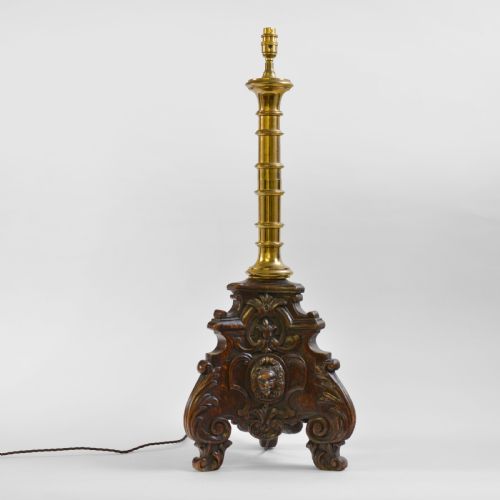
These vintage oak lamp bases bring warmth and character to a room, turning sturdy timber into functional lighting.
Vintage Oak Lamp Bases
Vintage oak lamp bases encompass a range of sturdy wooden lighting pieces derived from different periods of manufacture. When searching for vintage oak lamp bases, buyers encounter forms that span from early carved interpretations to streamlined twentieth-century designs.
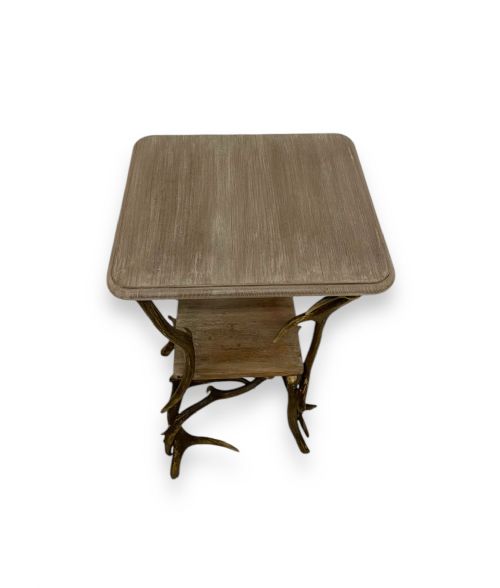
While some pieces begin life as furniture or architectural elements before conversion into lighting, others are made specifically as standard lamps and table lamps. The variety includes both towering floor-standing columns and compact table models.
Materials and construction
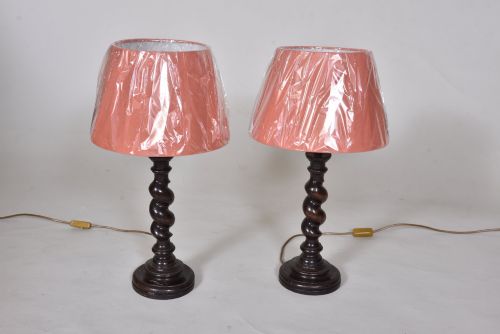
Construction relies heavily on solid oak, frequently paired with brass hardware and occasionally accented with ebony or fabric shades. Wood is turned on a lathe or carved by hand, utilising the dense grain of the timber to create durable vertical columns.
Surface treatments vary from limed finishes and golden oak polishes to darker patinas developed over centuries. Joinery techniques reflect the period of origin, from traditional pegged joints in earlier centuries to later twentieth-century assembly.
Some unsuspecting table lamps secretly began life as stern wooden caryatids holding up the ceiling before finding a second career lighting a reading nook.
Assessing quality and detail
Quality rests in the crispness of the carving and the stability of the timber used for the vertical shaft. Superior examples display thoughtful proportions and careful turning rather than rushed mass production.
The integrity of the original wood grain and the richness of the polished finish distinguish finer specimens. Details such as stepped bases or figural carvings elevate standard utilitarian lighting into notable decorative objects.
The Vintage Oak Lamp Bases Glossary
- Standard lamp
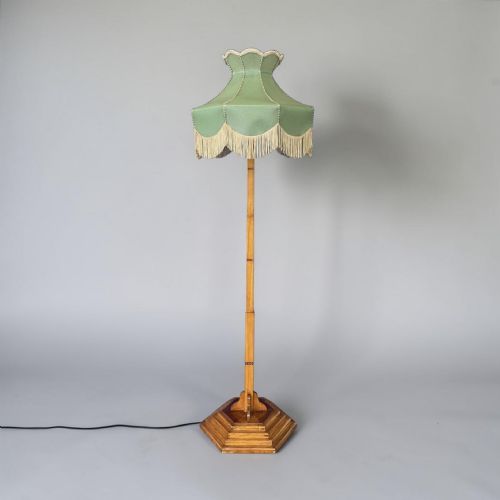
- A tall floor-standing lamp designed to illuminate a room from a corner or beside seating. These pieces often feature weighty circular or stepped bases to ensure stability.
- Art Deco
- A design style from the early twentieth century characterised by geometric shapes, streamlined forms, and a rejection of traditional floral motifs. Pieces from this era often utilise golden oak alongside contrasting materials like ebony.
- Arts and Crafts
- A movement emphasising traditional craftsmanship, visible construction, and simple forms inspired by medieval design. Lamp bases from this tradition highlight the natural grain and texture of the oak.
- Turning
- A woodworking technique where a piece of wood is rotated on a lathe while a tool is applied to shape it. This method creates symmetrical circular columns and decorative profiles for lamp stems.
Vintage Oak Lamp Bases: Frequently Asked Questions
How do I choose between a floor lamp and a table lamp?
Floor-standing models, often called standard lamps, provide ambient room lighting and suit placement beside armchairs or in corners. Table versions sit lower on side furniture to create focused pools of light.
Consider the scale of the room and the existing furniture before deciding which height suits the intended spot best.
Are these lamps converted from older items?
Some pieces originate as architectural fragments, candle stands, or table elements before being adapted for modern electrical wiring. This practice preserves historical woodwork while giving it a new function in a contemporary home.
Look closely at the proportions and wiring exits to understand how the conversion was achieved.
How do I care for vintage oak wood?
Dust the timber regularly with a soft, dry cloth to prevent a buildup of grime on carved surfaces and turnings. Avoid using modern aerosol polishes, which can leave a sticky residue and dull the natural patina.
Apply a traditional beeswax occasionally to nourish the oak and maintain a soft sheen.
How can I tell the period of an oak lamp base?
Examine the style of the carving, the turning profile, and the finish of the timber to gauge its age. Seventeenth-century examples often show deep hand-carving, while 1930s pieces lean towards geometric Art Deco lines.
Matching the construction details to known historical periods helps narrow down the decade of manufacture.