
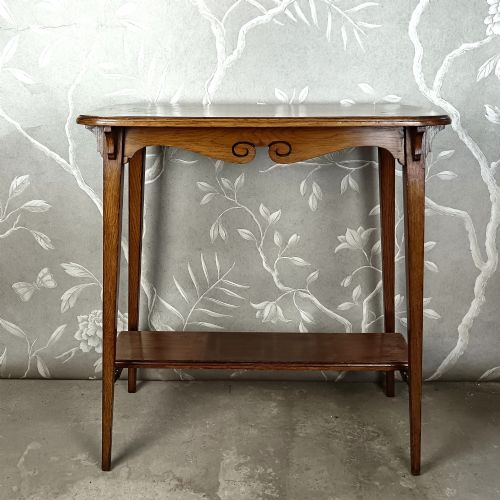


Traditional Oak Accent Lamps
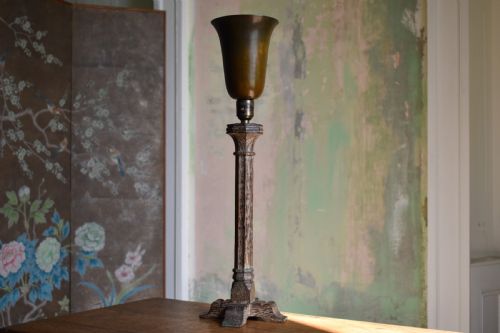
Traditional oak accent lamps bring warmth and character to a room, drawing on centuries of craftsmanship in solid timber.
Traditional Oak Accent Lamps
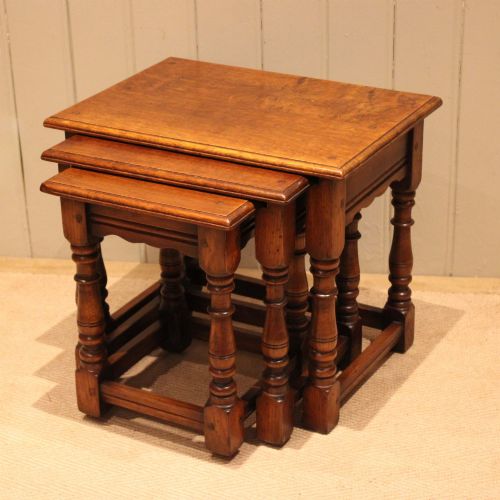
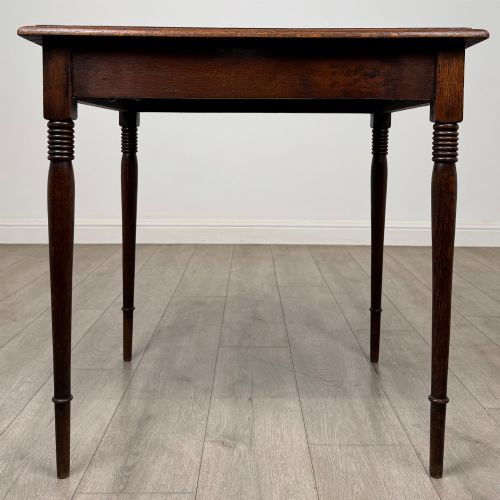
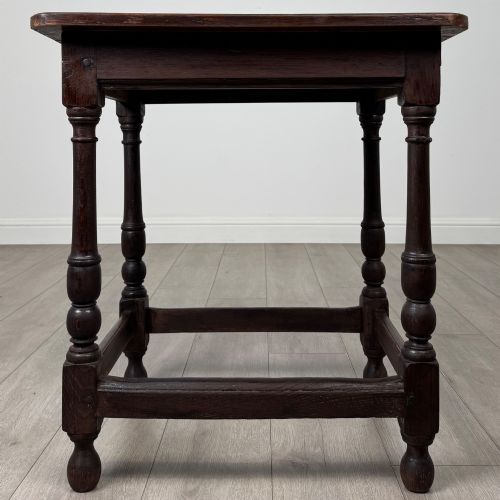
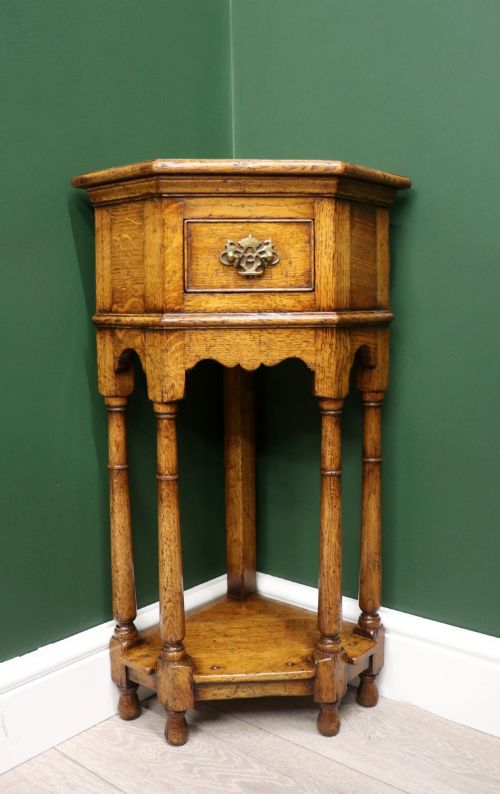
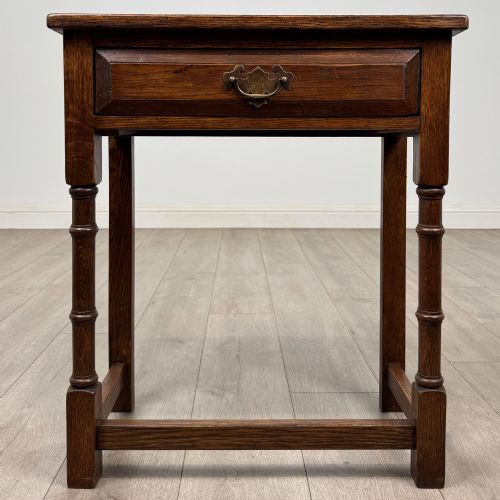
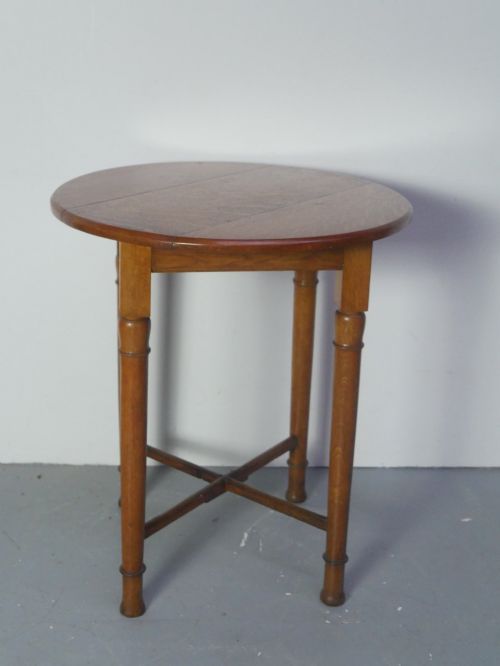
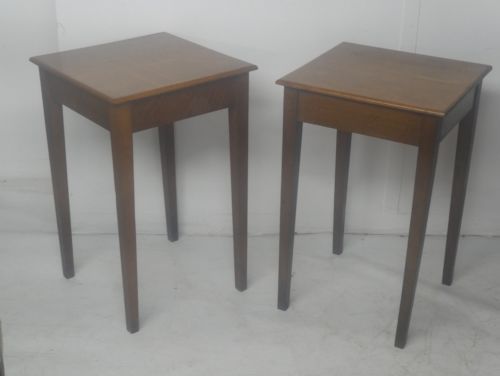
Traditional oak accent lamps draw upon a rich lineage of compact furniture forms, spanning the 18th, 19th, and 20th centuries. When searching for traditional oak accent lamps, buyers encounter diverse occasional tables, lamp tables, and converted small supports shaped by regional British and European traditions.
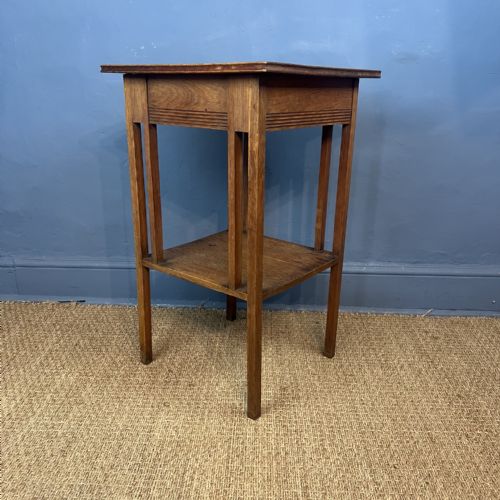
The selection ranges from early Georgian lowboys and Jacobean revival pieces to Edwardian occasional tables and Arts and Crafts designs. These items frequently utilise solid oak, golden oak, limed oak, or bleached oak to create practical surfaces for daily use.
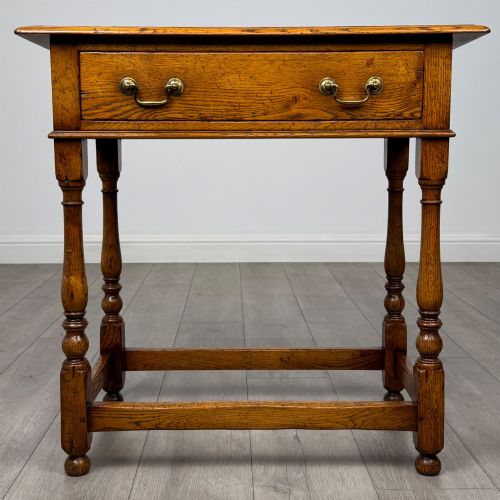
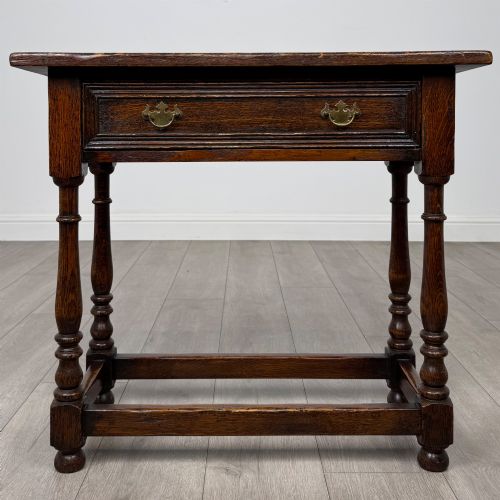
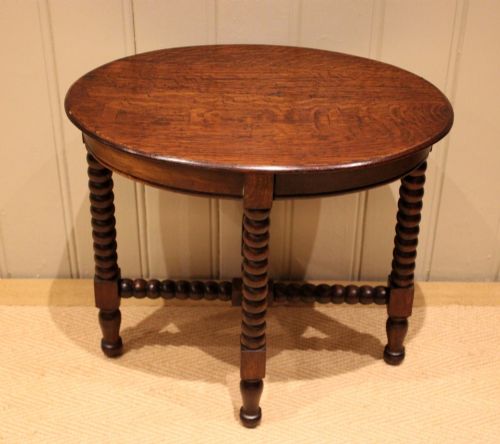
Makers and workshops of the past utilised durable native hardwoods, resulting in sturdy structures with simple side drawers, carved panels, or barley twist legs. Each piece reflects the functional domestic requirements of its period while serving as a compact focal point.
Materials and construction methods
Construction relies heavily on solid oak, supported by secondary timbers like pine, elm, and brass fittings. Artisans shaped these dense materials using traditional joinery techniques, ensuring stability across centuries of domestic service.
Surfaces exhibit varied finishes including painted details, limed treatments, and bleached patinas that highlight the natural grain of the wood. Carved ornamentation, when present, manifests as linear geometric patterns or foliate motifs typical of the 18th and 19th centuries.
Materials appearing alongside oak include brass, elm, pine, and painted surfaces.
Factors determining quality
Quality rests in the integrity of the timber selection, the crispness of any hand-carved detailing, and the preservation of the original surface finish. Pieces displaying dense grain configurations and unblemished structural joints stand apart from standard utilitarian examples.
The sophistication of the design, whether an unadorned country cricket table or a refined Arts and Crafts creation by a known firm, dictates the tier of craftsmanship. Original brass hardware and untouched patination further elevate the standing of an individual piece.
Gillows
The Traditional Oak Accent Lamps Glossary
- Oak
- A durable native hardwood prized for its strength and prominent grain patterns. It forms the structural foundation of almost every piece seen in this category.
- Lowboy
- A small oak side table featuring one or more drawers, originating in the 18th century. These tables typically served auxiliary duties in domestic interiors.
- Arts and Crafts
- A design movement of the late 19th and early 20th centuries emphasising honest construction and simple, unpretentious forms. Pieces from this era often display clean lines and thoughtful proportion.
- Barley Twist
- A decorative turning technique resembling a spiralling rope, commonly found on the legs of 17th-century revival and 1920s tables. This style adds vertical rhythm to compact furniture.
- Cricket Table
- A small, three-legged occasional table with a round top, traditionally associated with country vernacular furniture. The three-legged design ensures stability on uneven floors.
Traditional Oak Accent Lamps: Frequently Asked Questions
How do I identify a genuine period oak table?
Examine the timber for hand-cut joinery marks, peg construction, and natural ageing of the wood grain. Authentic pieces display consistent wear patterns and patination accumulated over generations of use.
Check underneath the top surface and inside any drawers for signs of older manufacturing techniques, such as adze marks or hand-sawn boards. These physical indicators distinguish older furniture from later reproductions.
Where should I place an oak accent table?
These compact tables fit naturally beside seating in a living room, serve as bedside stands, or occupy narrow hallways. Their modest scale allows them to function effectively without overwhelming a small space.
Pairing a sturdy oak surface with a modern lamp or decorative object creates a balanced contrast between old and new elements within a contemporary interior scheme.
How do I care for antique oak furniture?
Maintain the surface by applying natural beeswax sparingly and buffing gently with a soft cloth to protect the wood. Avoid commercial silicone sprays, which can degrade the historic finish over time.
Keep the piece away from direct heat sources and strong sunlight to prevent the timber from drying out or splitting. Stable indoor humidity ensures the joints remain tight and secure.