

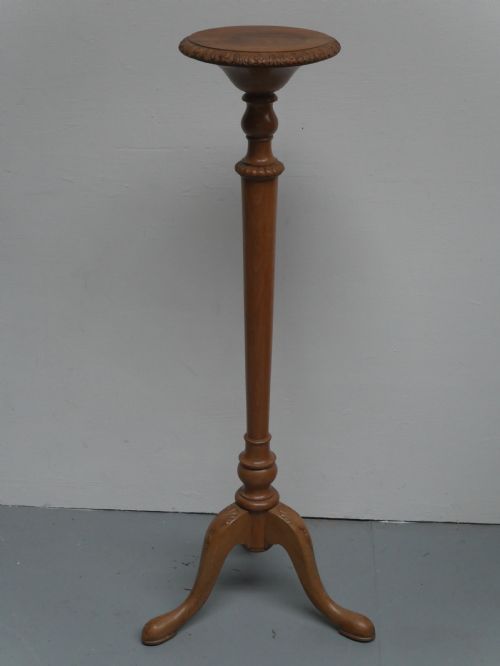


Carved Wooden Jardiniere Stand
These carved wooden jardiniere stand examples elevate indoor greenery, offering sturdy timber pedestals designed to display ceramic pots and heavy planters.
Carved Wooden Jardiniere Stand
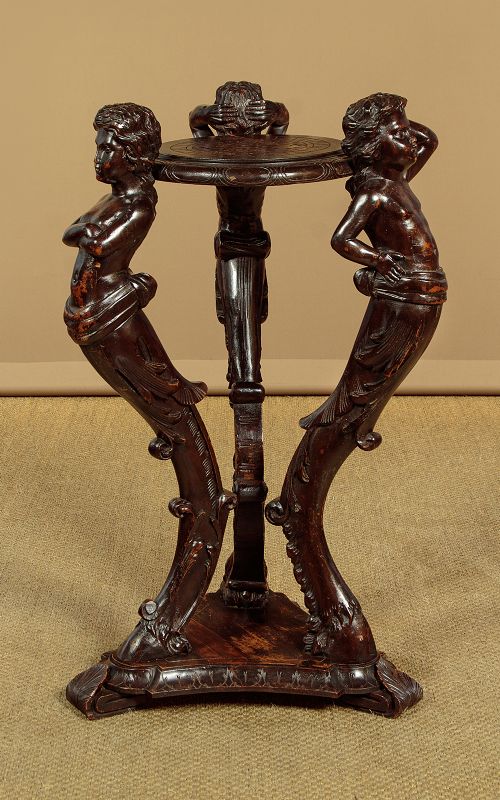
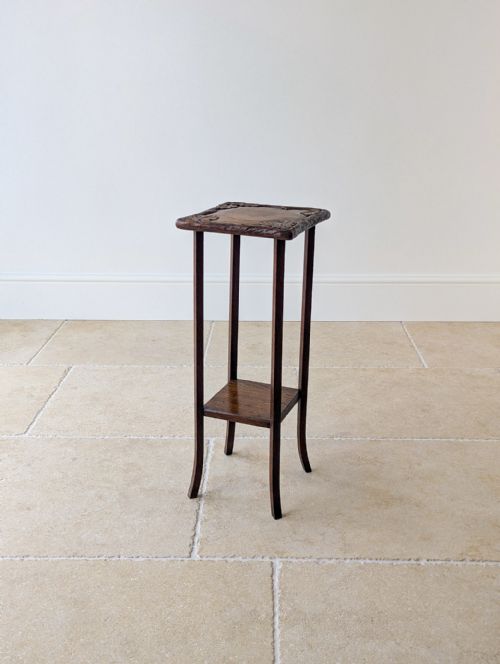
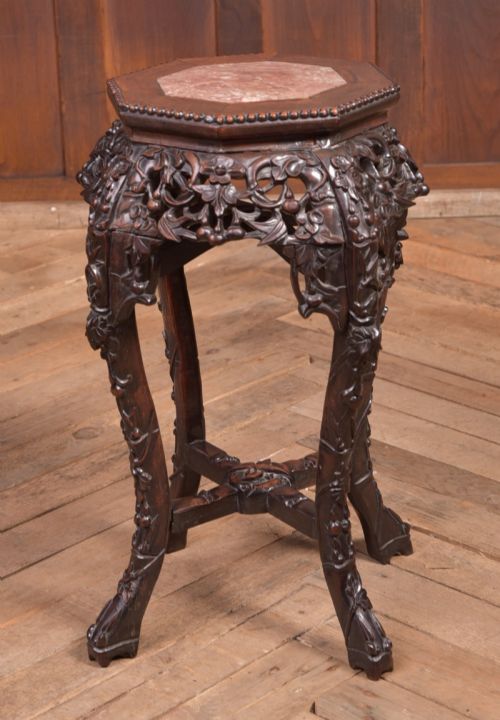
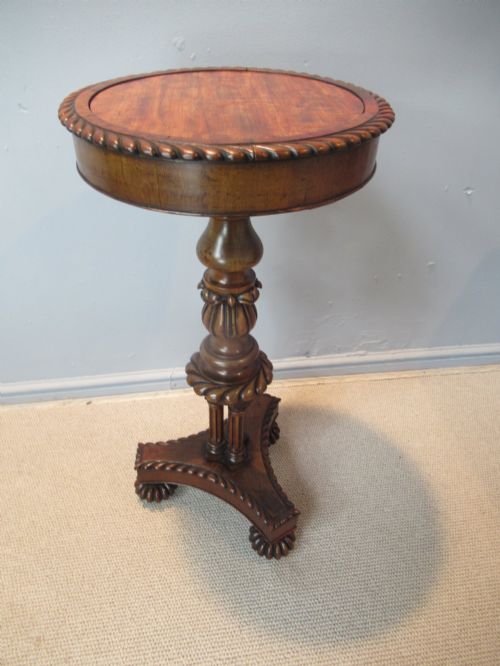
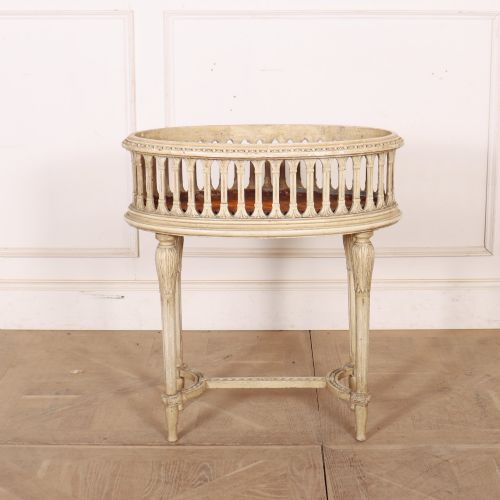
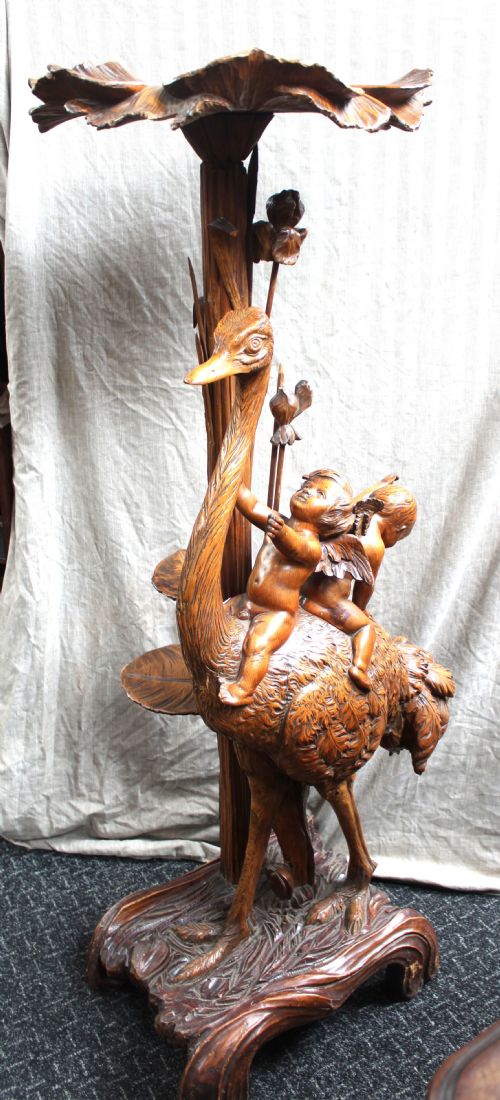
A carved wooden jardiniere stand is a dedicated furniture form built to elevate plants, urns, and flower pots above floor level. Buyers seek these pieces to bring height and architectural interest to interior planting schemes.
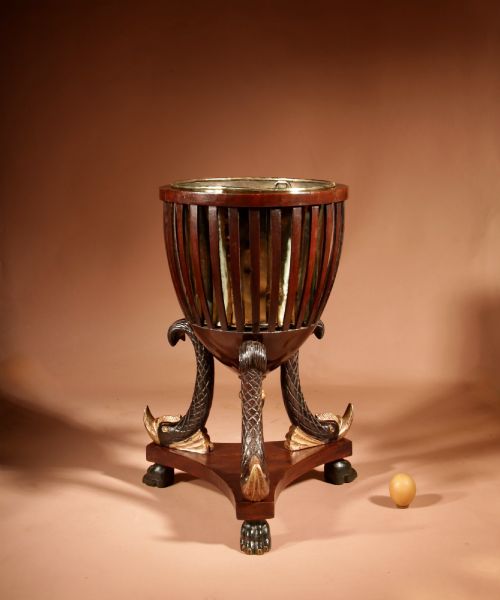
The selections span distinct periods, including Victorian, Edwardian, and Regency eras, alongside Asian export works. Walnut, oak, and mahogany appear frequently as the primary timber choices for these elevated display platforms.
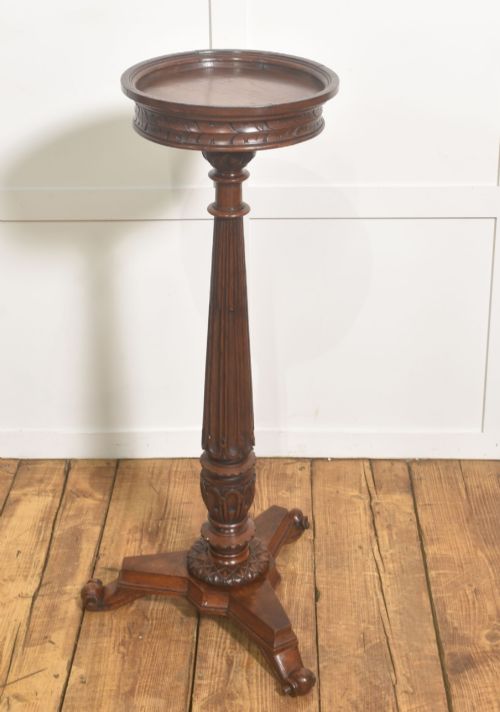
Forms vary from simple three-legged tripod bases and barley twist columns to multi-tiered tables and marble-inset tops designed to resist water spills. Many examples originate from British workshops, while others reflect Chinese and Japanese carving traditions.
Judgements of quality
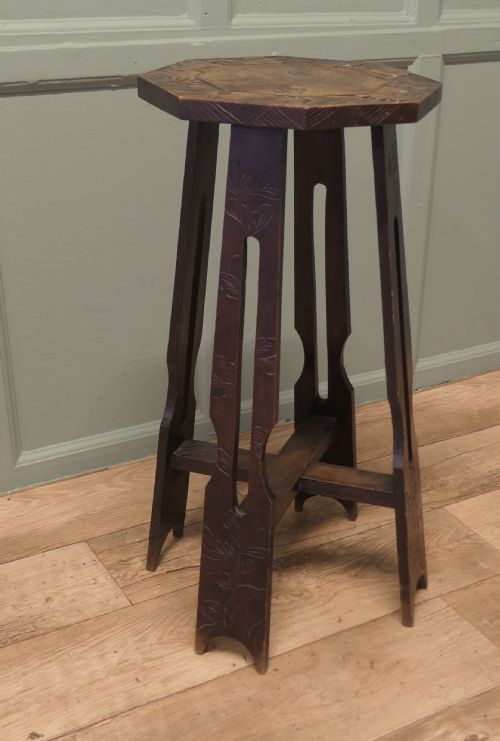
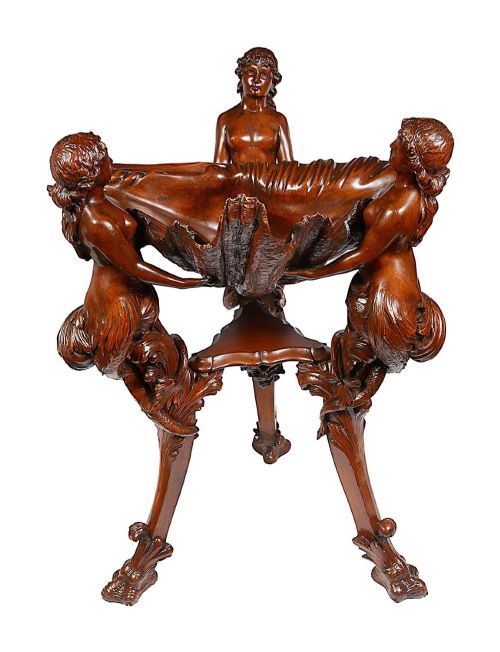
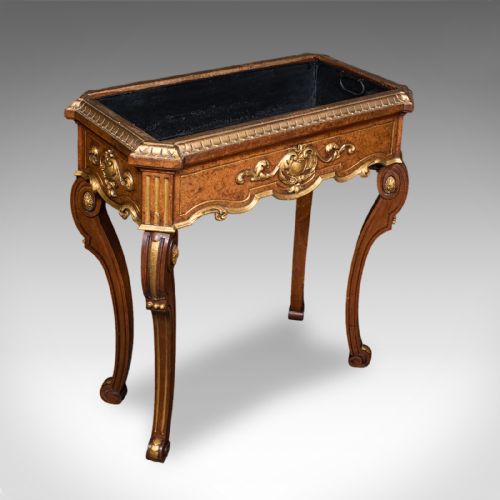
The depth and crispness of the hand carving separate standard commercial output from exceptional cabinet work. Relief floral motifs or pierced panels retain sharp edges and clear undercutting on superior pieces, whereas lower tiers show softened, mechanical moulding.
Timber selection dictates the overall structural integrity and visual depth of the grain. Quartersawn oak and figured burr walnut command attention through their rich figuring, while secondary woods used in unseen areas reveal the maker's economy.
Stability under load remains critical, separating slender decorative pedestals from robust plant tables engineered to support heavy ceramic vessels without wobble.
Carved Wooden Jardiniere Stand Retail Price Guide 2026
Typical asking prices for carved wooden jardiniere stand among the pieces listed under this phrase on Sellingantiques today, from the lower quarter to the upper quarter. They describe what is for sale here now, not the wider market.
Some stands double as decanter caddies, proving that Victorians understood plant care and refreshment require equal furniture support.
Liberty of London
The Carved Wooden Jardiniere Stand Glossary
- Jardiniere
- A decorative pot or container for flowers and plants. The term also describes the tables and stands built specifically to support them.
- Barley twist
- A spiral turning resembling a twisted rope, common on legs and central columns of Edwardian and oak stands. This ornamental technique requires precise lathe work or hand carving.
- Tripod base
- A three-legged support structure providing stability on uneven floors. This configuration appears frequently on nineteenth-century torchere and plant stands.
- Marble top
- A stone inset fitted into the surface of a wooden stand. This feature protects the timber from water damage caused by overflowing plant pots.
Carved Wooden Jardiniere Stand: Frequently Asked Questions
What is a jardiniere stand?
A jardiniere stand is a raised piece of furniture designed specifically to hold a plant pot or flower container. These tables elevate greenery to eye level and protect flooring from moisture.
They appear in various heights and top configurations, ranging from small tripod pedestals to larger two-tier display tables.
How were plant stands used historically?
Victorians and Edwardians utilised these stands inside drawing rooms and conservatories to display imported flora and potted ferns. The elevated position improved air circulation around delicate plants.
They also functioned as lamp tables or display surfaces for decorative porcelain urns and vases.
How do I care for wooden plant stands?
Protect the timber surface by placing a waterproof saucer or tray beneath any potted plant resting on the stand. Regular dusting and occasional wax application maintain the polish of walnut and mahogany.
Keep wooden furniture away from direct radiator heat to prevent the timber from splitting or warping over time.
How do I identify Edwardian plant stands?
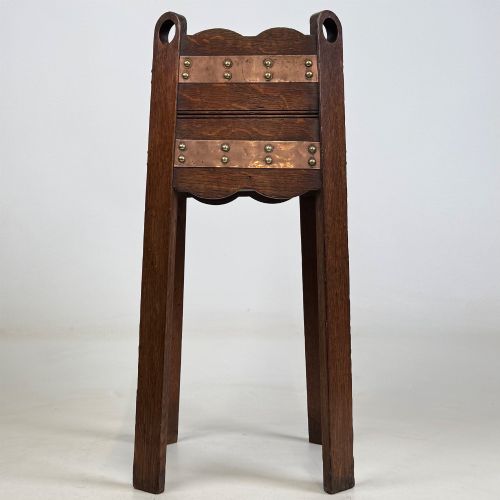
Edwardian examples often feature lighter oak or mahogany construction, frequently incorporating barley twist legs or simple Arts and Crafts styling. They typically date from the late nineteenth to the early twentieth century.
Construction methods on these pieces show machine assistance combined with traditional hand-finishing details.