




Carved Wooden Headboard Bed
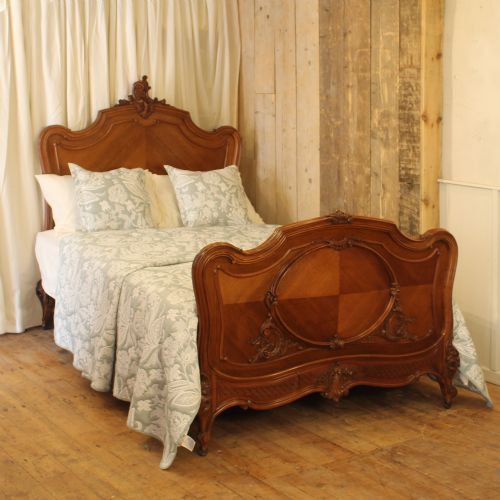
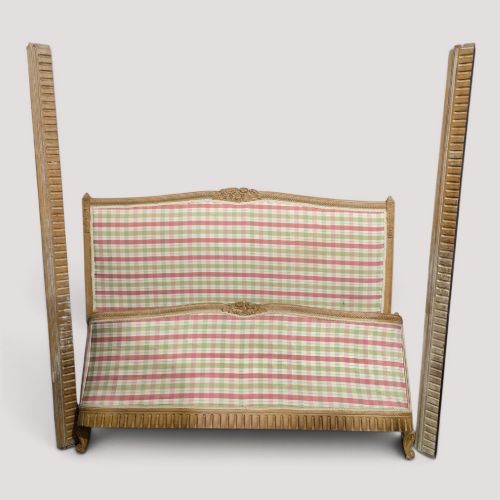
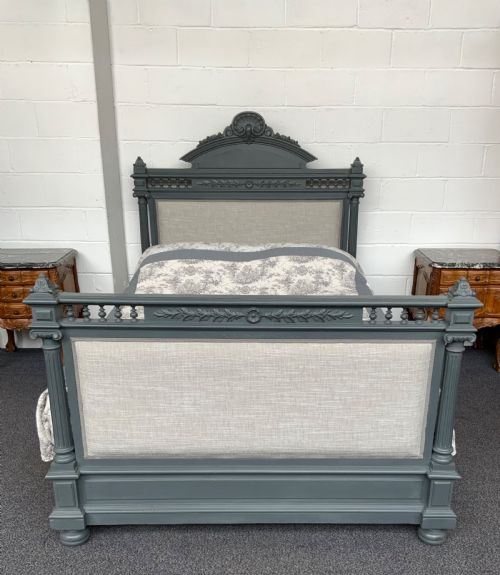
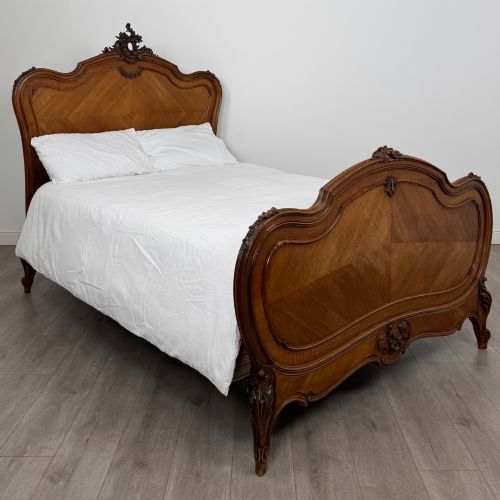
A carved wooden headboard bed anchors a bedroom with architectural presence, offering deep relief carving and historical form.
Carved Wooden Headboard Bed
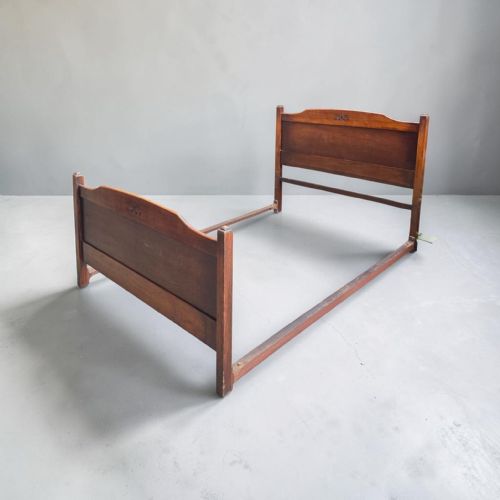
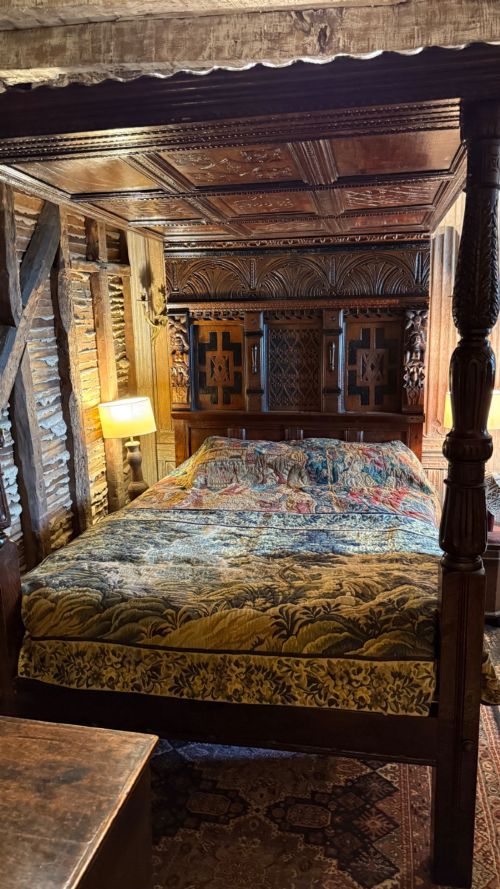
A carved wooden headboard bed brings substantial timber frames and decorative panels into domestic spaces. These pieces span from seventeenth-century English oak testers to nineteenth-century French walnut chateau styles and twentieth-century Edwardian designs.
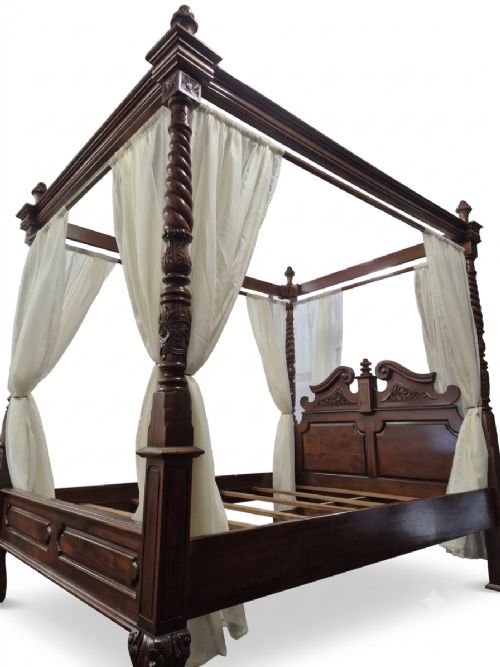
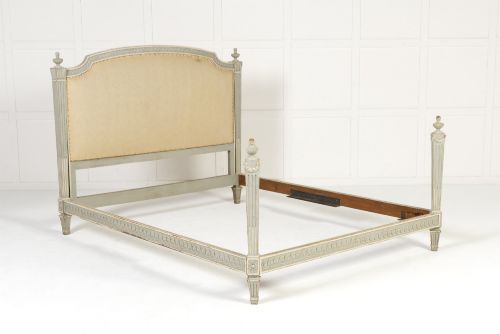
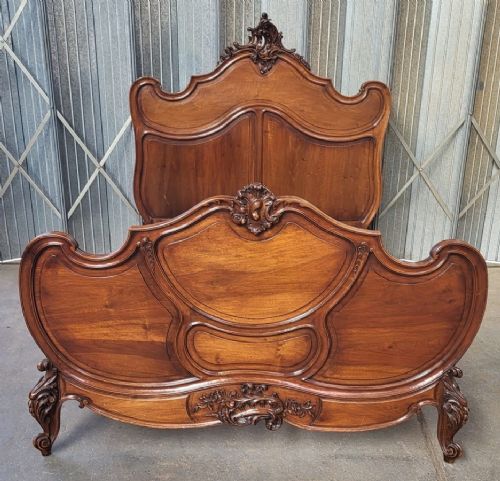
Buyers encounter single, double, king, and super king sizes alongside four-poster structures. French Provincial, Louis XVI, and Rococo Revival influences appear frequently across the walnut and oak frames.
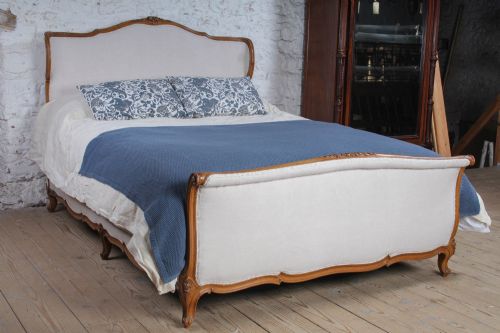
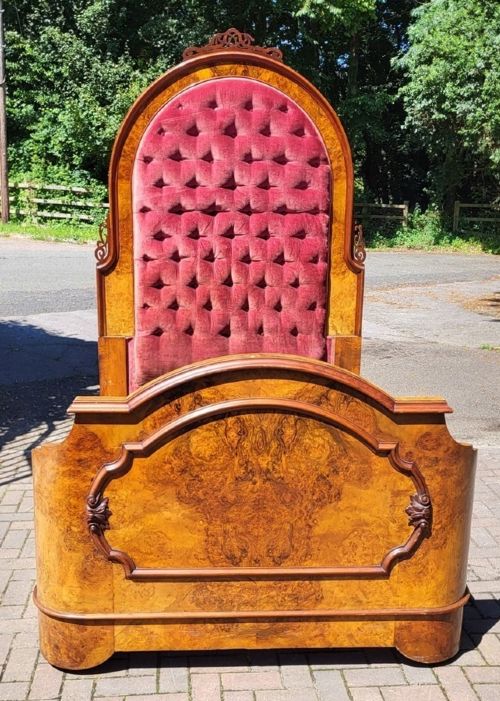
The assortment includes painted wood finishes, caned inserts, and fabric upholstery alongside simpler rustically carved bedframes. Each configuration utilises traditional joinery to support modern mattress dimensions.
Assessing craftsmanship and proportion
Depth and crispness of the hand-carving separate standard production from superior craftsmanship. Relief work on walnut and oak reveals the hand of a skilled carver through clean undercut foliage and balanced symmetry.
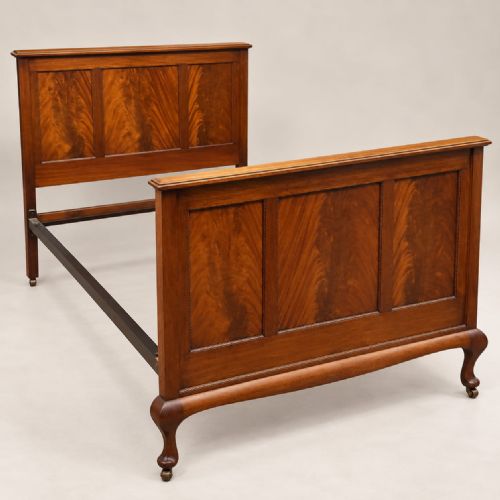
Proportion and timber selection dictate overall merit. Matched quarter veneering, substantial framing timbers, and integrated brass mounts indicate higher workshop standards than applied mouldings on secondary woods.
Several beds embrace nineteenth-century whimsy through carved faux bamboo turnings.
The Carved Wooden Headboard Bed Glossary
- Tester bed
- A bed featuring a wooden canopy or ceiling supported by posts. The seventeenth-century examples incorporate panelled headboards and full tester frames.
- Louis XVI Style
- A neoclassical design vocabulary characterised by straight lines, fluted columns, and symmetrical carved motifs. Pieces often utilise mahogany or painted wood.
- Parquetry
- Geometric wood mosaic work used for decorative surface patterns. This technique appears on fine nineteenth-century mahogany double beds.
- Caned bed
- A framework incorporating woven rattan panels within the headboard or footboard. This provides lighter visual weight alongside solid timber rails.
- Faux bamboo
- Turned woodwork carved and painted to imitate natural bamboo stalks. This style gained popularity during the late nineteenth century.
Carved Wooden Headboard Bed: Frequently Asked Questions
Will an antique bed fit modern mattresses?
Many older bedframes require custom mattress sizes or minor rail adjustments to accommodate standard contemporary dimensions. Double and king configurations often need careful measurement before placement.
Wooden side rails house modern slatted bases quite easily when fitted by a competent carpenter. This ensures structural support without altering the original headboard.
How do I distinguish French styles from English ones?
French beds commonly display curved lines, painted finishes, and walnut timbers influenced by Rococo and Louis XVI aesthetics. Carved floral motifs and upholstered panels are standard.
English variants tend to favour solid oak or mahogany construction with architectural mouldings, panelled headboards, and rectilinear proportions dating back to the seventeenth century.
How should I care for polished wood finishes?
Maintain timber surfaces by dusting with a soft dry cloth and applying traditional beeswax periodically. Avoid placing these beds near direct heat sources or strong sunlight.
Prevent moisture contact on walnut and mahogany veneers to protect the polished surface. Gentle cleaning preserves the natural patina accumulated over the centuries.
Are four poster beds difficult to assemble?
Four-poster structures require methodical assembly due to their heavy corner posts and overhead testers. Professional installation is often advisable for seventeenth-century oak examples.
Iron brackets and securing bolts typically lock the headboards, footboards, and side rails together. Taking precise ceiling height measurements before purchase prevents clearance issues.