
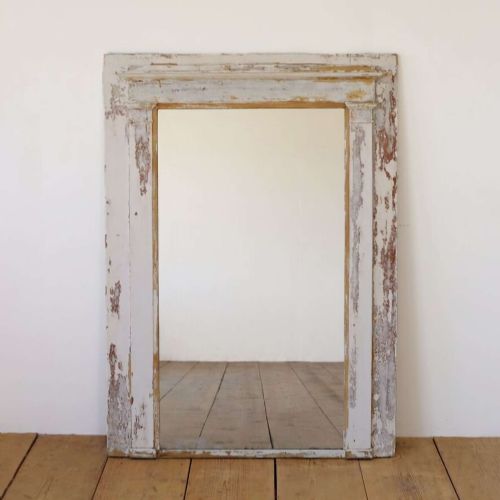

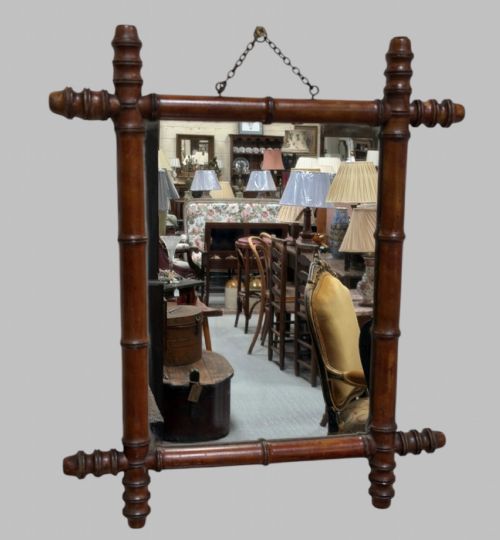
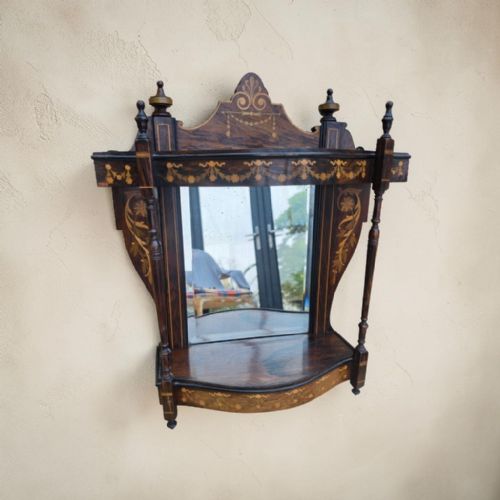
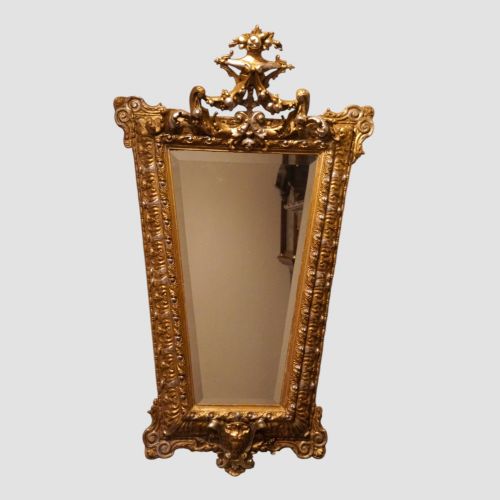


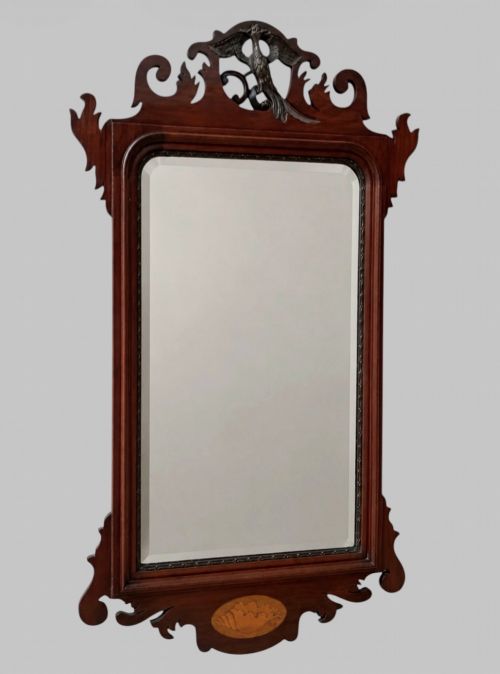
Carved Wooden Hanging Mirror
A carved wooden hanging mirror brings texture and depth to a wall, capturing light while showing the enduring skill of past cabinetmakers.
Carved Wooden Hanging Mirror
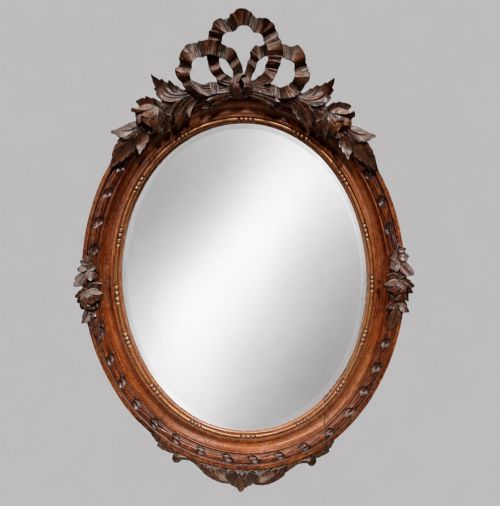
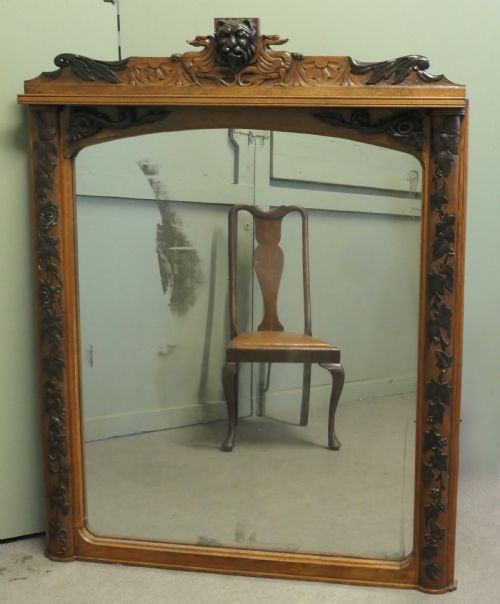
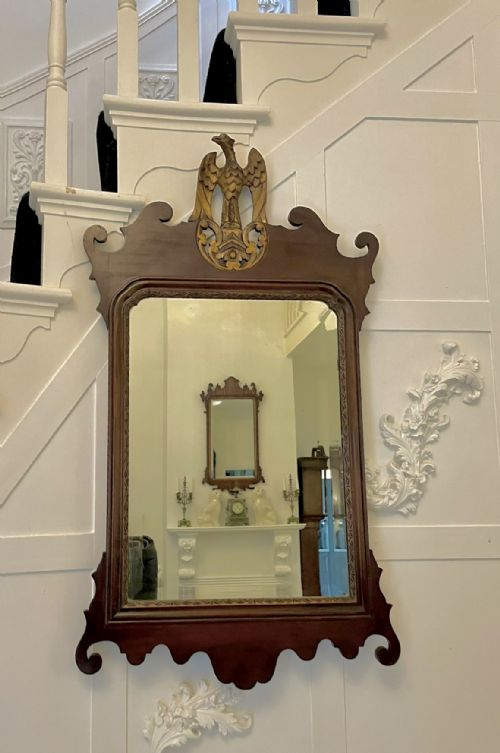
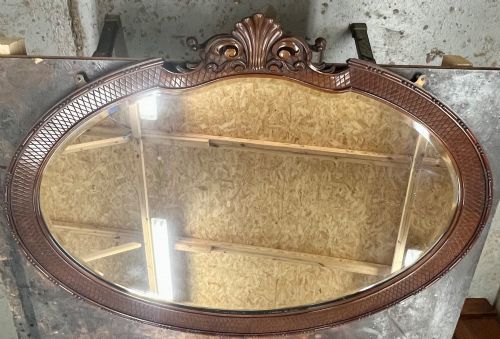
When searching for a carved wooden hanging mirror, collectors encounter wall-mounted looking glasses framed in timbers such as oak, walnut, mahogany, and limewood. These pieces span centuries of design, reflecting periods from the eighteenth century through the Victorian and Edwardian eras up to the nineteen-thirties.
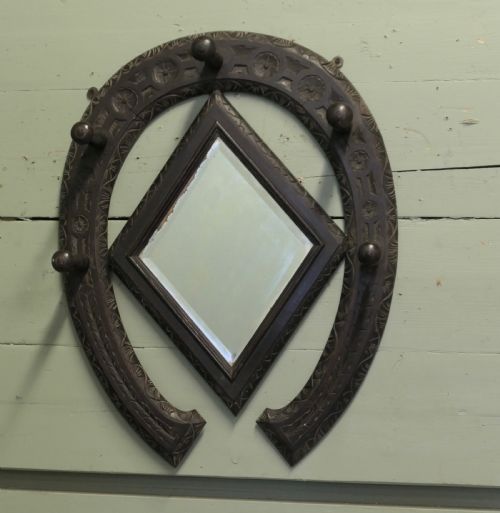
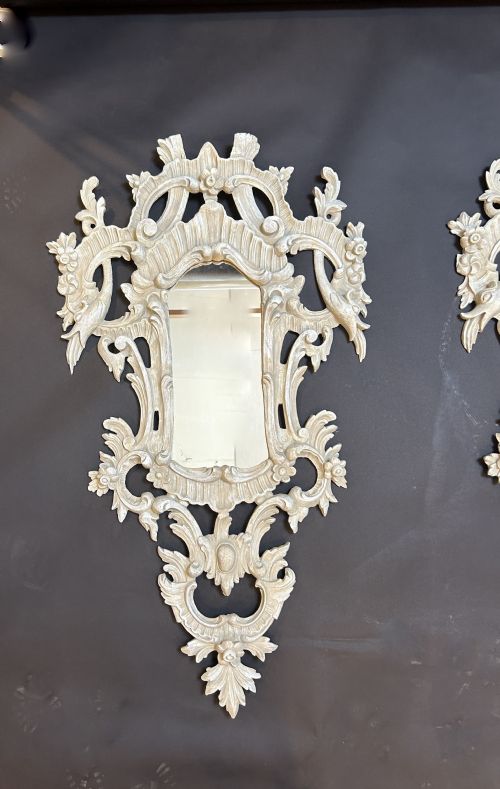
The most common examples on this page are nineteenth-century and early twentieth-century creations, often incorporating revival styles like Chippendale, Queen Anne, and Rococo. Alongside dedicated wall mirrors, the selection includes related forms with integrated shelves, coat hooks, or small cabinets.
Origins vary widely across these items, ranging from British workshops to French ateliers and Italian studios. Formats stretch from small oval bedroom looking glasses to large architectural frames designed for principal reception rooms.
Materials and Construction Methods
Carpenters and carvers built these frames using solid hardwoods, notably oak, walnut, and mahogany, sometimes applying gesso layers to receive intricate surface ornamentation or gilding. Timber selection dictated the depth of carving possible, with limewood and pine also utilised for specific continental and regional pieces.
Frames frequently combined joinery with hand-carved detailing, fretwork cutting, and inlaid veneers such as burr walnut. Glass plates were inserted into rebated backs, occasionally featuring hand-engraved designs or bevelled edges.
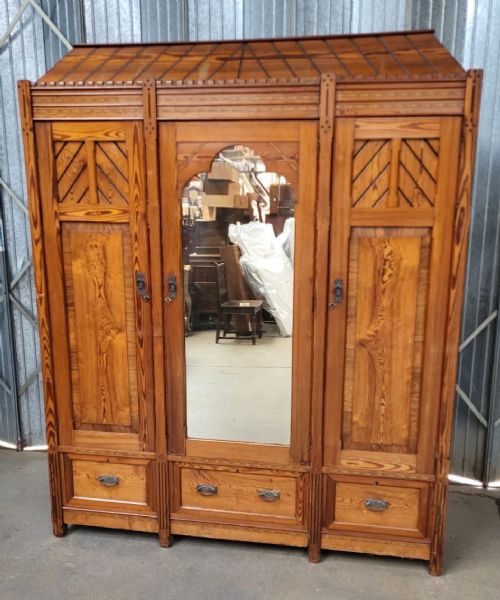
The selection includes oak, walnut, mahogany, and pitch pine frames spanning the eighteenth, nineteenth, and early twentieth centuries.
Evaluating Craftsmanship and Design
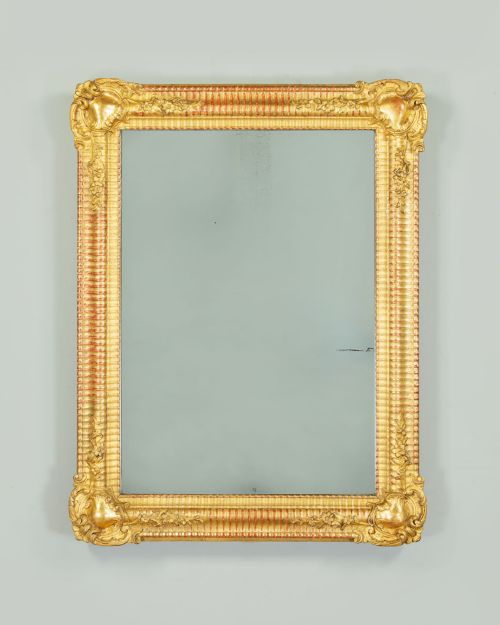
The distinction between standard examples and superior pieces rests on the crispness of the hand-carving and the depth of the timber figuring. Fret-cut frames show greater refinement when the piercing is clean and balanced, while giltwood versions rely on the precision of the gesso application.
Proportion and execution drive the standing of a frame, particularly in revival styles where makers consciously emulated eighteenth-century Georgian or continental models. Original components, including backboards and mirror plates, separate authentic period examples from later adaptations.
The Carved Wooden Hanging Mirror Glossary
- Fretwork
- Openwork ornamentation cut from a thin board using a fretsaw. This technique creates intricate geometric or scroll patterns common on eighteenth-century and revival wall frames.
- Gesso
- A plaster mixture applied to wood surfaces as a base for gilding or painting. It allows craftsmen to model sharp relief details before applying gold or silver leaf.
- Giltwood
- Timber that has been coated with gold leaf over a prepared ground. It appears frequently on decorative frames from French and Italian sources.
- Burr walnut
- Timber taken from the warted growth of a walnut tree, yielding highly figured patterns. Cabinetmakers prized this wood for decorative veneering on elite mirrors.
- Rebate
- A recess or groove cut into the edge of a frame to receive the mirror glass and backboard securely.
Carved Wooden Hanging Mirror: Frequently Asked Questions
How do I hang a heavy wooden wall mirror safely?
Heavy carved frames require robust fixings suited to the wall construction, usually involving steel brackets or mirror plates screwed directly into wall studs or masonry anchors.
Ensure the hanging cord or wire matches the weight distribution of the timber frame before mounting it at eye level.
Are these mirrors suitable for bathrooms?
Certain compact Edwardian and Victorian designs include integrated shelves or hooks intended for functional spaces like hallways or washrooms. However, historic wood finishes and original mirror plates demand protection from excessive steam and moisture.
Positioning them away from direct water sources preserves the timber and the silvering on the glass.
How do I distinguish between an eighteenth-century mirror and a revival piece?
Distinguishing original period pieces from later revivals involves examining the construction marks, timber shrinkage, and the composition of the backing boards. Eighteenth-century frames often show hand-cut joinery and older glass characteristics.
Revival pieces made during the Victorian or Edwardian periods display machine-sawn elements while still utilising traditional carving methods.
How should I clean a carved wooden frame?
Dust carved wooden frames gently with a soft, dry brush to prevent dirt accumulation in the recesses of the carving. Avoid chemical sprays or excess water that can damage polished timber or gilded gesso surfaces.
Maintenance should focus on preserving the natural patina of the wood rather than applying modern polishes.