



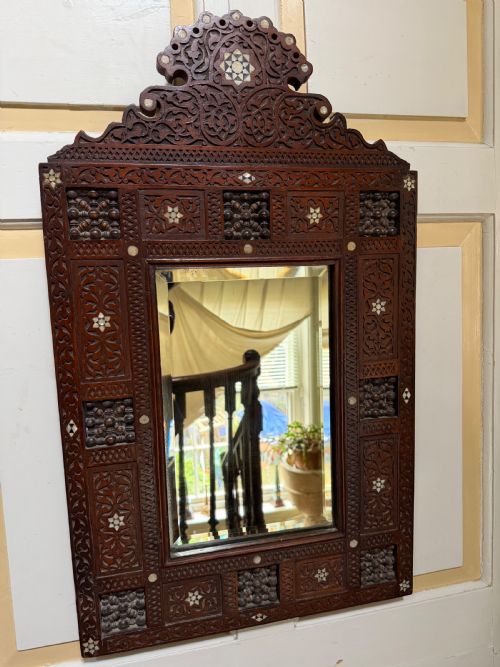


Carved Wooden Frame Panels
Carved wooden frame panels bring architectural depth and texture to interior spaces, combining structural timber with intricate hand-carved surface detail.
Carved Wooden Frame Panels
When you search for carved wooden frame panels, you encounter a diverse collection of architectural salvage, wall art, plaques, and framed decorative elements. These pieces originate from various domestic and institutional contexts, spanning the Victorian, Edwardian, and early twentieth-century periods.
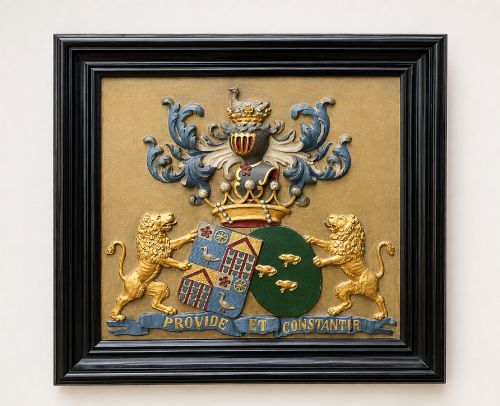
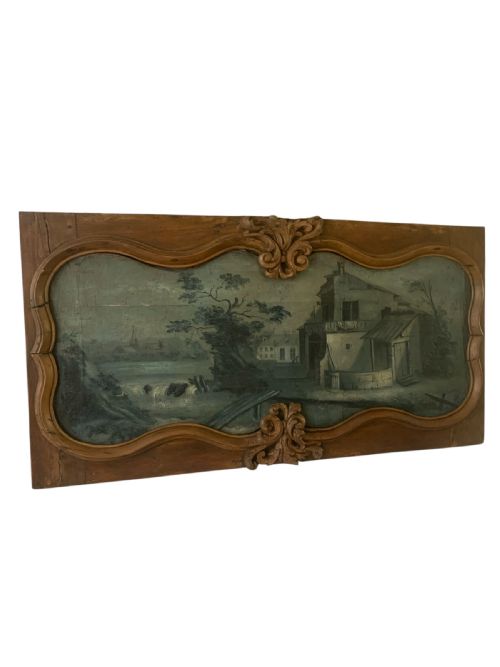
The selections on this page frequently manifest as structural components repurposed for display, including church tracery, marriage plaques, and deep-relief wall decorations. Woods such as oak, walnut, mahogany, and pine dominate the inventory, reflecting traditional cabinet-making and joinery.
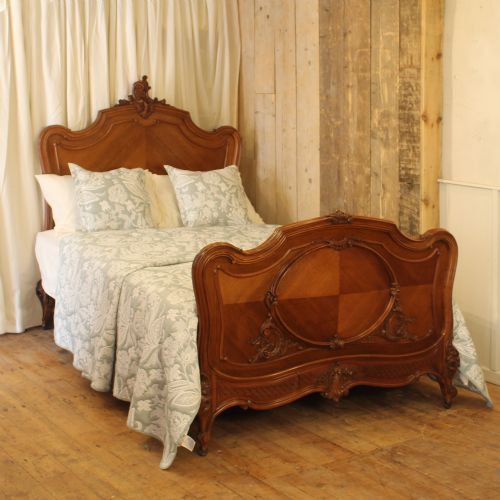
Stylistic influences range from French Rococo and Arts & Crafts to traditional Indian and Jacobean Revival motifs. Buyers utilise these elements to introduce focal points into modern interiors, mounting them as standalone artworks or integrating them into room schemes.
Materials and construction methods
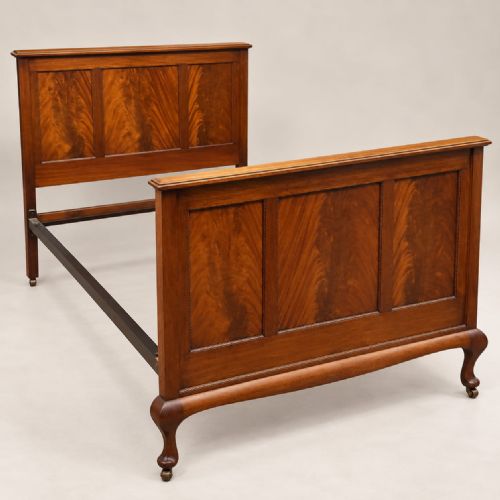
Artisans carved these panels from dense hardwoods like oak, walnut, and mahogany, as well as softer timbers such as pine, selecting materials based on the intended depth of relief. Timber selection dictated the longevity of the carving and the crispness of the final architectural details.
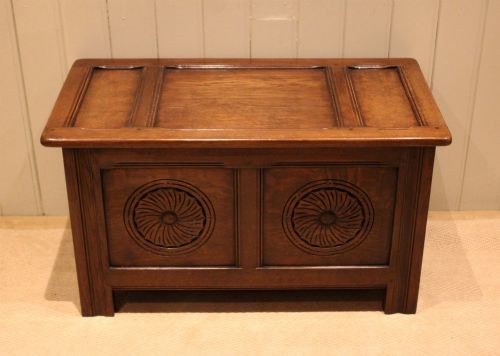
Techniques relied on hand chisels, gouges, and mallets to achieve varying degrees of relief, from shallow incised lines to deep, three-dimensional figurative scenes. Joinery methods such as mortise and tenon secured the surrounding frames, ensuring the stability of the central panel over centuries of environmental change.
The listings on this page span the late seventeenth century through the nineteen-forties, predominantly utilising oak, walnut, and mahogany.
Assessing quality and execution
The distinction between standard utility work and superior craftsmanship rests in the fluidity and precision of the chisel work. Finer pieces display undercut relief and naturalistic anatomical proportions, whereas lesser examples rely on repetitive mechanical stamping or shallow surface scoring.
Material selection and grain alignment also influence the overall calibre of a piece, with quarter-sawn oak and figured walnut commanding greater visual depth. The integrity of the original joints and the preservation of crisp edges without excessive sanding define the higher tiers of the range.
Van Rijckevorsel & Verheijen·Rowley Gallery
The Carved Wooden Frame Panels Glossary
- Tracery
- Architectural openwork ornamentation, typically associated with Gothic stone or timber windows, featuring intersecting ribs and geometric patterns.
- Relief
- A sculptural technique where figures or patterns project from a flat background, categorised by depth as low relief or high relief.
- Architectural salvage
- Building elements rescued from demolition or alteration, preserved for their historical material or decorative design.
- Quarter-sawn
- A method of timber cutting that produces a stable board with a distinct, straight grain pattern and prominent medullary rays.
- Overmantel
- A decorative panel, mirror, or painting situated directly above a fireplace mantelpiece.
Carved Wooden Frame Panels: Frequently Asked Questions
How do I hang a heavy wooden panel safely?
Heavy carved panels require secure wall anchoring, typically utilising sturdy metal brackets screwed directly into timber wall studs or masonry anchors.
Weight distribution matters greatly, so ensure the supporting frame rather than the decorative carving bears the primary load.
Can these panels be used in bathrooms?
Placing antique timber panels in high-humidity environments like bathrooms risks warping and splitting the historic wood due to fluctuating moisture levels.
If positioned in such spaces, ensure adequate ventilation and avoid direct contact with water splashes.
How should I clean antique carved timber?
Remove surface dust gently using a soft, dry brush or a lint-free cloth to protect the delicate edges of the hand-carved details.
Avoid liquid cleaners, silicones, and modern polishes, which can build up in the recesses and degrade the original wood finish.
How do I date a carved wooden panel?
Dating relies on examining tool marks left by hand chisels, the oxidation of the timber surface, and the specific stylistic vocabulary of the carving.
Secondary woods and construction methods hidden on the reverse side often provide reliable clues to the period of origin.