





Mother of Pearl Panels
Mother of pearl panels bring iridescent shimmer and intricate craftsmanship into a room, offering tactile depth that painted surfaces simply cannot match.
Mother of Pearl Panels
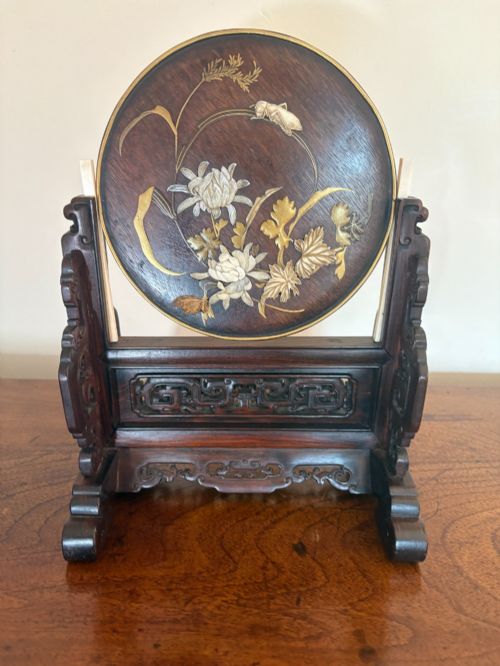
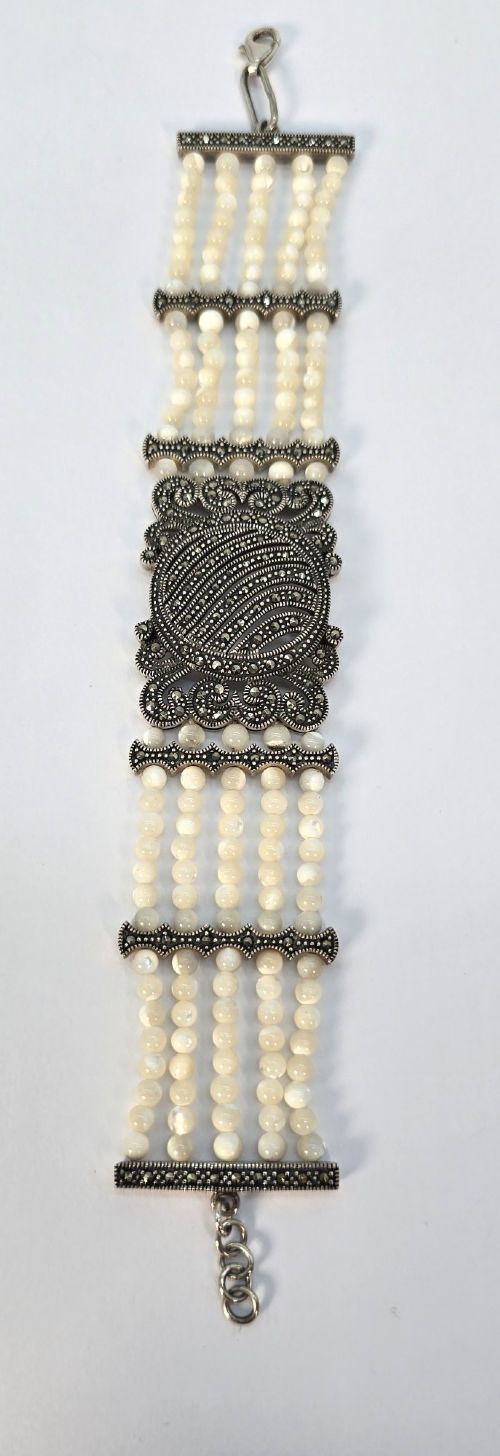
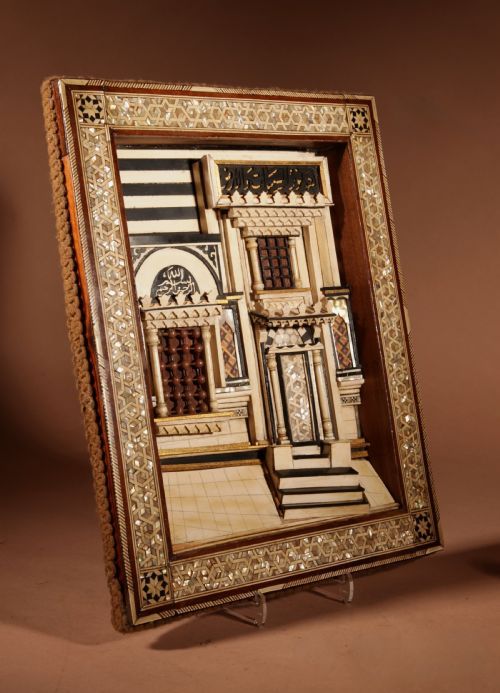
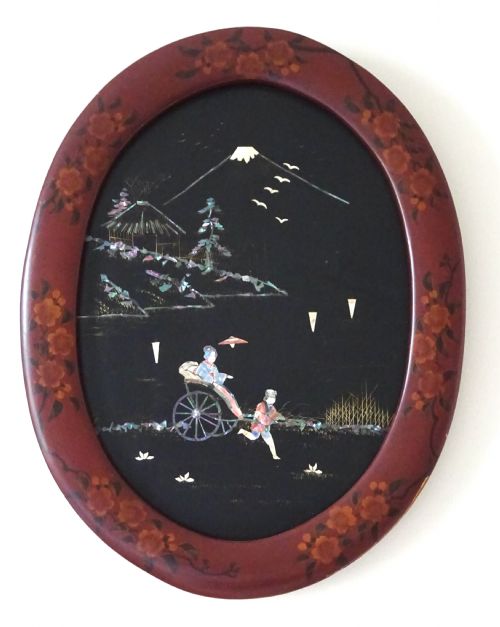
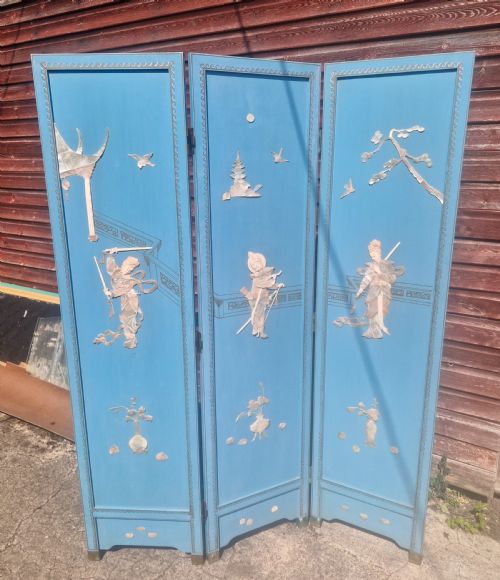
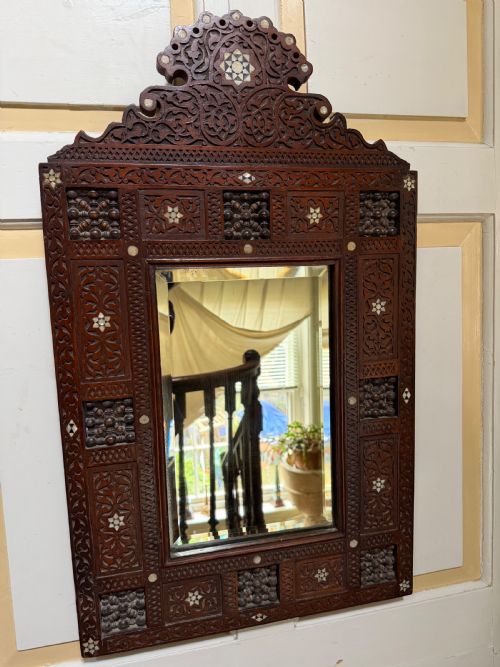
When you search for mother of pearl panels, you encounter a diverse array of decorative items spanning the nineteenth and twentieth centuries, incorporating styles from Japanese Meiji to Moorish Revival. These pieces primarily manifest as wall plaques, folding screens, table screens, and architectural dioramas, integrating iridescent shell into wood, lacquer, or metal substrates.
The version you are most likely to meet on this page is the Asian lacquer panel or screen, often Chinese or Japanese in origin, depicting natural scenes with inlaid shell and abalone. Alongside these, British and European pieces surface, including Edwardian and Art Deco items that utilise mother of pearl alongside brass, glass, and hardwoods.
What varies in quality
The standard of a piece rests largely on the precision of the inlay work and the depth of the carving in the surrounding material. Superior examples exhibit tightly fitted nacre segments flush with the surface, whereas lesser items show wider gaps filled with heavy adhesive or putty.
Artistic execution also dictates value, with skilled pictorial balance in the depiction of foliage, birds, or architectural scenes separating finer work from repetitive production pieces. The quality of the underlying lacquer or hardwood grain, alongside the preservation of the iridescent fire within the shell, determines the overall presence of the object.
Some panels display pious English text alongside shimmering marine shell, proving that Victorian domestic sentimentality occasionally dabbled in unexpected iridescence.
Liberty and Co
The Mother of Pearl Panels Glossary
- Nacre
- The iridescent inner layer of mollusc shells, commonly known as mother of pearl. This material forms the shimmering inlay seen across various panels and decorative objects.
- Shibayama
- A Japanese decorative technique involving inlaid precious materials such as shell, ivory, and metal on a wood or lacquer ground. Pieces utilising this method often depict elaborate figural or natural scenes.
- Mashrabiya
- An architectural element featuring wooden lattice panels used for windows or screens. In furniture, these turned-wood assemblies provide intricate geometric detail.
- Chinoiserie
- A European stylistic interpretation of Chinese and East Asian artistic traditions. It appears on lacquered furniture and wall panels produced in the West.
- Roundel
- A circular decorative panel or motif. These are frequently found in pairs depicting symmetrical subjects in lacquer and inlay.
Mother of Pearl Panels: Frequently Asked Questions
Where should I hang a wall panel?
Position wall plaques and framed panels away from direct sunlight to prevent the lacquered grounds from fading and the nacre from losing its lustre. Stable indoor humidity is essential, as fluctuating moisture levels cause wood and lacquer to expand and contract, risking the security of the inlay.
Select a wall space at eye level where the light catches the iridescent qualities of the shell throughout the day. Ensure the hanging hardware is robust enough to support the weight of heavier hardwood or framed pieces.
How do I date a lacquer screen?
Examine the construction methods, framing materials, and hardware used on the reverse or joints of the screen. Nineteenth-century examples often feature hand-carved supports and traditional joinery, while twentieth-century pieces incorporate modern fasteners and distinct chemical lacquer formulations.
Stylistic cues such as Art Deco geometric lines or traditional Chinoiserie motifs provide further chronological markers. Comparing the ageing of the wood grain and the oxidation of the metal components helps confirm the production era.
Are all these panels Asian in origin?
While a significant proportion of mother of pearl inlaid items originate from China and Japan, European makers produced notable pieces as well. Victorian and Edwardian British workshops created decorative signs, mirrors, and furniture incorporating shell inlay influenced by global trade and revival styles.
Items from the Moorish Revival and Chinoiserie movements demonstrate how Western craftsmen adapted Eastern techniques using local woods like oak and walnut. Examining the secondary woods and framing styles helps distinguish European interpretations from imported Asian wares.