

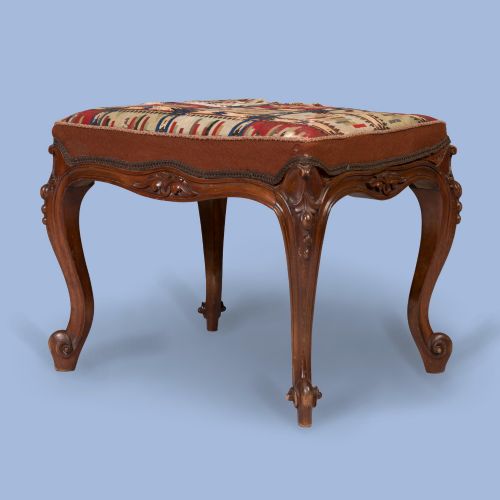
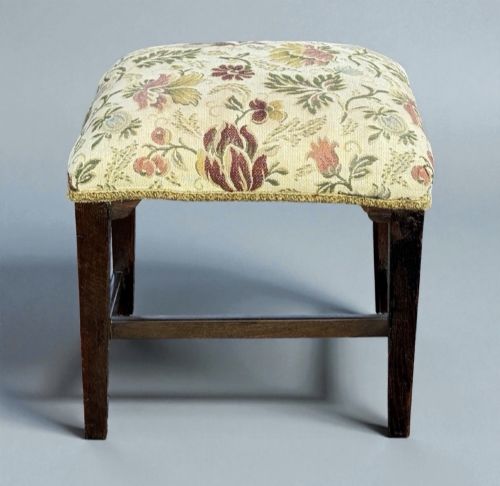

Carved Wooden Dressing Stool
These carved wooden dressing stool selections offer practical charm and period character, bringing traditional seating into daily use at a dressing table.
Carved Wooden Dressing Stool
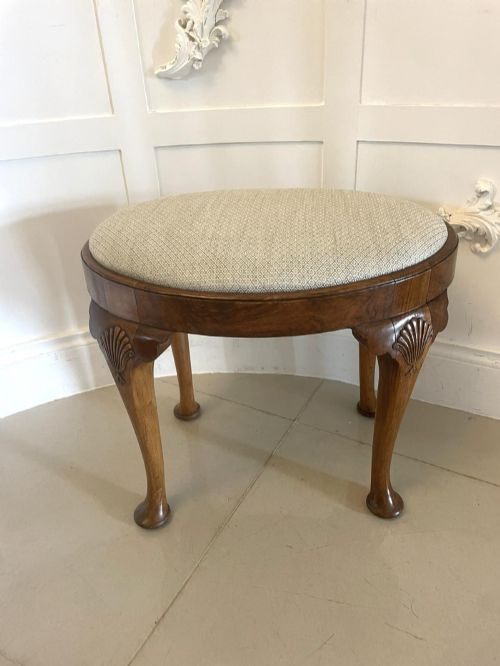
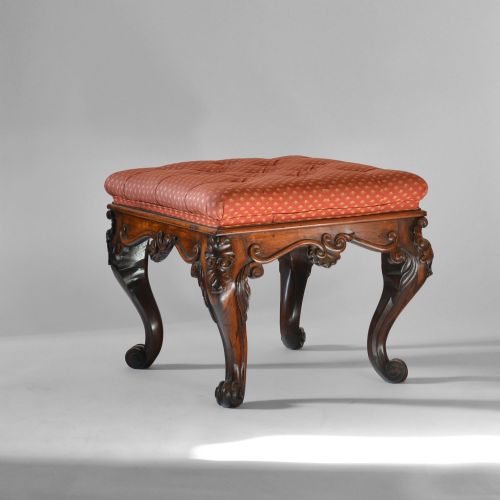
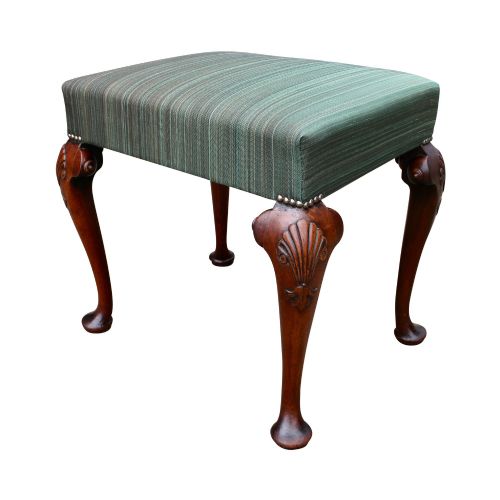
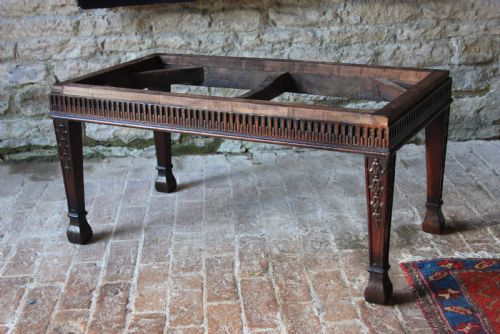
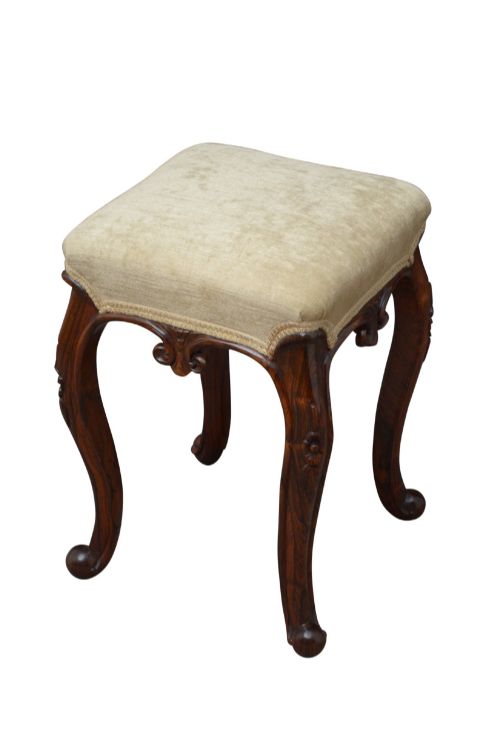
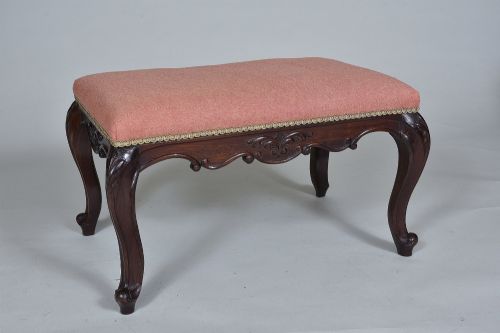
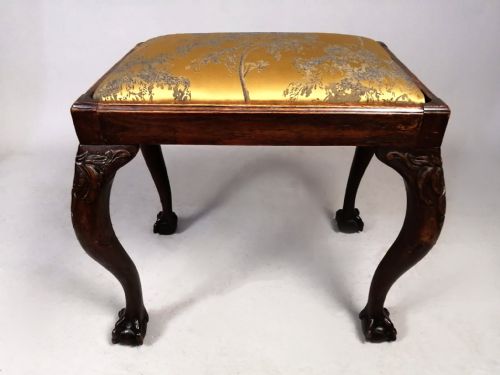
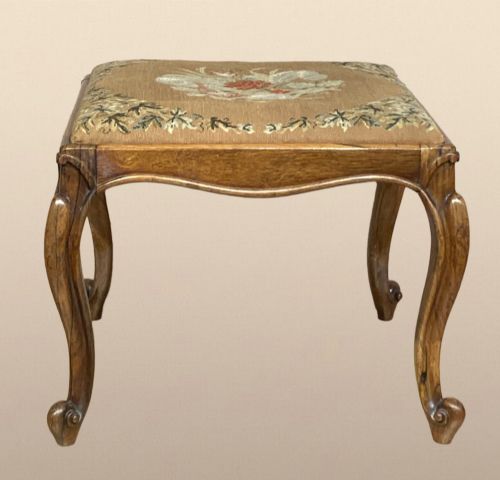
When you search for a carved wooden dressing stool, you encounter low seating designed to accompany a dressing table or vanity mirror. The forms span centuries of cabinetmaking, from compact Victorian rosewood examples to earlier Georgian and Queen Anne style designs.
Most pieces you meet on this page originate from the nineteenth century, alongside eighteenth-century works and later revival pieces. They appear in forms ranging from simple oval and circular seats to substantial cabriole-legged walnut frames.
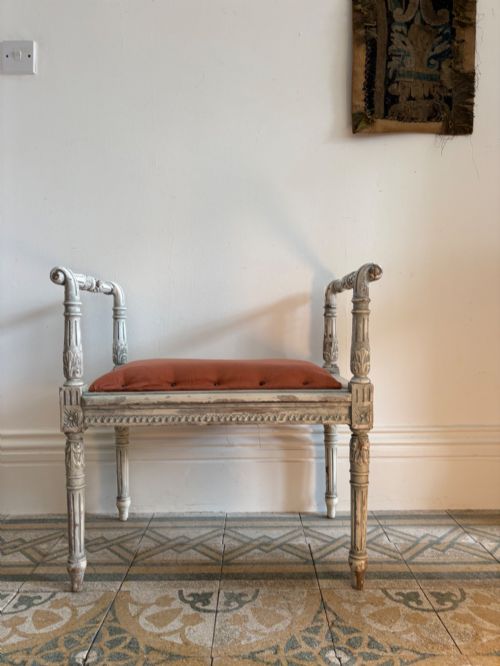
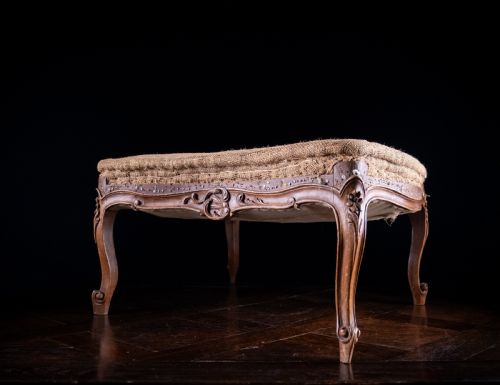
Makers shaped these items in various regional styles, including French Louis XV revivals, Swedish Gustavian white painted pieces, and Anglo-Indian rosewood creations. They serve equally as dressing table seats, window benches, and small footstools.
How they were made
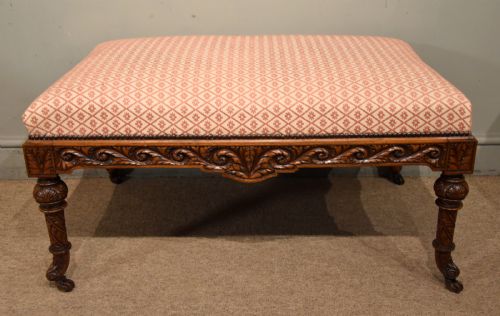
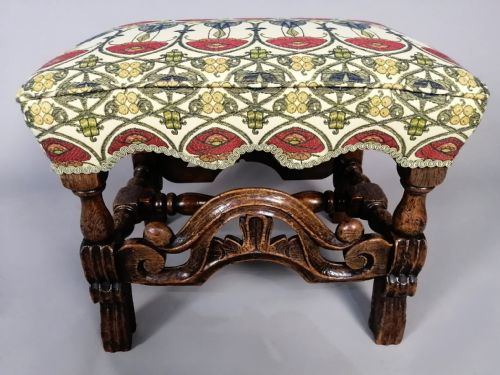
Cabinetmakers constructed these stools from dense timbers such as walnut, mahogany, rosewood, oak, beech, and elm, often applying detailed hand-carving to legs and rails. Selected woods provided the structural strength required for cabriole legs and decorative aprons.
Upholstery completed the pieces, utilising textiles like silk, tapestry, needlework, and fabric fixed over padded seats. Brass fittings appeared on specific designs, while painted finishes adorned Swedish Gustavian variants.
Several examples incorporate clever mechanical rise and fall actions, allowing a dressing seat to double as a music stool.
What varies in quality
The standard of carving defines the distinction between standard production and superior craftsmanship, with crisp, deep relief work showing greater skill than shallow moulding. Timber selection also dictates grade, with finely figured walnut or rosewood carrying more presence than basic commercial timbers.
Originality of the frame and the retention of period upholstery methods contribute significantly to a piece's standing. Well-balanced proportions on cabriole legs separate fine workshop output from simpler vernacular items.
J. Shoolbred
The Carved Wooden Dressing Stool Glossary
- Cabriole leg
- A furniture leg that curves outward at the knee and inward at the ankle, ending in a pad or scroll foot. This form derives from animal legs and appeared frequently on eighteenth and nineteenth-century seating.
- Gustavian
- A Swedish neoclassical style originating in the late eighteenth century. It utilises pale painted finishes and restrained classical carving.
- Carolean
- A seventeenth-century English style spanning the reign of Charles II, characterised by elaborate scrollwork, turned members, and carved oak frames.
- Needlepoint
- Stitched textile work using canvas ground, often employed for period seat covers on stools and chairs.
- Rise and fall
- A mechanical mechanism allowing seat height adjustment via a threaded spindle or screw action.
Carved Wooden Dressing Stool: Frequently Asked Questions
What is a carved wooden dressing stool used for?
These low seats function primarily as dressing table companions where users sit while grooming or applying makeup. They also serve as window seats, piano stools, or compact footstools in bedrooms and living spaces.
Their small footprint allows them to slide beneath dressing tables when not in use, making them practical for compact rooms.
How do I identify the period of a stool?
Dating relies on timber choice, leg profiles, and carving styles that correspond to known design movements. For example, cabriole legs and pad feet point to Georgian or Queen Anne influences, while rosewood frames frequently indicate Victorian manufacture.
Secondary woods and construction joints underneath the upholstery also offer clues to the exact decade of creation.
Can I use modern fabric on an antique stool?
Traditional upholstery methods involve webbing, stuffing, and horsehair beneath top covers, which can be re-covered in modern or period-appropriate textiles. Many surviving pieces retain earlier needlepoint or tapestry work, while others wear recent fabric.
Replacing the top layer of fabric does not alter the historical integrity of the wooden frame beneath.
Are these stools sturdy enough for daily seating?
Solid hardwood frames constructed from walnut, mahogany, or oak provide durable foundations for regular use. Traditional joinery such as mortise and tenon joints ensures stability over centuries.
Checking the tightness of the frame joints guarantees safe daily utility in a modern household.