
Carved Wooden Doors
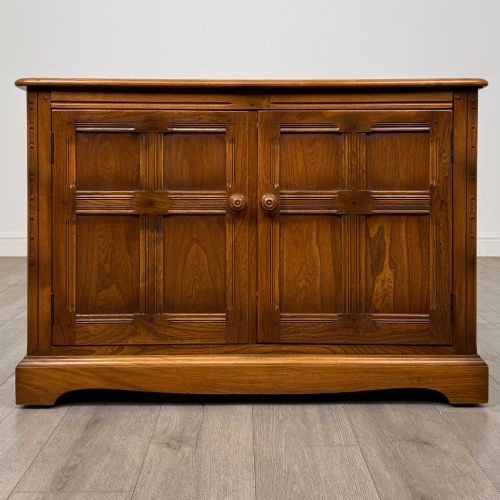
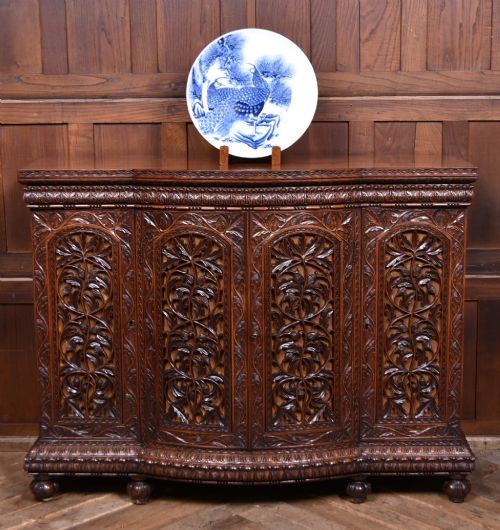
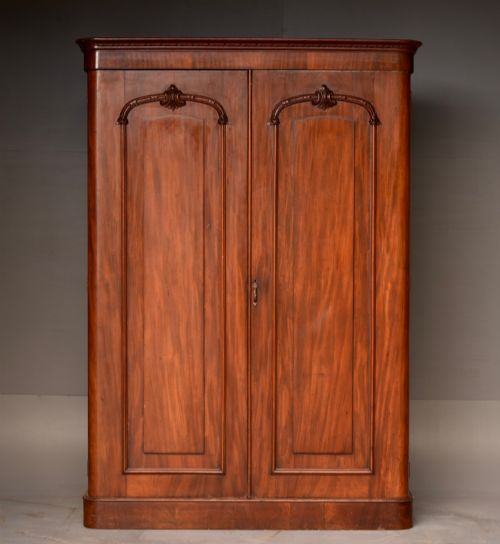
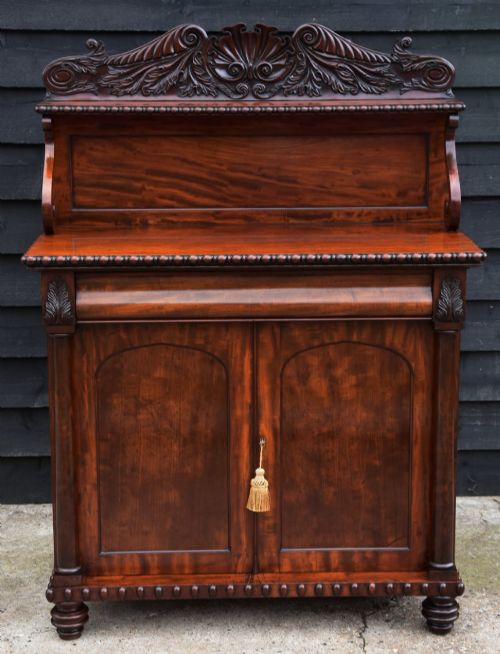
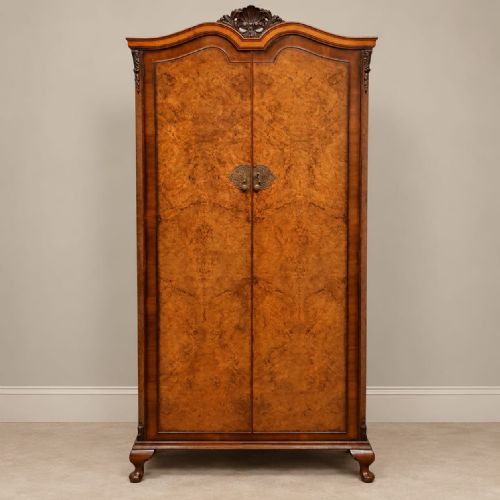
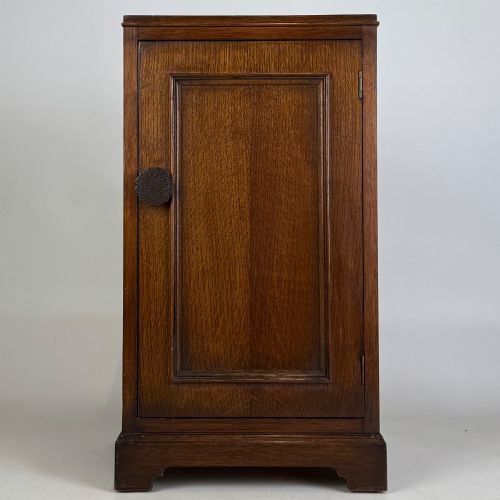
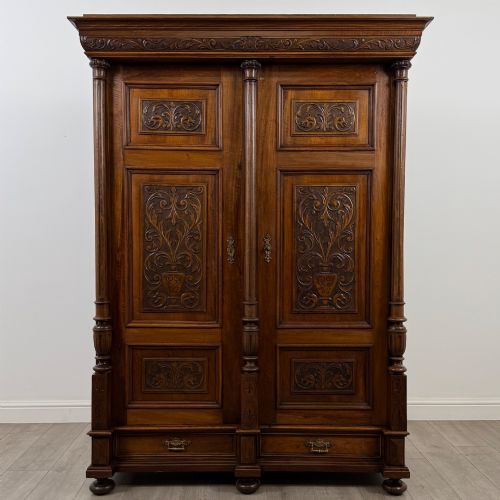
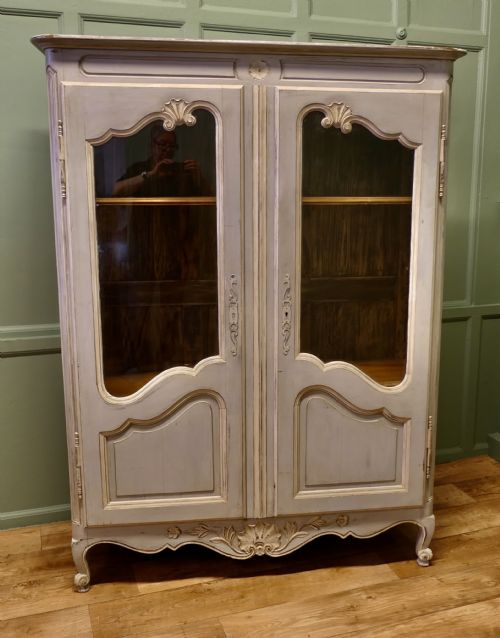
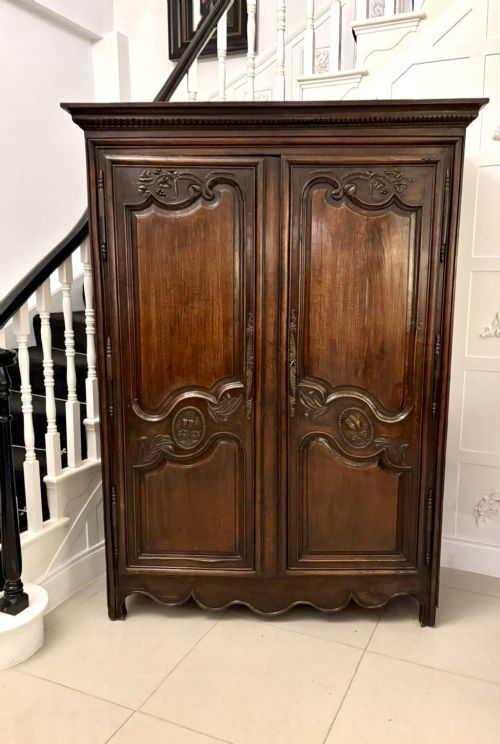
Carved wooden doors provide architectural presence and textural depth, emerging in forms from French armoires and panelled wardrobes to overdoors and architectural salvage.
Carved Wooden Doors
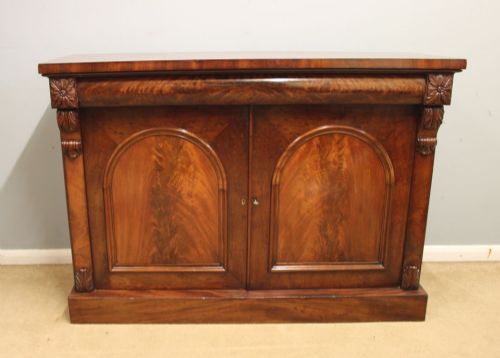
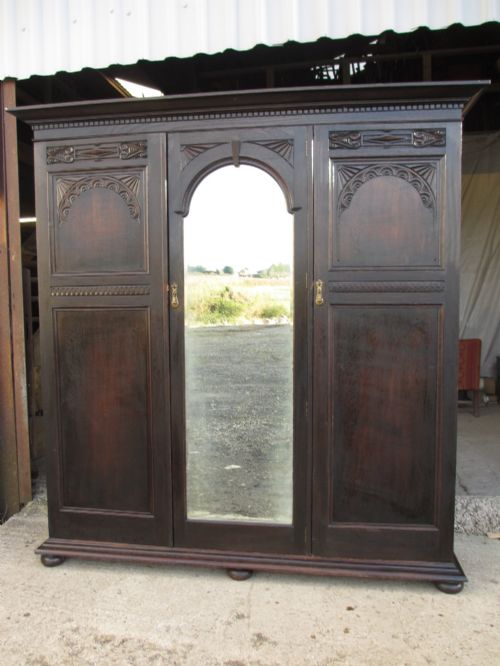
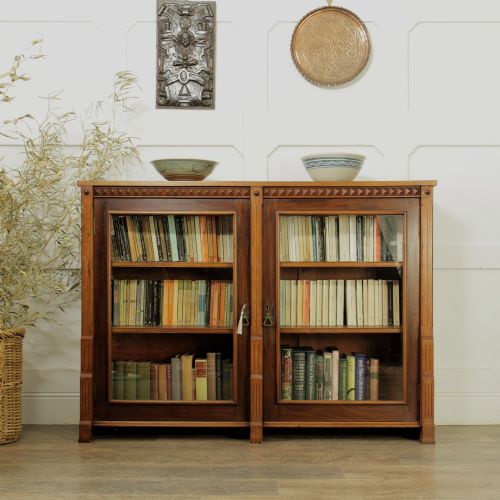
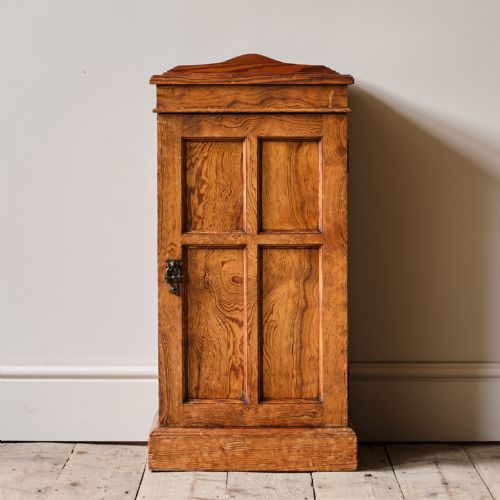
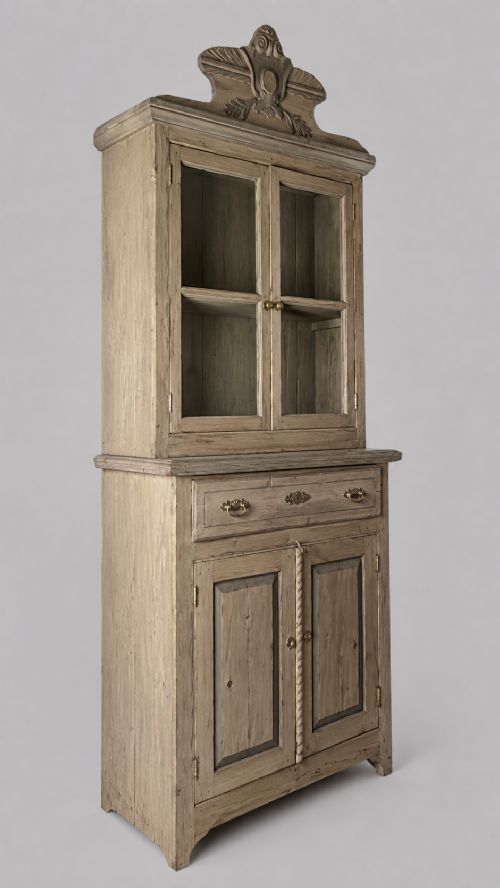
Carved wooden doors appear primarily as architectural elements and furniture components within these listings, spanning periods from the late seventeenth century through the Edwardian era. Buyers encounter structural pieces such as armoires, compactums, and wardrobes alongside architectural fragments like overdoors and pediments.
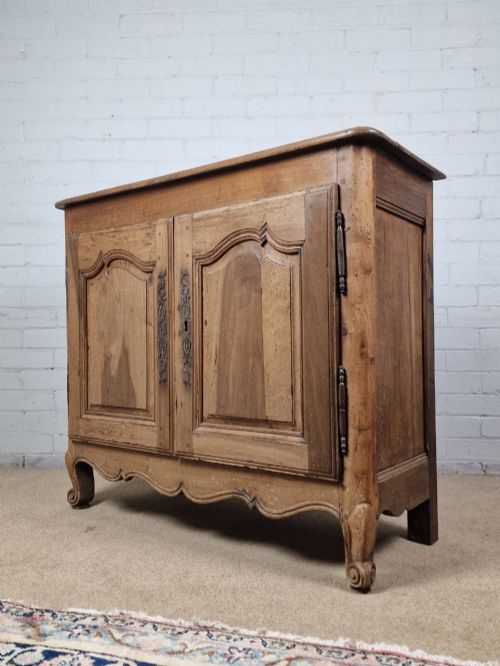
The selection ranges from French provincial armoires and Gothic Revival pine cupboards to Arts and Crafts ash cabinets and traditional Indian teak storage pieces. Oak and mahogany dominate the timber choices, frequently displaying linenfold or figured grain carving alongside glass panels and brass hardware.
How they were made
Construction relies upon seasoned hardwoods including oak, walnut, mahogany, and teak, shaped by hand using traditional joinery methods such as mortise and tenon frames. Panels receive surface enrichment through relief carving, linenfold detailing, or painted finishes applied over the timber ground.
Associated hardware incorporates cast brass handles, hinges, and escutcheons that secure the swinging leaves within rebated door frames. Glazed sections integrate leaded or plain glass panes held securely by timber glazing bars.
The listings incorporate oak, walnut, mahogany, ash, pine, padouk, and teak across 17th-, 18th-, 19th-, and 20th-century periods.
What varies in quality
Quality rests upon the selection of timber figure, such as burr walnut or golden oak, and the crispness of the hand-carved relief work. Superior examples exhibit balanced proportions and integrated architectural mouldings rather than applied surface decoration.
Structural integrity depends on the seasoning of the wood and the stability of the hanging stiles, preventing the warping that alters how large panelled leaves swing within their frames.
Holland and Sons
The Carved Wooden Doors Glossary
- Linenfold
- A style of relief carving on wooden panels that imitates folded parchment or linen cloth. It appears frequently on Tudor and revival cabinetry.
- Armoire
- A large upright cupboard or wardrobe used for storing garments, originating in France. These pieces often feature substantial carved doors and internal shelving or hanging space.
- Compactum
- A fitted wardrobe or multi-compartment storage cabinet designed to hold various types of clothing efficiently. They frequently incorporate multiple doors and internal drawers.
- Overdoor
- An architectural element placed immediately above a doorway, sometimes carved with figures or decorative motifs. These structural fragments alter the visual height and weight of an interior portal.
- Pediment
- A triangular or curved architectural ornament crowning a cabinet top or doorway. It provides a classical termination to large wardrobes and armoires.
Carved Wooden Doors: Frequently Asked Questions
How do I hang a heavy wooden door?
Heavy carved doors require substantial brass butt hinges screwed securely into solid timber hanging stiles to bear the weight without sagging.
Proper alignment relies upon shimming the frame plumb within the opening so the latch engages cleanly against the strike plate.
What wood types are most common?
Oak and mahogany appear most frequently among these listings, providing strong structural frames suitable for deep relief carving.
Walnut and burr walnut also feature prominently on finer Victorian and Edwardian wardrobes, offering decorative grain patterns.
How do I date an antique door?
Dating relies upon examining the timber species, tool marks left by saws and chisels, and the style of the carving or mouldings.
Secondary woods used inside panels and the construction methods of the joinery further narrow down the period of manufacture.
Can I use an architectural door indoors?
Architectural salvage doors function effectively as room dividers, wall art, or replacement portals within older properties.
Ensuring the timber has acclimatised to the interior humidity prevents shrinkage and splitting after installation.