


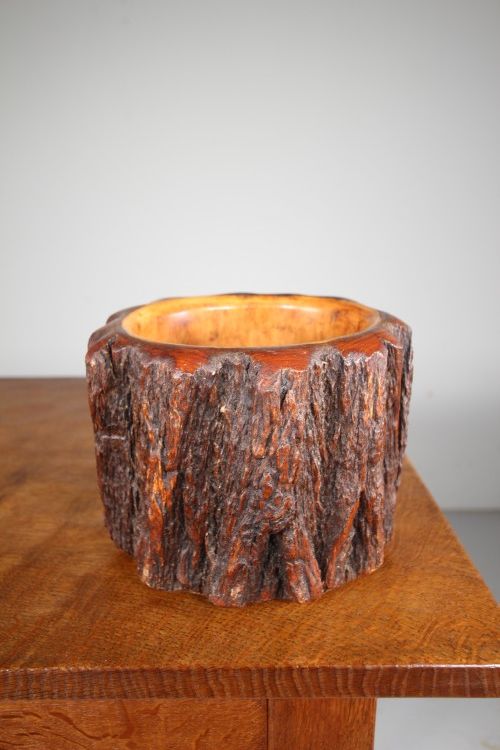


Carved Wooden Dish
These pieces of carved wooden dish represent centuries of hand-carved utility and decorative craft, offering tactile warmth to any interior.
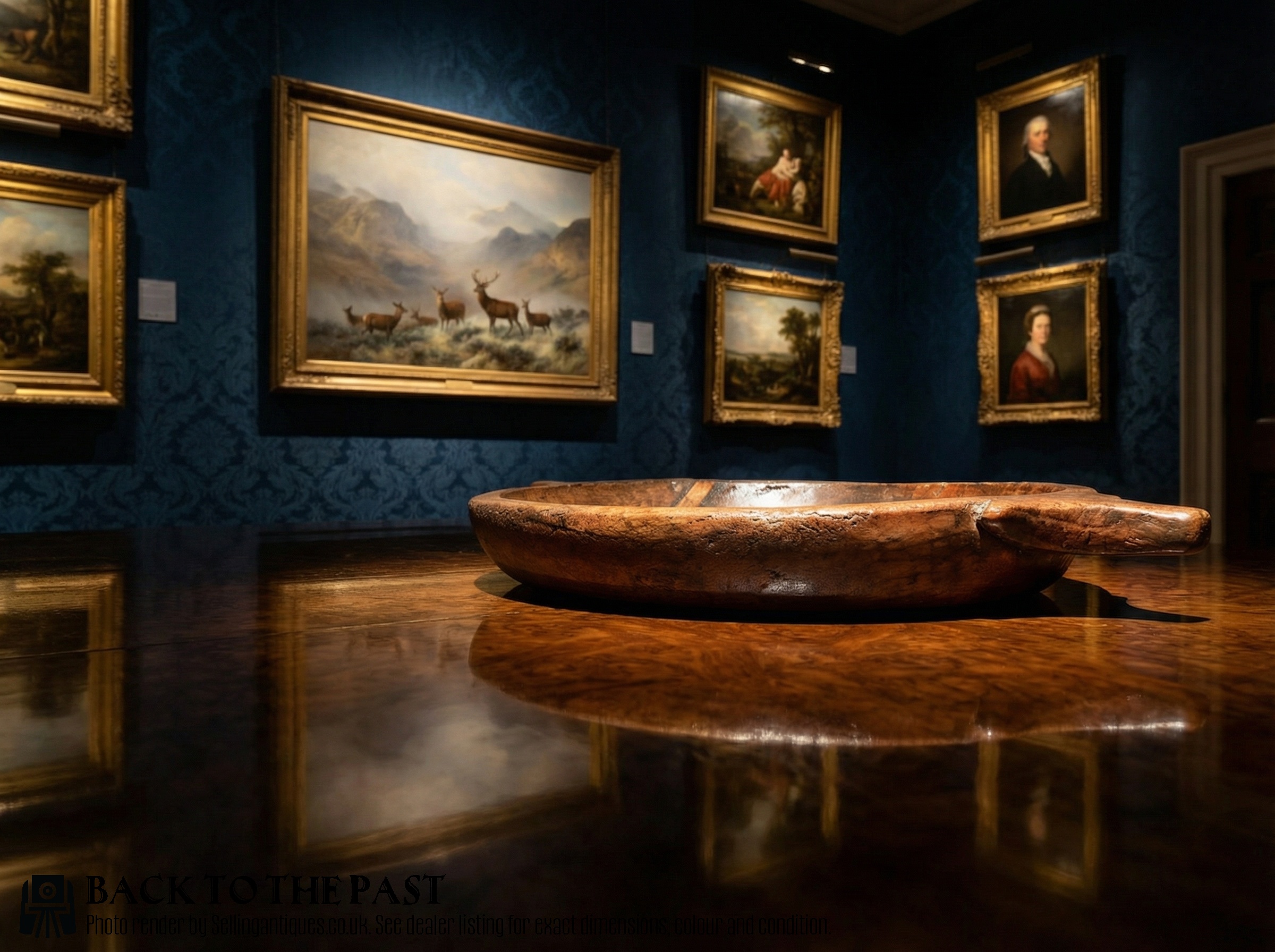
Carved Wooden Dish
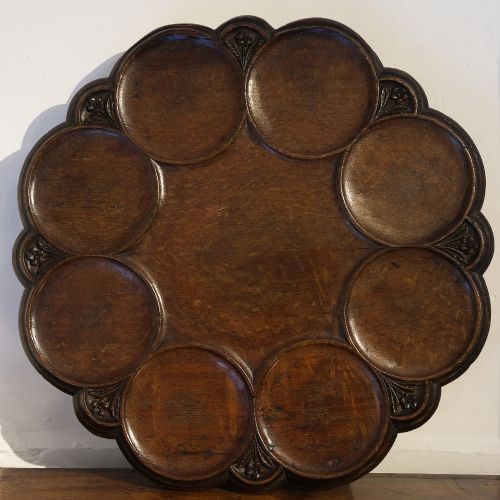
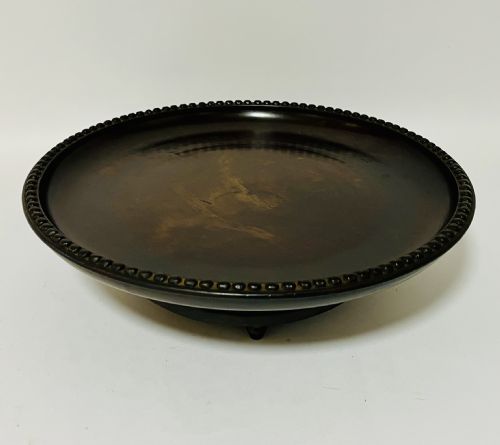
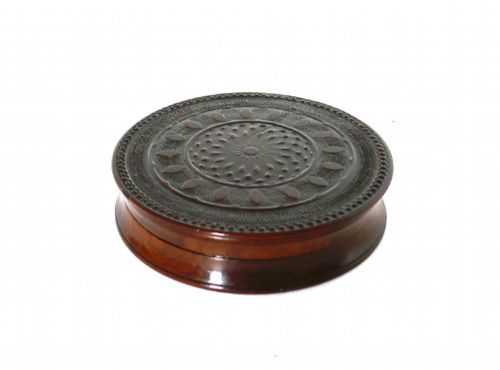
A carved wooden dish serves multiple domestic roles, appearing in forms such as fruit bowls, lidded boxes, and serving trays across this page.
The selection ranges widely from nineteenth century Black Forest linden wood items to rustic oak pieces and intricately detailed Swiss musical fruit bowls.
Buyers seeking a carved wooden dish encounter diverse historical periods including the eighteenth century, the Victorian era, and the nineteen-thirties.
Materials and Construction
Artisans utilised regional timbers such as oak, pine, elm, laburnum, walnut, and linden wood to fashion these utilitarian and decorative objects.
Carving techniques varied from deep figurative relief work, seen in Black Forest animal carvings, to turned decoration and engine-turned treen surface detailing.
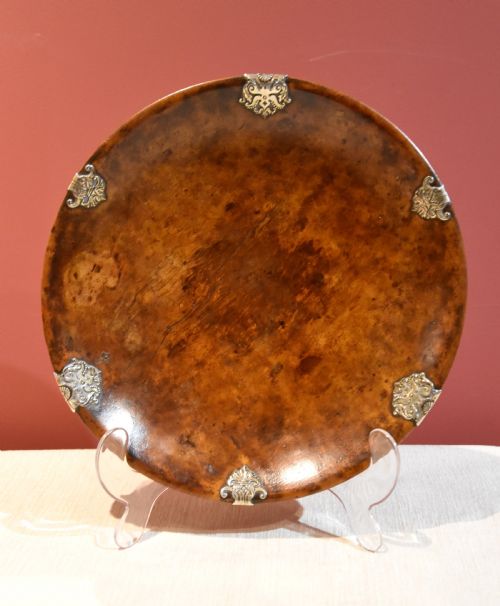
Metal mounts in brass or silver occasionally complement the primary wooden structures to secure hinges, rims, or decorative handles.
The listings on this site span multiple centuries, incorporating oak, pine, elm, and exotic hardwoods alongside regional styles like Swiss folk art.
Evaluating Quality
Superior quality in a carved wooden dish reveals itself through crispness of chisel work, anatomical accuracy in figurative pieces, and harmonious timber grain selection.
Condition matters profoundly, with undisturbed original surfaces and patination holding significantly more aesthetic and historical weight than over-restored or stripped examples.
The ambition of the design, whether simple rural folk art or sophisticated Swiss musical and Italian Sorrento ware, dictates the artistic standing of the piece.
The Carved Wooden Dish Glossary
- Treen
- Small handmade wooden domestic objects produced prior to the twentieth century. This encompasses items ranging from snuff boxes to small platters.
- Black Forest
- A nineteenth century Swiss and German carving style characterised by naturalistic animals and foliage. Bears and woodland creatures frequently appear in these works.
- Sorrento ware
- Inlaid and carved wooden decorative items originating from Italy in the nineteenth century. Olivewood is a primary timber utilised for these intricate surfaces.
- Lazy Susan
- A rotating tray placed on a table to assist with serving food. Examples in the evidence span oak and other timbers from the nineteenth and early twentieth centuries.
- Tazza
- A shallow bowl or dish raised on a stem and foot. These decorative serving vessels appear in carved walnut and oak within the listings.
Carved Wooden Dish: Frequently Asked Questions
Can I use these bowls for serving food?
Many historic pieces functioned originally for fruit or dry foodstuffs during daily domestic life.
Modern usage depends entirely on the integrity of the historic finish and internal sealants.
What is the difference between treen and general woodenware?
Treen specifically denotes small, functional wooden bygones collected for their tactile qualities and age.
Larger furniture components or architectural fragments fall outside this specific collector category.
How do I identify Black Forest carvings?
These pieces typically depict bears, dogs, or alpine foliage carved with dramatic, deep realism from linden wood or walnut.
Originating mainly from Switzerland and Germany, they date predominantly to the nineteenth century.