





Carved Wooden Daybed
A carved wooden daybed offers a historic place for daytime rest, bringing centuries of regional craftsmanship and timberwork into the home.

Carved Wooden Daybed
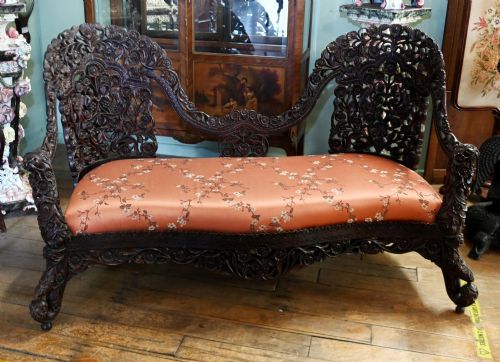
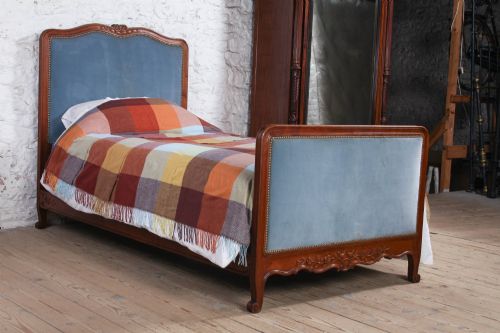
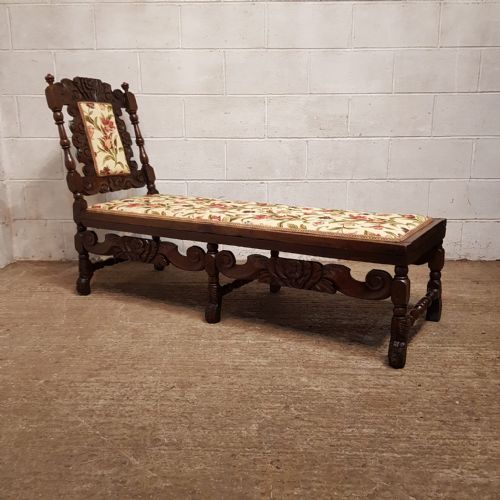
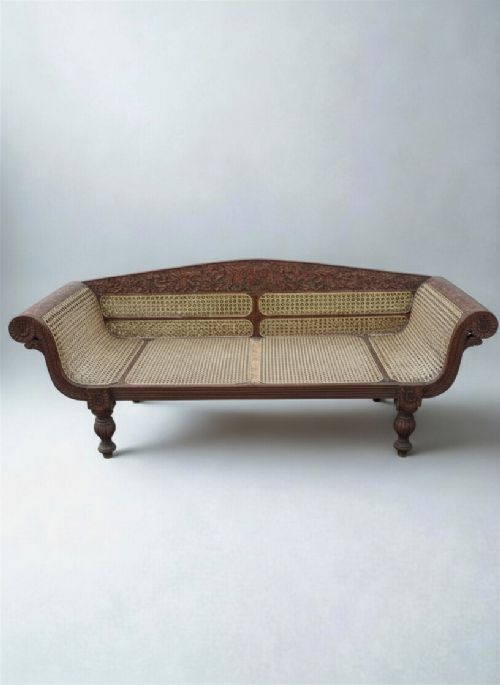
When you search for a carved wooden daybed, you encounter a diverse selection of seating and sleeping furniture spanning multiple centuries and global origins. The forms range from Regency scroll-end sofas and Victorian oak daybeds to Anglo-Indian hardwood benches and Chinese lacquered opium beds.
Most pieces on this page derive from the nineteenth century, alongside eighteenth-century Swedish settees and early twentieth-century Chinese benches. These items function equally as low stools, window seats, or grand centrepieces within contemporary living spaces.
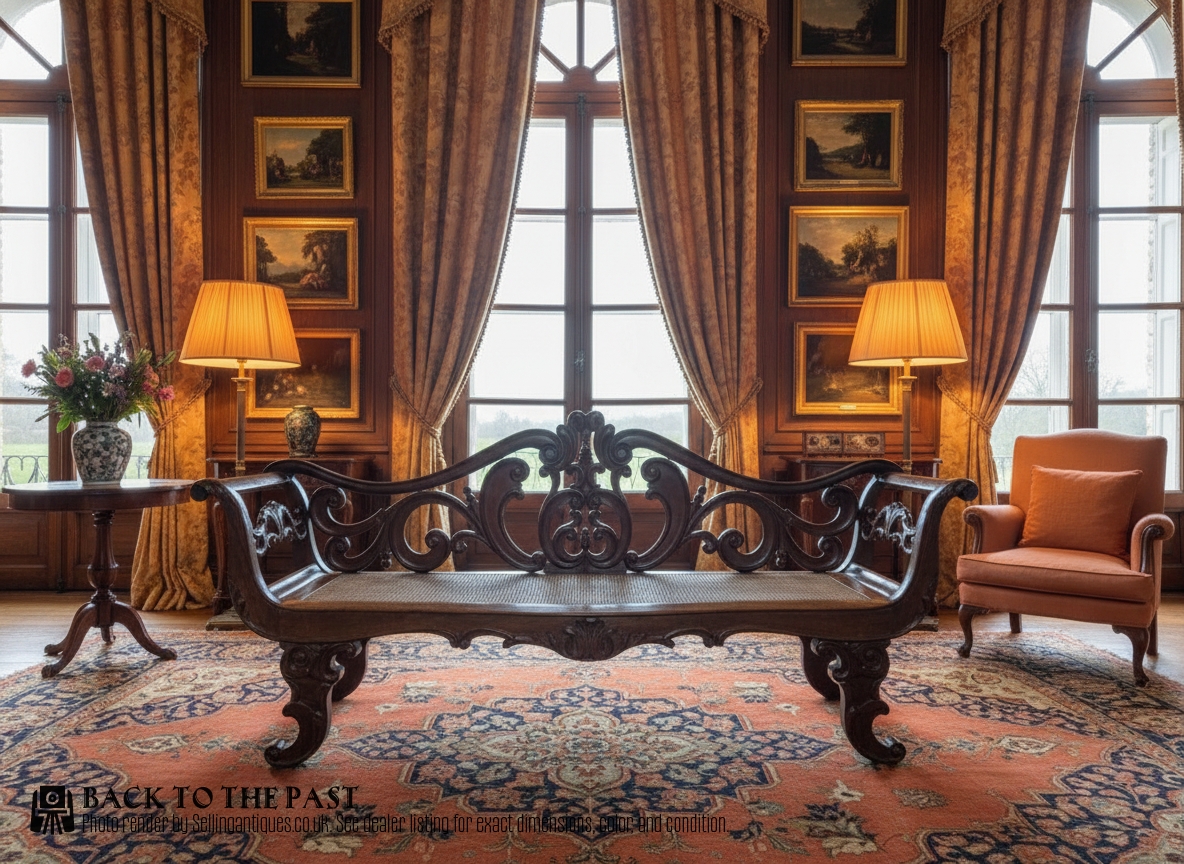
How they were made
Constructed primarily from hardwood, mahogany, oak, elm, rosewood, teak, walnut, and birch, these frames utilise solid timbers shaped by traditional joinery and hand carving. Many examples incorporate cane seating panels, brass mounts, marble details, or fabric upholstery.
Finishes vary from natural polished grains to red lacquer and ebonised treatments, occasionally featuring intricate oriental dragon motifs or Boulle inlay.
Carved Wooden Daybed Retail Price Guide 2026
Typical asking prices for carved wooden daybed among the pieces listed under this phrase on Sellingantiques today, from the lower quarter to the upper quarter. They describe what is for sale here now, not the wider market.
Several listings double as unexpected heavy-duty seating, including a repurposed bullock cart bench and an African ceremonial bed.
What varies in quality
The standard of a carved wooden daybed rests upon the crispness of the hand carving and the integrity of the primary timber frame. Pieces executed with deep, detailed relief work and well-preserved structural joinery sit at the higher end of the range.
The condition of integrated elements such as original cane webbing, lacquered surfaces, or specialist inlays significantly influences the integrity and character of each individual piece.
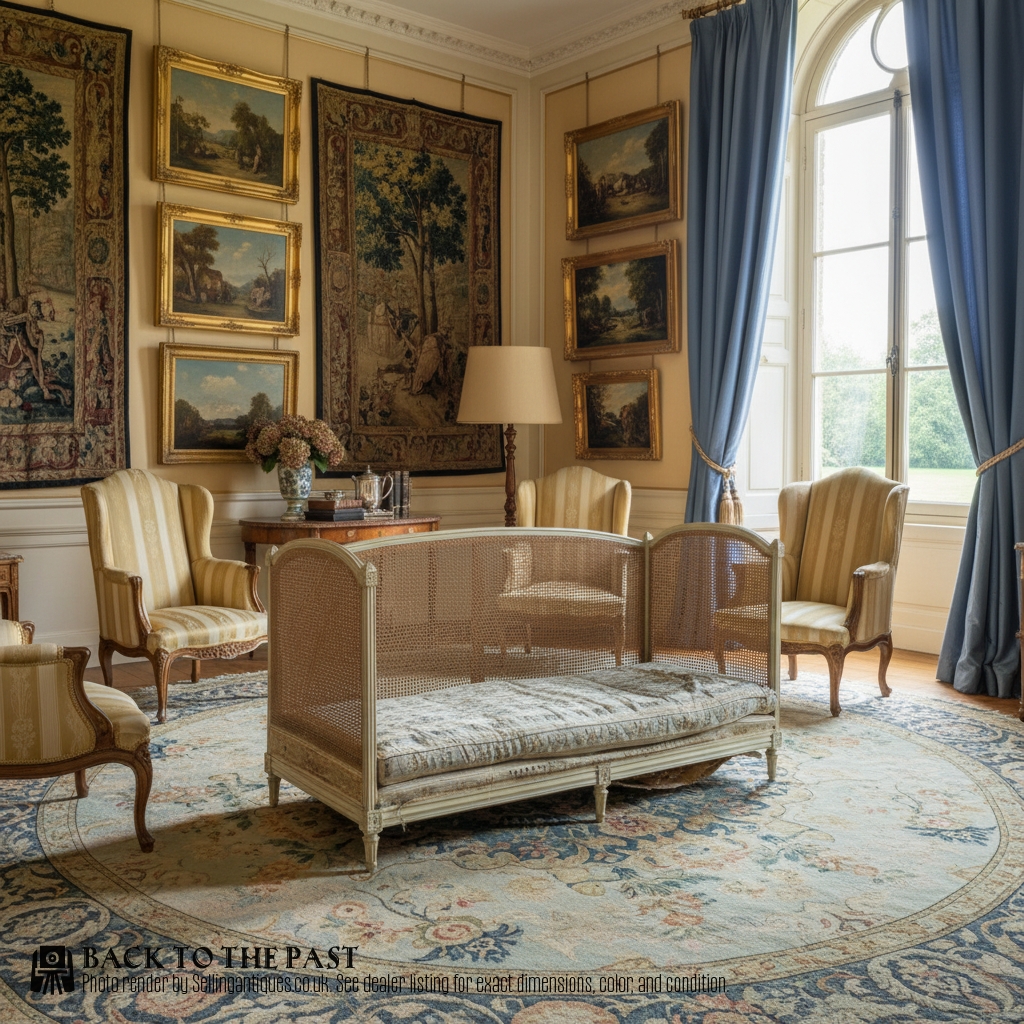
The Carved Wooden Daybed Glossary
- Daybed
- A form of furniture serving as both a seat and a bed, designed primarily for reclining during the day. These pieces often feature raised ends or backs similar to sofas.
- Cane
- Woven rattan material utilised for seats and backrests, providing a flexible and breathable surface. It appears frequently on nineteenth-century Anglo-Indian and French bergere frames.
- Lacquer
- A durable resin finish applied in multiple layers, commonly seen in red or black on Chinese marriage beds and opium beds. This technique protects the underlying wood while providing a glossy decorative surface.
- Scroll-end
- A style of sofa or daybed arm that curves outward and downward in a spiral formation. This silhouette appears prominently in Regency and nineteenth-century European seating.
- Settle
- A wooden bench with high backboards, solid arms, and often a storage compartment beneath the seat. These traditional forms provide shelter from drafts in historic interiors.
Carved Wooden Daybed: Frequently Asked Questions
How were daybeds used historically?
Historically, these pieces served multifunctional roles for daytime resting, reading, or receiving visitors in private chambers and public rooms alike.
In various global traditions, specialised variants like opium beds or floor seats also functioned as central platforms for social gatherings within the home.
How do I style a daybed today?
A daybed works effectively as a living room sofa alternative, a window seat, or a striking focal point in a hallway.
Placing loose cushions along the backrest helps balance the rigid timber frame while maintaining comfort for daily lounging.
Can I use an antique daybed for sleeping?
Many historic daybeds and couches accommodate short periods of rest, though original dimensions often run narrower than modern standard mattresses.
Checking the internal length and the structural support of the cane or wooden base ensures the piece suits your intended use.
How do I identify the period of a wooden daybed?
Period attribution relies on examining the timber species, carving styles, and construction methods characteristic of eras such as the Regency, Victorian, or Qing Dynasty.
Regional details, including Swedish painted surfaces or Anglo-Indian rosewood turnings, further help narrow down the date of manufacture.