
Carved Wooden Console Table
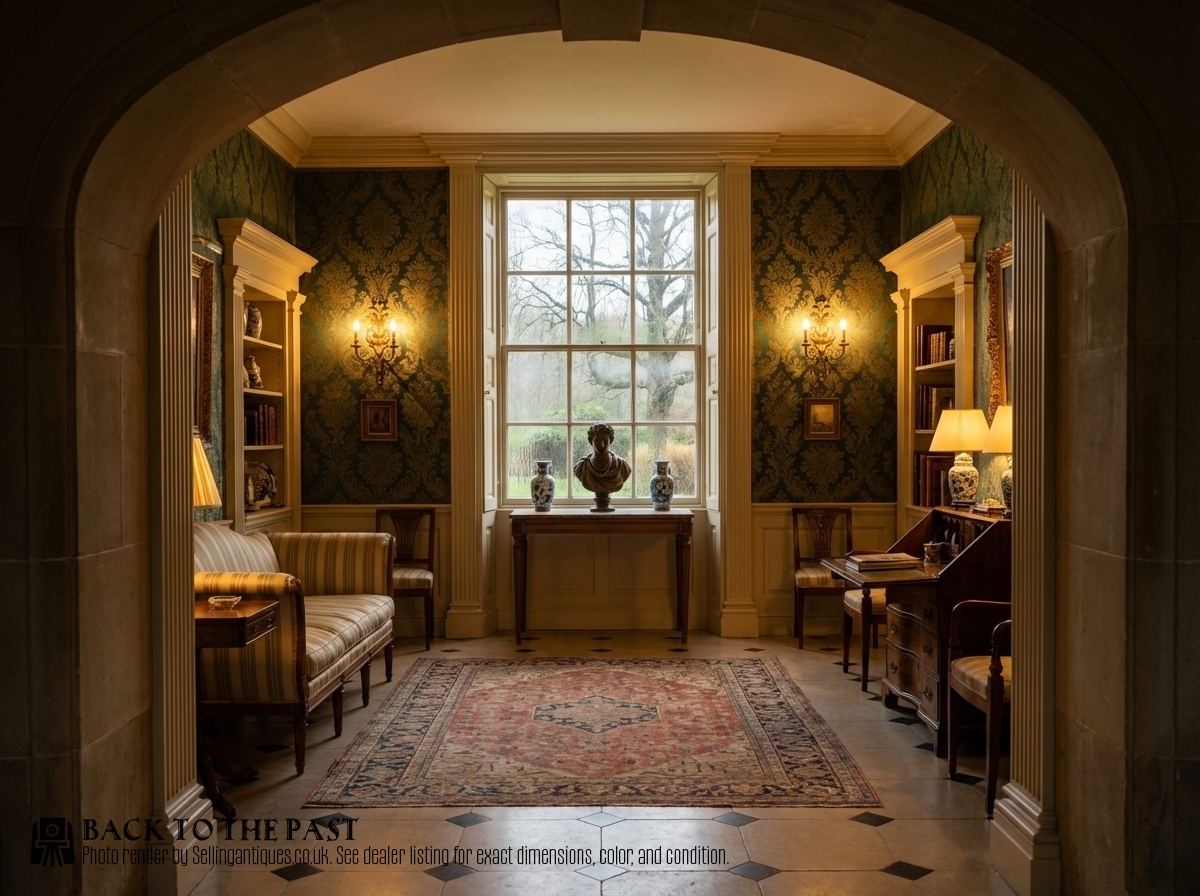
A carved wooden console table brings architectural presence and surface utility to an interior, anchored by substantial timberwork and often topped with marble.

What a carved wooden console table is
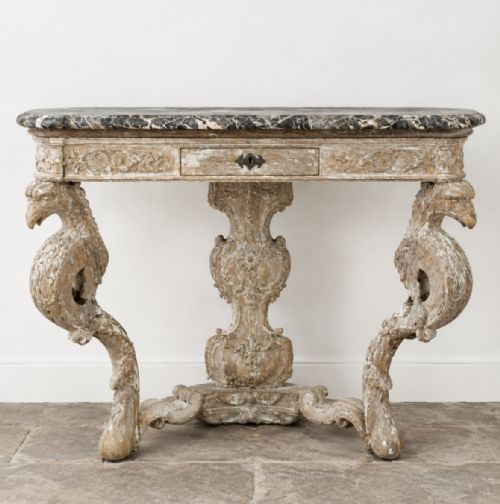
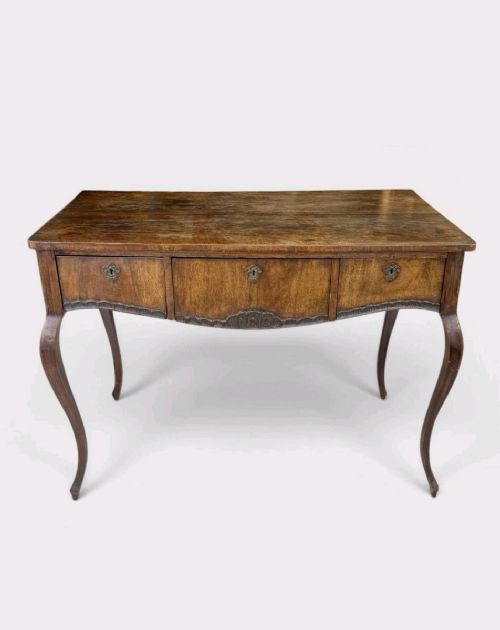
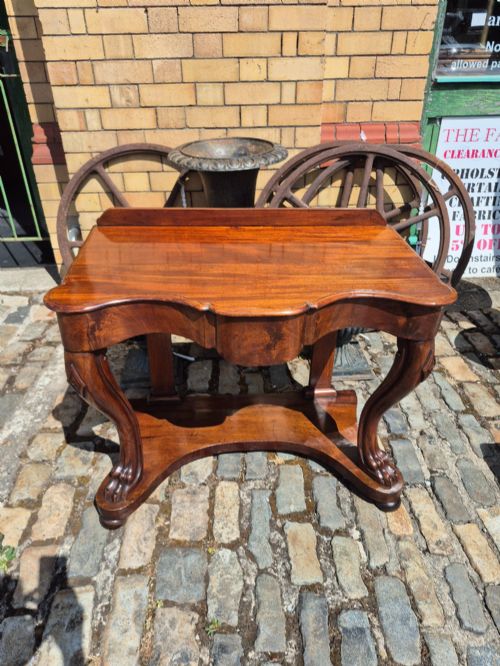
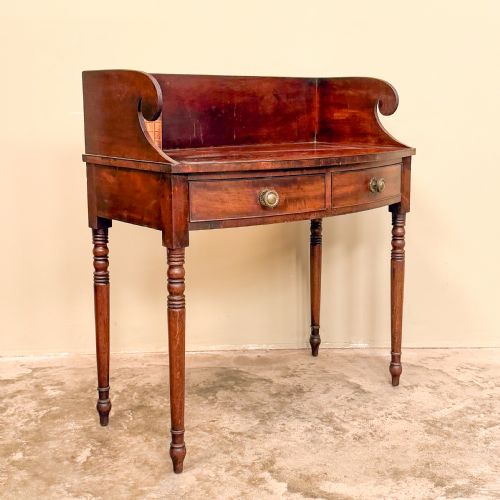
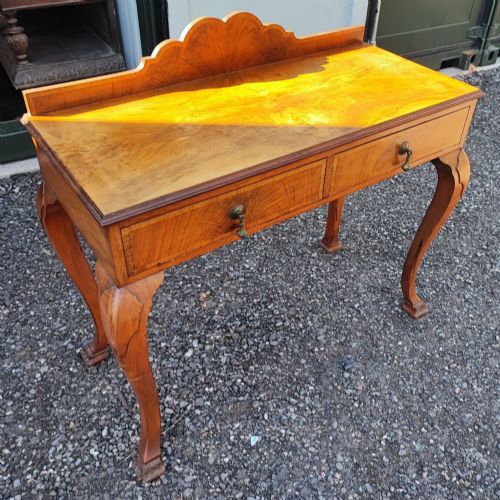
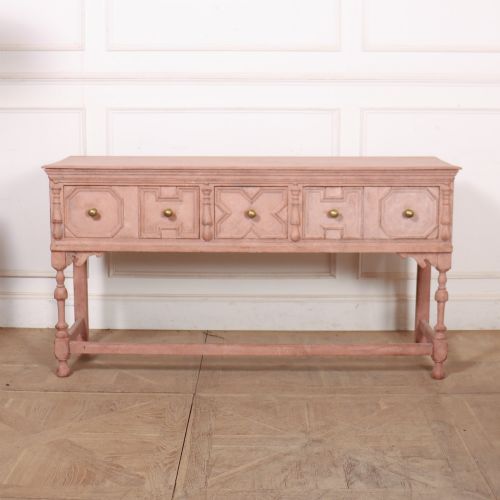
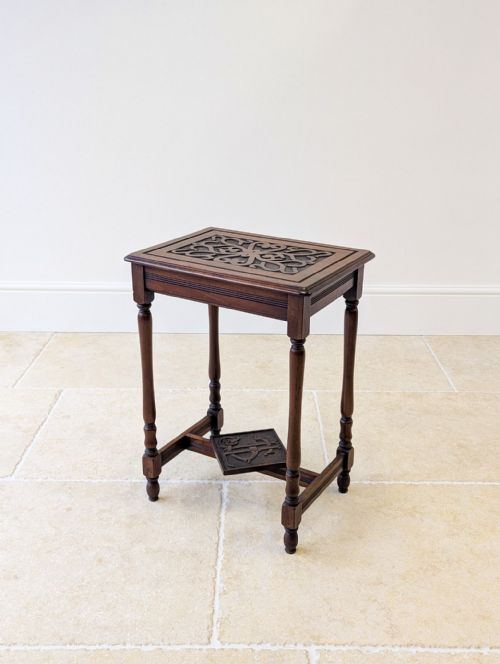
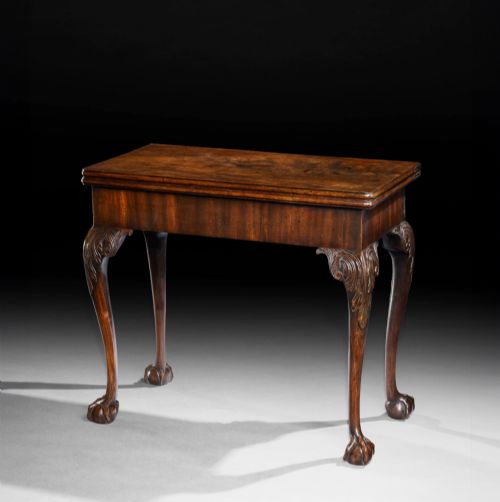
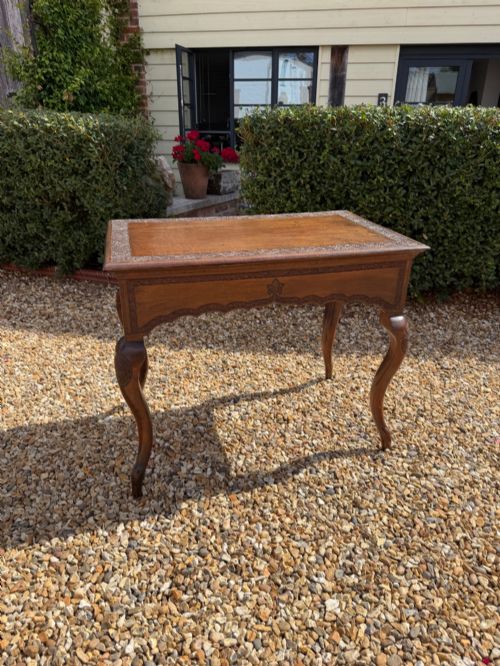
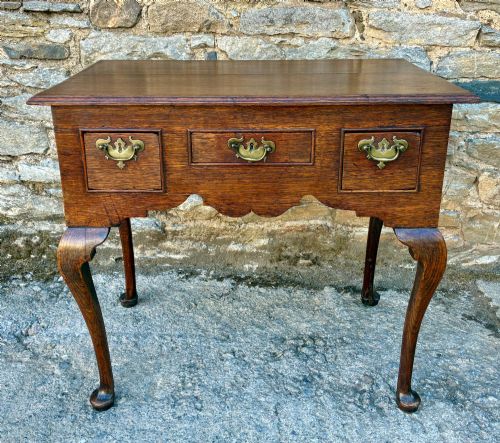
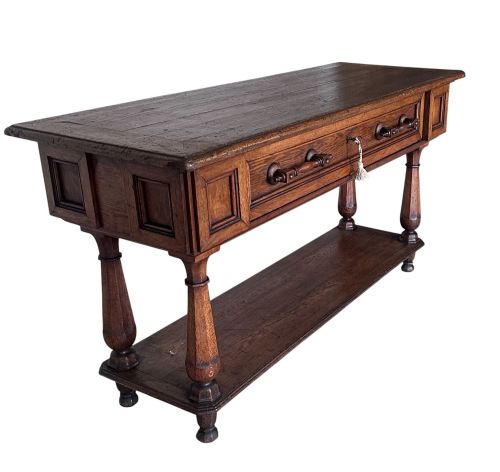
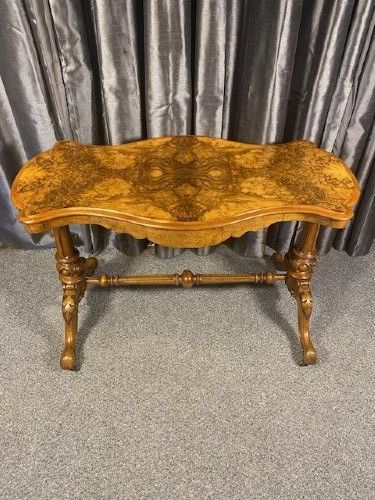
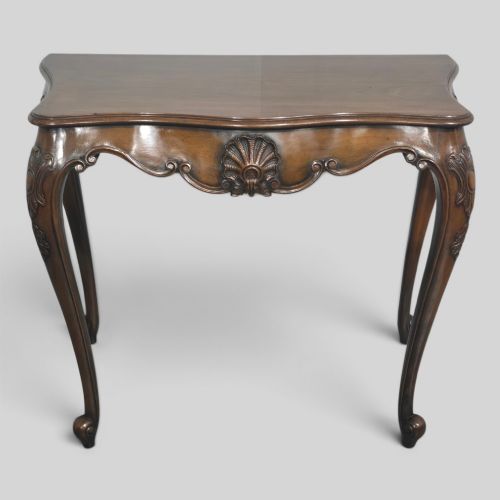
A carved wooden console table appears in several distinct historical idioms across the inventory, spanning the seventeenth, eighteenth, and nineteenth centuries. These pieces function primarily as architectural side furniture designed to sit flat against a wall, frequently paired with a contrasting stone top.
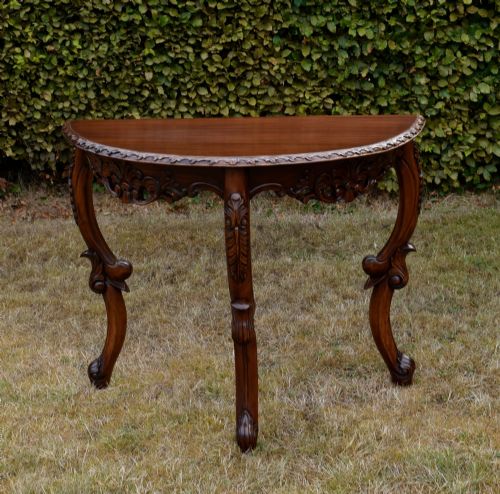
The most visible examples on this page draw on Revival and Continental styles, ranging from Spanish Baroque and Italian Rococo to George II Revival and Elizabethan Revival. Formats vary from demilune shapes to solid walnut side tables and painted Italian surfaces.
Origins stretch across European and global workshops, including English houses such as Gillows, Spanish makers, French provincial carpenters, and Anglo-Burmese carvers. Buyers encounter forms ranging from heavy seventeenth-century solid timber constructions to lighter nineteenth-century decorative items.
How they were made
Construction relies heavily on traditional timber selection, utilising solid walnut, mahogany, teak, and various painted woods shaped through hand woodworking techniques. Structural frames support heavy surface materials such as marble and wrought iron details.
Ornamentation is achieved through direct carving into the wood substrate, complemented by applied paint finishes and the development of original patina over centuries of use.
Retail Price Guide 2026
Typical UK retail prices for carved wooden console table, calculated from the Sellingantiques database of over a million retail prices indexed since 2003. This retail price guide relies exclusively on Sellingantiques data; no external sources or auction records are used, so the figures do not describe the wider market.
What varies in quality
Quality diverges between sturdy, honest structural timber and purely decorative surface carving, separating straightforward domestic utility from ambitious stylistic revival pieces. The integrity of the original patina and the weight of materials like solid walnut or fitted marble elevate certain examples above standard workshop output.
Attribution to documented workshops like Gillows introduces a distinct tier of craftsmanship, where refined joinery and precise historical styling distinguish the work from anonymous regional production.
Gillows
The Carved Wooden Console Table Glossary
- Console table
- A table designed to stand against a wall, historically supported by brackets or console legs rather than four independent vertical posts.
- Patina
- The surface sheen and coloration developed through age, handling, and wax polishing on historic wood surfaces.
- Demilune
- A half-moon shape characteristic of tables built with a flat back edge for placement directly against a wall.
- Revival
- A nineteenth-century design movement that reinterprets earlier historical styles such as Elizabethan, George II, or Baroque.
Frequently Asked Questions
Where do you put a console table?
These tables traditionally sit flat against a wall in hallways, reception rooms, or living spaces where floor depth is restricted. Their shallow profiles allow them to hold decorative objects without obstructing room traffic.
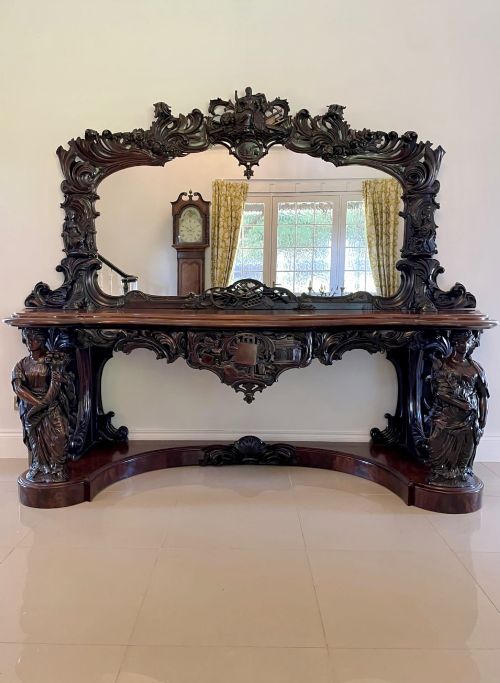
Matching a marble top version with a mirror hung directly above creates a classic focal point within an interior scheme.
How do I identify an older console table?
Dating relies on examining the timber species, joinery methods, and stylistic vocabulary used in the carved elements. Seventeenth and eighteenth-century examples often feature solid walnut or heavy framing with deep original patina.
Nineteenth-century revival pieces typically incorporate stylistic markers from earlier reigns, combined with machine-assisted or more refined hand-carving techniques.
Are these tables sturdy enough for daily use?
Most historic tables are built from dense hardwoods like mahogany and walnut, providing stable platforms for everyday items. Heavy marble tops add considerable downward weight that keeps the freestanding frames secure against walls.
Care should be taken with delicate painted surfaces or antique joinery when placing heavy or vibrating objects upon them.
What is the difference between a side table and a console?
Console tables are specifically designed to anchor against a wall, sometimes relying on wall fixings or console brackets for complete stability. Side tables generally feature four freestanding legs and can stand independently anywhere in a room.
In historical listings, these terms occasionally overlap depending on the exact form and leg configuration of the piece.