

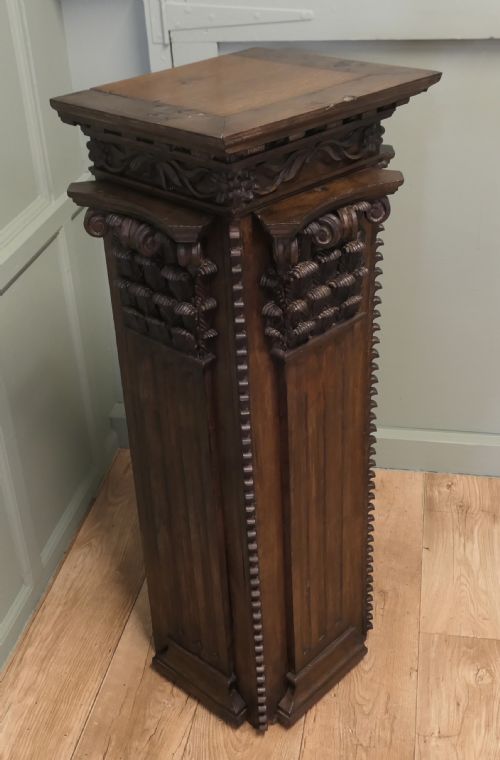
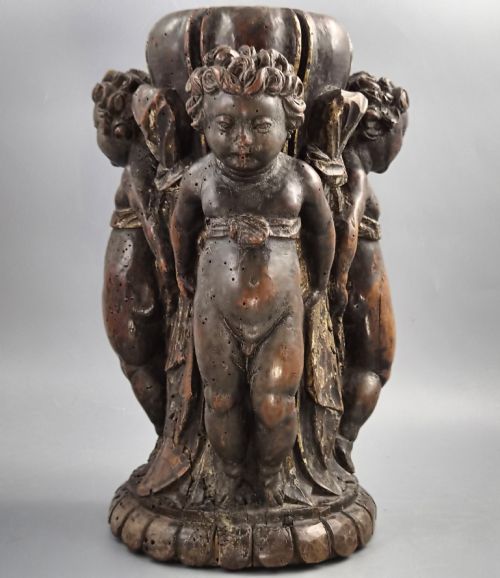
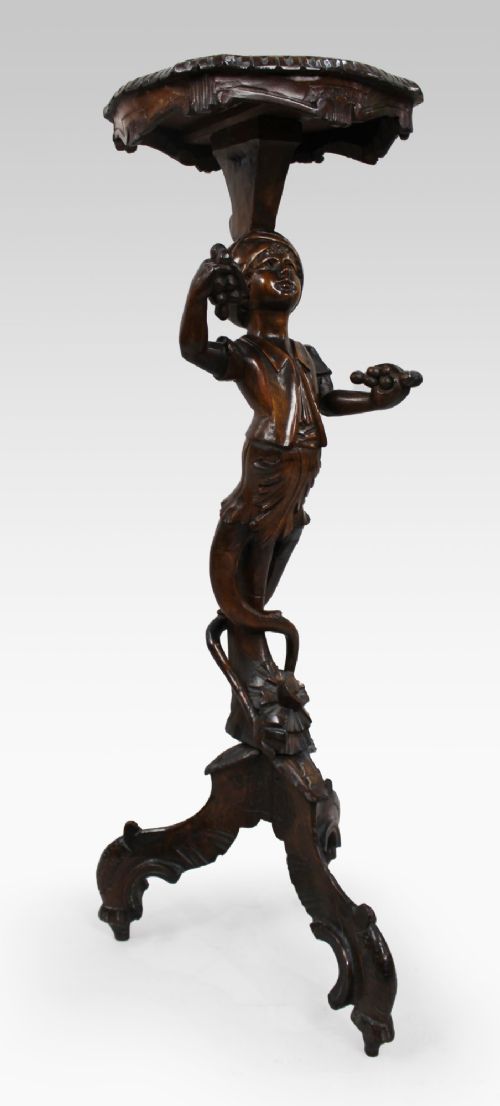
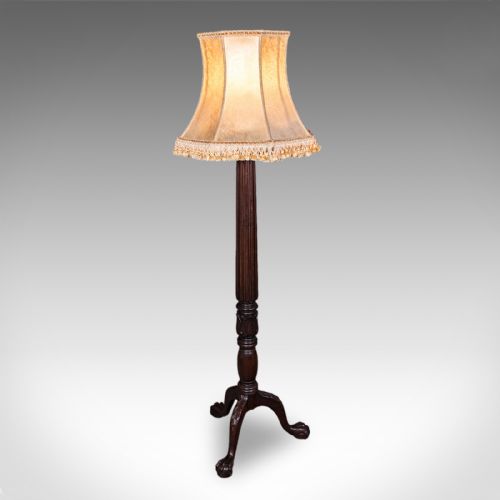
Carved Wooden Column Stand
A carved wooden column stand elevates sculpture, foliage or light, bringing architectural presence and vertical emphasis into a room.
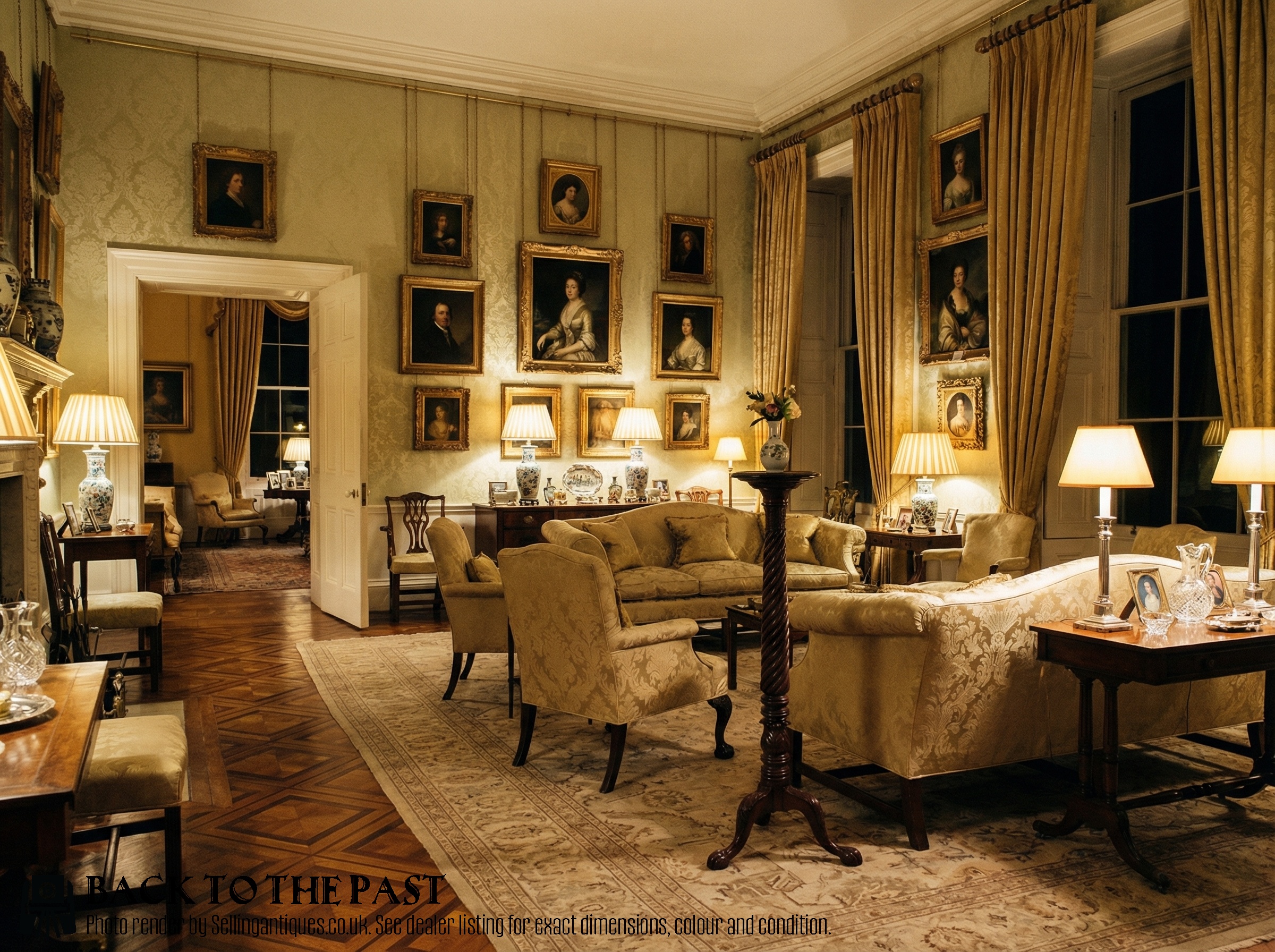
Carved Wooden Column Stand
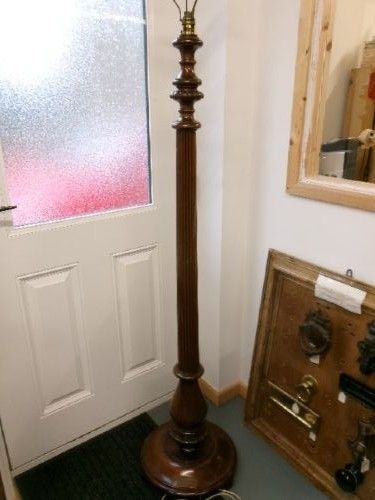
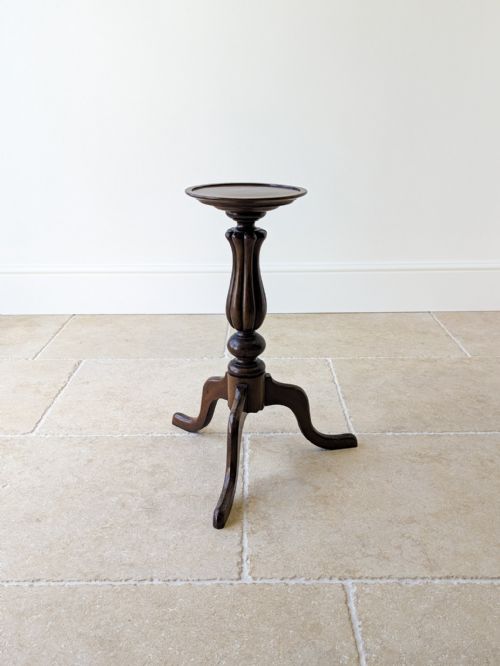
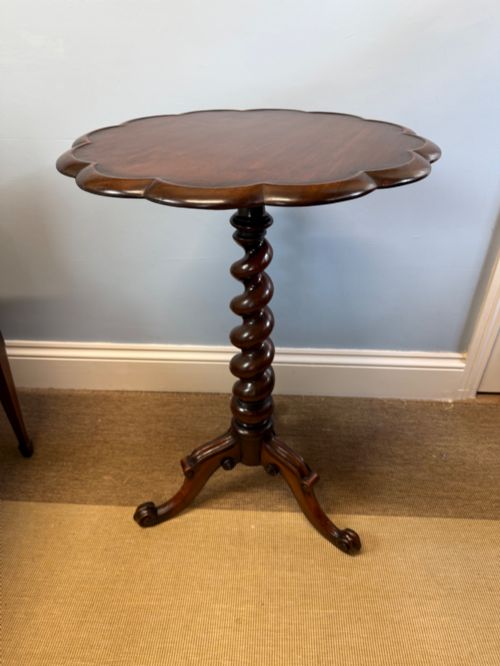
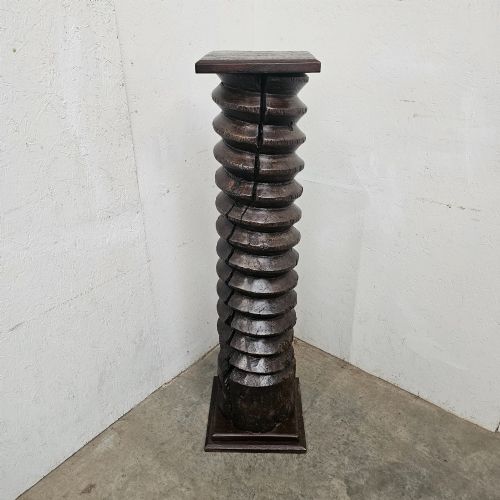
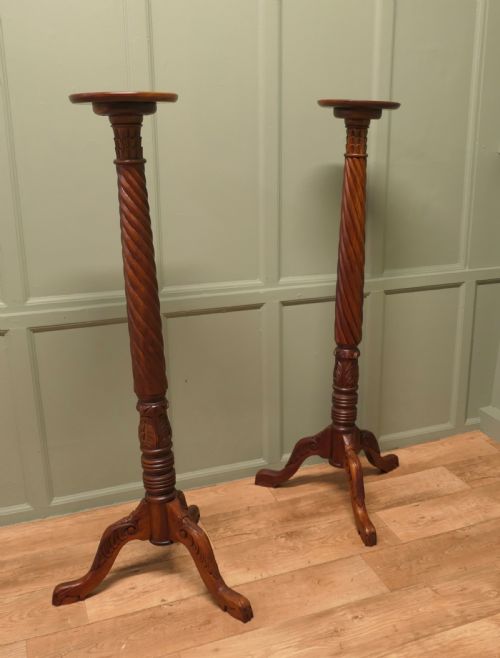
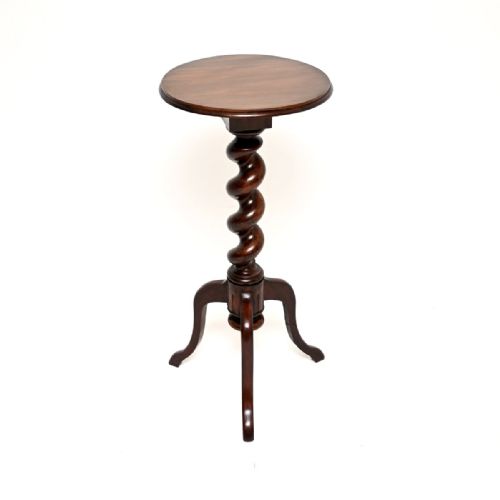
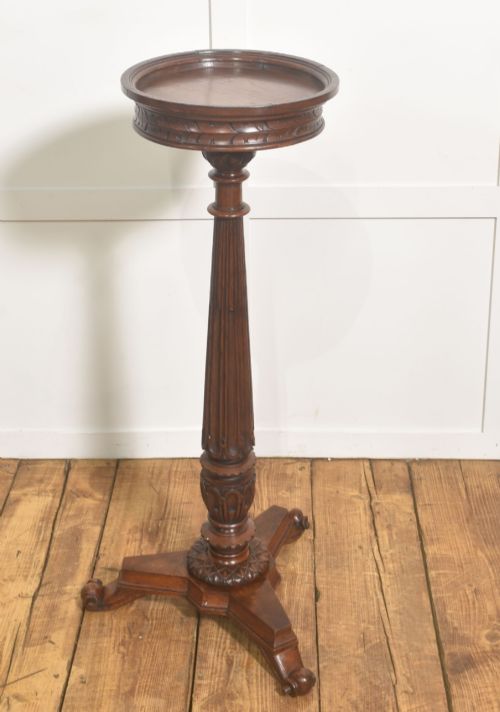
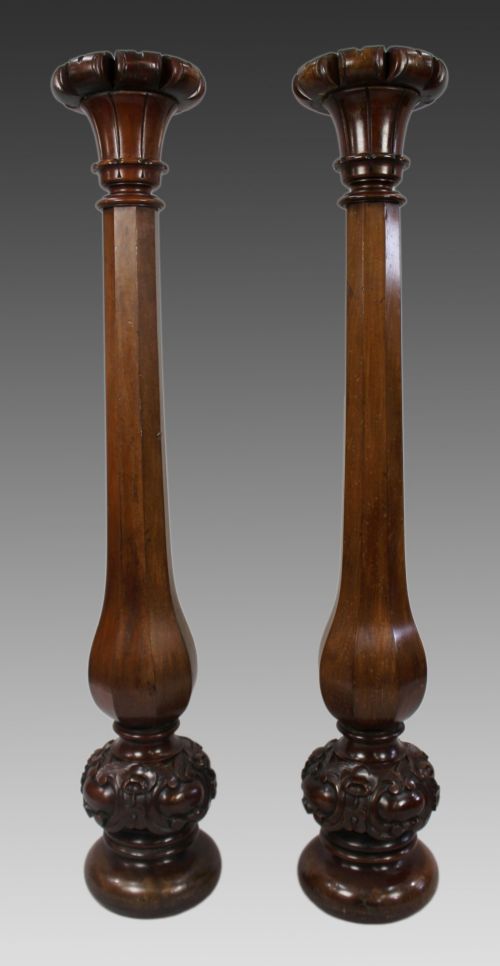
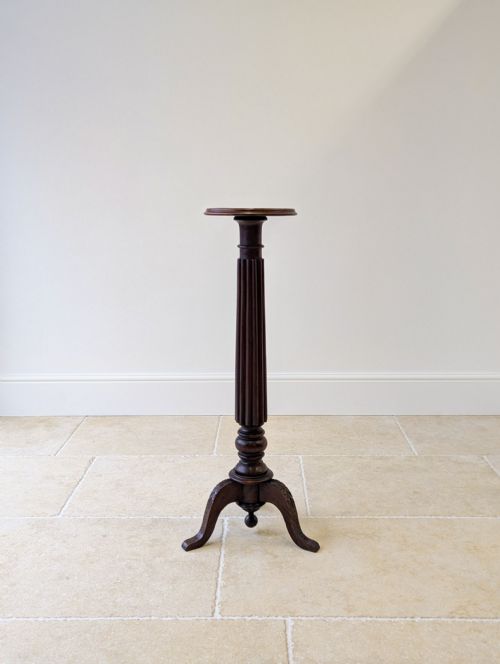
A carved wooden column stand functions primarily to elevate decorative objects, plants, lamps or art within domestic interiors. These pieces appear in forms such as torcheres, pedestals, plant stands and occasional tables.
The selection ranges from tall Victorian and Edwardian examples to earlier 18th century forms. Oak, mahogany and walnut dominate the construction across various revivals and regional interpretations.
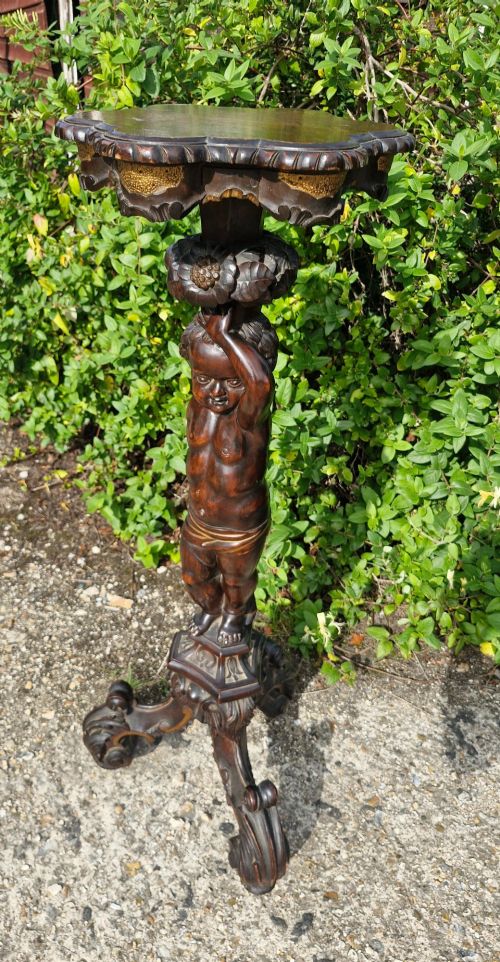
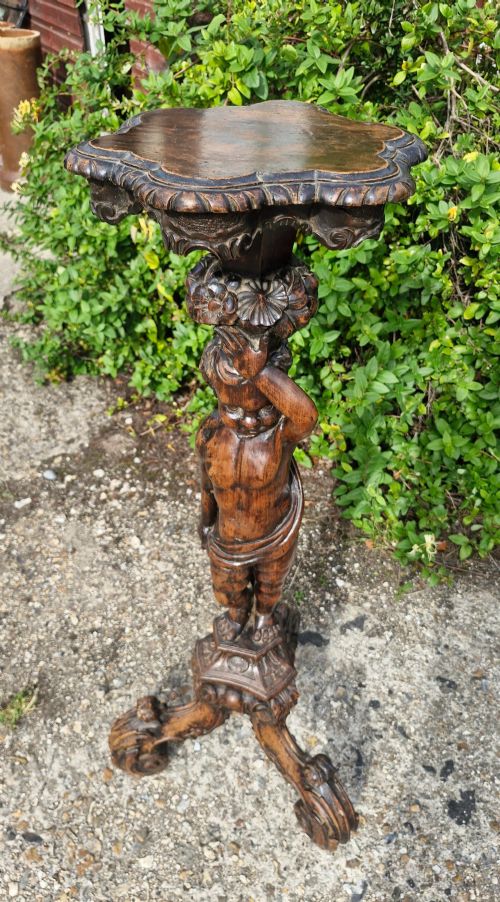
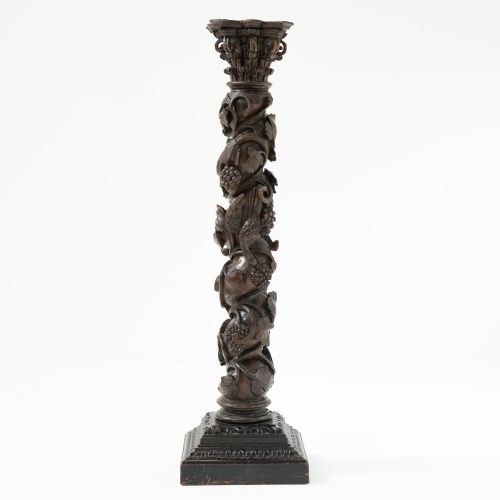
Makers utilised architectural vocabulary including fluting, twisted barley columns and figural supports. Proportions vary from slender torchere shafts to robust pedestals designed to bear substantial weight.
How they were made
Craftsmen shaped dense timbers such as mahogany, oak and walnut using hand chisels and lathes to achieve turned shafts and relief carvings. Solomonic twists and structural columns required precise woodworking skill.
Surface finishes include applied gesso, original paint, ebonisation and polished wood grains. Brass mounts and marble inserts occasionally integrate with the timber to complete the structural design.
Carved Wooden Column Stand Retail Price Guide 2026
Typical asking prices for carved wooden column stand among the pieces listed under this phrase on Sellingantiques today, from the lower quarter to the upper quarter. They describe what is for sale here now, not the wider market.
Several stands double as resting places for stern Victorian busts, watchful putti or eager taxidermy antlers.
What varies in quality
Depth and crispness of hand carving distinguish standard production from exceptional examples. Figural elements, such as putti or caryatids, demonstrate the anatomical skill of the carver.
Integrity of timber selection and stability of the base construction determine enduring structural performance. Timber choice, from figured mahogany to plain pine, dictates the visual weight of the piece.
The Carved Wooden Column Stand Glossary
- Torchere
- A tall stand designed to support a lamp or candle. These slender pieces often feature ornate carving along the shaft.
- Solomonic
- A helical or twisted column style resembling a spiral. This motif frequently appears on 18th and 19th century pedestals.
- Caryatid
- A carved female figure serving as an architectural support column. They appear on pedestals supporting the upper platform.
- Jardiniere
- A decorative container or stand for holding plants and flowers. These integrate directly into the top of the column stand.
Carved Wooden Column Stand: Frequently Asked Questions
What is a carved wooden column stand used for?
These pieces serve as elevated display platforms for ornamental items, plants, busts or lighting fixtures. Their vertical design draws the eye upward and makes efficient use of floor space.
Historically, torcheres held candles or lamps to illuminate dark corners of large reception rooms. Today they function effectively as standalone sculptural elements or functional plant holders.
How do I date a wooden pedestal?
Dating relies upon timber selection, tool marks, style revivals and structural assembly methods. Victorian and Edwardian pieces often display machine assistance alongside hand finishing.
Earlier 18th century examples show distinct hand-cut joinery and heavy patination on native oak or imported mahogany. Comparing stylistic details against known historical revival periods helps narrow the timeframe.
Where should I place a torchere stand?
Place these stands in corners, empty hallways or beside seating areas where vertical height balances low furniture. Ensure the footprint sits firmly on stable flooring to prevent tipping.
Avoid positions blocking natural walkways, as slender shafts can be vulnerable to accidental bumps. Placing a heavy object on the base adds stability.
Are oak and mahogany stands stable?
Solid hardwoods like oak and mahogany provide robust structural integrity when the joints remain tight. Tripod bases and weighted feet distribute the load effectively.
Checking the connection between the column and the base ensures the piece handles heavy weighted items securely. Regular placement on level surfaces prevents undue stress on the joinery.