
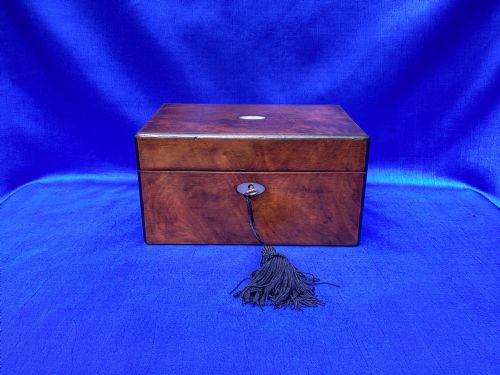
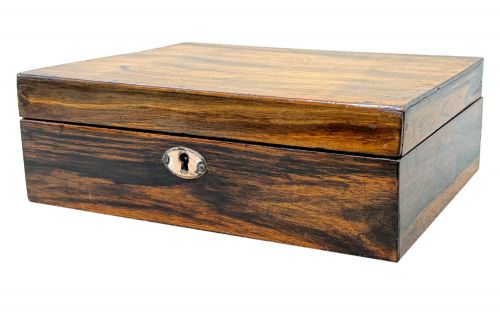
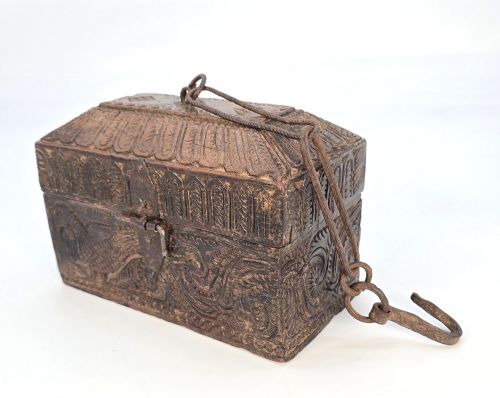
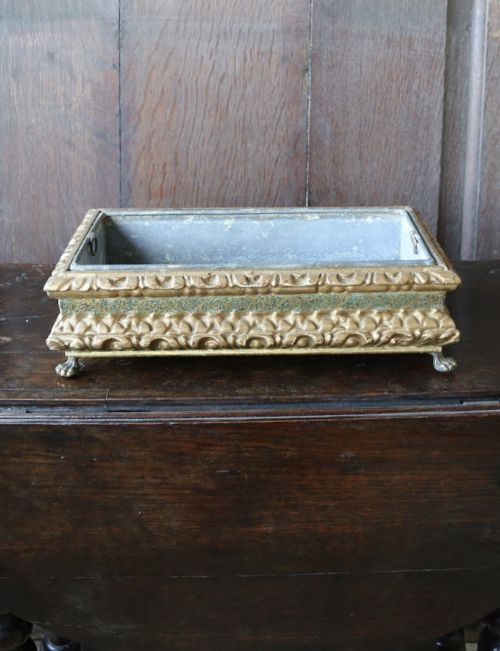


Carved Wooden Casket
A carved wooden casket is a storage box shaped by the chisel, offering a tactile receptacle for valuables, documents, and keepsakes.
Carved Wooden Casket
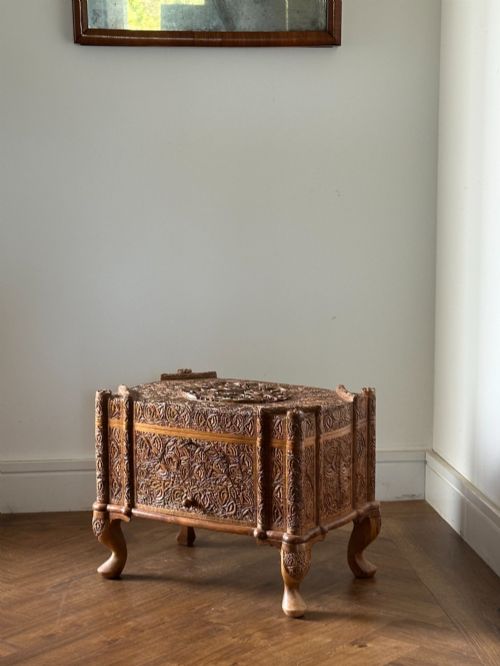
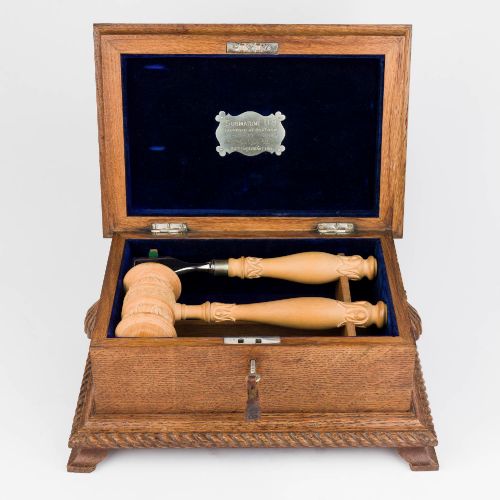
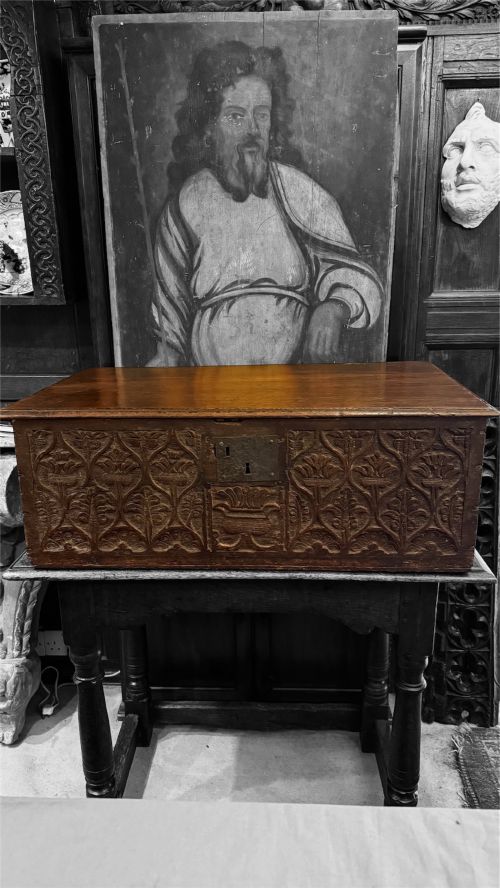
A carved wooden casket encompasses a wide variety of functional vessels, from jewellery and sewing boxes to document cases and table-top chests. Buyers seeking these items encounter forms ranging from heavy seventeenth-century oak Bible boxes to elaborate nineteenth-century Victorian walnut chests and intricate Anglo-Indian sandalwood pieces.
The materials and geographic origins span centuries and continents, including European Black Forest work, French chestnut deed boxes with Gothic carving, and Chinese hardwood creations inlaid with mother-of-pearl. Domestic English work in mahogany and rosewood sits alongside exotic exports such as porcupine quill boxes and Jerusalem olivewood etrog containers.
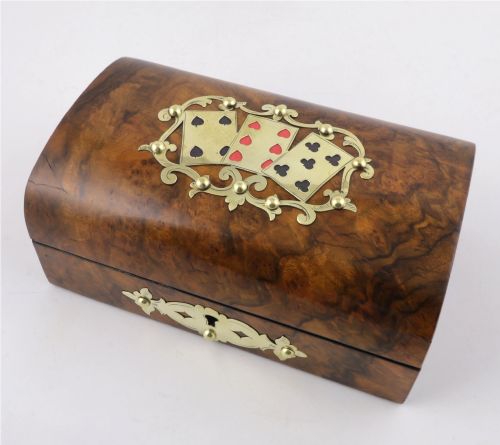
These pieces served specific domestic and personal roles, functioning as containers for playing cards, tobacco, writing stationery, and precious trinkets. Surviving examples reflect the aesthetic preferences of periods including the Georgian, Regency, Victorian, and Edwardian eras.
Materials and Technique
Makers utilised a diverse palette of timbers, relying on native oak, walnut, and chestnut for early European pieces while incorporating dense exotic woods such as coromandel, ebony, and sandalwood for later decorative wares. Construction often involved solid timber or panelled construction, sometimes augmented by intricate surface carving or applied veneers.
Decorative elements frequently combined carved relief work with contrasting inlays of brass, bone, mother-of-pearl, and porcupine quill. Surface finishes relied on natural oils, wax, and French polish to highlight the grain and colour of the wood.
One tobacco jar casket takes the startling form of a carved wooden monkey staring out with glass eyes.
The Distinction of Quality
The caliber of a carved wooden casket depends heavily on the depth and crispness of the hand-carved detail, distinguishing master craftsmanship from mechanical or hurried execution. Finer pieces demonstrate precision in joinery, such as well-fitted dovetails, and integration of internal compartments or secret drawers.
The choice of materials also dictates standing, with superior items utilising solid figured hardwoods, richly grained burr veneers, and intact interior linings. Original brass hardware, functional locks with keys, and well-preserved surface patination further separate standard utilitarian boxes from exceptional examples.
Tahan of Paris
The Carved Wooden Casket Glossary
- Sarcophagus
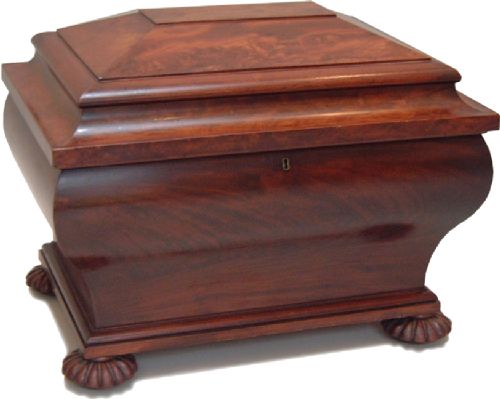
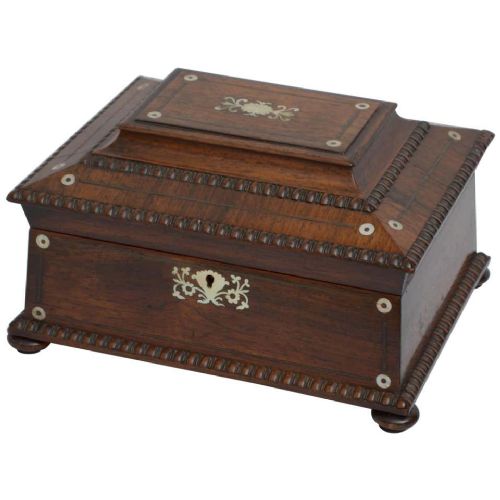
- A box shape featuring a domed or stepped lid tapering toward a flat base, commonly seen on Regency and William IV cellarettes and jewellery boxes.
- Cellarette
- A large container originally designed for holding bottles of wine or spirits, often lined with lead or compartmentalised.
- Marquetry
- The art of applying decorative pieces of veneer to a structure to form intricate floral, geometric, or pictorial designs.
- Tramp art
- A style of woodworking popular in the nineteenth and early twentieth centuries where items were constructed using notched, chip-carved fragments of discarded wooden boxes.
- Coromandel
- A dense, heavy tropical hardwood featuring dark brown and black grain patterns, frequently used for luxury nineteenth-century workboxes.
Carved Wooden Casket: Frequently Asked Questions
What were carved wooden caskets used for?
These boxes served to safeguard valuable personal possessions, including jewellery, correspondence, legal documents, and currency. Specific variants were constructed to hold sewing implements, tobacco, playing cards, or writing stationery.
Over time, their roles shifted from utilitarian security containers to decorative tabletop display pieces reflecting the owner's status and taste.
How do I identify the period of a box?
Dating relies on examining the timber species, construction methods, hardware, and decorative style. Seventeenth-century examples typically feature heavy oak with pegged joints, whereas Victorian pieces often employ walnut, mahogany, or coromandel with machine-cut dovetails and applied brasses.
Stylistic markers such as Gothic tracery, Art Nouveau lines, or Regency sarcophagus shapes also provide firm clues to the date of manufacture.
How should I care for an antique wooden box?
Keep wooden caskets away from direct sunlight and sources of extreme heat to prevent the timber from warping or splitting. Maintaining stable room humidity protects fragile veneers, applied bone or mother-of-pearl, and historic surface finishes.
Apply a microcrystalline wax sparingly to nourish the wood and preserve the natural sheen without damaging the patination.
Are interior linings original?
Many surviving boxes retain their original velvet, silk, or paper linings, though extensive use often necessitated later replacement. Assessing wear patterns, fading, and the method of attachment helps determine whether the interior fabric dates to the manufacture of the box.
Replacement linings do not necessarily detract from utility, but original interiors add historical completeness for collectors.
What is Black Forest carving?
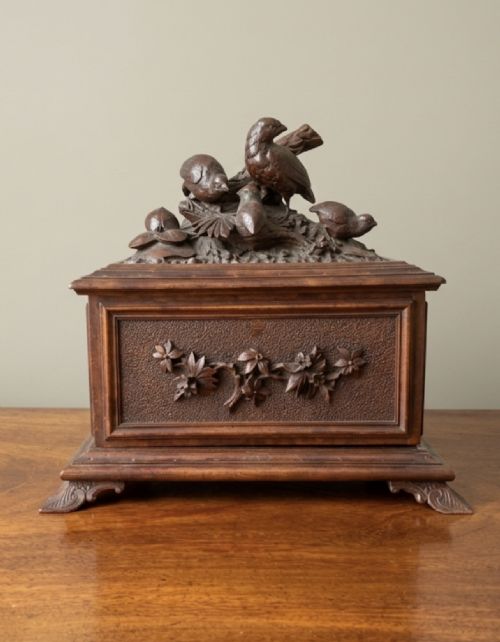
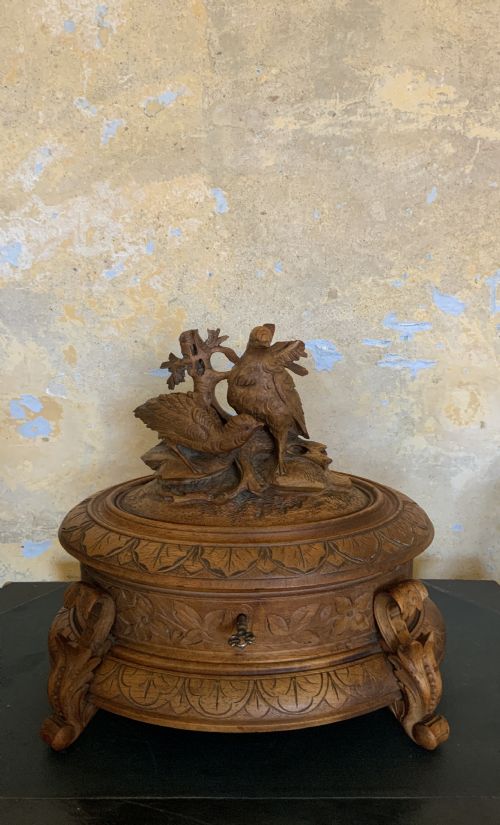
Black Forest carving refers to intricately detailed wooden items produced in the Brienz region of Switzerland and the Black Forest area of Germany during the nineteenth century. These pieces frequently feature realistic depictions of animals, foliage, and naturalistic scenes carved from walnut or lime wood.
The style gained popularity among Victorian tourists and remains distinct for its high degree of sculptural relief and narrative charm.