

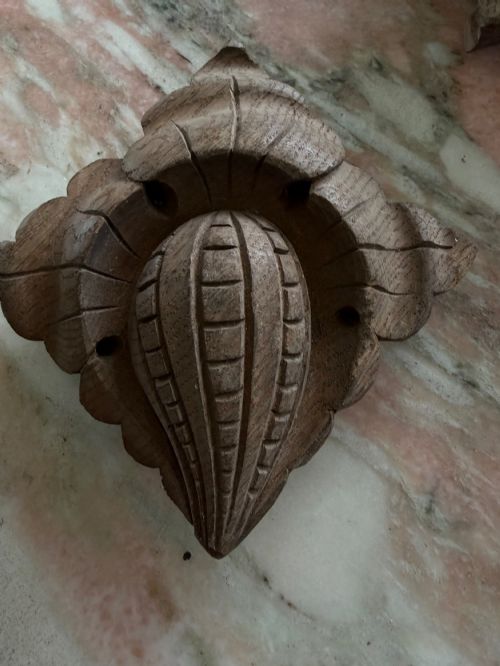
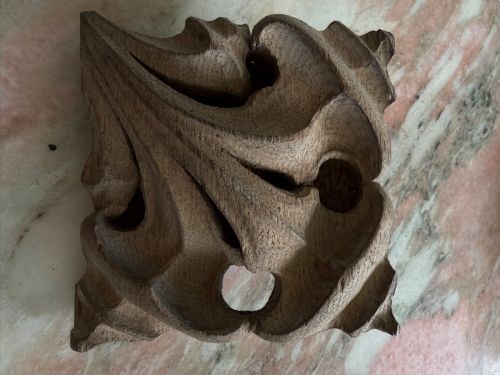

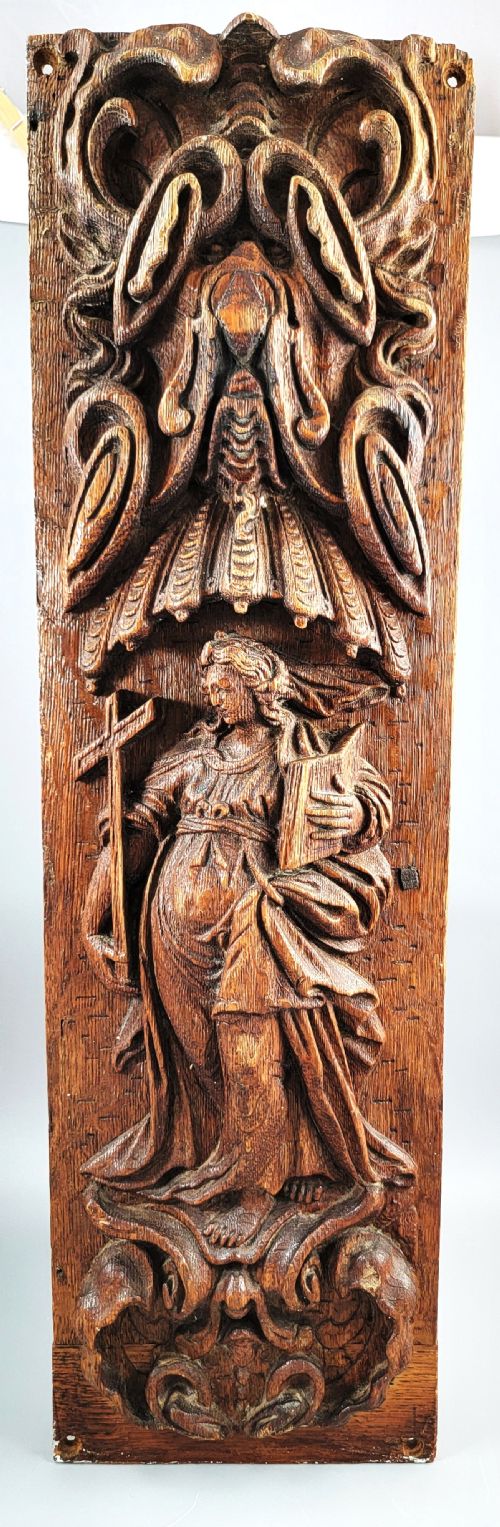

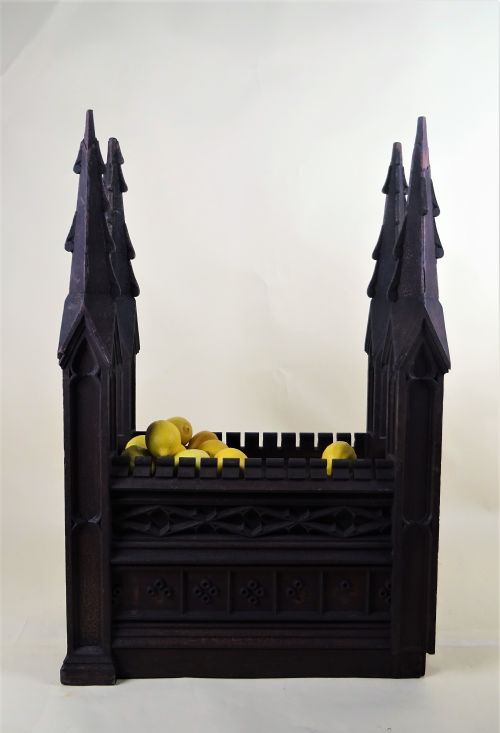


Carved Wooden Architectural Fragment
A carved wooden architectural fragment brings the direct touch of historical buildings and distant workshops right into a room.
Carved Wooden Architectural Fragment
A carved wooden architectural fragment is a surviving piece of a larger structure, spanning centuries from medieval Flemish pieces to twentieth-century fairground elements.
The selections here range from sixteenth-century carvings and seventeenth-century oak panels to eighteenth-century walnut lion heads and nineteenth-century Indian roof decorations.
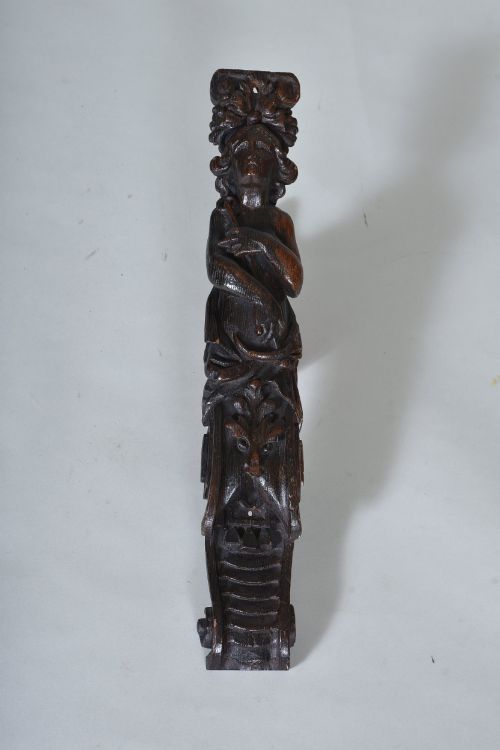
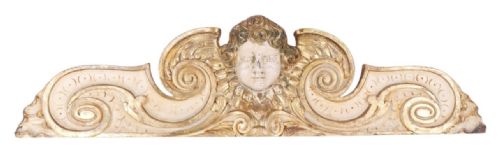
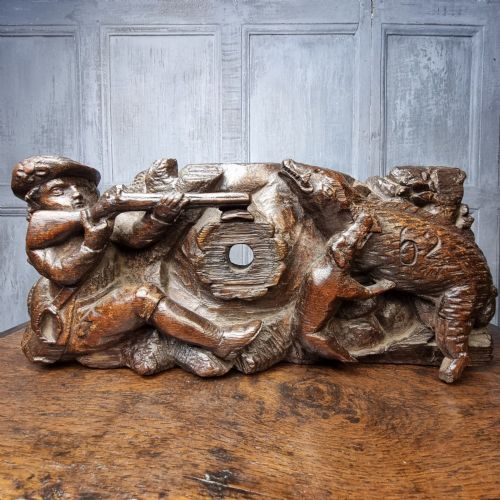
Forms include ceiling boss panels, caryatids, overdoor cherubs, wall reliefs, and temple carvings in oak, walnut, and stained hardwood.
Materials and construction
Carpenters and carvers shaped these pieces primarily from solid oak and walnut, alongside stained hardwood and polychrome decorated surfaces.
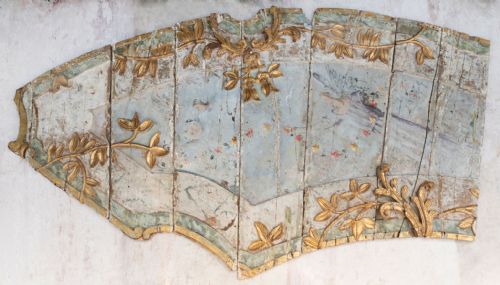
Many works incorporate applied layers of gesso and gold leaf to highlight intricate sculptural relief details.
Listings feature oak, walnut, and stained hardwood, spanning the sixteenth to the twentieth century.
Judging quality and character
The integrity of the original wood surface, the retention of historical paint or gilt, and the clarity of the period style dictate the distinction between pieces.
The Carved Wooden Architectural Fragment Glossary
- Architectural fragment
- A surviving portion of a building's decorative or structural woodwork. These pieces are removed from their original context during alteration or demolition.
- Caryatid
- A sculpted female figure serving as an architectural support. They appear in seventeenth-century work as single figures supporting elements.
- Ceiling boss
- A decorative projecting block placed at the intersection of ribs in a ceiling. Examples here include pierced leaves and Tudor rose designs.
- Polychrome
- Decorated in a variety of colours. This technique appears on Burmese and Indian temple carvings.
Carved Wooden Architectural Fragment: Frequently Asked Questions
What is an architectural fragment?
An architectural fragment is a detached portion of a historic building's wooden decoration.
These pieces include ceiling bosses, panels, and figures removed from structures over the centuries.
How were these carvings used originally?
They served as decorative elements in domestic and religious buildings, adorning ceilings, overdoors, and roofs.
Examples span from European church panels to Indian temple decorations and English fairground pieces.
How do I date an oak carving?
Dating relies on stylistic clues, tool marks, and the inherent characteristics of the wood grain.
Pieces on this page date from the sixteenth century through to the early twentieth century.
How should I display a wooden fragment?
Many collectors mount wall panels and reliefs directly onto plain walls as sculptural art.
Smaller elements sit on shelves or brackets to allow close inspection of the hand carving.