
Carved Wooden Animal Sculpture
These carved wooden animal sculpture pieces bring character into a room through regional carvers and traditional workshops.
Carved Wooden Animal Sculpture
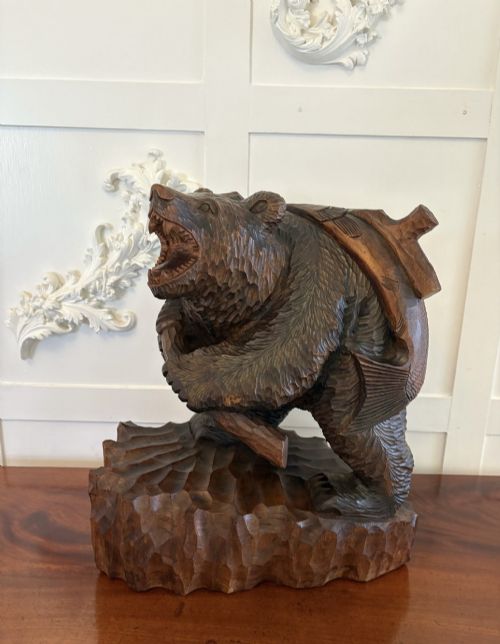
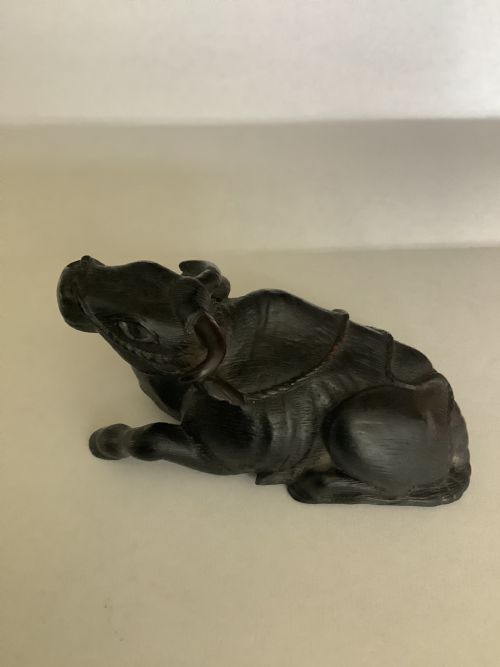
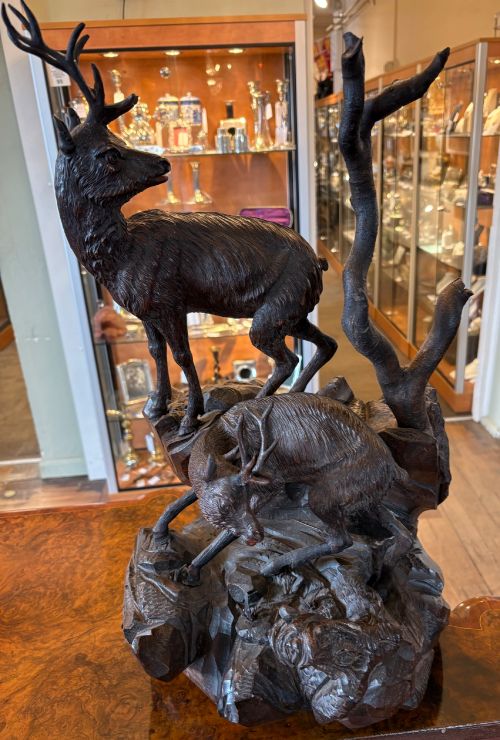
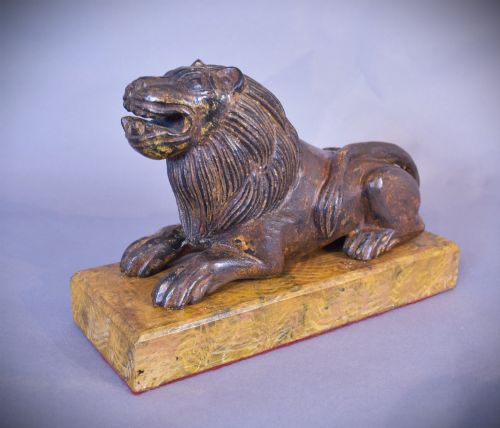
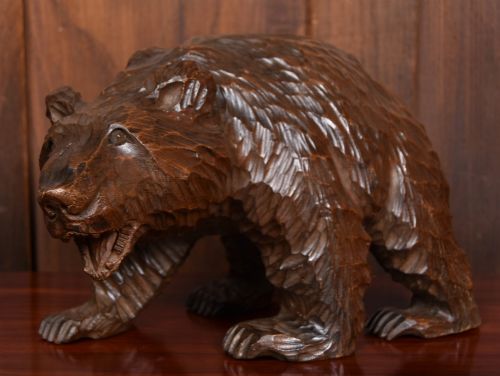
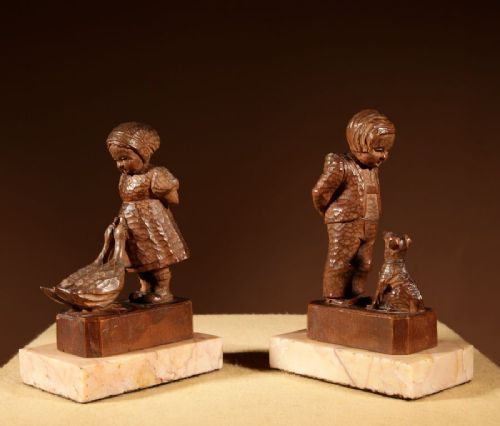
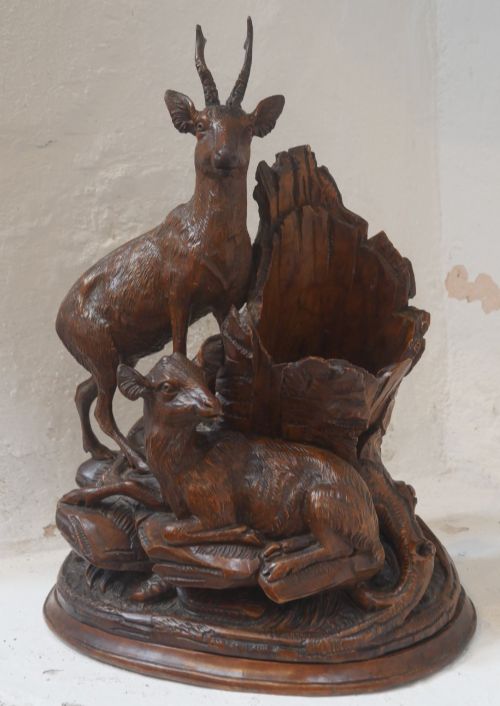
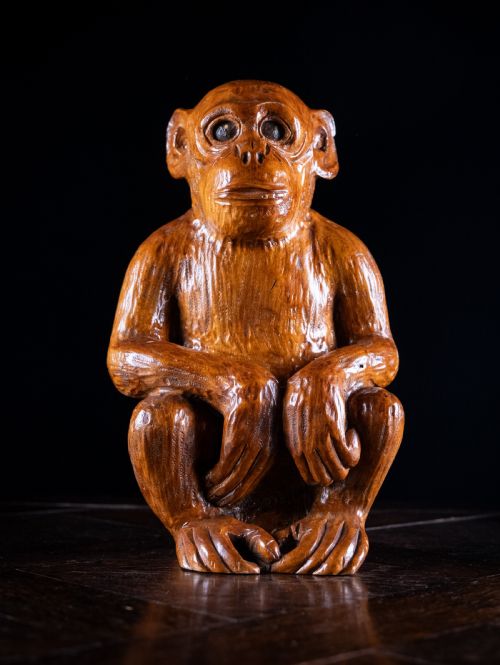
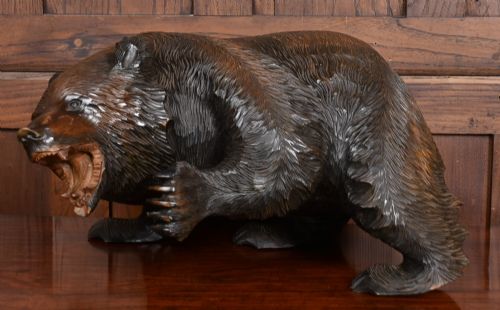
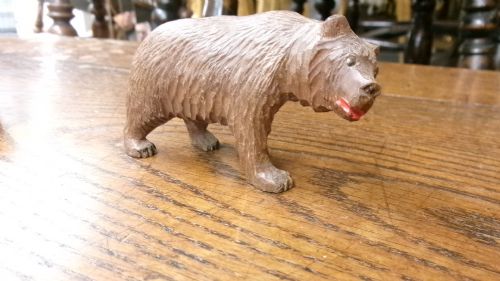
A carved wooden animal sculpture covers figures shaped from timber across the eighteenth, nineteenth, and twentieth centuries, spanning European, Asian, and folk traditions. You will encounter bears, elephants, lions, horses, and deer rendered as freestanding studies, bookends, wall carvings, and carousel figures. The Black Forest region provides many of the bears and deer, while Japanese, Chinese, and Indian carvers supply bears, monkeys, elephants, and water buffaloes.
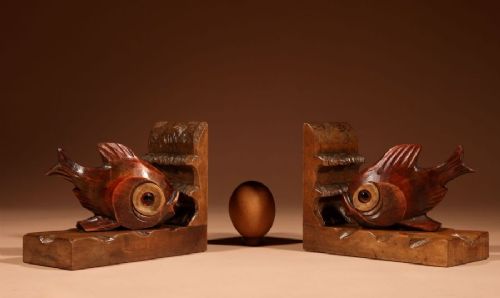
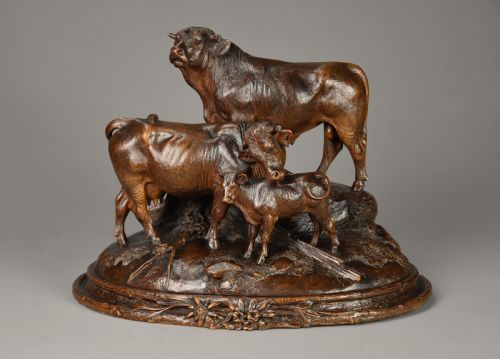
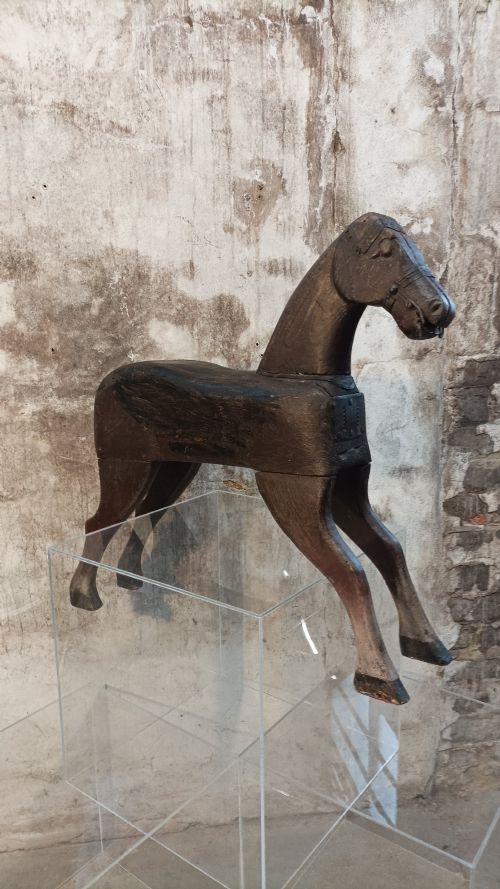
European folk art and French workshops contribute naive horses, pigs, and cattle groups, alongside Art Deco panthers and lionesses on marble bases. These objects function as decorative ornaments, desk accessories, and shop displays, reflecting the specific regional styles of their makers. The items range from small netsuke and toy horses to large, life-size lion sculptures and wall masks.
Materials and carving methods
Carvers utilised regional timbers including linden wood, walnut, teak, ebony, and hard wood, sometimes applying paint or retaining the natural grain. Linden wood allowed European artisans to achieve deep undercut details on deer and bear groups, while dense hardwoods suited the intricate forms of Asian elephants and water buffaloes.
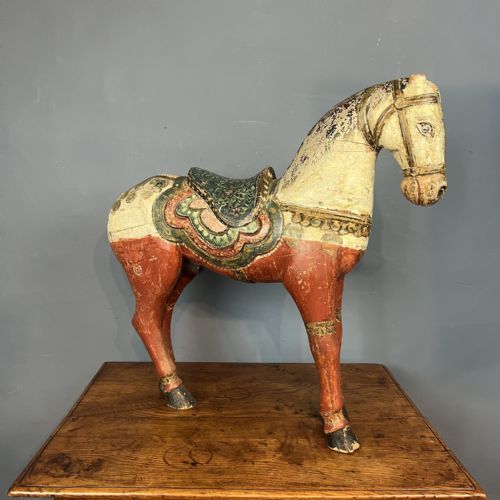
Surface treatments vary from polished natural timber to painted finishes, occasionally incorporating glass or stud eyes to define expression. Carousel figures and folk art pieces received layers of paint to withstand heavy use, while traditional Japanese and Swiss works relied on hand-cut chisel marks to suggest fur and muscle.
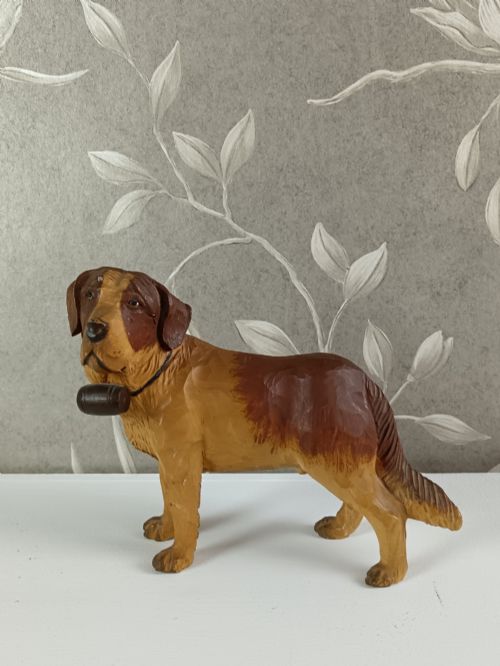
A Saint Bernard rescue dog stands ready alongside bears carrying fish, goldfish bookends, and carousel pigs.
Standard and execution
Quality rests upon the confidence of the carving and the fidelity of the animal study, separating routine workshop output from master works. The treatment of anatomy, such as the tension in a panther or the expression of a bear, reveals the hand of a skilled artisan rather than mass production.
The choice of material and stability of the timber foundation also dictate the standard of a piece, with well-seasoned hardwoods and linden wood preserving crisp edges over centuries. Signed works and stamped factory pieces carry distinct attribution that elevates the standing of the object.
Eugene Emile Borga·J Huggler
The Carved Wooden Animal Sculpture Glossary
- Black Forest
- A nineteenth-century European carving style originating in Switzerland and Germany, known for realistic animal studies, particularly bears and deer. These pieces often utilise linden wood.
- Kibori Kuma
- A traditional Japanese hand-carved wooden bear originating from Hokkaido. Carvers utilised this style to depict bears carrying fish or walking.
- Netsuke
- A small Japanese carved toggle used to secure a pouch or basket to a kimono sash. They often depict animals and display fine miniature detail.
- Raj Period
- The period of British rule in the Indian subcontinent, associated in these pieces with teak and hardwood elephant sculptures. These items often date to the late nineteenth century.
- Carousel Figure
- A carved wooden animal, such as a horse or pig, made for fairground rides. Limonaire and French workshops produced these decorative figures.
Carved Wooden Animal Sculpture: Frequently Asked Questions
How do I identify Black Forest carvings?
Black Forest carvings typically show animals like bears, deer, or dogs rendered in linden wood with a dark brown finish. The subjects often interact with natural elements such as branches, rocks, or fish.
Look for deep undercutting and textured fur work characteristic of Swiss and German workshops from the nineteenth and early twentieth centuries.
Where were wooden elephants made?
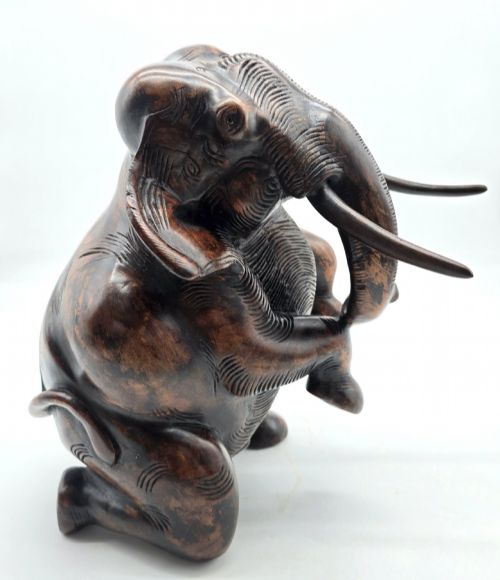
Wooden elephant sculptures on this page originate primarily from India during the Raj period of the late nineteenth century. Carvers used teak, ebony, and dense hardwoods to create these studies.
Other examples come from Chinese workshops working in hardwood during the same era.
How should I care for antique wooden animals?
Keep wooden sculptures away from direct sunlight and sudden temperature changes to prevent the timber from splitting. Dust them gently with a dry, soft cloth rather than using liquid polishes.
Maintaining a stable indoor humidity helps preserve the original painted or polished surfaces.