

Carved Wooden Animal Figures
Carved wooden animal figures bring the character of bears, lions, and horses into a room through the skill of nineteenth and twentieth century carvers.
Carved Wooden Animal Figures
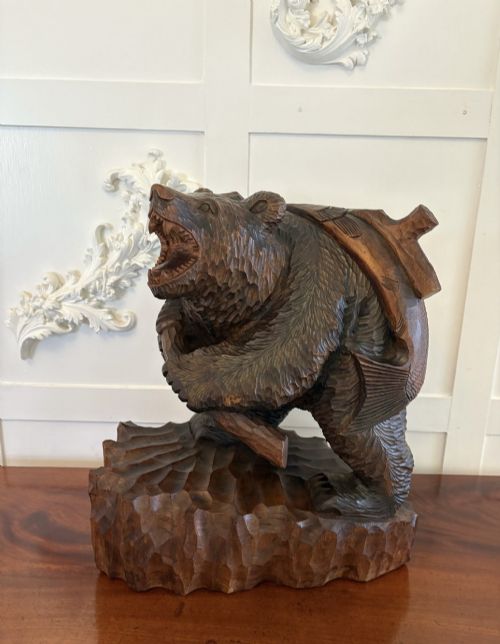
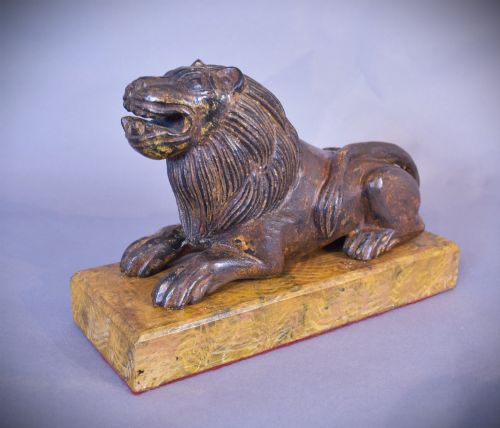
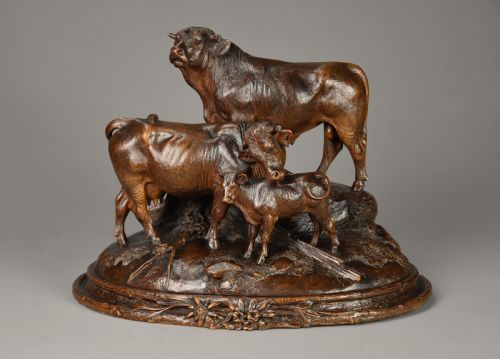
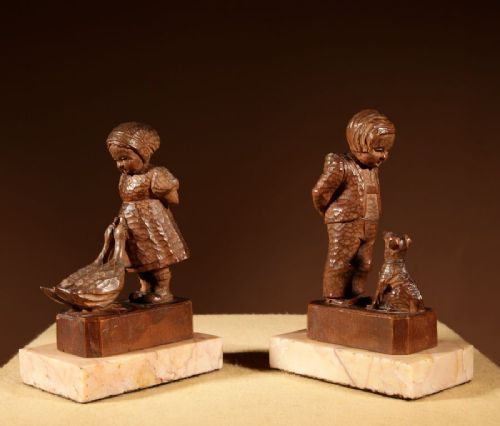
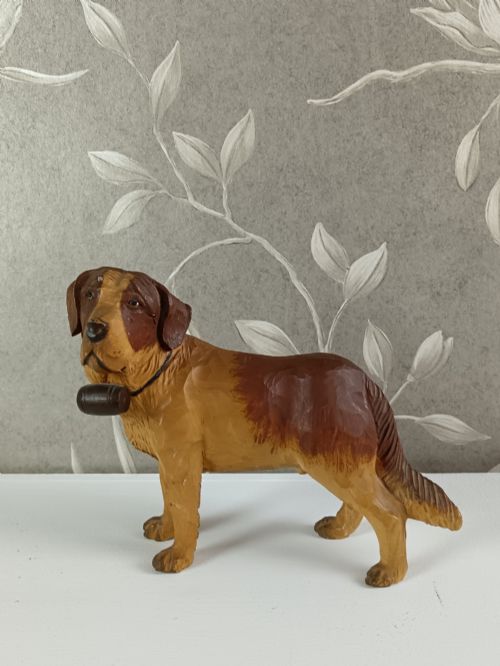
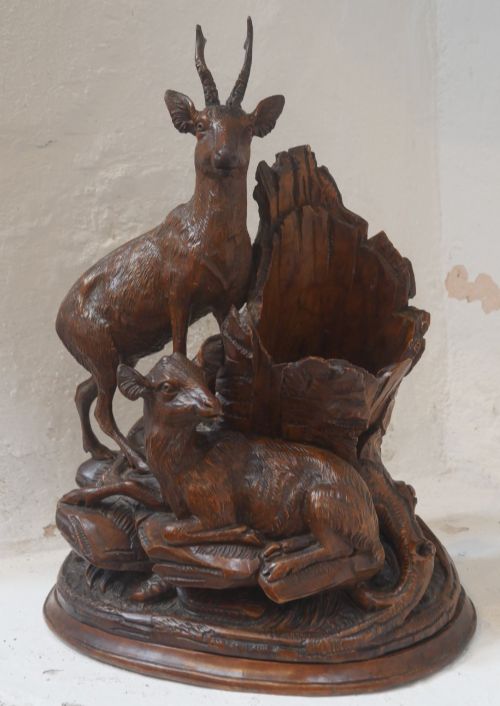
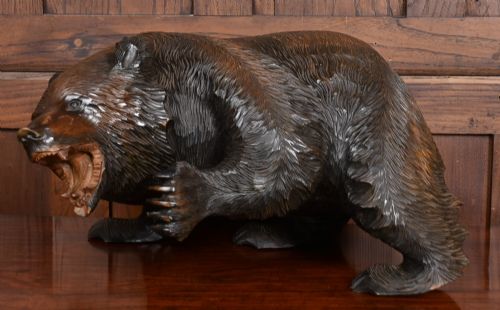
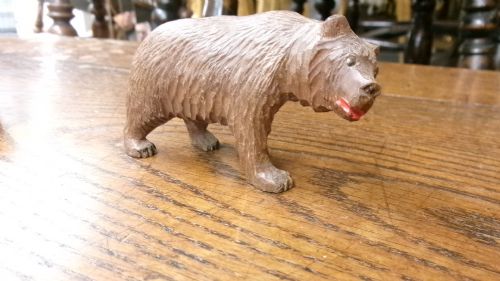
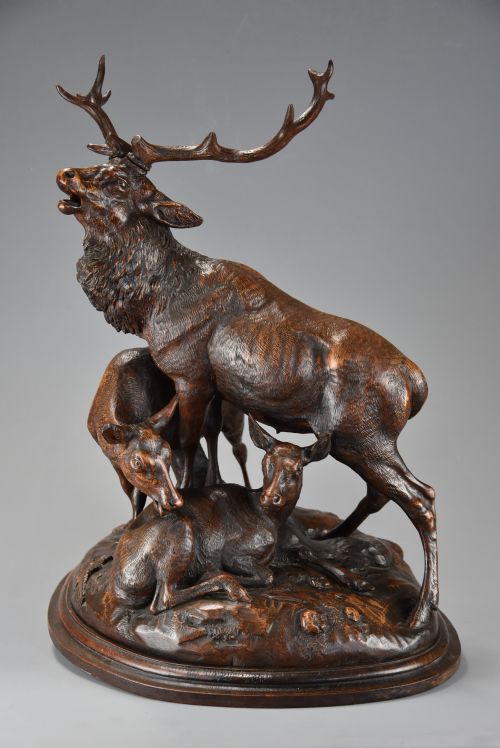
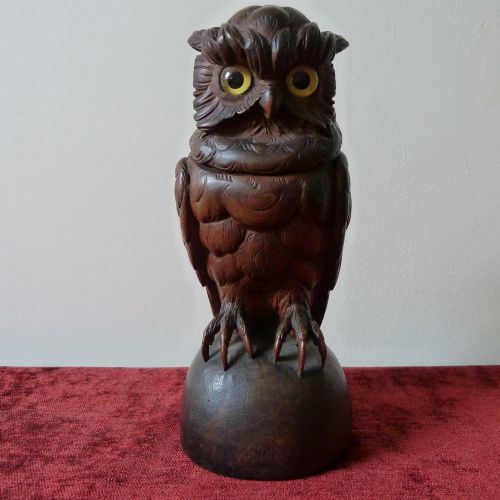
Carved wooden animal figures encompass sculptural representations ranging from nineteenth century Black Forest bears and Swiss fawns to Anglo-Indian elephants and French carousel animals. Buyers seeking these pieces will encounter domestic and wild animals rendered as single sculptures, bookends, or inkwells.
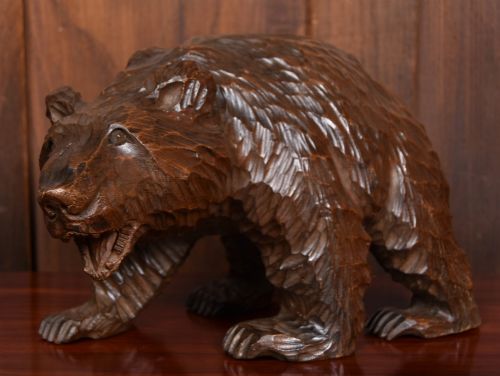
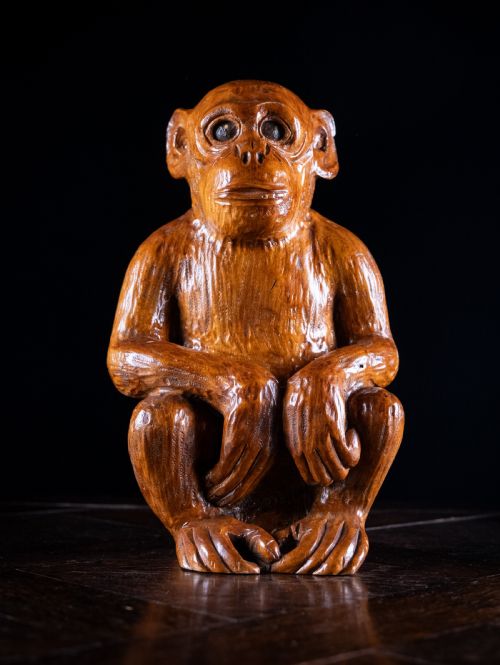
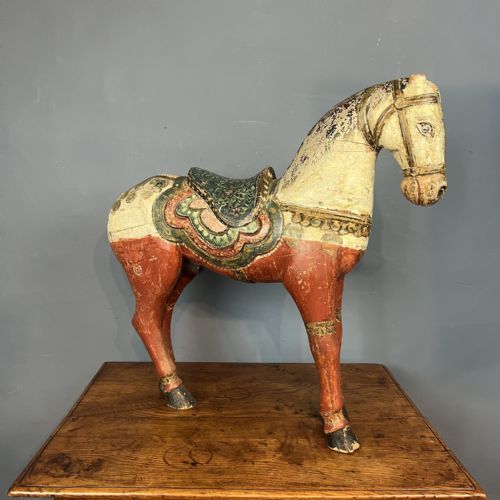
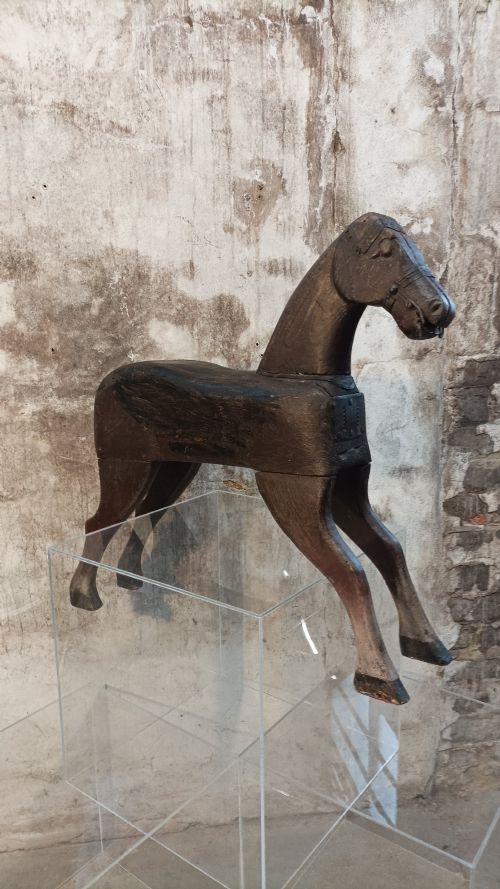
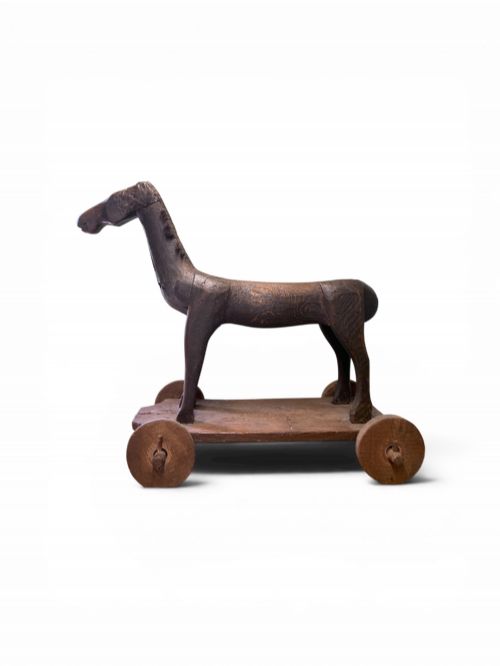
The selections span distinct regional traditions, including Japanese depictions of bears and tigers alongside Chinese hardwood buffaloes and monkeys. Folk art examples bring a naive, primitive charm through painted wooden horses and toy figures dating from the eighteenth century onward.
Materials and carving methods
Carvers predominantly utilised linden wood, limewood, hardwood, and teak to shape these animal forms, often selecting timber suited to intricate detailing. Some sculptures incorporate paint, bone, or metal elements such as stud eyes to enhance realism.
Makers applied hand-carving techniques to achieve textures representing fur, manes, and hides, occasionally mounting finished pieces on plinths, stands, or marble bases. Regional workshops maintained distinct traditions in finishing, from the dark staining of Swiss linden wood to the polished surfaces of ebony and teak.
Materials documented across the pieces include linden wood, ebony, teak, bamboo, porcelain, and painted surfaces.
Assessing quality in animal carvings
Quality rests upon the naturalism of the anatomy and the precision of the carving in rendering muscle, fur, and expression. Pieces attributed to named makers or specific workshops demonstrate superior control over form and proportion compared to simpler naive works.
The depth of the carving and the preservation of original surfaces, whether painted or natural wood, distinguish finer examples. Integrated details such as functional inkwells or matched pairs of bookends indicate higher design ambition within regional production.
J Huggler·Eugene Emile Borga
The Carved Wooden Animal Figures Glossary
- Black Forest
- A style of wood carving originating from the mountain region of central Europe, known for realistic depictions of bears, deer, and alpine animals. These pieces were produced extensively during the nineteenth and early twentieth centuries.
- Folk art
- Objects created by self-taught or traditional artisans outside academic fine art traditions. These figures often display simplified forms and charming naive qualities.
- Bookends
- A pair of heavy supports placed at the ends of a row of books to keep them upright. Animal figures were frequently adapted for this functional purpose.
Carved Wooden Animal Figures: Frequently Asked Questions
What animals are most common?
Bears, lions, horses, and elephants appear most frequently across the various regional traditions represented in these listings.
European workshops specialised heavily in bears and alpine wildlife, while Asian makers produced studies of elephants, tigers, and water buffaloes.
How do I identify Black Forest carvings?
Black Forest carvings are typically rendered in linden wood and depict bears, deer, goats, or dogs with realistic textures and glass or carved stud eyes.
Many pieces originate from the late nineteenth or early twentieth century and reflect the distinctive alpine craft tradition of central Europe.
Where were these figures displayed?
These figures served as decorative ornaments, mantelpiece sculptures, and functional items such as inkwells or bookends in period interiors.
Larger sculptures were often placed on dedicated plinths or stands within studies, libraries, and hallways.
How should I care for wooden carvings?
Keep wooden animal figures away from direct sunlight and fluctuating heat sources to prevent the wood from drying out or splitting.
Dust gently with a dry, soft cloth and avoid applying modern polishes or cleaning agents to historic surfaces.