


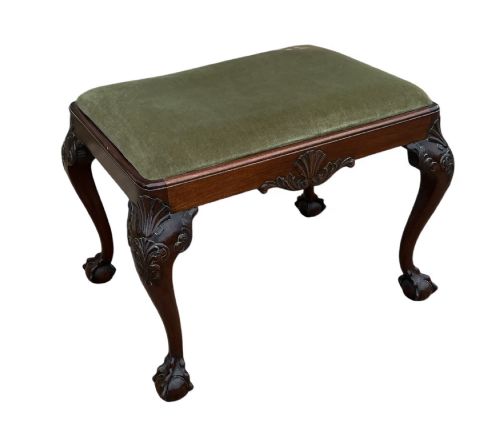
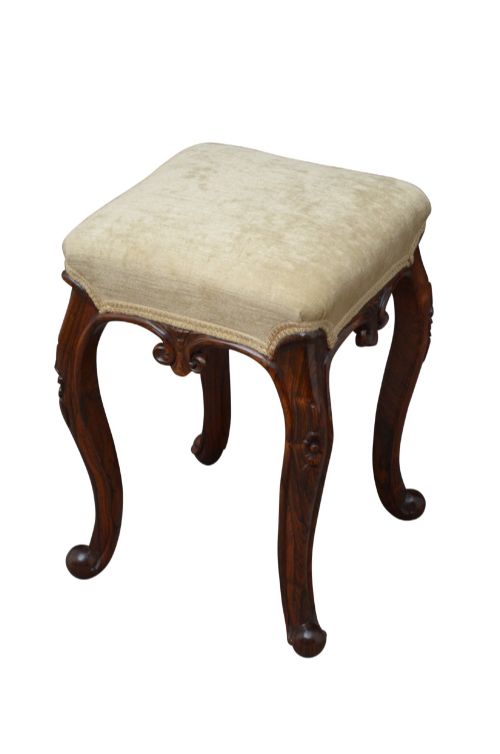

Carved Wood Vanity Seat
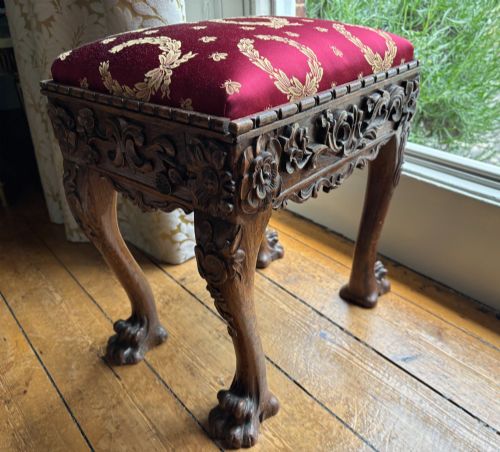
A carved wood vanity seat brings period character to a dressing room, offering low, upholstered seating shaped by centuries of revival styles.
Carved Wood Vanity Seat
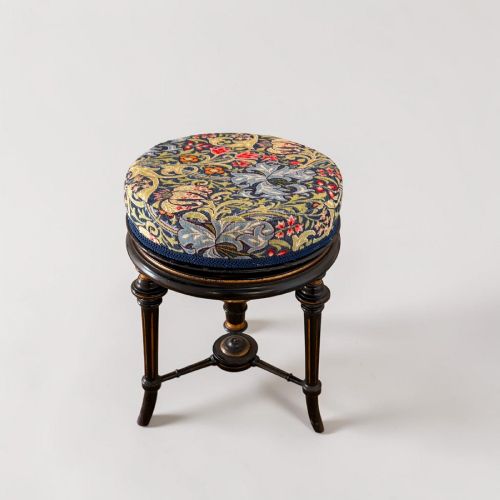
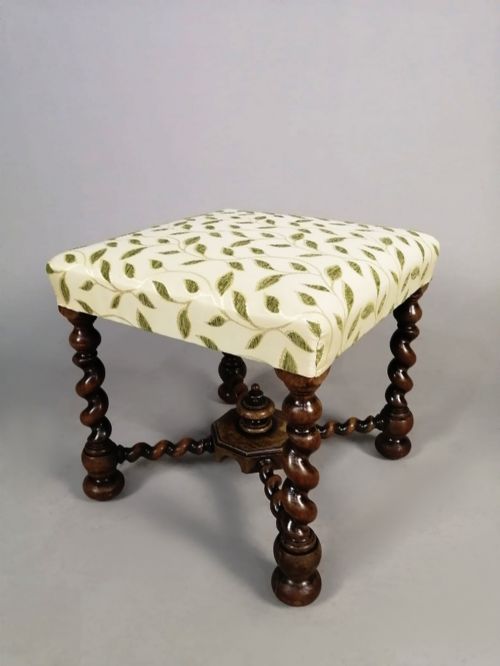
A carved wood vanity seat encompasses low stools, dressing table stools, and boudoir seating designed for personal grooming spaces. Buyers encounter pieces ranging from compact Victorian footstools to ornate revival forms.
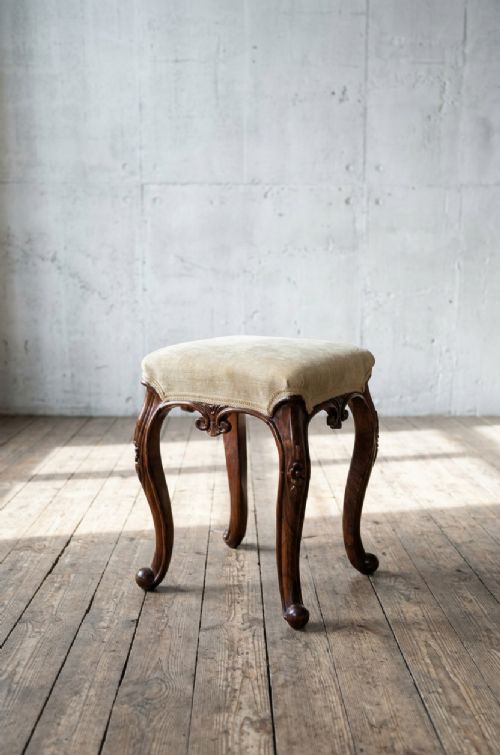
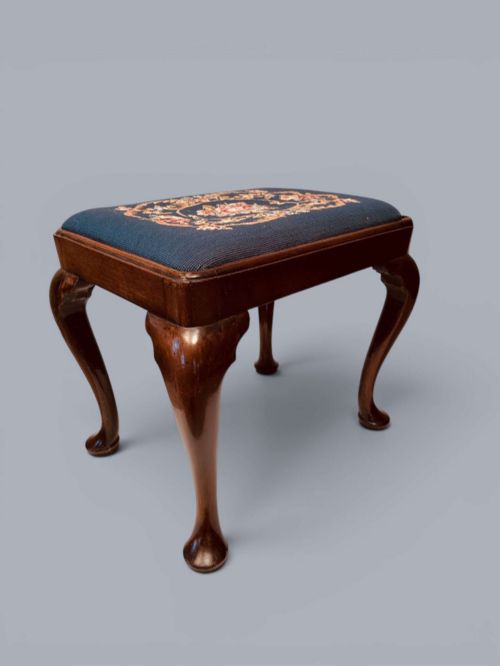
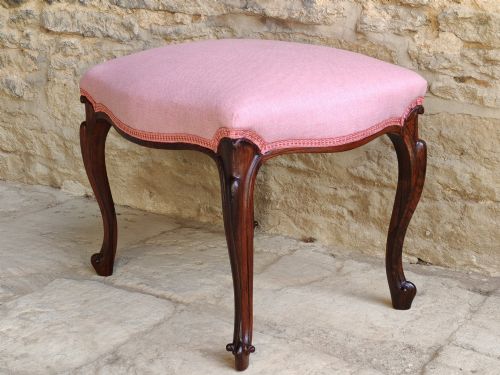
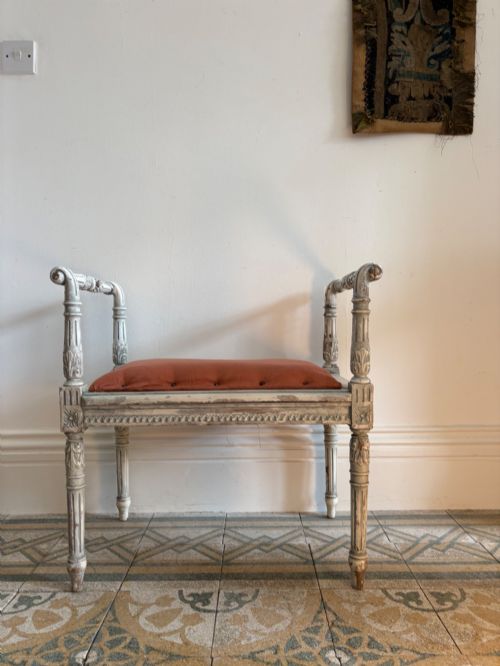
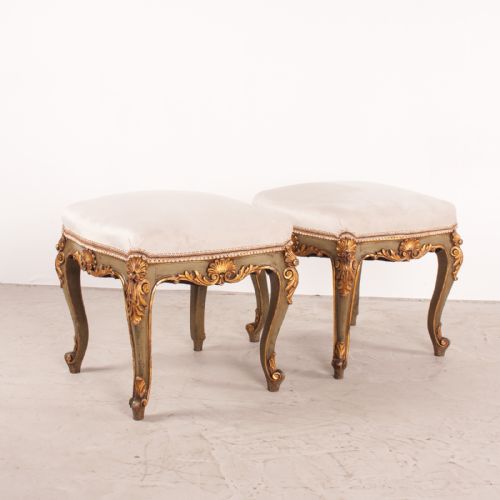
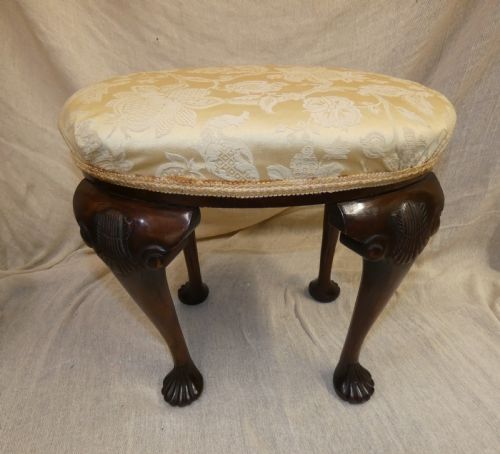
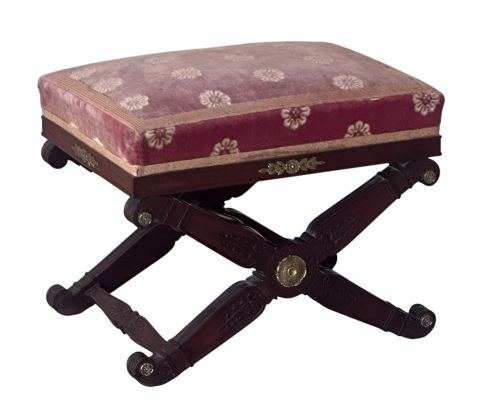
The selection on this page draws heavily on nineteenth-century craftsmanship alongside early twentieth-century interpretations. Stools with cabriole legs, X-frames, and upholstered tops dominate the forms currently available.
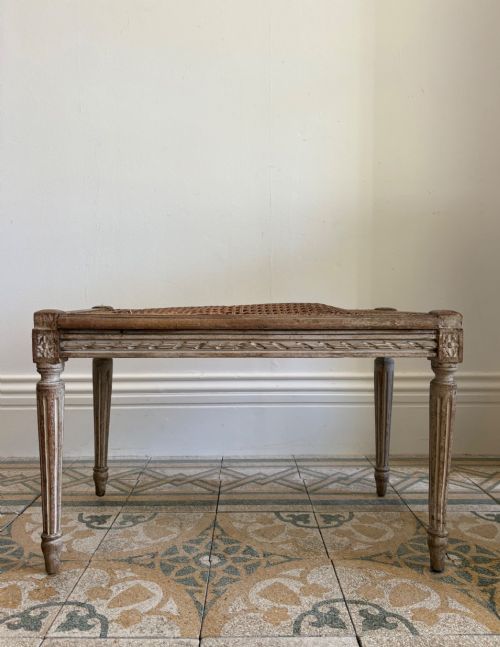
Makers drew on diverse historical design languages, producing French Empire, Gustavian, and Chippendale style variations. These seats function primarily as dressing table accessories or decorative bedroom accents.
Materials and construction
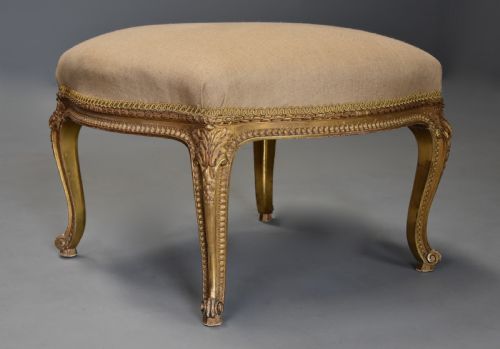
Frames rely on dense hardwoods such as mahogany, walnut, rosewood, and goncalo alves, chosen for their strength in slender carved legs. Painted and gilded finishes appear frequently on continental and neoclassical examples.
Upholstery techniques involve traditional textiles, including silk, tapestry, and modern fabric covers, secured over padded seats. Carved details range from crisp rococo scrolls to restrained neoclassical motifs executed directly into the timber.
Carved Wood Vanity Seat Retail Price Guide 2026
Typical asking prices for carved wood vanity seat among the pieces listed under this phrase on Sellingantiques today, from the lower quarter to the upper quarter. They describe what is for sale here now, not the wider market.
Object forms include dressing table stools, boudoir seats, slipper chairs, and X-frame footstools.
What varies in quality
The depth and crispness of the hand-carving distinguish standard production from superior examples. Timbers with rich grain patterns and solid structural joints command greater attention from discerning collectors.
Original upholstery survivals or sympathetic re-upholstery using period-appropriate textiles elevate a piece's integrity. The harmony between the carved frame and its proportions defines the overall success of the design.
Jas Shoolbred·Lamb of Manchester
The Carved Wood Vanity Seat Glossary
- Cabriole leg
- A furniture leg that curves outward at the knee and tapers inward to an ankle, inspired by animal limbs. This form is common on eighteenth-century and revival seating.
- X-frame
- A seating base constructed from intersecting diagonal members forming an X shape. This structural form dates back to antiquity and appears often in French Empire designs.
- Giltwood
- Wood that has been coated with a thin layer of gold leaf or gesso and gold paint. It provides a bright decorative surface on continental and neoclassical frames.
- Gustavian
- The Swedish interpretation of French neoclassical design, characterised by pale painted finishes and restrained carving. These pieces offer a lighter aesthetic than heavier Victorian equivalents.
Carved Wood Vanity Seat: Frequently Asked Questions
What is a carved wood vanity seat used for?
These pieces serve primarily as seating at dressing tables, desks, or in bedrooms. Their compact dimensions allow them to tuck neatly beneath furniture when not in use.
Historically, they provided comfortable seating during prolonged grooming routines, combining decorative presence with practical utility in private chambers.
How do I identify the period of a vanity seat?
Dating relies on examining the timber species, carving styles, and construction methods. Victorian pieces often utilise walnut or mahogany with heavy cabriole legs, while earlier Regency examples favour rosewood and curule frames.
Revival styles from the late nineteenth and early twentieth centuries frequently borrow decorative motifs from earlier Georgian or Louis XV eras, which helps narrow down their production era.
Are these seats suitable for daily use?
Most antique vanity seats remain robust enough for regular sitting, provided the wooden frame and joints are stable. Many pieces have undergone professional restoration or re-upholstery to ensure structural integrity.
Checking the firmness of the internal padding and the tightness of the leg joints will confirm whether a specific stool suits active everyday placement.