
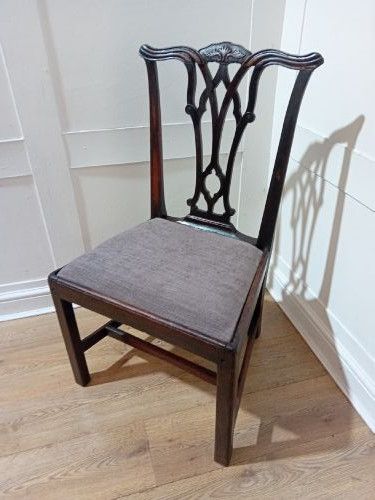


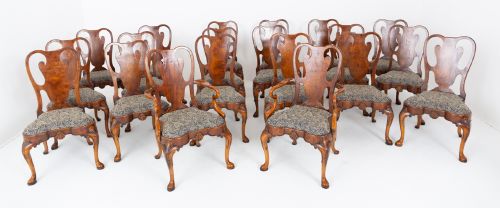
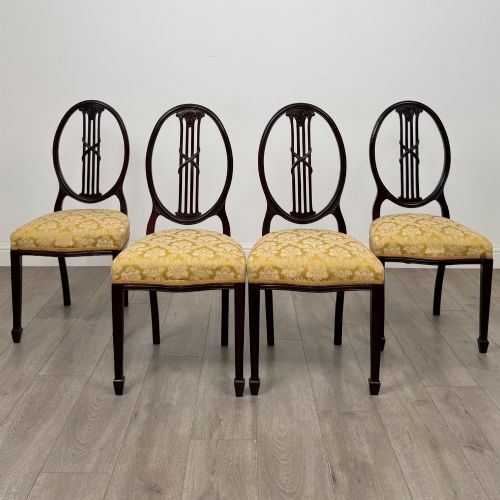
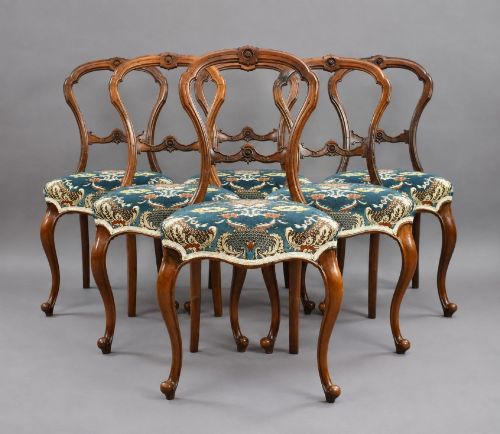
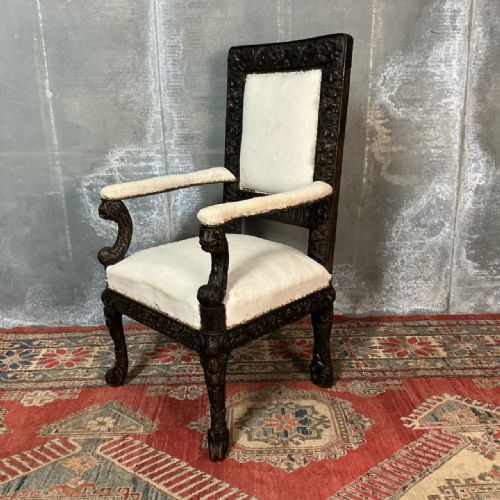
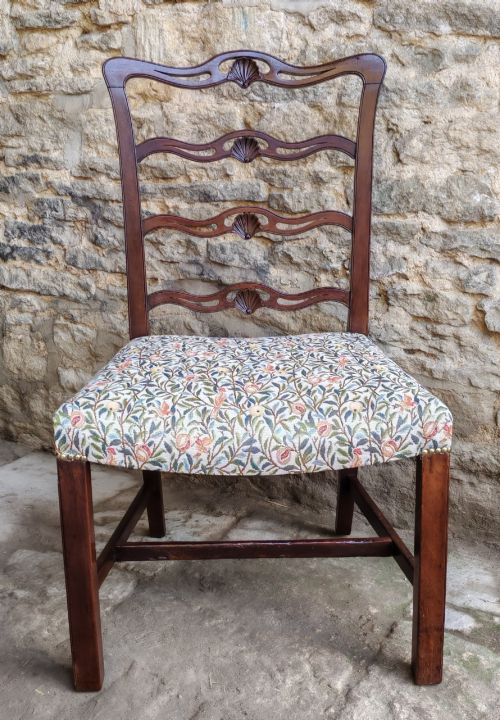
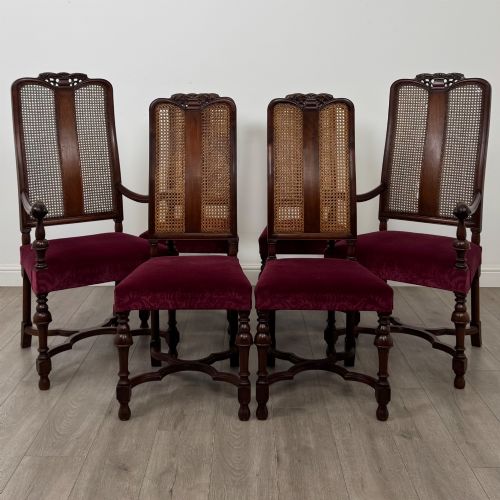
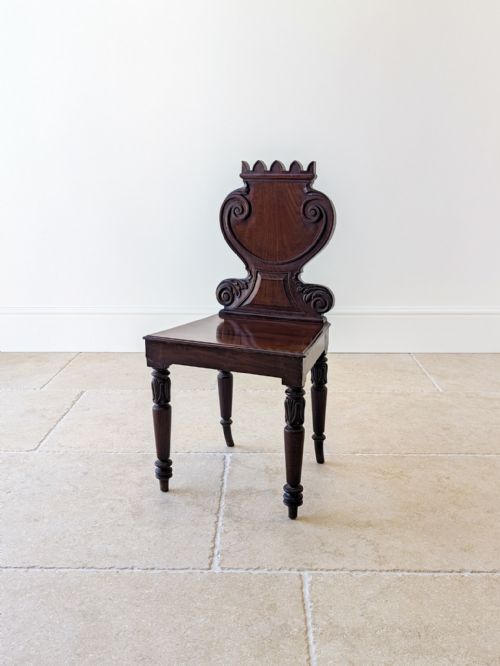
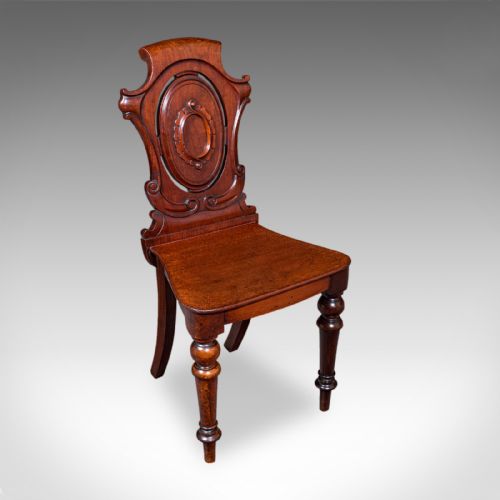
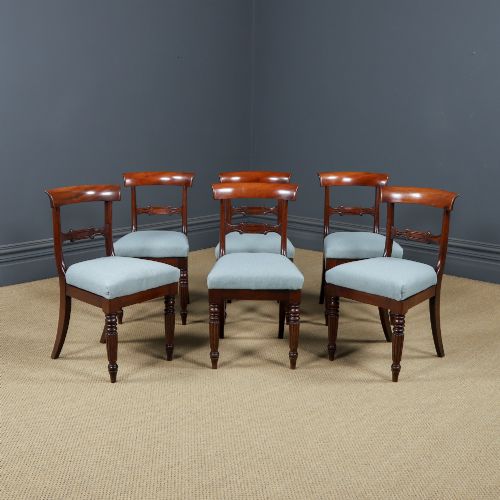
Carved Wood Side Chair
A carved wood side chair brings tactile warmth and period character to any room, offering versatile seating that works as well in a hallway as at a desk.
What these pieces are
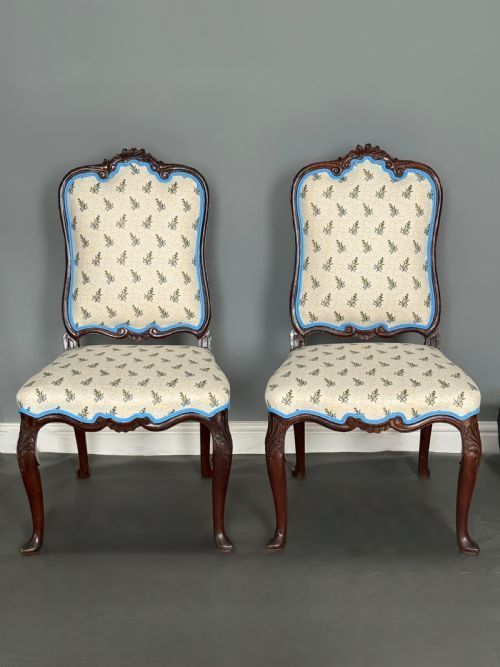
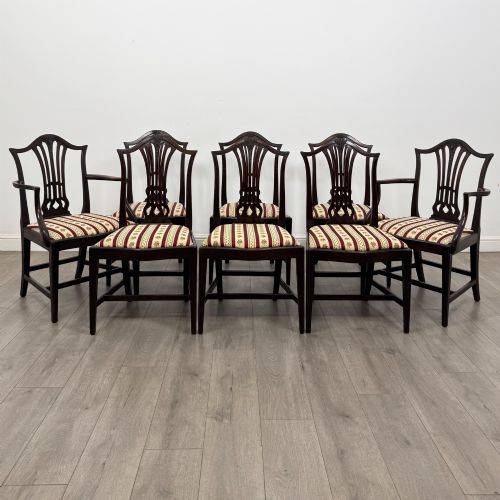
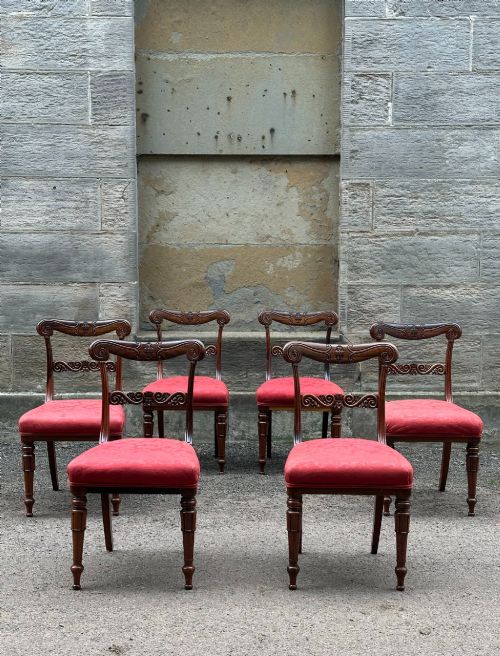
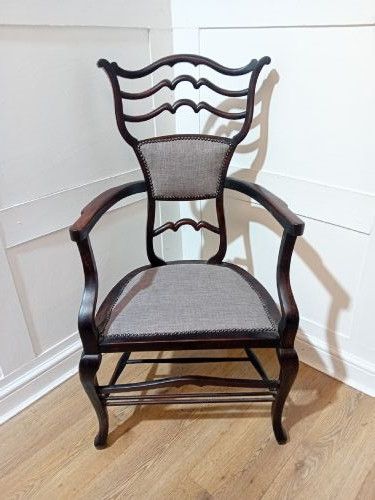
A carved wood side chair is an un-armed seating form designed primarily for halls, dining tables, or occasional use against a wall. The pieces documented here span from the seventeenth century through to the Victorian era, capturing shifts in domestic fashion across multiple periods.
You are most likely to encounter nineteenth-century examples on this page, often built from mahogany, rosewood, or oak. Alongside standard side chairs, the selection includes hall chairs and occasional variants reflecting styles from Regency and Victorian to Louis XVI and Restoration.
Origins stretch from British workshops to Continental Europe and the Bombay Presidency, demonstrating how diverse cultural aesthetics influenced carving traditions. Whether executed in plain timber or enriched with marquetry and gilding, each piece retains the functional utility of its original domestic context.
How they were made
Cabinetmakers utilised a variety of dense timbers including mahogany, oak, walnut, satinwood, and fruitwood inlay to build these chairs. Selected pieces also incorporate giltwood, painted surfaces, and woven tapestry or fabric upholstery.
Carpentry techniques relied on traditional jointing methods to ensure structural integrity under daily weight. Hand-carved ornamentation transformed plain structural elements into decorative statements, ranging from low-relief panels to intricate marquetry and gilt detailing.
Retail Price Guide 2026
Typical UK retail prices for carved wood side chair, calculated from the Sellingantiques database of over a million retail prices indexed since 2003. This retail price guide relies exclusively on Sellingantiques data; no external sources or auction records are used, so the figures do not describe the wider market.
Materials documented across these listings include mahogany, rosewood, oak, walnut, satinwood, fruitwood inlay, and giltwood.
What varies in quality
The distinction between standard domestic seating and exceptional examples lies in the depth and sharpness of the hand carving. Crisp execution of motifs and balanced proportions elevate an ordinary wooden frame into a masterwork of cabinetmaking.
Choice of material plays a defining role, with finely figured rosewood, satinwood, or heavy mahogany marking out superior output. Intricate additions such as fruitwood inlay, gilding, or specialised upholstery indicate higher workshop ambition.
The Carved Wood Side Chair Glossary
- Side chair
- A chair without arms, traditionally used at a dining table or placed against a wall when not in use. These pieces form the vast majority of surviving seating from earlier centuries.
- Hall chair
- A rigid wooden seat, often un-upholstered, designed for an entrance hall and frequently featuring a carved family crest or shield on the back. They prioritised architectural presence over comfort.
- Marquetry
- The art of applying pieces of veneer to a structure to form decorative patterns and pictures. It requires immense precision in cutting contrasting woods.
- Giltwood
- Wood that has been coated with a thin layer of gold leaf or powder. It was favoured in grand Continental and Regency reception rooms to catch candlelight.
- Fruitwood inlay
- The insertion of contrasting light and dark fruitwood into a timber ground to create pictorial or geometric designs. This technique showcases the maker's skill with intricate detail.
Frequently Asked Questions
How do I care for antique wood?
Keep wooden furniture away from direct heat sources and dramatic humidity fluctuations to prevent timber from splitting. Regular dusting with a soft, dry cloth preserves the patina.
Apply a microcrystalline wax sparingly only when the surface appears dry, avoiding modern silicone-based polishes that build up over time.
Can I use them for daily seating?
Many of these chairs remain structurally sound for everyday use, particularly robust oak or mahogany examples. However, older upholstered items or delicate gilt frames require more considerate treatment.
Assess the rigidity of the joints and the condition of the frame before subjecting an antique chair to heavy, constant loads.
How do I date a carved chair?
Dating relies on observing a combination of timber choice, tool marks, joinery techniques, and the prevailing decorative style of the period. Seventeenth-century pieces typically feature heavy turned oak, whereas Regency and Victorian versions utilise lighter exotic woods.
Comparing the carving motifs against established design eras helps narrow down the decade of manufacture.