


Carved Wood Loveseat
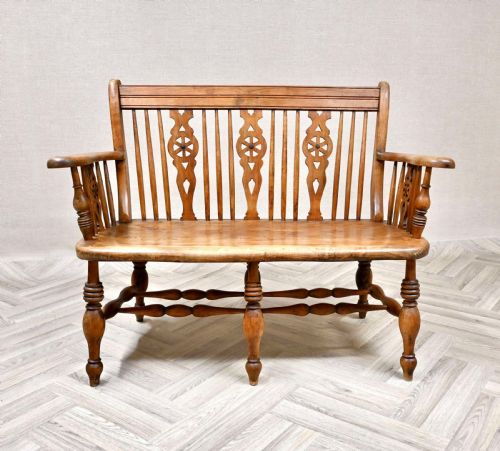
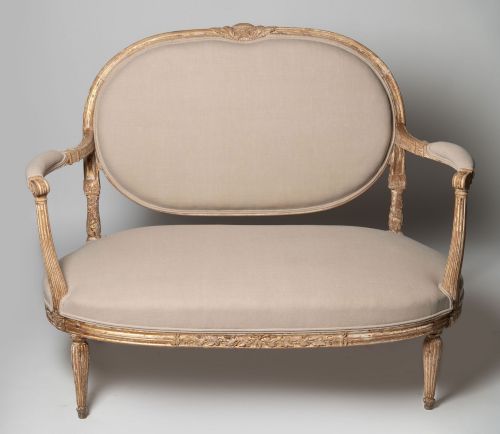
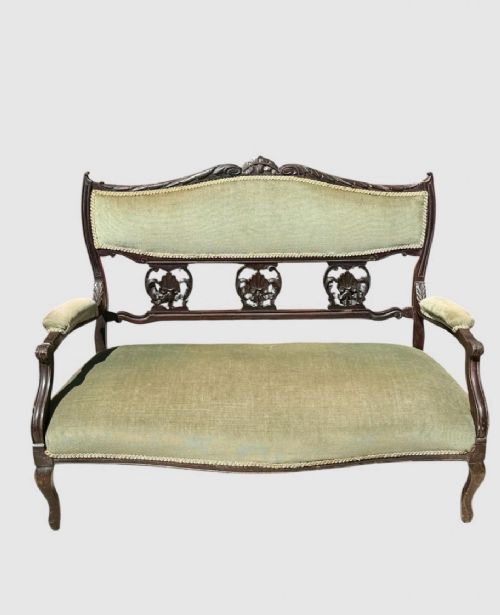
These carved wood loveseat examples span Victorian and Edwardian periods, offering compact seating carved from walnut and mahogany.
Carved Wood Loveseat
A carved wood loveseat brings intimate two-seater proportions into nineteenth and early twentieth-century interiors, taking the form of settees, canapés, and small sofas. When you search for this phrase, you find pieces originating from English, French, German, and Venetian workshops.
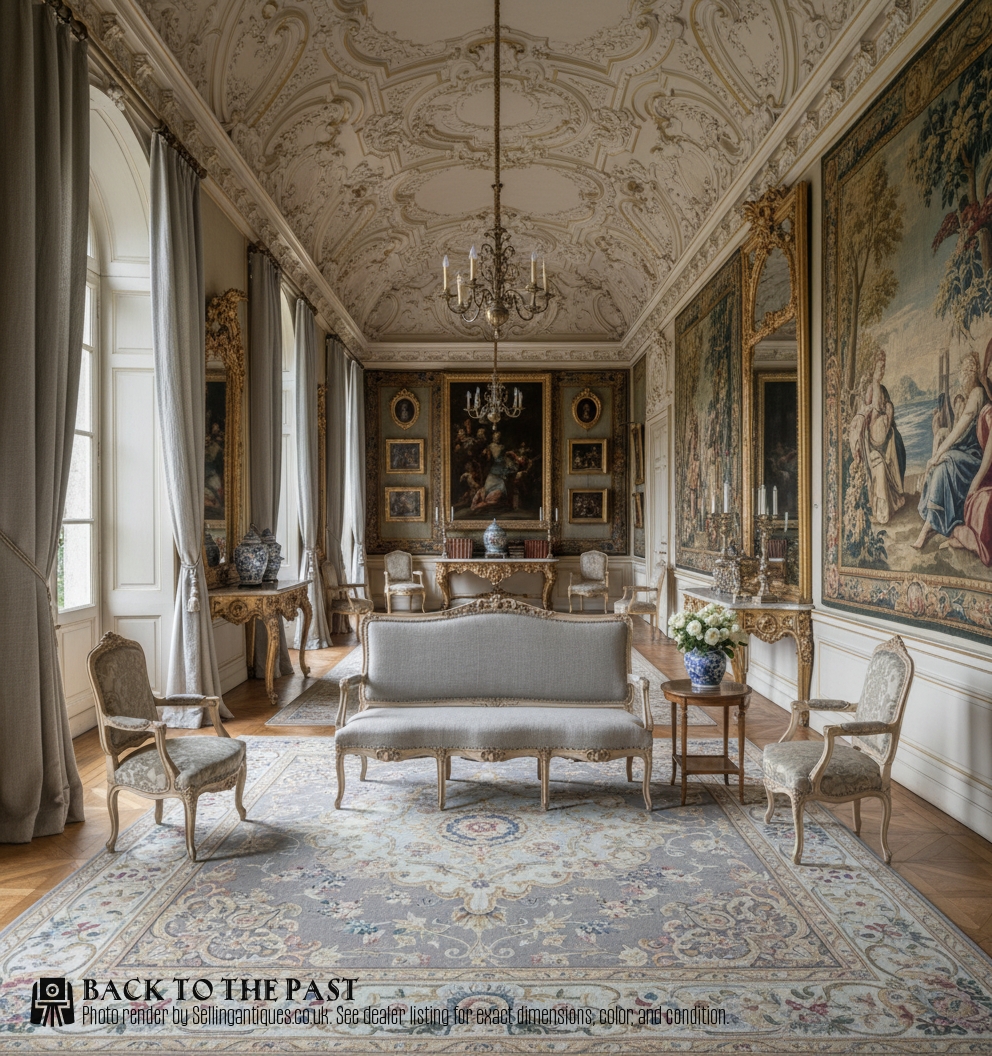
The selection on this page relies heavily on Victorian and Edwardian examples, alongside French provincial styles and pieces influenced by Louis XV and Louis XVI designs. These two-seaters serve as focal points in drawing rooms and bedrooms alike.
Makers shaped these frames from solid timbers, incorporating open arms, fluted legs, and curved backs into forms originally designated as settees, couches, and benches. Each piece provides compact seating designed specifically for two occupants.
What varies in quality
The crispness of the hand-carved floral motifs and structural detailing distinguishes finer frames from simpler production pieces. Deeply undercut woodwork and well-defined mouldings require advanced joiner skill.
Timber selection dictates overall character, with figured walnut and rich mahogany holding greater visual weight than basic painted woods. The integration of original cane panels or quality textile upholstery completes the construction.
Carved Wood Loveseat Retail Price Guide 2026
Typical asking prices for carved wood loveseat among the pieces listed under this phrase on Sellingantiques today, from the lower quarter to the upper quarter. They describe what is for sale here now, not the wider market.
One literary-linked settee carries a provenance tied directly to Daphne Du Maurier's Rebecca from nineteen-twenty.
The Carved Wood Loveseat Glossary
- Canapé
- An upholstered French sofa or settee featuring an exposed wooden frame. It typically offers a wide seat for two persons.
- Bergère
- An enclosed upholstered armchair or settee with wooden sides filled with upholstery or cane. This French style emerged during the eighteenth century.
- Giltwood
- Timber coated with a thin layer of gold leaf or gilt preparation. It appears frequently on decorative French frames.
- Cane
- Woven rattan material utilised for seat panels and backrests. It provides lightweight flexibility within wooden frames.
Carved Wood Loveseat: Frequently Asked Questions
What is a carved wood loveseat?
A carved wood loveseat is a compact two-seater sofa or settee featuring an exposed wooden frame with carved details. These pieces include French canapés, Victorian walnut settees, and Edwardian mahogany frames.
They offer intimate seating while displaying period woodworking styles ranging from Rococo Revival to Louis XVI designs.
How do I identify a French style settee?
French style settees often display painted or gilded walnut frames with curved cabriole legs and floral carvings. Terms like canapé or bergere indicate these continental forms.
Makers frequently utilised Louis XV and Louis XVI design elements to shape the exposed wooden arms and crest rails.
Where should I place a loveseat?
These compact two-seaters fit well in smaller sitting rooms, bedrooms, or entrance halls where full-sized sofas prove too large. Their decorative wooden frames allow them to sit away from walls.
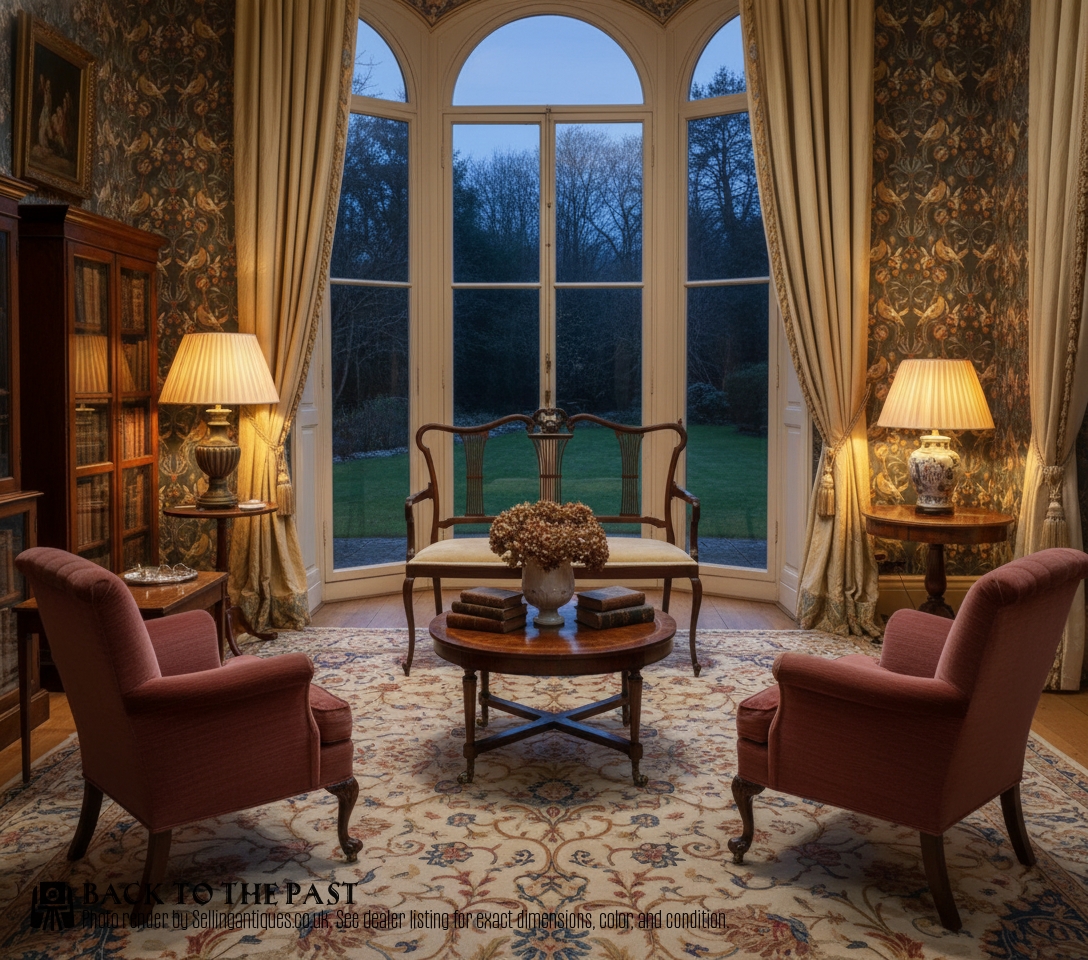
Pairing a loveseat with matching armchairs creates a cohesive conversation area within the room.
What woods were used for frames?
Walnut and mahogany dominate the framed seating from the nineteenth and early twentieth centuries. Some pieces feature giltwood or painted finishes applied over the base timber.
Caning and leather also appear alongside standard fabric and textile upholstery.