






Carved Wood Lion Mask
A carved wood lion mask brings fierce classical presence to furniture and architectural salvage, built to command attention in a grand interior.
Carved Wood Lion Mask
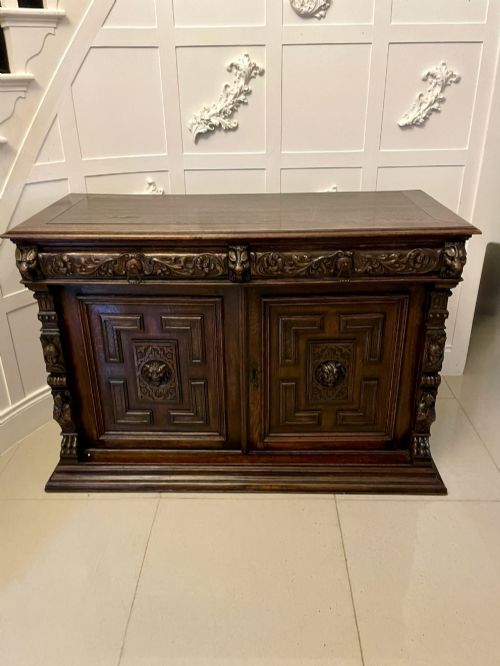
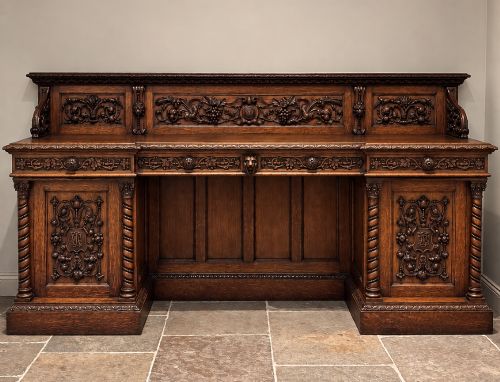
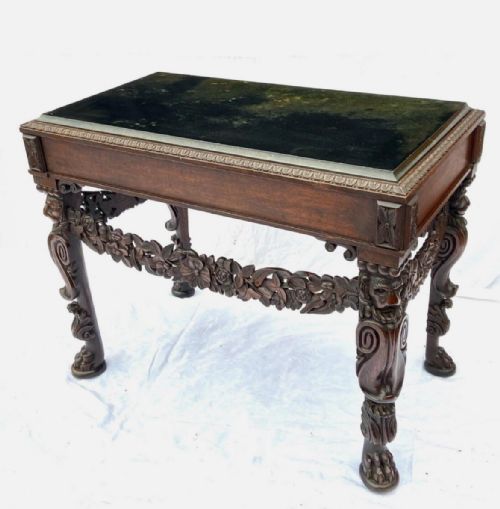
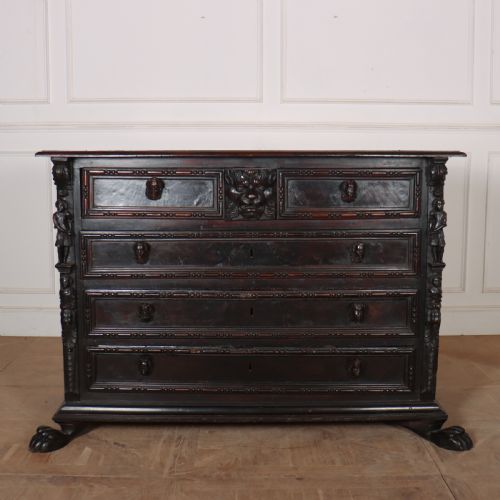
A carved wood lion mask appears as an ornamental focal point on substantial furniture forms such as sideboards, side tables, cabinets on stand, and console tables, or as standalone architectural wall mounts. You are most likely to encounter these fierce motifs integrated into nineteenth-century oak case pieces or eighteenth-century walnut consoles, where the beast's powerful visage anchors heavy architectural framing.
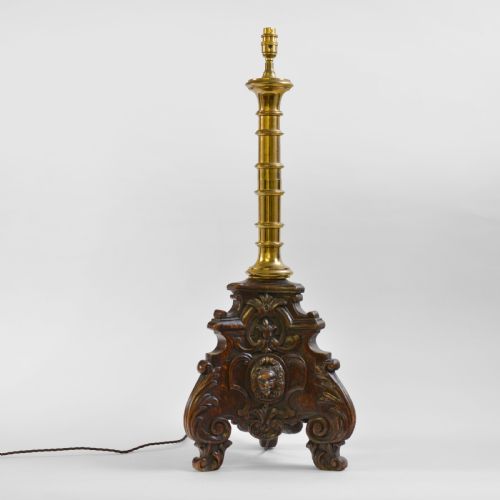
The objects span multiple centuries, ranging from seventeenth-century Flemish lamps and oak panels through to Regency giltwood pier mirrors and Victorian Gothic revival sideboards. Makers deployed the motif to signal strength, majesty, and classical lineage, drawing on Renaissance, Baroque, and Neoclassical design vocabularies across diverse European workshops.
Materials and construction methods
Carvers shaped these fierce visages primarily from dense timbers such as oak, walnut, and mahogany, allowing deep relief work and sharp facial detailing. Giltwood examples combined carved wood bases with layers of gesso and water gilding to achieve a reflective, luminous surface suitable for formal reception rooms.
Joinery and sculptural execution varied by period, with seventeenth and eighteenth-century pieces showing robust hand-chiselling directly into structural elements, while later nineteenth-century items often applied carved appliques or integrated the mask into elaborate architectural salvage components.
Listings feature oak, walnut, and mahogany timbers spanning periods from the seventeenth century through the Edwardian era.
Distinguishing quality in carved wooden masks
Quality rests upon the sculptural depth and anatomical precision of the carving, distinguishing lifelike, muscular expression from shallow, mechanical execution. Superior examples display carefully articulated manes, defined jawlines, and piercing eyes that project dynamically from the surrounding timber.
The integration of the mask into the host object dictates overall merit, separating items where the carving forms an integral structural element from those featuring applied decorative additions. Original surfaces, whether unpainted timber patination or period water gilding, preserve the integrity of the piece.
Giles Grendey
The Carved Wood Lion Mask Glossary
- Giltwood
- Timber coated with gesso and gold leaf to create a brilliant reflective surface. This finish frequently appears on Regency pier mirrors and console tables.
- Architectural salvage
- Building elements rescued from older structures for decorative reuse. These pieces often include wall masks and carved bed posts.
- Black Forest
- A style of wood carving originating in central Europe during the nineteenth century. It is known for highly realistic animal sculptures.
- Commode
- A low chest of drawers or cabinet developed in the eighteenth century. Walnut and mahogany versions often incorporate carved mounts.
Carved Wood Lion Mask: Frequently Asked Questions
Where were lion masks placed on antique furniture?
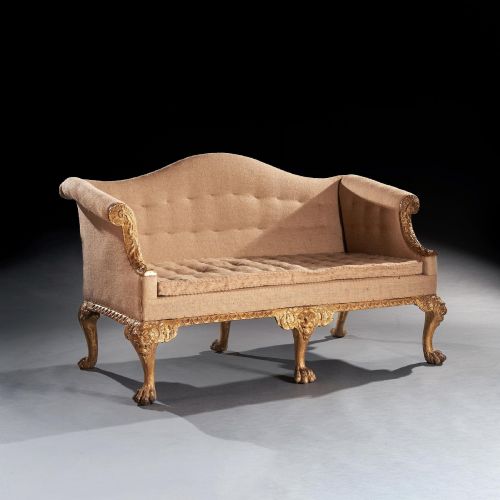
Carvers typically positioned lion masks on the knees of cabriole legs, at the centre of cabinet friezes, or as terminal mounts on sideboards and console tables.
These placements drew the eye to structural junctions, reinforcing the visual weight and stability of heavy oak and mahogany pieces.
How do I distinguish eighteenth-century pieces from nineteenth-century revivals?
Eighteenth-century items show hand-tooled tool marks, deeper timber oxidation, and construction methods consistent with period workshop practices. Revival pieces from the Victorian era often utilise machine assistance or adopt heavier, more eclectic stylistic combinations.
Examining the secondary timbers and the backboards helps clarify the true age of the object.
Are wall masks separate from furniture carvings?
Standalone wall masks were carved as independent decorative panels or architectural ornaments rather than functioning as furniture components. These pieces usually feature mounting hardware or flat rear surfaces designed for direct attachment to interior walls.
They offer a concentrated example of sculptural wood art without the surrounding framework of a table or cabinet.
How should I care for carved wooden masks?
Maintain these carved surfaces by dusting gently with a dry, soft cloth and avoiding silicone-based polishes or excessive moisture. Keeping the timber away from direct heat sources prevents the wood from drying, cracking, or loosening applied elements.
Periodic application of appropriate wax preserves the historic patina of unsealed oak and walnut.