
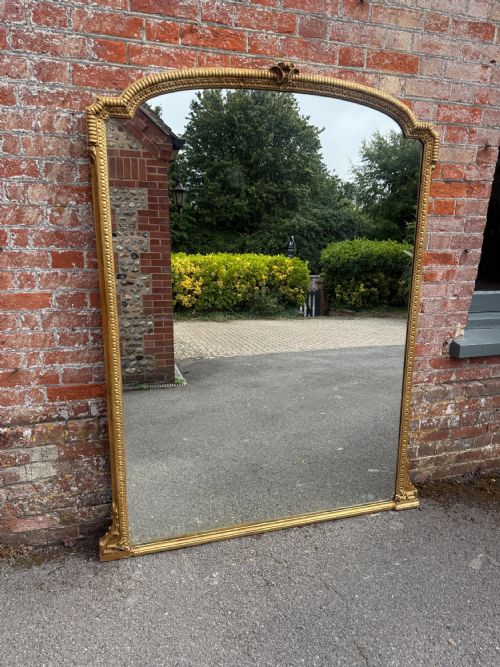
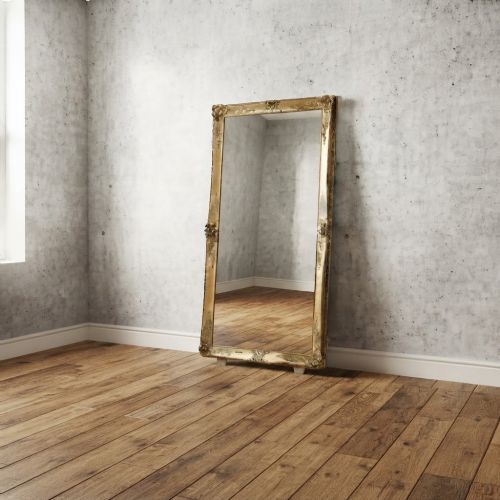
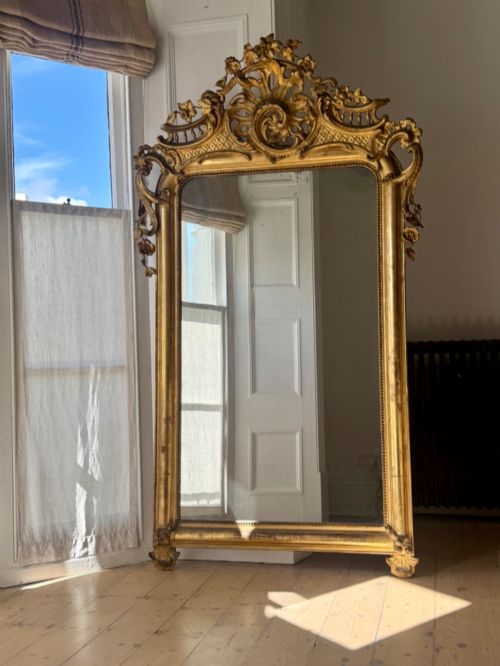
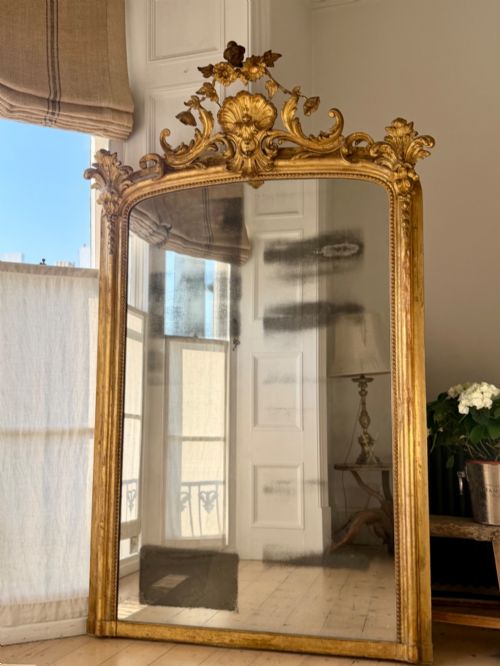

Carved Wood Floor Mirror
A carved wood floor mirror brings scale and reflection to a room, offering tall timber frames designed to stand on the floor or lean against a wall.
Carved Wood Floor Mirror
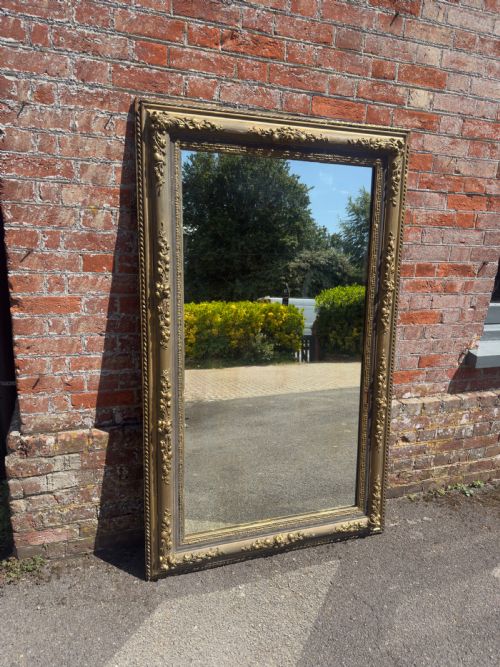
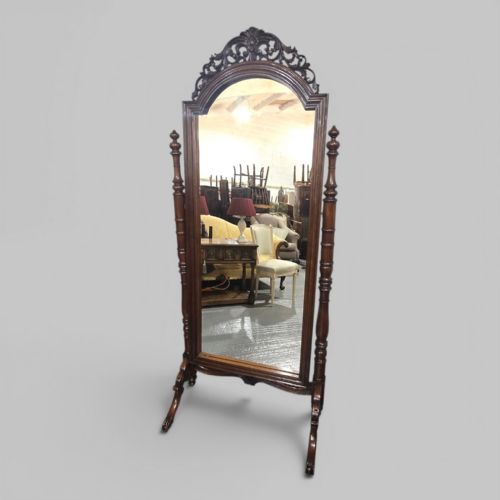
When searching for a carved wood floor mirror, buyers encounter substantial pieces designed for full-length reflection, frequently standing independently on swivel frames or leaning directly against walls. The selection spans the 18th century, 19th century, and Victorian periods, with specific dates appearing from the 1830s through to 1900.
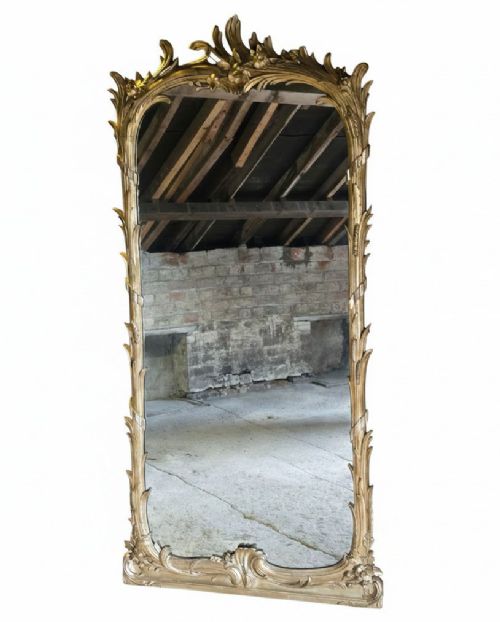
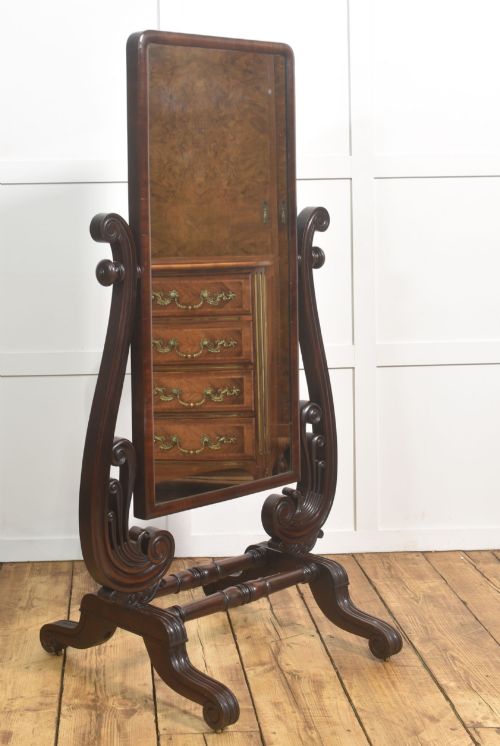
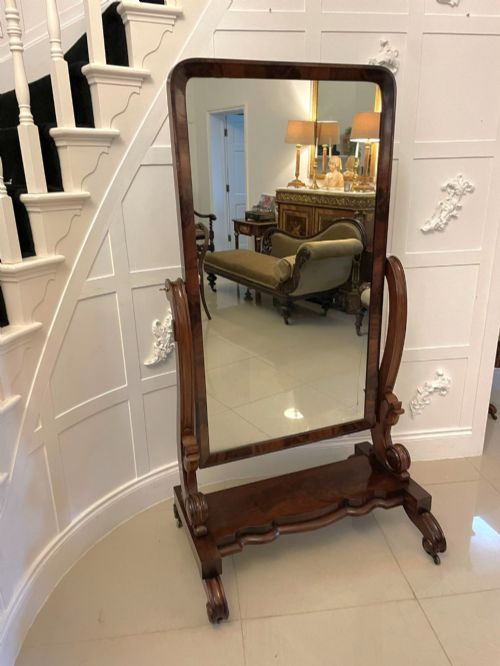
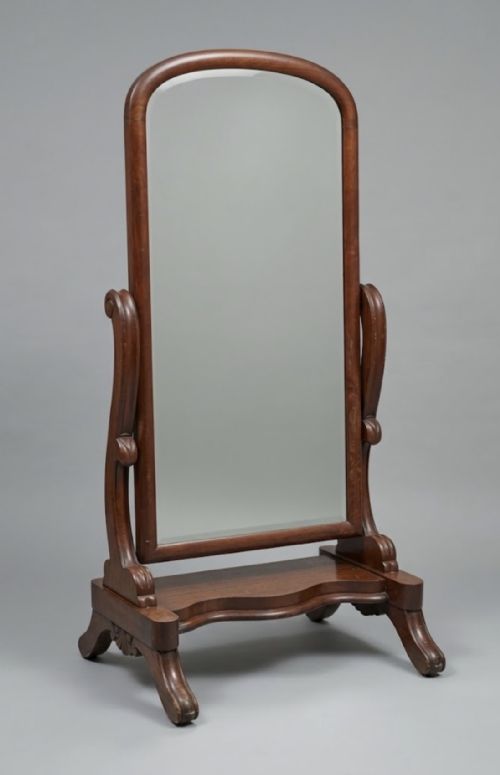
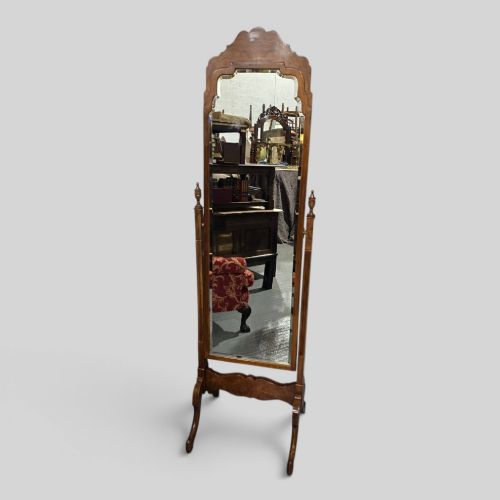
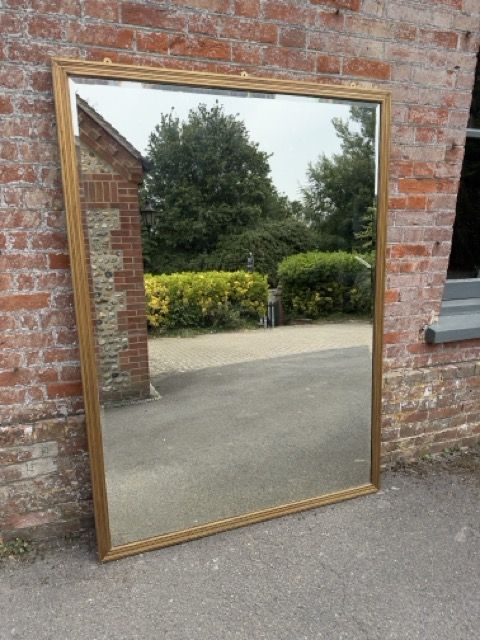
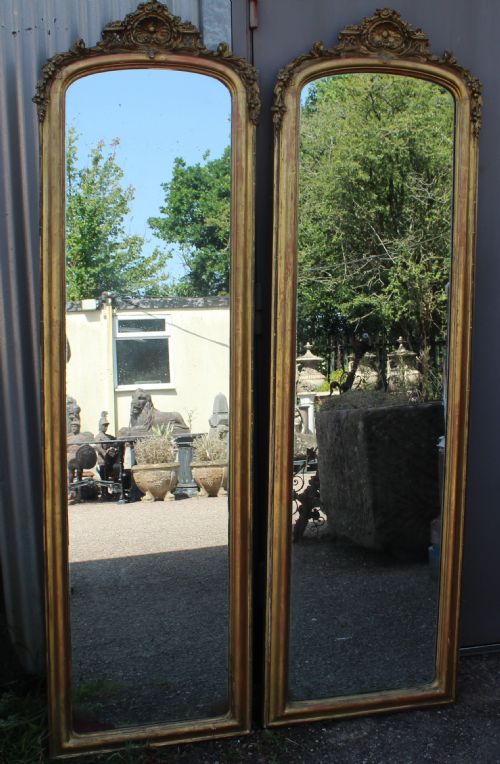
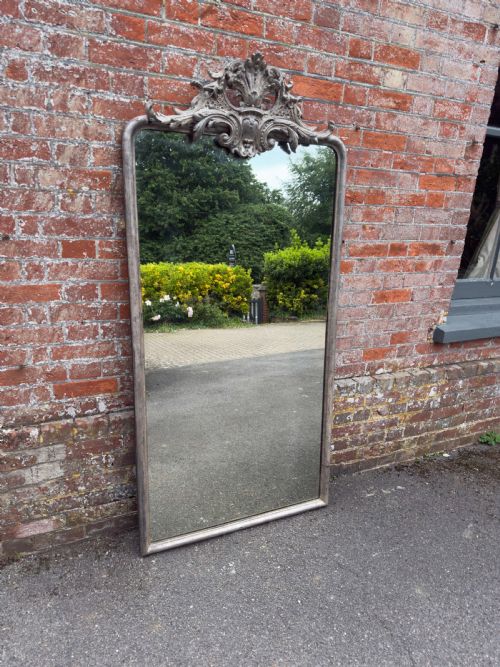
Freestanding examples often take the form of mahogany cheval mirrors supported on sturdy floor stands. Wall-leaning variations include tall giltwood pier mirrors, arched leaner frames, and painted trumeau pieces.
Stylistic influences range from English William IV and Victorian designs to French Rococo revival, French chateau, and neoclassical aesthetics. Many incorporate carved wood and gesso finished in gold leaf, silver, or paint.
How they were made
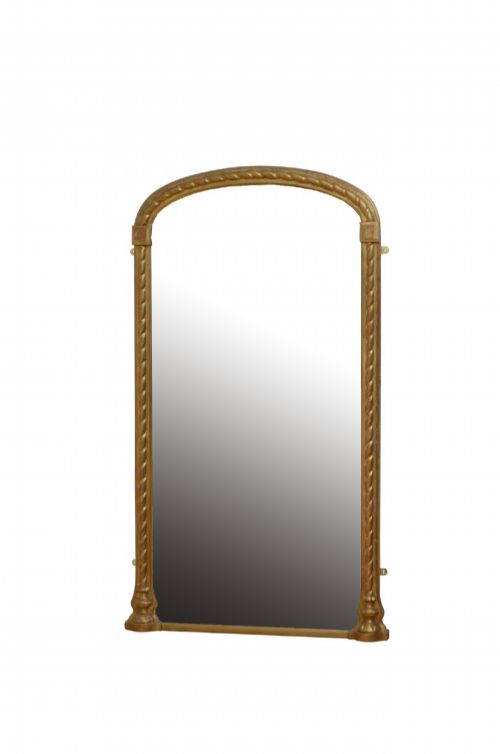
Joiners and cabinet makers constructed the primary frames from solid timbers such as mahogany, scrubbed oak, and burr walnut, employing traditional jointing to support the weight of heavy glass. Carved ornamentation often utilised applied gesso over a wooden base, allowing artisans to shape elaborate rope twist, ribbed, and rococo motifs.
Surface decoration involved meticulous gilding with gold or silver leaf, parcel gilding, or layered paint finishes. The reflective panels themselves include traditional mercury glass and foxed mirror glass, held securely within large structural rebates.
Listings for this phrase frequently feature 19th-century mahogany cheval mirrors alongside heavily carved giltwood wall and pier mirrors.
What varies in quality
The distinction between tiers rests upon the depth and precision of the wood carving and the complexity of the gesso work. Skilled hands produced crisp ribbing, deep rope twists, and balanced decorative motifs that retain their definition beneath layers of gilding.
Proportion and structural integrity also divide the range, particularly in freestanding cheval mirrors where the supporting frame must bear the weight of a swinging glass plate without twisting. Original glass panels, whether clear mercury plates or softly foxed mirrors, contribute significantly to the character of the piece.
The Carved Wood Floor Mirror Glossary
- Cheval mirror
- A large floor-standing mirror mounted on a frame with pivots that allow the glass to swing. This design originated in the late 18th century and became popular for bedroom dressing.
- Gesso
- A plaster mixture applied to wood frames as a base for carving and gilding. Skilled artisans shaped the pliable material into intricate decorative reliefs before applying gold or silver leaf.
- Mercury glass
- A type of silvered glass produced by pouring a liquid mercury amalgam between double-walled blown glass. Older examples often display characteristic foxing and spotting.
- Pier mirror
- A tall mirror designed to hang on the wall or stand on the floor in the narrow space between windows. These pieces maximise light in a room.
- Trumeau
- A decorative wall mirror combined with a painted panel or carved artwork above the glass. French examples frequently feature classical scenes or floral motifs.
Carved Wood Floor Mirror: Frequently Asked Questions
Where should I place a floor mirror?
These tall mirrors function effectively opposite windows to bounce natural light deeper into a room. They also suit hallways and bedrooms where full-length reflection is practical.
Heavier leaner frames require secure positioning against a sturdy wall to ensure stability during daily use.
How do I identify a cheval mirror?
A cheval mirror stands independently on its own floor base, supported by two vertical uprights and side pivots. The glass swings freely within this frame to adjust the viewing angle.
Most examples seen here date from the 19th century and utilise mahogany or walnut.
What is foxed glass?
Foxing refers to the natural ageing of the reflective silver backing behind the glass, which creates dark spots and mottled patches. This chemical breakdown occurs over decades through exposure to air and moisture.
Collectors often value original foxed mercury glass for the authentic historic character it brings to an antique.
Are these mirrors heavy?
Solid timber construction combined with thick mirror glass makes these pieces substantial in weight. Floor-standing cheval models require stable placement, while leaner mirrors need adequate depth at the base.
Wall-mounted versions require robust fixings suited to the weight of carved wood and gesso frames.