
Carved Wood Crest
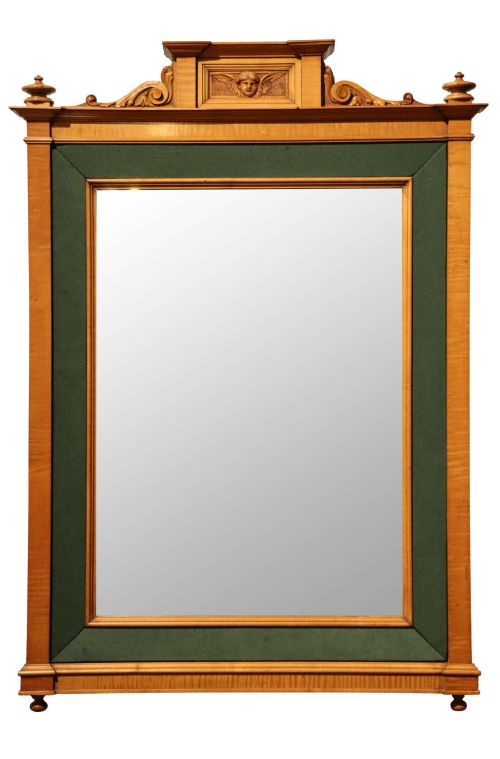
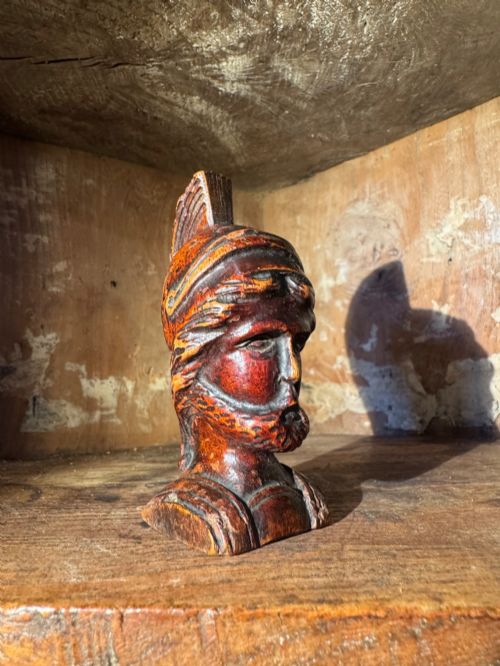
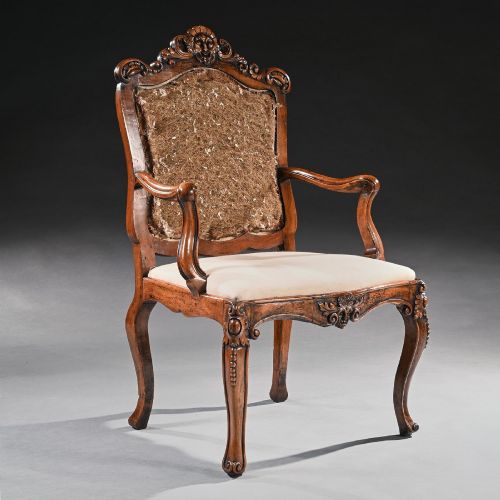
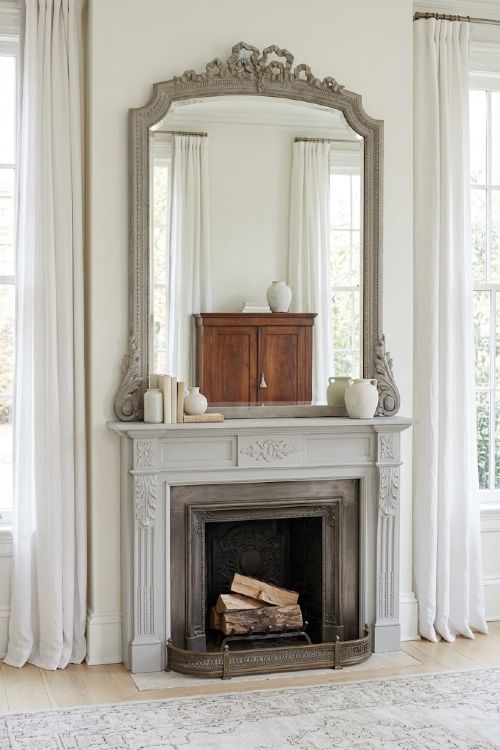
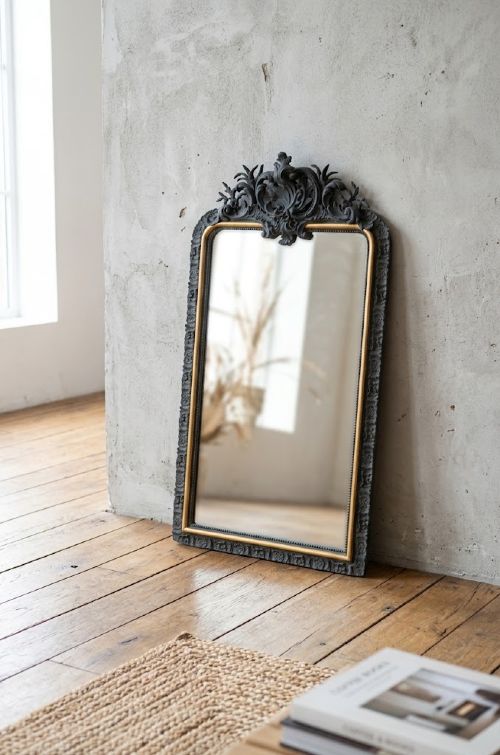
When you look for a carved wood crest, you encounter mirrors, armorial plaques, and chairs whose upper sections bear intricate timber ornamentation.
Carved Wood Crest
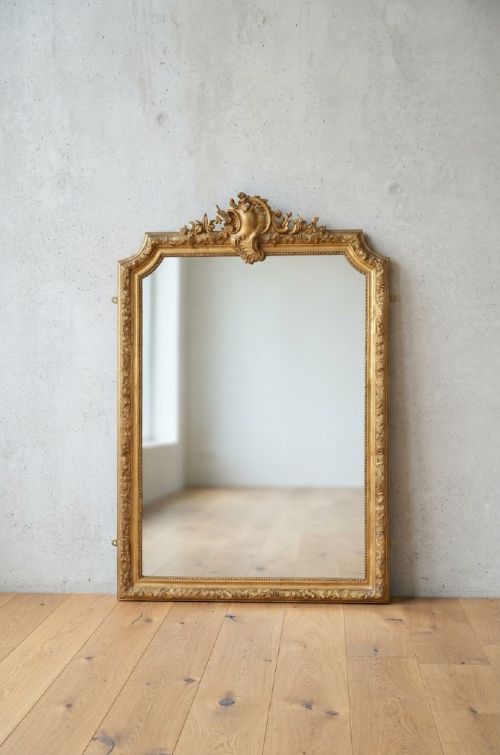
A carved wood crest typically appears as the crowning decorative element on mirrors, overmantels, armorial plaques, and chairs. These elements manifest across periods from the seventeenth to the early twentieth centuries, drawing upon Georgian, Victorian, Regency, and continental styles.
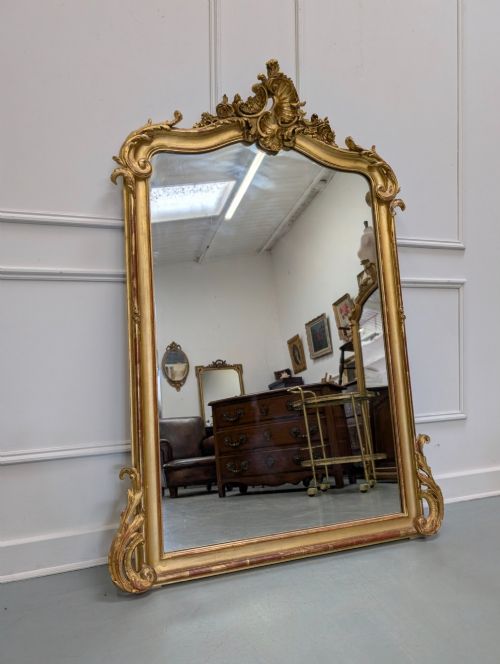
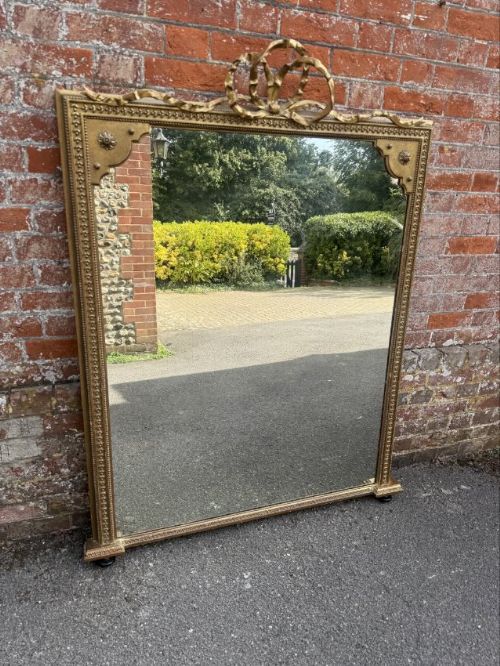
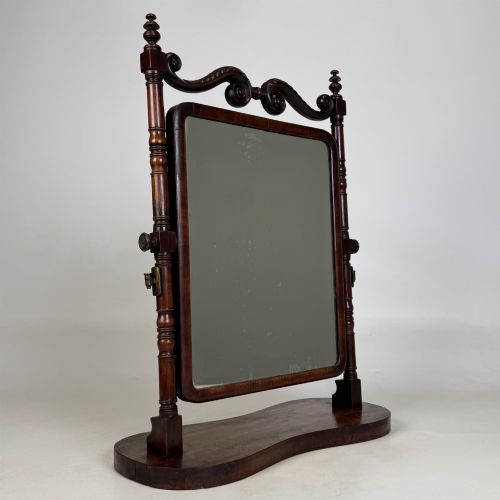
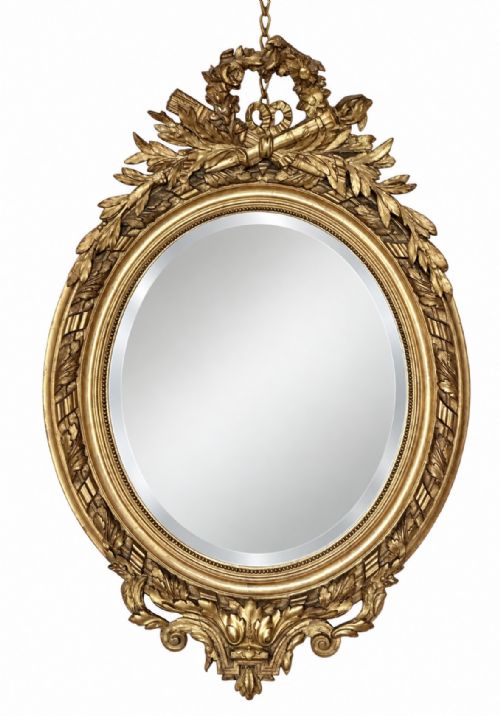
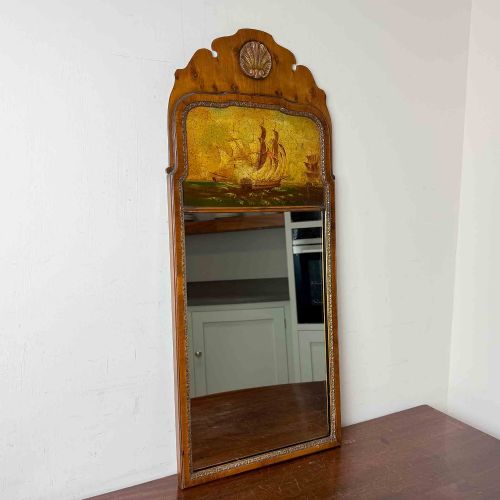
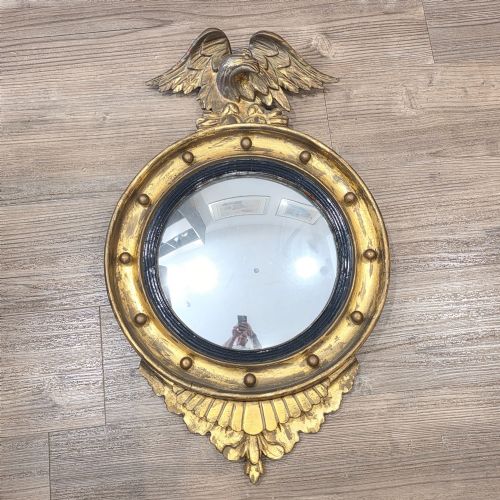
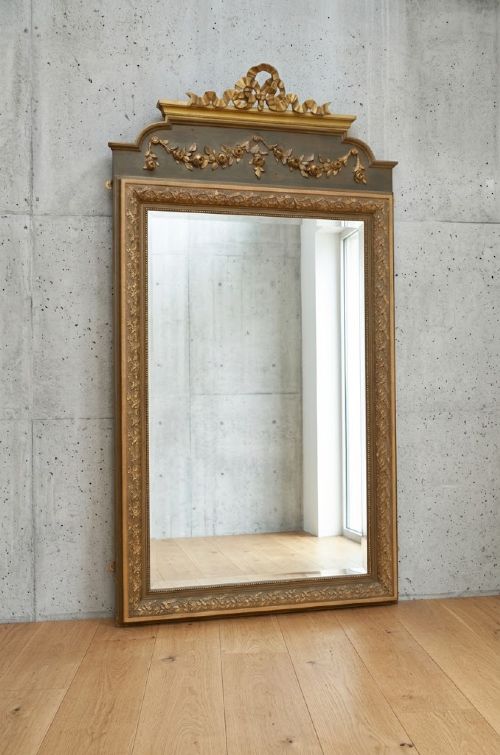
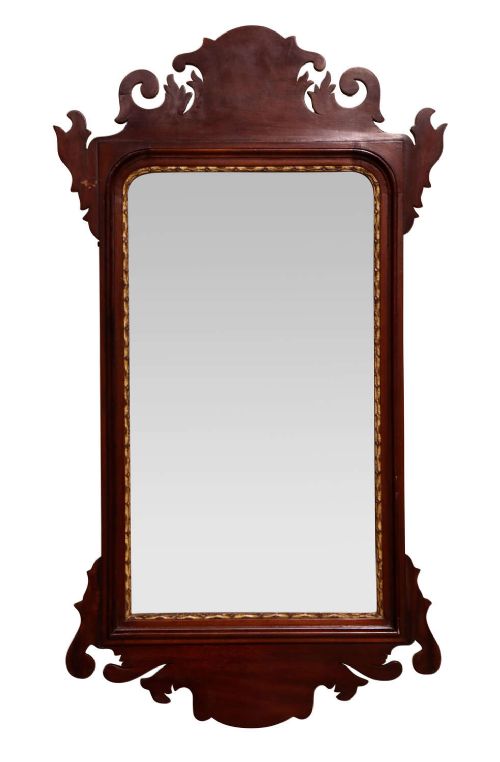
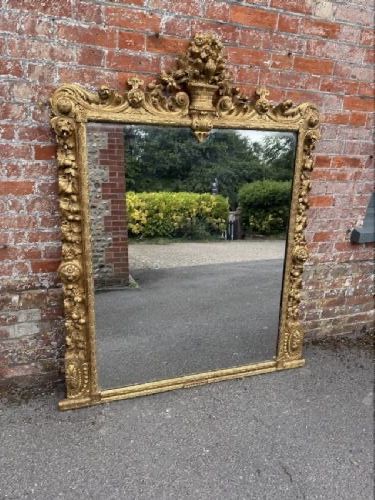
Mirrors form the most common type encountered on this page, ranging from convex designs with birds to large overmantels adorned with gesso and giltwood. Alongside these, buyers find armorial shields, marriage plaques, bookcases, and hall chairs bearing distinct wooden cresting.
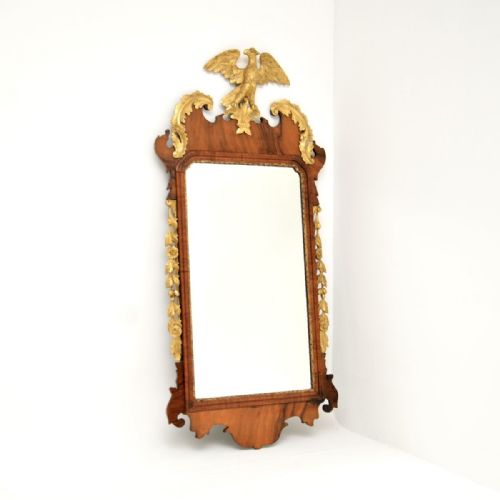
Origin points vary widely, encompassing English mahogany pieces, French Louis-style gilt frames, Italian rococo work, and Dutch marriage plaques. The craftsmanship spans simple carved oak shields to elaborate giltwood crests surmounted by eagles or ribbons.
Materials and construction methods
Makers utilised solid timbers such as oak, mahogany, walnut, and yew alongside softer woods for gilt surfaces. Carvers shaped the wood directly or applied gesso over a wooden base to build up intricate relief details before applying gold leaf or paint.
Mirrors frequently incorporate original mirror glass or foxed mercury glass framed by carved wood and gesso structures. Joinery techniques and applied fretwork define the construction of chairs, bookcases, and wall plaques.
Listings feature items spanning the seventeenth to the twentieth centuries, utilising mahogany, oak, gesso, and giltwood across various European styles.
Factors of quality and execution
Quality rests in the crispness and depth of the wood carving and the integrity of the underlying gesso. Skilled carvers achieved fluid lines and balanced proportions on crests and frames, whereas lesser examples show softer, shallower relief work.
The preservation of original gilding, painted surfaces, and glass contributes significantly to a piece's integrity. Evidence of later alterations or re-gilding distinguishes workshop-fresh execution from pieces retaining their historical patination.
Gillows Of Lancaster·Van Rijckevorsel & Verheijen
The Carved Wood Crest Glossary
- Crest
- The upper decorative feature mounted upon a mirror, chair, or plaque. This element often takes the form of carved foliage, birds, or armorial bearings.
- Gesso
- A plaster mixture applied to wood frames to create a smooth surface for gilding or painting. Artisans carved intricate details directly into this layered medium.
- Giltwood
- Timber coated with gold leaf over a prepared base. This finish defines many formal European mirrors and decorative crests.
- Overmantel mirror
- A large mirror designed to hang above a fireplace mantel. These pieces frequently feature prominent carved cresting.
- Fretwork
- Ornamental design executed by cutting patterns through thin wood panels. It appears notably on Chippendale-style frames within the selection.
Carved Wood Crest: Frequently Asked Questions
What is a carved wood crest?
A carved wood crest is the decorative apex found on antique mirrors, plaques, and chairs. It serves as the visual focal point of the object.
Craftsmen shaped these wooden elements into birds, ribbons, or heraldic symbols depending on the prevailing style of the period.
How do I date a mirror with a crest?
Dating relies on examining the timber, the style of the carving, and the backing materials. Georgian and Victorian pieces exhibit distinct stylistic markers in their framing.
Manufacturing techniques such as the application of gesso and the composition of the glass also help establish the era of creation.
Were crests always made of wood?
Many crests combine carved wood foundations with moulded gesso to achieve fine sculptural detail. This combination allowed artisans to create elaborate relief work.
Underneath the surface ornamentation, the structural core of the crest remains solid timber such as oak or mahogany.
How were armorial crest plaques used?
Armorial crest plaques and marriage plaques served as commemorative displays for families and unions. They recorded lineage, alliances, or civic identity.
Households mounted these carved wooden shields on interior walls as symbols of status and heritage.