



Carved Wood Buddha
These carved wood buddha pieces range from Chinese hardwood figures to Burmese gilt statues, offering rich textures and regional detail for your interior.
Carved Wood Buddha
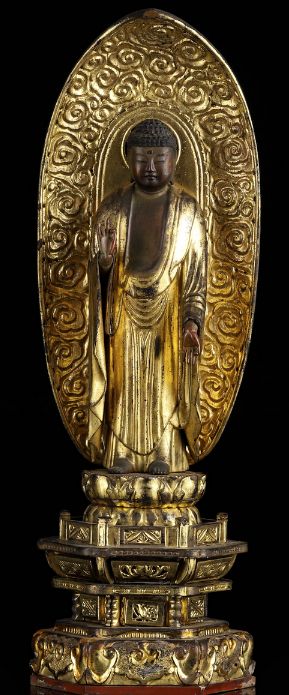
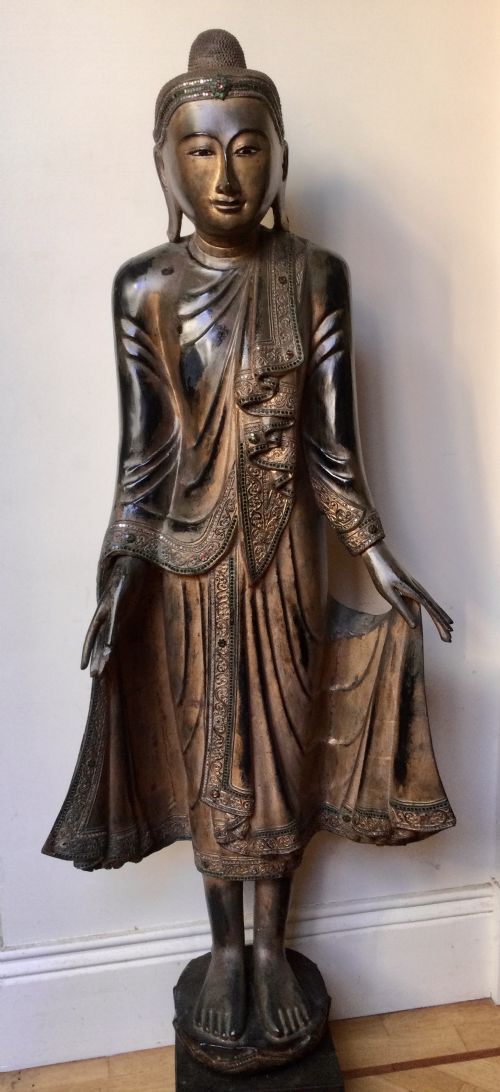
When you search for carved wood buddha pieces, you encounter figures originating from China, Burma, Tibet, India, Japan, Vietnam, and Sri Lanka. These sculptures span the eighteenth and nineteenth centuries up to the early twentieth century, including Edwardian examples.
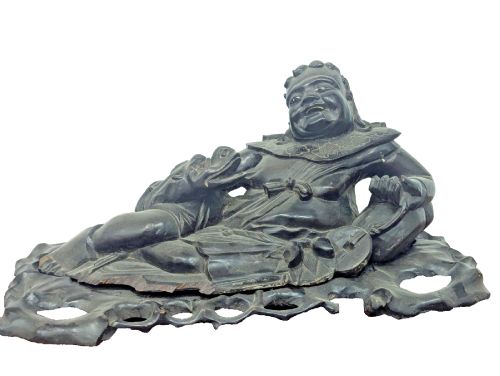
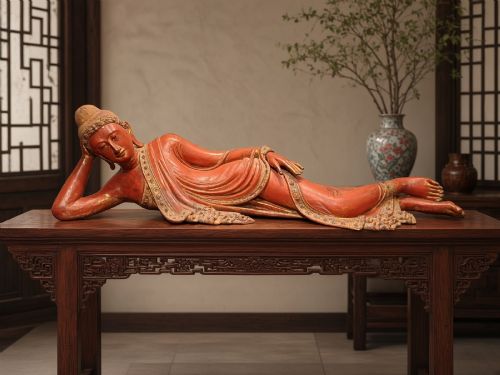
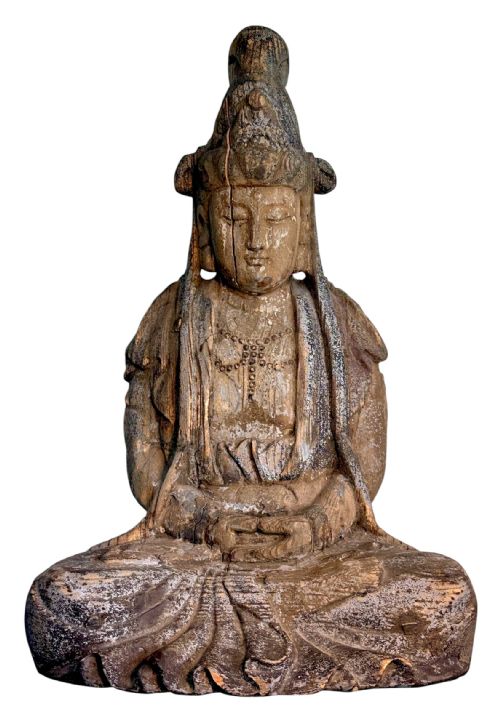
The selections on this page commonly take the form of standing figures, seated figures, reclining Buddhas, temple guardians, medicine figures, and laughing Buddhas like Budai or Hotei. Object types also include large heads and deities alongside traditional statues.
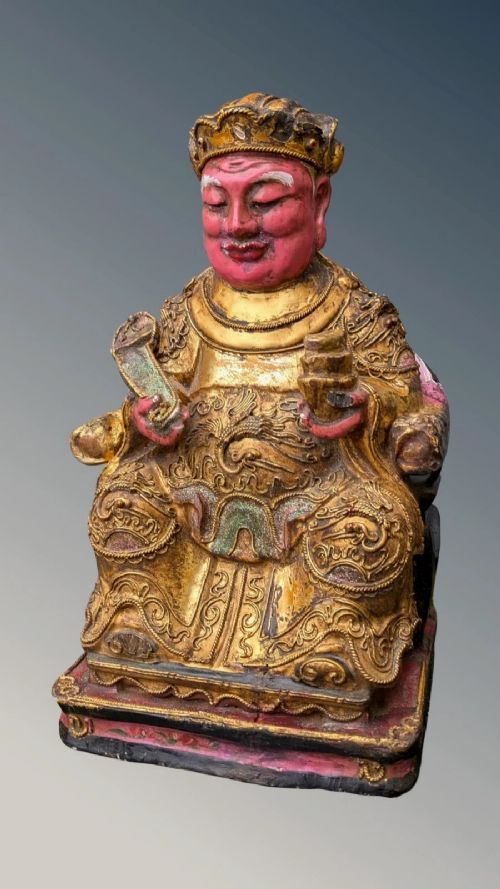
Chinese examples from the Qing Dynasty sit alongside Southeast Asian antiques and Burmese Mandalay pieces. You find works executed in solid wood, hardwood, and rosewood, as well as heavily decorated polychrome and gilded finishes.
Distinctions in quality and execution
Quality reveals itself in the depth and precision of the carving, particularly around the facial expression, hands, and folds of the robes. Finer pieces demonstrate careful anatomical proportion and balanced posture.
The preservation of original surface finishes, such as polychrome pigment, gilt wood, and gold leaf, distinguishes better-surviving examples. The integration of materials like glass inlay also influences the visual impact of the piece.
Several listings specifically capture corpulent laughing Buddhas and reclining figures looking notably amused by their surroundings.
The Carved Wood Buddha Glossary
- Polychrome
- Painted in several colours. This finish appears frequently on Chinese and Vietnamese carved wooden figures.
- Gilt Wood
- Wood decorated with gold leaf or gold paint. Artisans applied this technique extensively across Asian and Southeast Asian sculptures.
- Gesso
- A plaster mixture used as a smooth base for paint or gold leaf on wood. It provides the foundational layer for gilded surfaces.
- Hardwood
- Dense and durable timber used for structural longevity. Chinese carvings frequently utilise this material.
- Relief
- Carving that projects from a flat background. High relief sculptures show significant depth and three-dimensional form.
Carved Wood Buddha: Frequently Asked Questions
What periods do these pieces span?
The pieces available span from the late seventeenth century through the eighteenth and nineteenth centuries into the early twentieth century. You will encounter Qing Dynasty items alongside Edwardian examples and pieces dated around nineteen hundred.
Origins vary widely across Asia, encompassing Chinese, Burmese, Tibetan, Indian, Japanese, Vietnamese, and Sri Lankan traditions.
How were these figures used originally?
Many of these sculptures served as ritual figures or temple guardians housed within sacred spaces. Others functioned as devotional objects for domestic shrines or as medicine figures.
Larger statues and guardian figures commanded prominent positions in temples, while smaller hardwood carvings suited private spaces.
How do I care for a wooden Buddha?
Keep wooden and gilded sculptures away from direct sunlight and fluctuating humidity to protect the timber and delicate surface decoration. Dust gently with a dry, soft cloth without applying harsh cleaning products.
Preserving the original polychrome paint, lacquer, or gold leaf requires maintaining stable indoor environmental conditions.
How do I distinguish regional styles?
Burmese Mandalay figures often feature distinct gilt wood treatments and specific monastic posture conventions. Chinese Qing Dynasty pieces frequently employ hardwood, polychrome paint, or intricate relief carving.
Japanese examples, such as those from the Edo period, display distinct sculptural proportions and facial characteristics.