





Carved Wood Artwork
These carved wood artwork pieces span centuries of sculptural craft, offering tactile depth and historic presence to any wall or surface.
Carved Wood Artwork
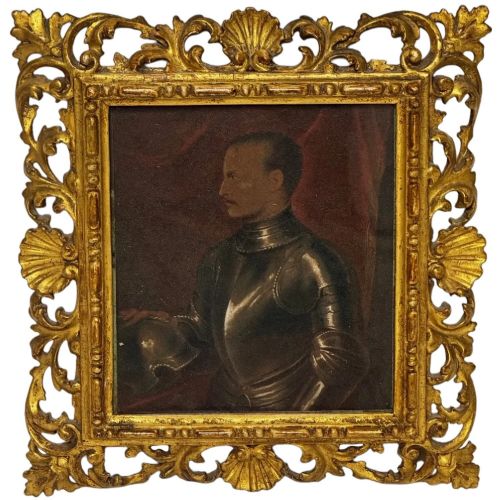
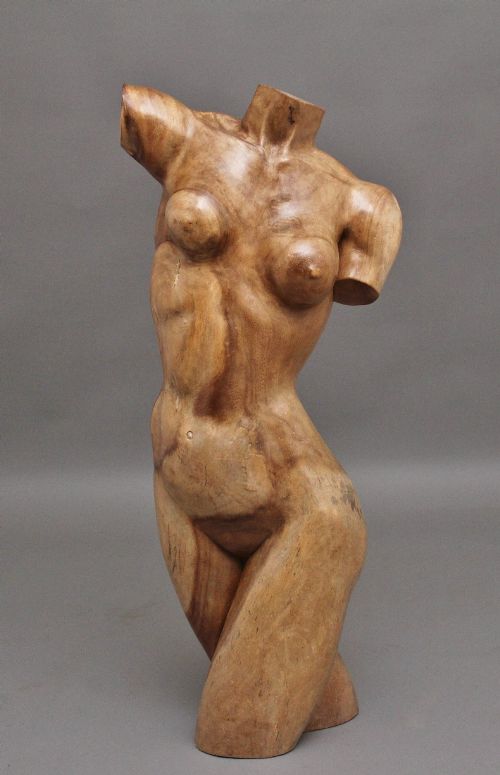
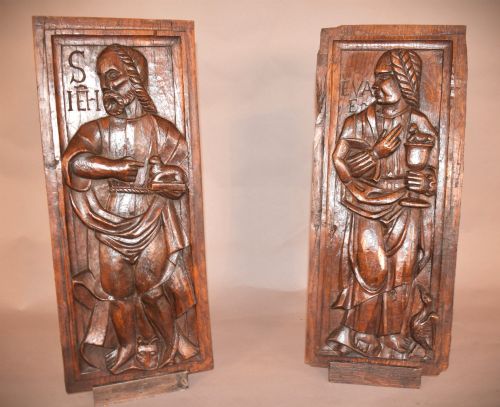
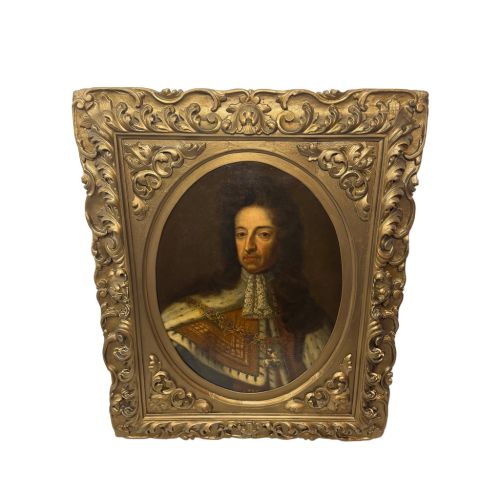
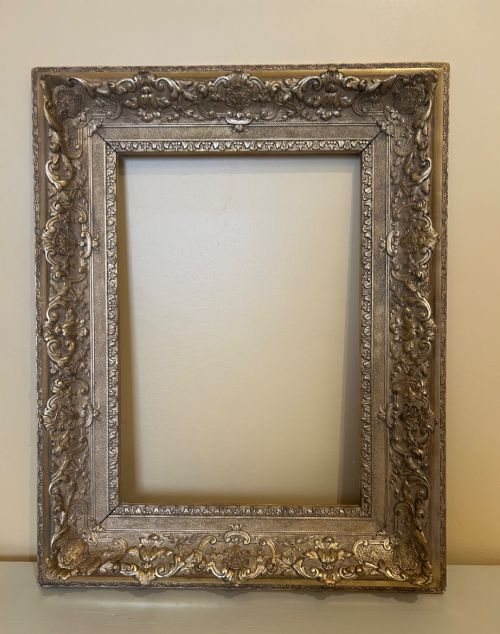
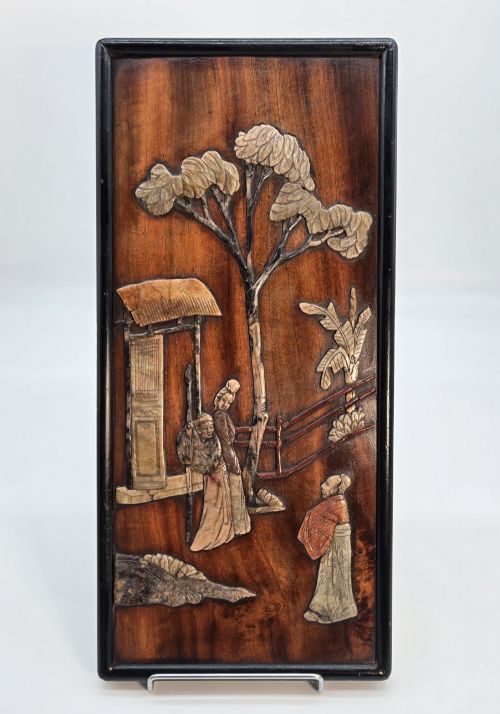
Carved wood artwork encompasses sculptural panels, figurative statues, and framed pictures executed in various timber types. When exploring carved wood artwork, buyers encounter items ranging from seventeenth-century architectural fragments to twentieth-century African studies.
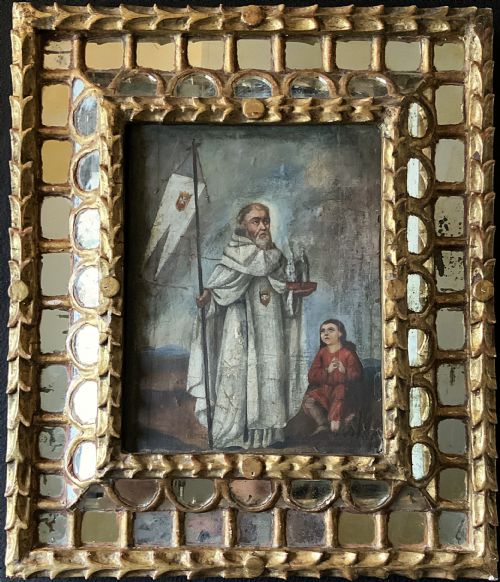
The selections include relief panels depicting flora or figures alongside life-size torsos and monumental temple guardians. Many pieces integrate wood with gesso, canvas, or oil paint to form comprehensive visual objects.
How they were made
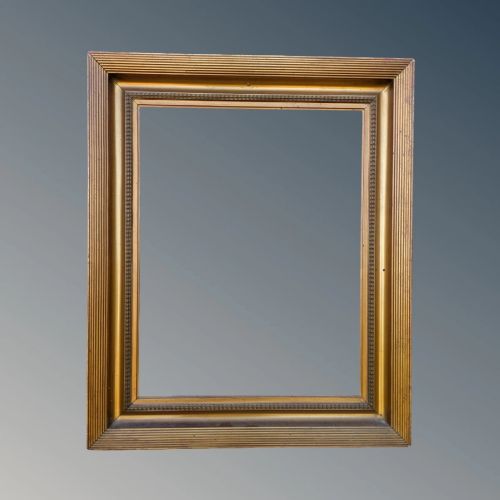
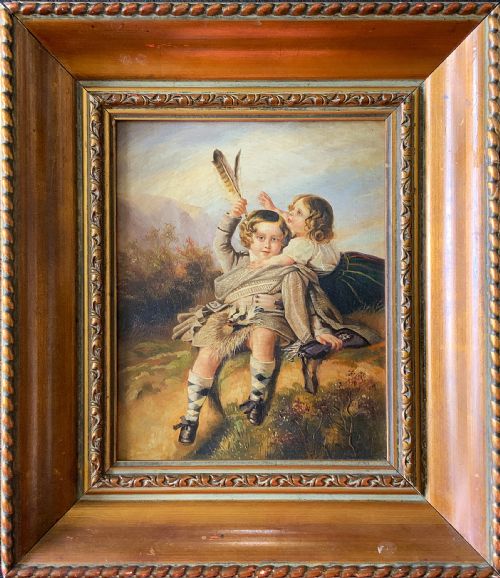
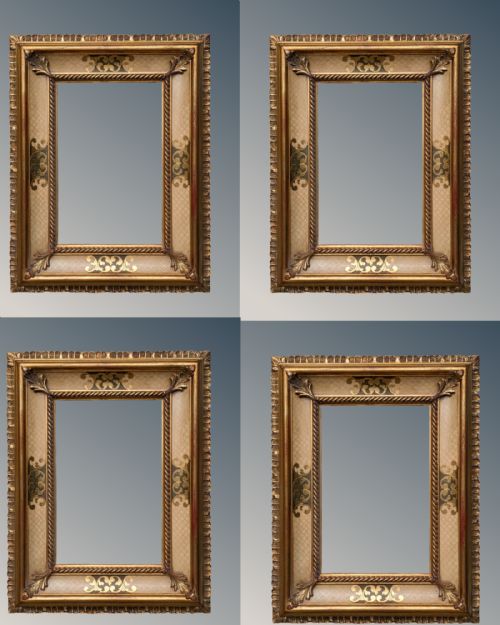
Artisans employed traditional hand-carving techniques on hardwoods and softwoods alike, often finishing surfaces with gold leaf, gilt wood, or polychrome paint. Panels and figures show deliberate chisel work, sometimes paired with bone inlay or framed within solid period mouldings.
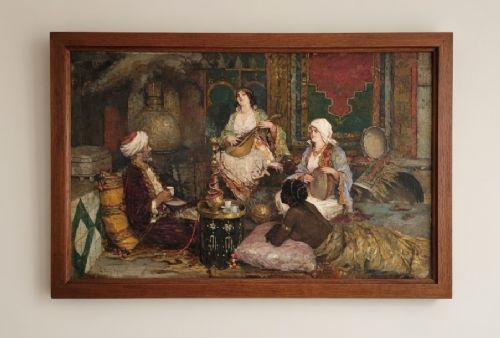
Makers utilised canvas, oil paint, and gesso alongside the primary timber base, particularly in pieces that combine painting with carved framing elements. The interaction between carved wood and applied pigments defines the physical structure of these works.
Among the carved animals, a hippopotamus carved from hardwood and bone stands out alongside traditional portraits and botanical panels.
What varies in quality
The integration between the carved support and any applied decoration, such as gilding or painted surfaces, dictates the refinement of the piece. Superior items retain crisp edges and coherent stylistic execution across the entire object.
Gian Paolo Pace·Sir Anthony Van Dyck·Paul-Élie Gernez·Gabriel Puig Roda·Christoffel Bisschop·Hendrik Yan Wolter
The Carved Wood Artwork Glossary
- Gilt wood
- Wood that has been treated with gold leaf or a metallic substitute for decorative effect. This finish appears frequently on frames and sculptural panels.
- Gesso
- A plaster-like mixture applied to wood surfaces to prepare them for painting or gilding. It provides a smooth base for intricate surface decoration.
- Relief
- A sculptural technique where elements project from a background plane. Carved panels often utilise high or low relief to create pictorial depth.
- Polychrome
- The practice of decorating architectural elements, sculpture, or panels in a variety of colours. Pigments are applied directly to wood or gesso grounds.
- Panel
- A flat piece of wood used as a support for carving, painting, or low-relief artwork. These often form standalone wall decorations or furniture components.
Carved Wood Artwork: Frequently Asked Questions
How should I hang heavy carved wood panels safely?
Heavy carved wood panels require secure wall anchorages suited to the specific weight and density of the timber. Professional fixings distributed across multiple points prevent strain on the structure.
Ensure the hanging wire or integrated brackets engage directly with wall studs or masonry rather than plaster alone. Periodic checks of the fixings maintain stability over time.
What is the best way to clean carved wooden surfaces?
Dust accumulated within intricate carved recesses is best managed using a soft-bristled artist's brush or a dry microfibre cloth. Avoid pressing hard against delicate projections or applied gilding.
Water and liquid cleaning agents can damage aged timber, gesso, and painted finishes. Keep items away from direct heat sources to prevent the wood from drying and splitting.
How do I distinguish nineteenth-century carvings from older periods?
Nineteenth-century works often display machine-assisted precision or revivalist tendencies referencing Baroque, Rococo, or Renaissance styles. Tool marks differ from those left by seventeenth-century hand chisels.
Examining the back of the panel, the oxidation of the wood, and the composition of any gesso underlayers helps clarify the likely age of the piece.
Where do these carved wood artworks originate?
The pieces originate from diverse European workshops, Asian traditions including Chinese and Japanese studios, and African regions. Each provenance brings distinct timber selections and carving motifs.
Regional styles often reveal themselves through specific wood species, preparation techniques, and subject matter depicted in the relief or sculpture.