


Carved Wood Animal Figurine
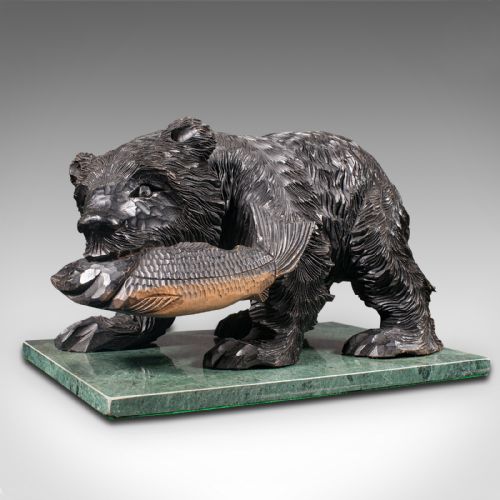
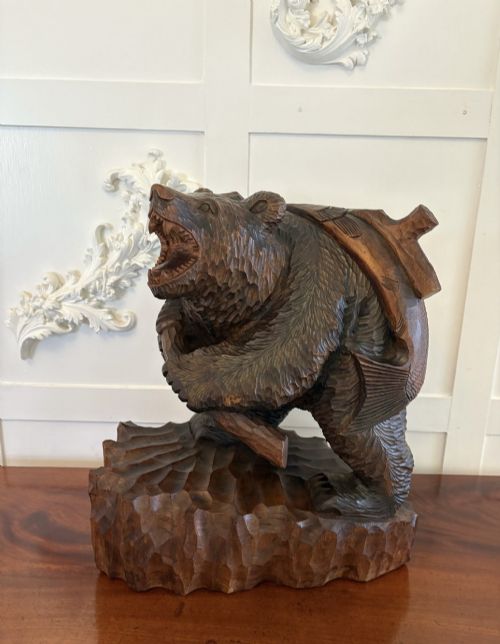
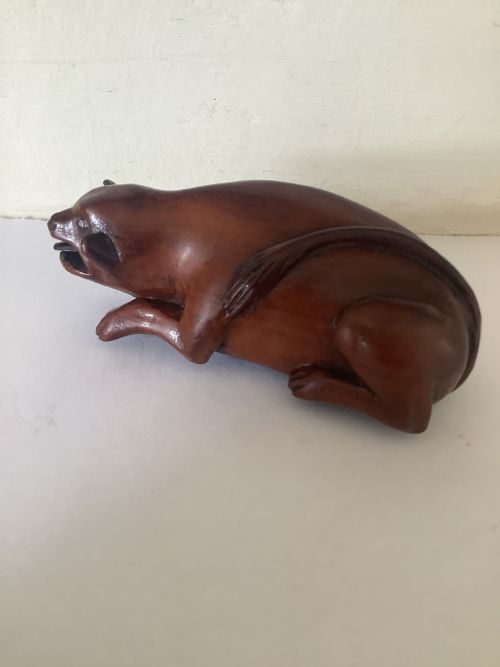
A carved wood animal figurine brings character to a room, ranging from Black Forest bears to intricate Japanese netsuke.
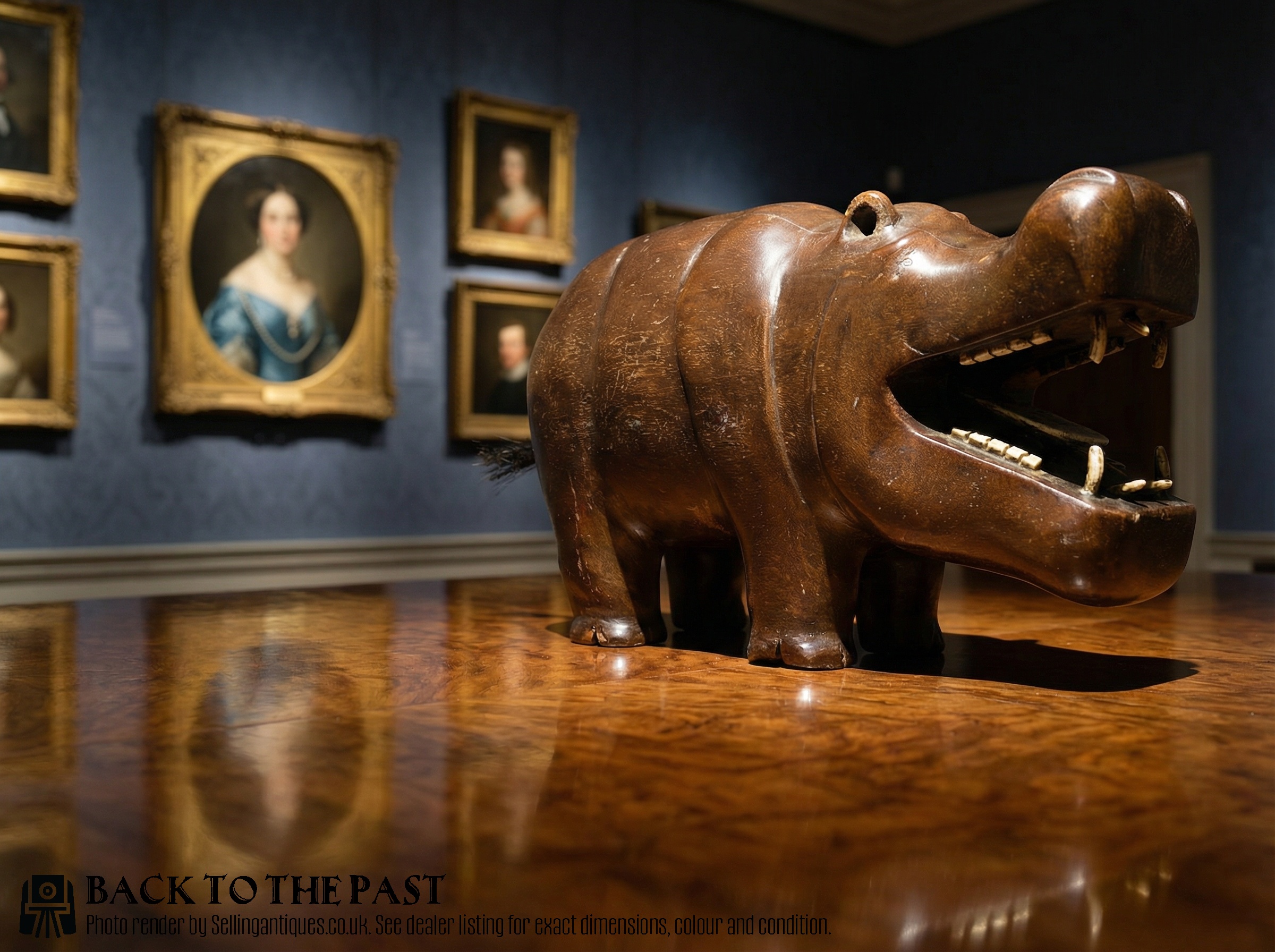
Carved Wood Animal Figurine
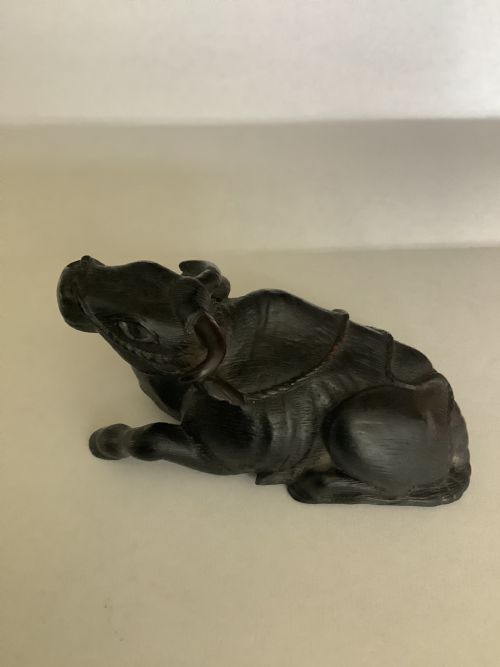
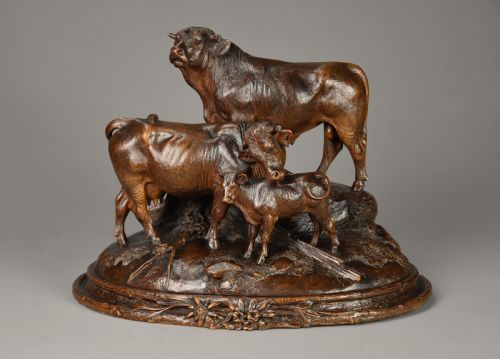
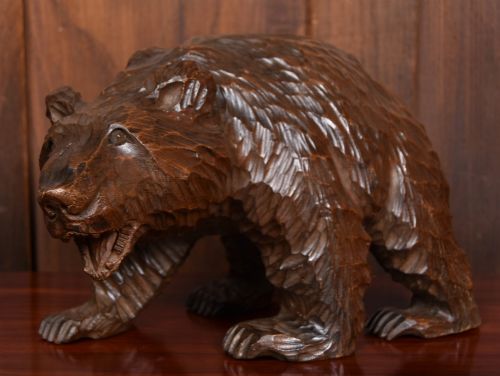
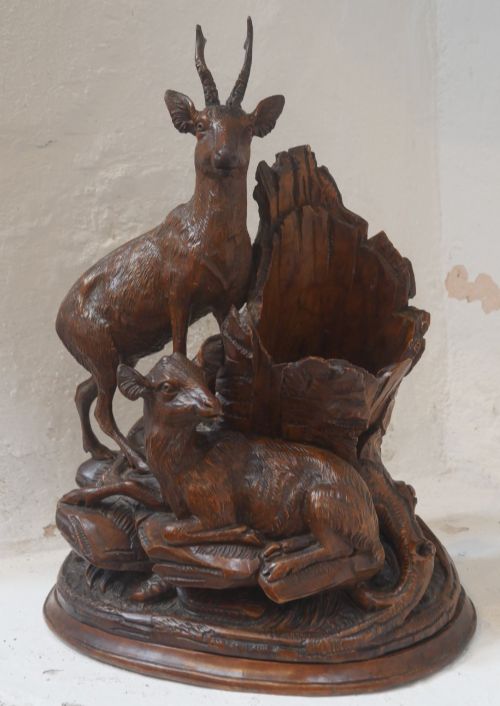
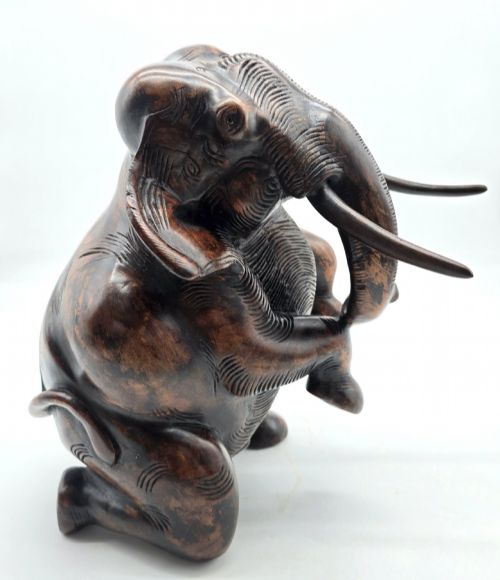
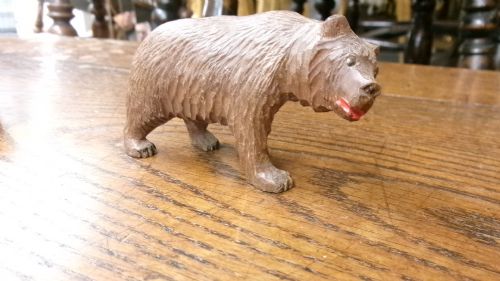
A carved wood animal figurine encompasses subjects such as bears, elephants, cattle, and panthers, originating from European, Asian, and African workshops. You will frequently encounter Black Forest linden wood carvings alongside Japanese and Indian regional figures produced across the nineteenth and early twentieth centuries.
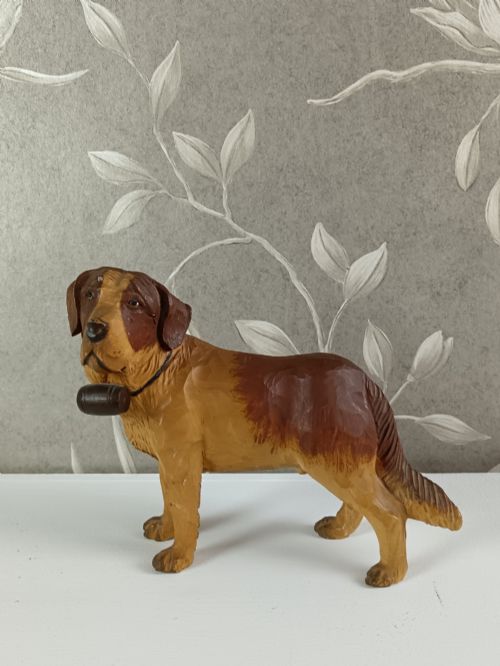
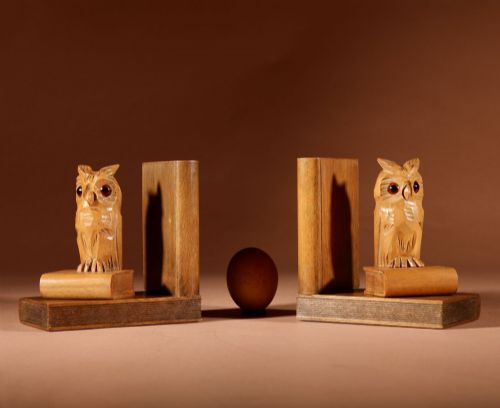
The forms vary from domestic decorative sculptures and bookends to snuff boxes and miniature netsuke. Certain pieces depict single animals, while others show pairs or complex groups like cattle and rescue dogs.
Makers utilised domestic and exotic timbers to capture domestic animals, wildlife, and mythical subjects. The selection spans utilitarian objects and purely decorative sculptures created during the Victorian, Edwardian, and Art Deco periods.
How they were made
Carvers employed hardwoods, walnut, teak, ebony, and linden wood, applying hand tools to shape domestic fauna and exotic wildlife. Specific examples incorporate secondary materials such as bone, paint, and brass details.
European workshops utilised linden wood and limewood for deep relief and freestanding animal groups, whereas Indian pieces relied on dense hardwoods like ebony and teak. Japanese makers worked with fine-grained woods for miniature netsuke and sculptural figures.
One miniature set contains fifteen tiny Black Forest bears, proving that determination comes in remarkably small wooden packages.
What varies in quality
The definition of the carving separates routine production from superior work, seen in the rendering of musculature, fur texture, and natural postures. Master carvers captured realistic movement in subjects such as pacing panthers and resting cattle.
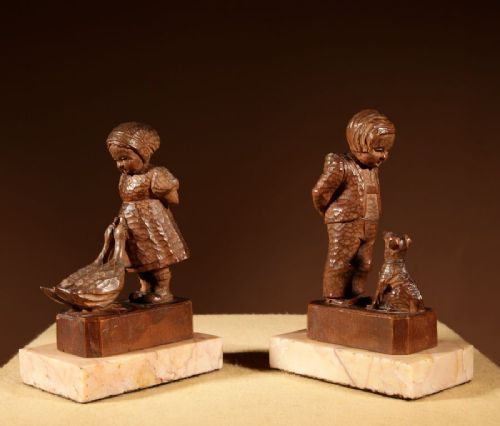
Proportion and anatomical accuracy distinguish finer examples, particularly in complex groups involving multiple animals or human keepers. Workshop signatures and stamps indicate higher tier production by recognised makers.
J Huggler·Laszlo Hoenig
The Carved Wood Animal Figurine Glossary
- Black Forest
- A regional style of wood carving originating from Switzerland and Germany, known for realistic depictions of bears, deer, and alpine animals. These pieces often utilise linden wood.
- Netsuke
- A small Japanese toggle carved from wood, used to secure a pouch or container to a kimono sash. They feature intricate detailing and often depict animals or rodents.
- Okimono
- A Japanese decorative sculpture designed for display on a tabletop or in a alcove. These figures frequently portray wildlife and domestic animals with fine surface carving.
- Raj Period
- The period of British rule in the Indian subcontinent, associated with hardwood sculptures of elephants and local fauna. Carvings from this era typically employ teak and ebony.
- Linden Wood
- A pale timber with a fine, even grain favoured by European carvers for detailed figurative work. It permits sharp tool cuts without splintering.
Carved Wood Animal Figurine: Frequently Asked Questions
What is a carved wood animal figurine?
A carved wood animal figurine is a sculptural object shaped from timber to represent wildlife, domestic animals, or mythological creatures. These items range from miniature Japanese netsuke to large European and Indian animal studies.
They reflect the traditional woodworking techniques of various regions, utilising local timbers such as linden wood, walnut, teak, and ebony.
How were these animal carvings used?
Many figures served as decorative mantelpiece ornaments, bookends, or tabletop sculptures in domestic interiors. Smaller items like netsuke and snuff boxes had functional purposes in daily attire or personal use.
Larger pairs of animals often functioned as decorative bookends or balanced ornaments for studies and libraries during the Victorian and Edwardian eras.
How do I care for wooden animal figures?
Keep wooden carvings away from direct sunlight and sudden temperature shifts to prevent the timber from drying out or splitting. Dust them gently with a soft, dry cloth rather than using liquid polishes.
Maintaining a stable room humidity helps preserve the original surface finish and any delicate carved details on the animal's form.
How can I tell the period of a carving?
The wood type, carving style, and subject matter often point toward a specific era, such as nineteenth century Black Forest work or Art Deco styling from the nineteen thirties. Stamped signatures, maker marks, or regional motifs provide additional clues to the date of creation.
Comparing the tool marks and finishing techniques with documented examples from periods like the Meiji era or the Raj period helps confirm age.