






Carved Red Wood Statue
A carved red wood statue brings warmth and deep cultural narrative into a room, spanning centuries of global craftsmanship from domestic folk carvings to temple figures.
Carved Red Wood Statue
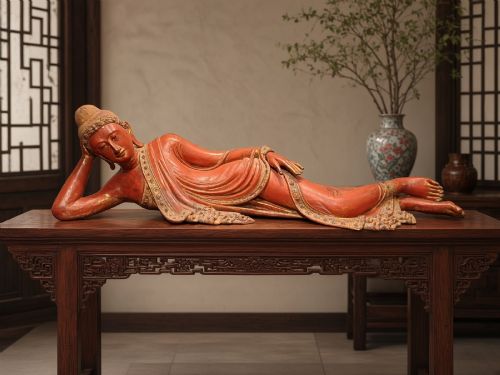
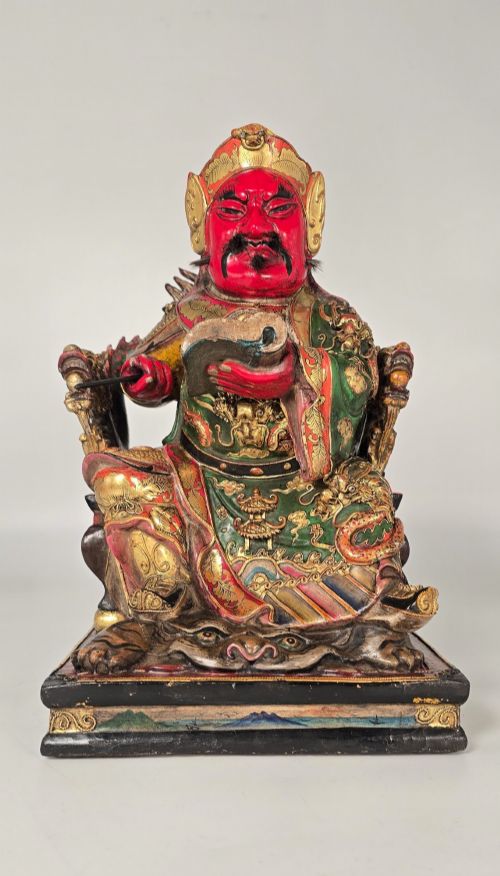
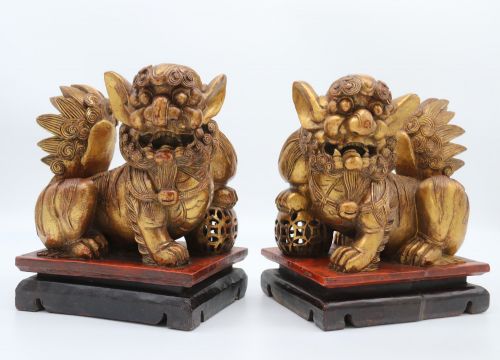
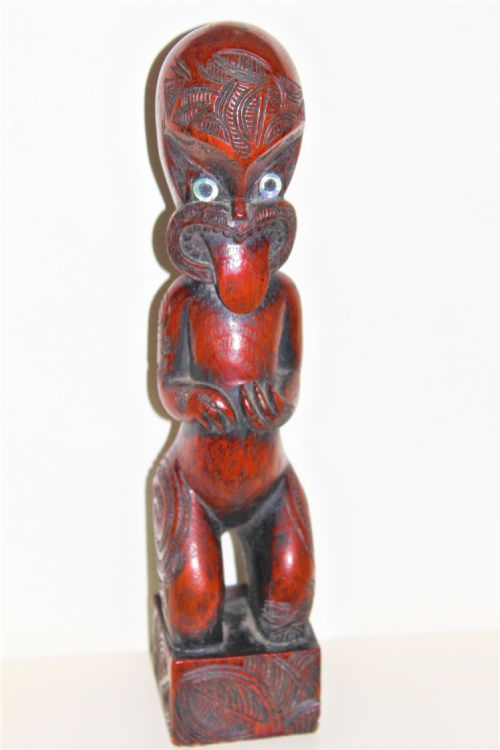
A carved red wood statue encompasses a diverse array of sculptural forms, ranging from Asian deities and scholars to European saints and folk art figures. Buyers searching for a carved red wood statue will encounter pieces originating from the sixteenth century up through the mid twentieth century, reflecting varied cultural traditions.
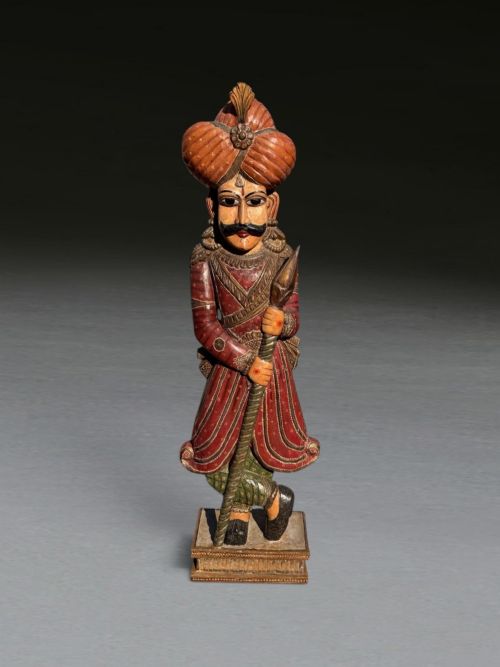
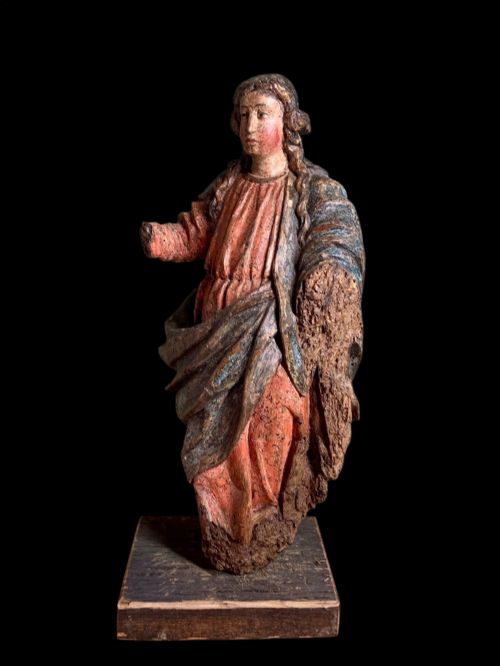
Common forms include religious icons such as Buddhas and Madonnas, alongside secular figures like Highland pipers and Indian soldiers. Each carved red wood statue captures the distinct aesthetic of its period, whether through the elaborate drapery of eighteenth century baroque work or the serene posture of Qing dynasty officials.
Distinctions in craftsmanship and condition
The finesse of the initial carving separates standard utility pieces from exceptional works of art, particularly in the rendering of facial expressions and drapery folds. Superior examples exhibit deliberate, confident tool marks and precise anatomical proportions.
The preservation of original surface treatments such as polychrome paint, gold leaf, and lacquer significantly impacts the integrity of a piece. Examples retaining their authentic layered finishes demonstrate greater historical completeness than those with heavily restored or stripped surfaces.
Carved Red Wood Statue Retail Price Guide 2026
Typical asking prices for carved red wood statue among the pieces listed under this phrase on Sellingantiques today, from the lower quarter to the upper quarter. They describe what is for sale here now, not the wider market.
Among the solemn saints and stoic officials, a cheerful highland bagpiper stands ready to play a skirl for passing spirits.
The Carved Red Wood Statue Glossary
- Polychrome
- Painted in several colours. This surface treatment is frequently found on historical figures and religious statues to add realism.
- Gesso
- A plaster mix used as a base for paint or gold leaf on wood. It creates a smooth white ground for detailed decoration.
- Lacquer
- A durable resin finish applied to wooden objects. It provides a glossy protective coating that deepens in lustre over time.
- Gold leaf
- Hammered gold beaten into extremely thin sheets. Artisans applied it to highlight sacred figures and architectural elements.
- Home altar
- A small domestic shrine for private worship. These structures often house carved figures of saints or deities.
Carved Red Wood Statue: Frequently Asked Questions
How were these statues originally used?
Many of these figures served devotional purposes within home altars, temples, or shrines, acting as focal points for prayer and offerings. Others functioned as tradesman figures, decorative elements, or cultural representations.
Over time, their roles shifted from active religious or commercial objects to collected works of art displayed in domestic interiors.
How do I care for a wooden statue?
Maintain stable indoor humidity and temperature levels to prevent the wood from drying out, cracking, or warping. Keep the piece away from direct sunlight to protect painted and gilded surfaces.
Dust gently with a soft, dry cloth and avoid using liquid cleaners or polishes that might damage historic finishes.
What is the difference between folk art and temple pieces?
Temple pieces are typically created by trained guild artisans for official religious settings, featuring refined iconography and formal stylistic rules. They often incorporate sophisticated gilding and lacquer work.
Folk art figures are usually more rustic in execution, made for local communities or domestic spaces, and reflect regional traditions rather than strict canonical standards.