
Carved Walnut Open Chair
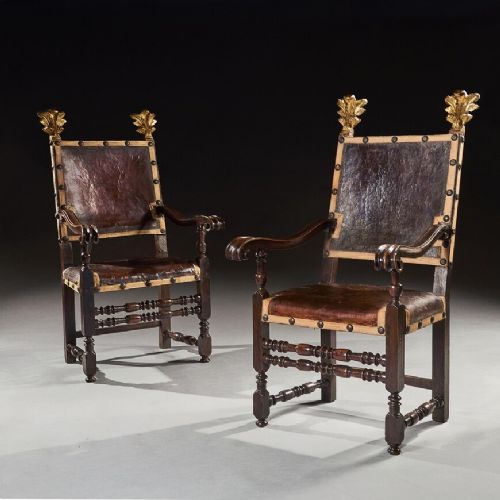
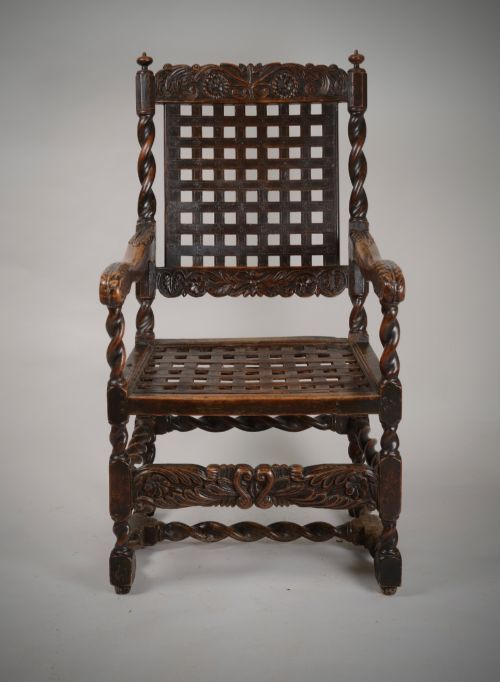
A carved walnut open chair brings substantial presence and rich timber tone into a room, offering both sculptural woodwork and comfortable seating.
Carved Walnut Open Chair
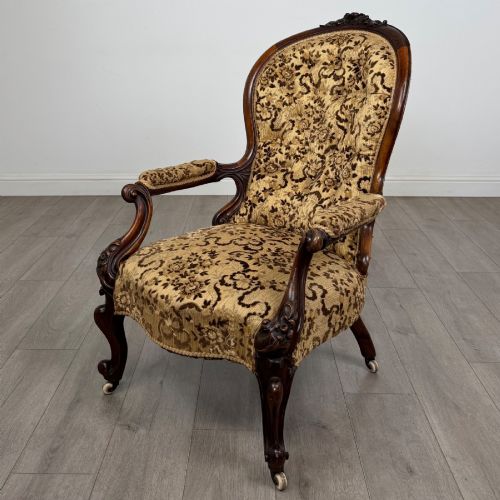
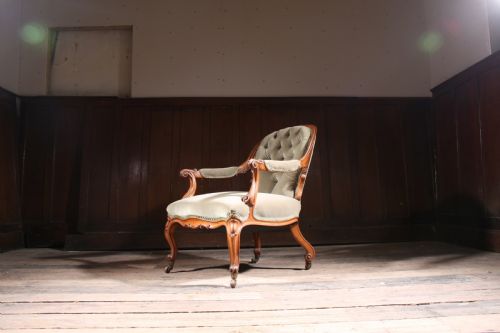
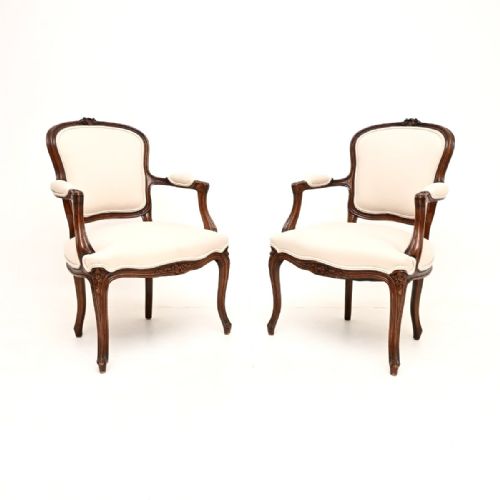
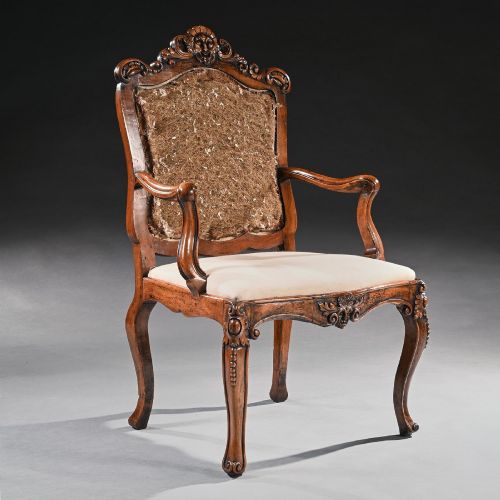
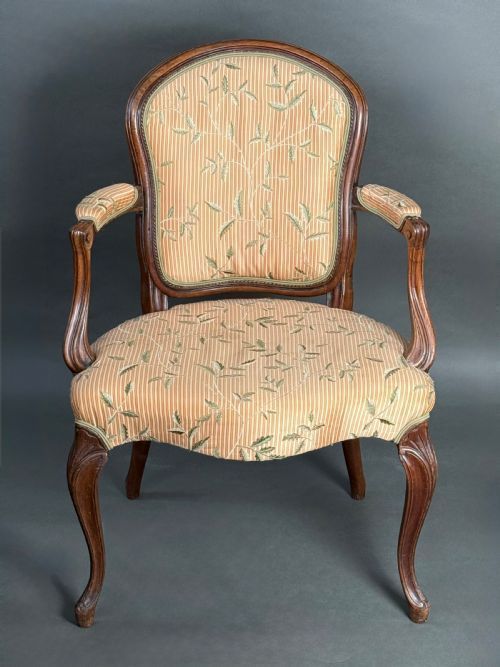
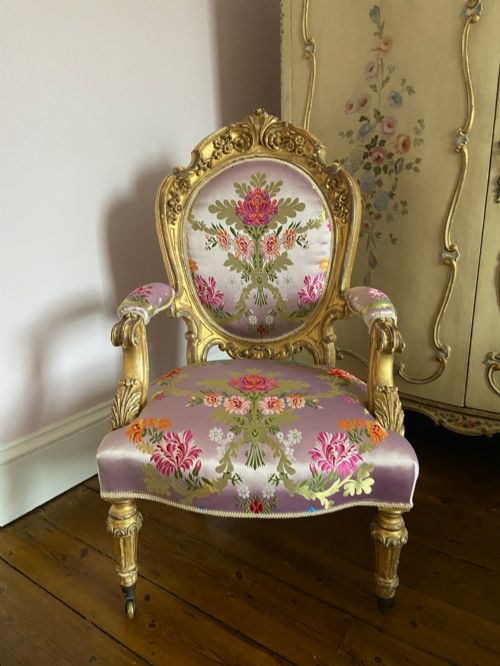
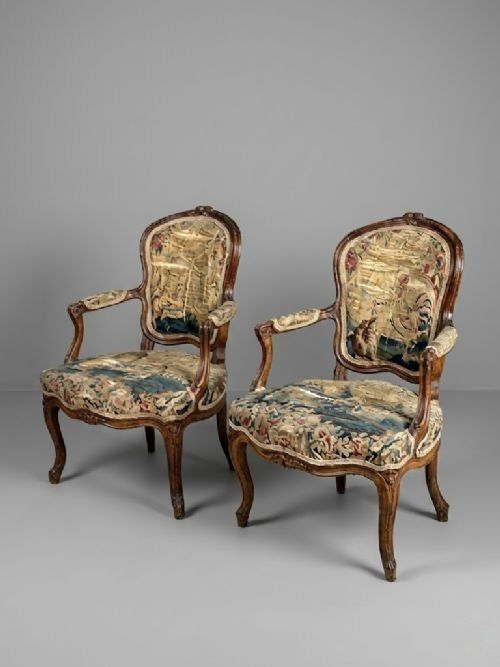
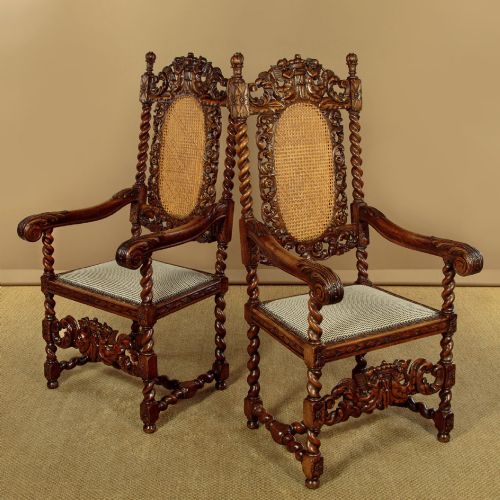
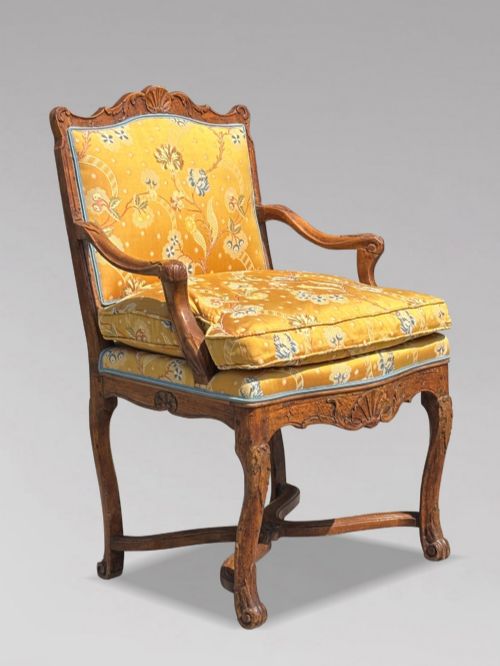
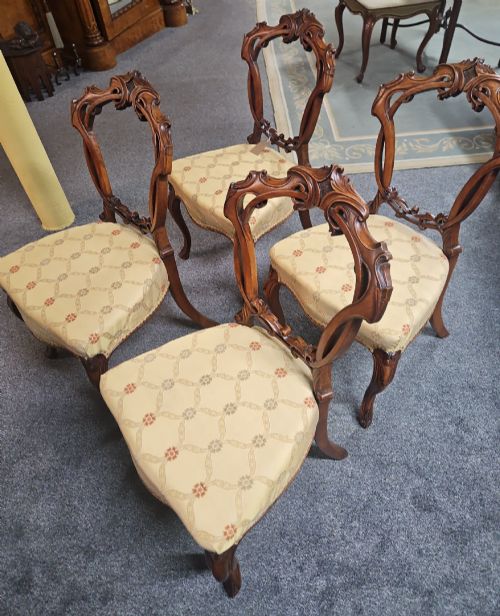
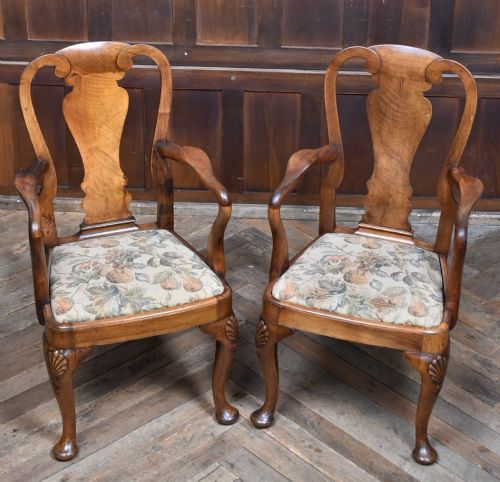
The selection spans centuries of European craftsmanship, heavily represented by French salon seating, English library chairs, and Italian Rococo armchairs. These pieces function as reading seats, desk chairs, or decorative focal points in drawing rooms and studies.
Materials and construction methods
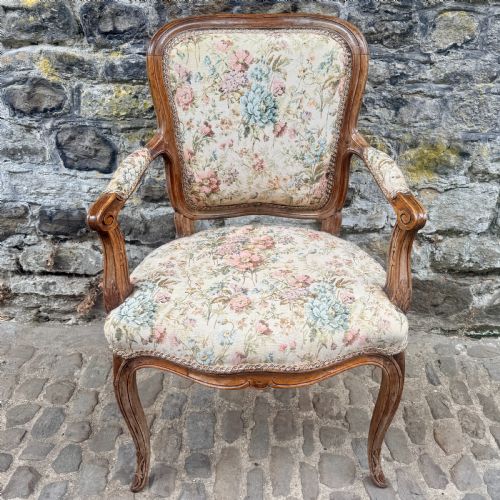
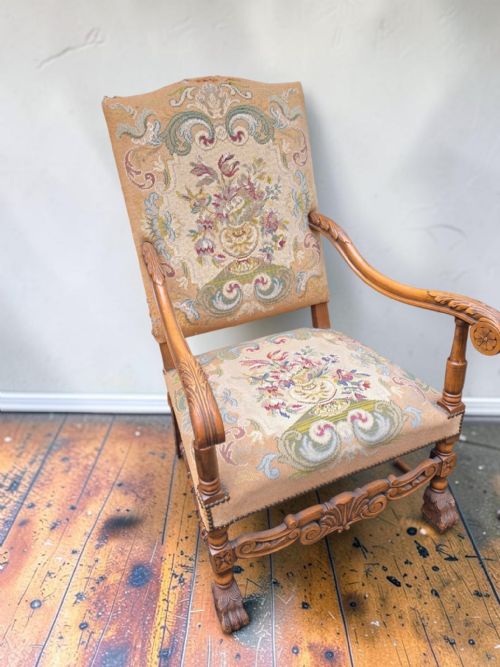
Makers utilised solid walnut for its strength and rich grain, allowing intricate chisel work on crest rails, arms, and cabriole legs. Structural frames were frequently joined using traditional mortise and tenon methods before receiving surface finishing.
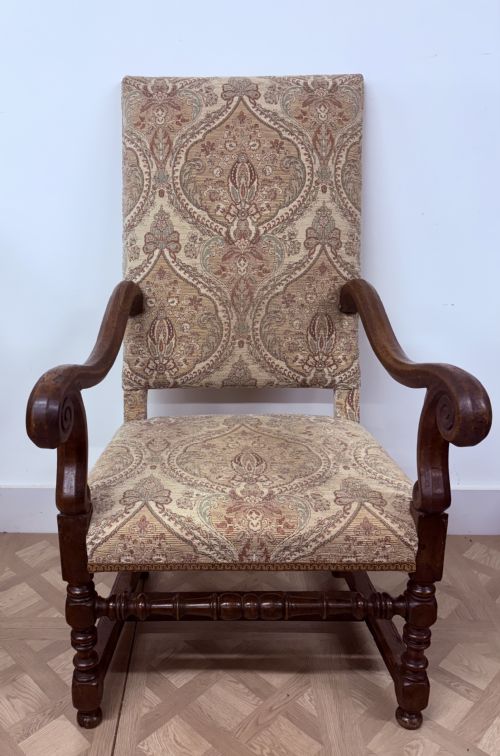
Upholstery elements integrate period textiles including leather, needlepoint tapestry, silk, and woven fabric secured with brass or parcel-gilt detailing.
Several pieces arrive dressed in heavy needlepoint tapestry panels depicting rustic scenes untouched by modern wear.
Distinctions in craftsmanship
Quality rests in the depth and crispness of the hand-carved ornamentation, where superior examples exhibit fluid lines on the head rail and arm terminals without softening or flattening of the motifs. The natural figure of the walnut timber and the integrity of the joinery further separate standard production from exceptional studio output.
Original upholstery survivals or period-appropriate textile restorations contribute significantly to the character of the seating, preserving the harmony between the wooden frame and the fabric.
Hindley & Sons
The Carved Walnut Open Chair Glossary
- Fauteuil
- An open-armed upholstered armchair originating in France, typically featuring an exposed wooden frame.
- Cabriole leg
- A furniture leg that curves outward and then tapers inward, common in eighteenth-century designs.
- Parcel-gilt
- Partially gilded with gold leaf or powder to highlight specific carved details on a wooden surface.
- Crest rail
- The top horizontal member of a chair back, frequently the focal point for elaborate carving.
- Needlepoint
- Hand-stitched textile work utilised historically for durable and decorative chair upholstery.
Carved Walnut Open Chair: Frequently Asked Questions
How do I date a walnut armchair?
Dating relies on stylistic indicators, such as the exuberant curves of eighteenth-century Rococo versus the heavier proportions of Victorian revivals, alongside construction marks.
Examining the joinery and tool marks on the timber offers further clues to the period of manufacture.
Are these chairs suitable for daily use?
Many antique armchairs remain sturdy enough for regular sitting, provided the internal webbing and joints have been properly maintained over time.
Consulting a specialist conservator ensures the structural stability matches your intended daily requirements.
What is the difference between an armchair and an elbow chair?
An elbow chair generally refers to a seating piece with short armrests designed to support the elbows, often used at desks or dining tables.
Armchairs typically provide more substantial upholstered support suited for relaxing in a library or salon.
How should I care for antique walnut wood?
Maintaining walnut timber involves keeping the surface away from direct heat sources and strong sunlight to prevent the wood from drying out.
Occasional dusting with a soft, dry cloth preserves the natural sheen without building up chemical residues.