



Carved Walnut Easy Chair
A carved walnut easy chair offers deep comfort and rich timber tone, spanning centuries of craftsmanship from Georgian grandeur to Art Deco lines.
Carved Walnut Easy Chair
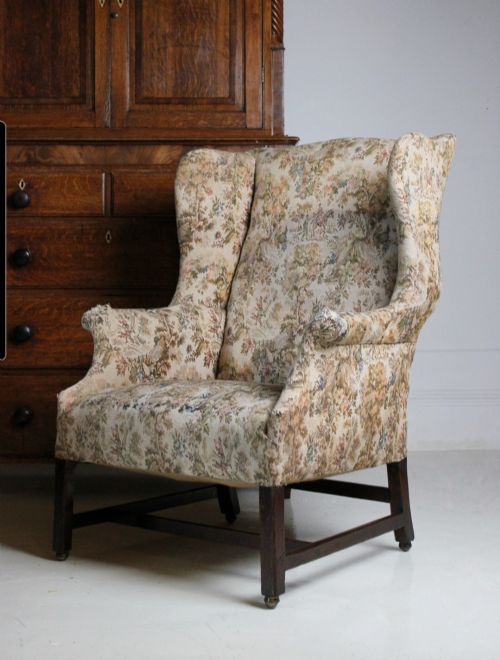
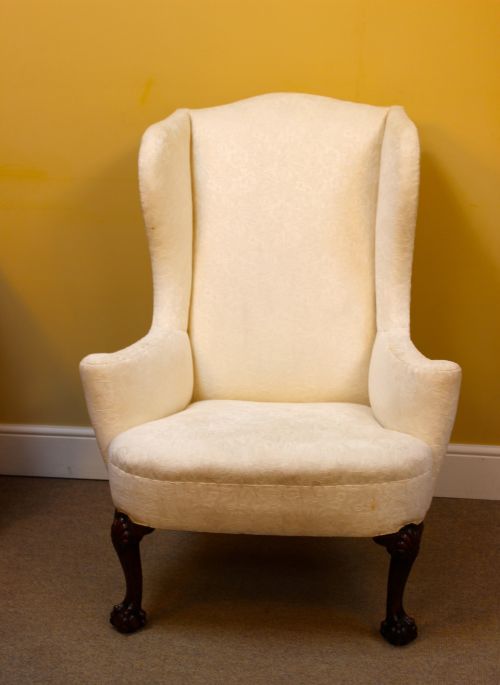
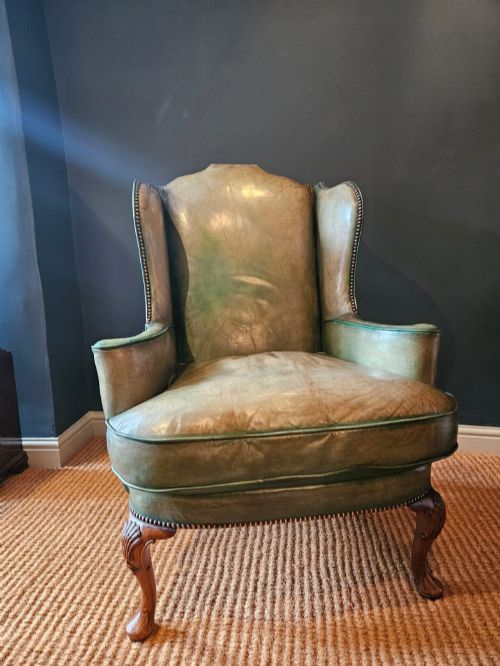
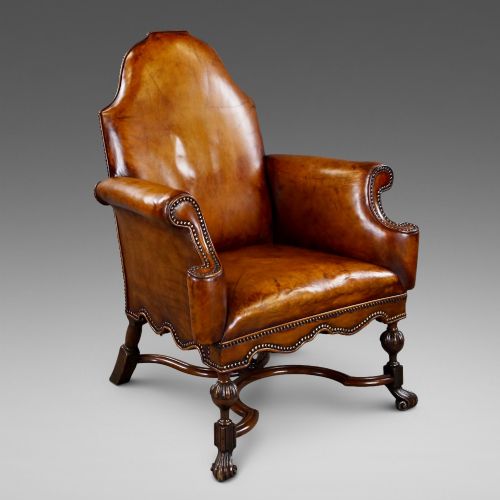
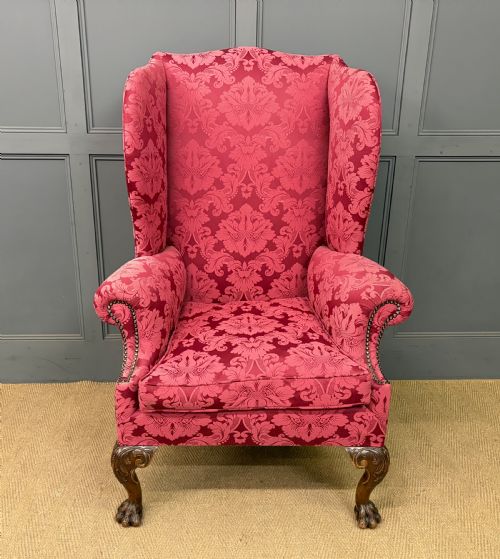
A carved walnut easy chair brings together sturdy timber frames and comfortable upholstered seating designed for relaxation. When searching for a carved walnut easy chair, buyers encounter diverse forms ranging from high wing backs to open arm styles.
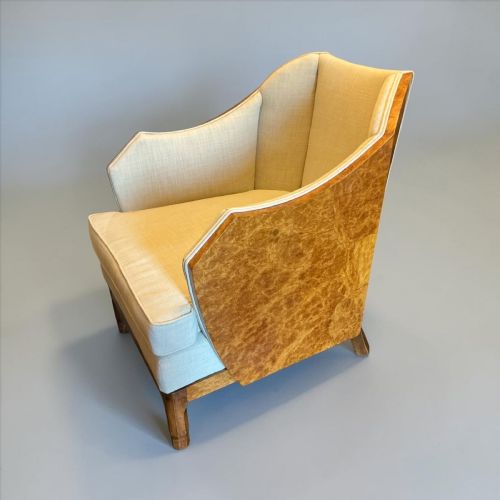
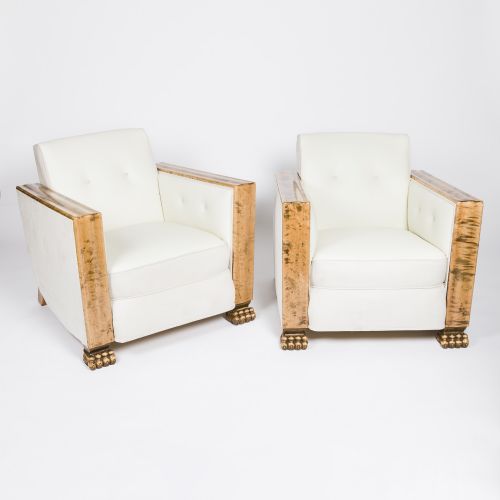
The selections span multiple eras including the eighteenth, nineteenth, and early twentieth centuries. Revival movements frequently shape these pieces, with Queen Anne and Georgian styles appearing alongside Victorian and Art Deco examples.
Materials and construction
Walnut forms the structural core of these armchairs, frequently carved with detailed motifs along the legs and frames. Hardwood frames provide the underlying skeleton for substantial seating forms.
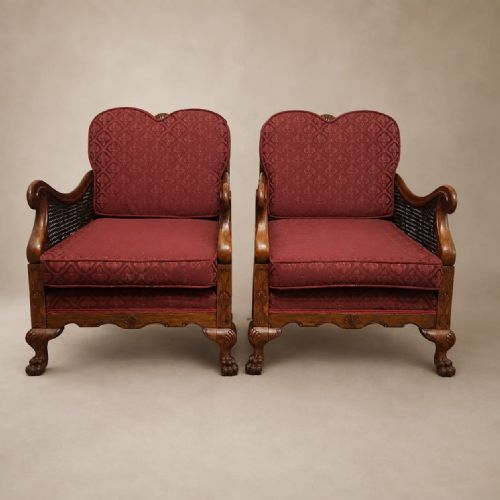
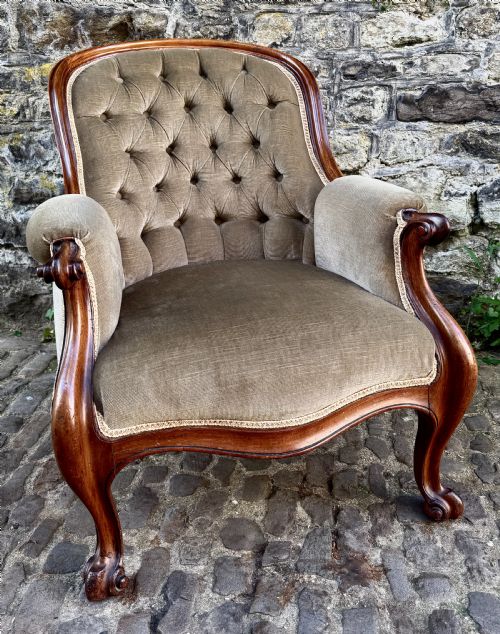
Upholstery materials vary from leather and velvet to damask and general textile fabrics, sometimes complemented by brass details. Split cane work also appears on specific bergere versions from the twentieth century.
Some high wing back chairs arrive with matching footstools, ready for serious Victorian lounging.
Assessing quality and execution
The definition and depth of the timber carving set distinct standards across these chairs. Crisp detailing along cabriole legs and winged frames separates standard production from finer work.
The choice of upholstery fabric and the integrity of the underlying frame construction dictate the overall substance of the piece. Well-executed revival styles match the proportions and weight of the historical periods they emulate.
Howard And Sons·Liberty
The Carved Walnut Easy Chair Glossary
- Wing armchair
- An upholstered seat featuring side panels designed to shield the sitter from draughts. These high-backed forms appear frequently in walnut across Georgian and Victorian periods.
- Cabriole leg
- A furniture leg featuring a double curve, typically arching outward and then tapering inward to a pad or scroll foot. This shape is characteristic of eighteenth-century and revival designs.
- Bergere
- An enclosed armchair with upholstered sides and a cane or upholstered back panel. Walnut frames often support these relaxed seating forms.
- Buttoned back
- An upholstery technique where depressions are secured with buttons in a grid pattern. This method appears on nineteenth-century Victorian examples.
- Damask
- A reversible figured fabric used for heavy upholstery. It frequently covers the seats and backs of period armchairs.
Carved Walnut Easy Chair: Frequently Asked Questions
How do I identify a Georgian walnut armchair?
Look for characteristic timber patination and traditional structural proportions associated with the eighteenth century. Cabriole legs and wing backs often define these earlier pieces.
Examine the joinery and timber grain closely to distinguish genuine period items from later revival pieces made in the same style.
What periods do these armchairs come from?
The available pieces stretch from the eighteenth century through the Victorian era and into twentieth-century Art Deco and revival designs. Each period brings distinct upholstery and carving characteristics.
Revival pieces from the late nineteenth and early twentieth centuries frequently replicate earlier Queen Anne and Georgian aesthetics.
Are these chairs suitable for daily use?
These upholstered armchairs were built for relaxation and everyday seating in libraries, halls, and parlours. Sturdy hardwood and walnut frames provide lasting structural support.
Consider the existing condition of the upholstery and internal padding when planning for regular seating needs.