
Carved Urn Side Table
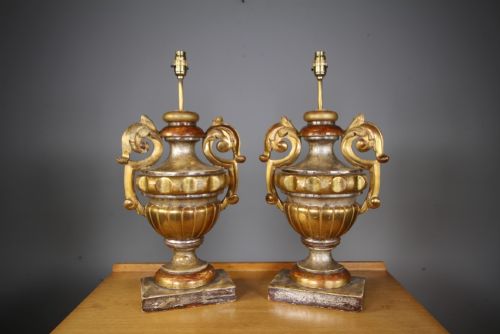
A carved urn side table brings together sculptural form and practical surface, offering a distinctive focal point for holding lamps or plants.
Carved Urn Side Table
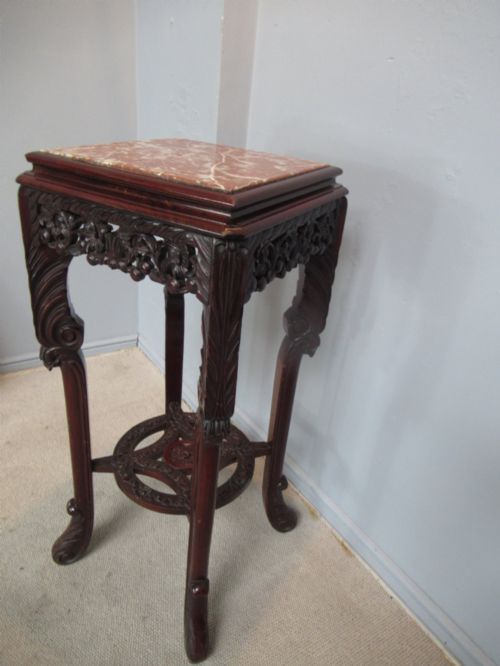
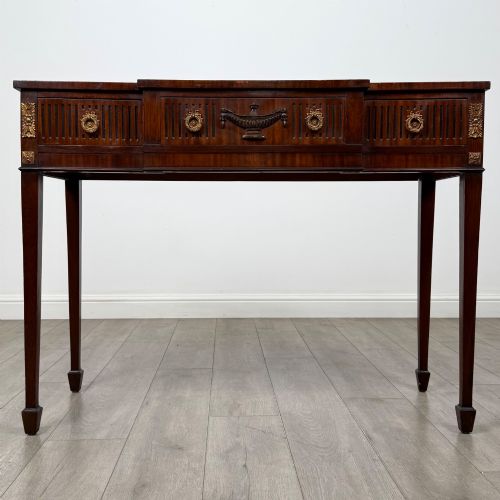
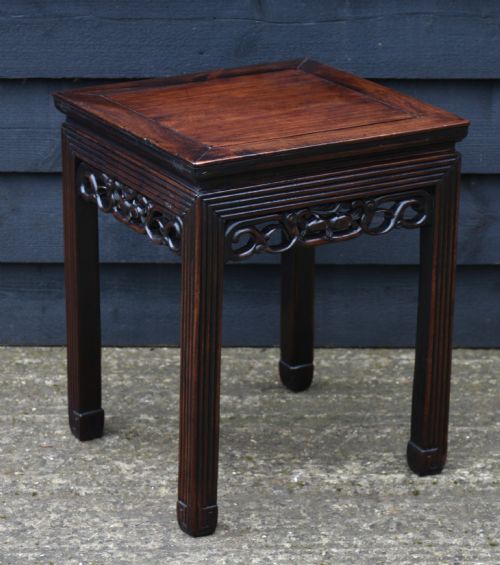
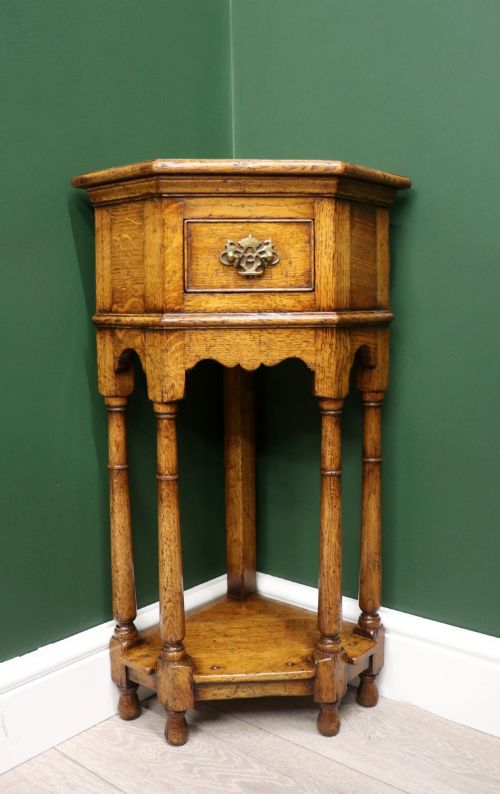
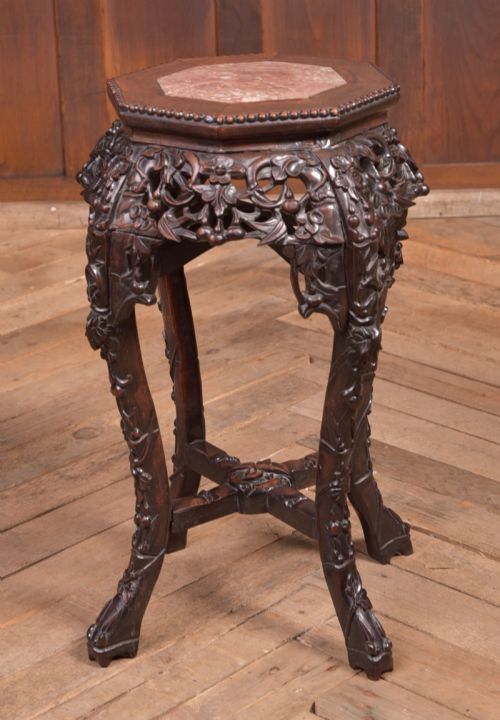
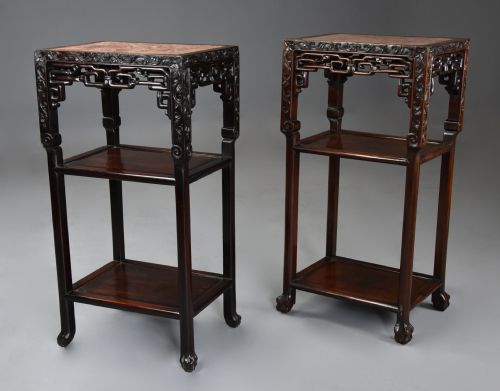
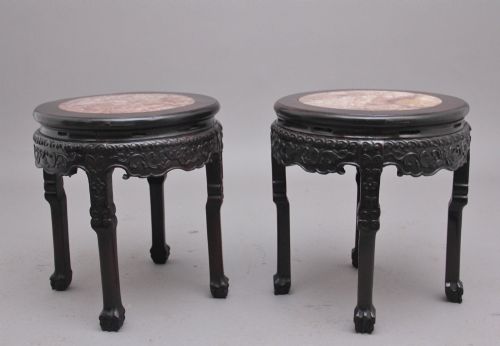
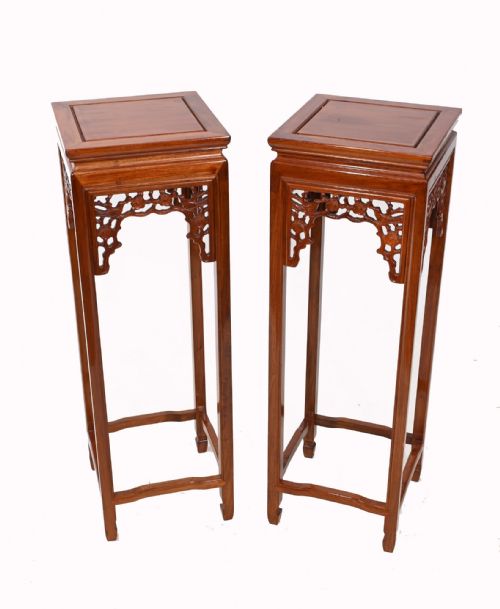
The objects span multiple categories including plant stands, occasional tables, and low jardiniere stands. Many incorporate inset marble tops or low profiles suited to displaying decorative vessels and lamps.
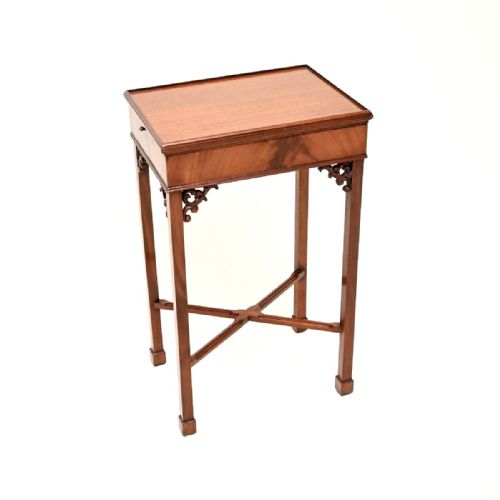
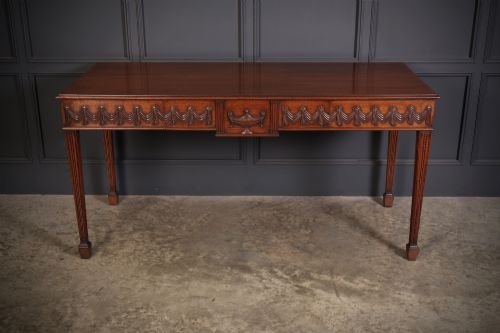
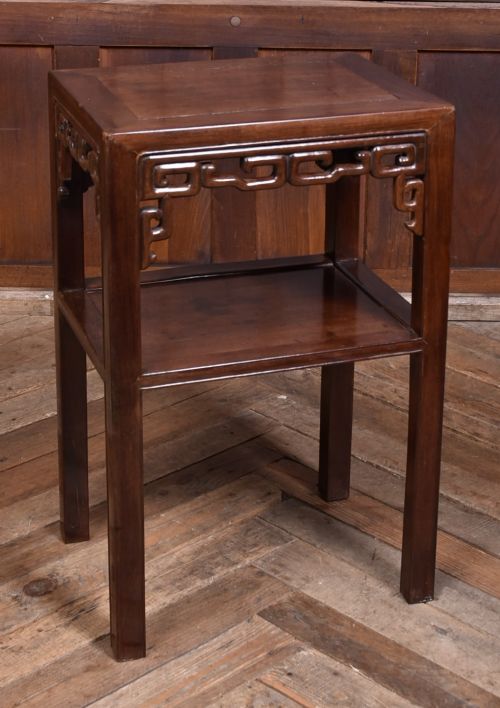
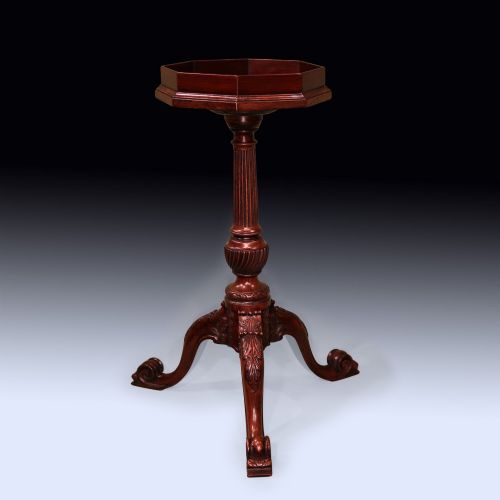
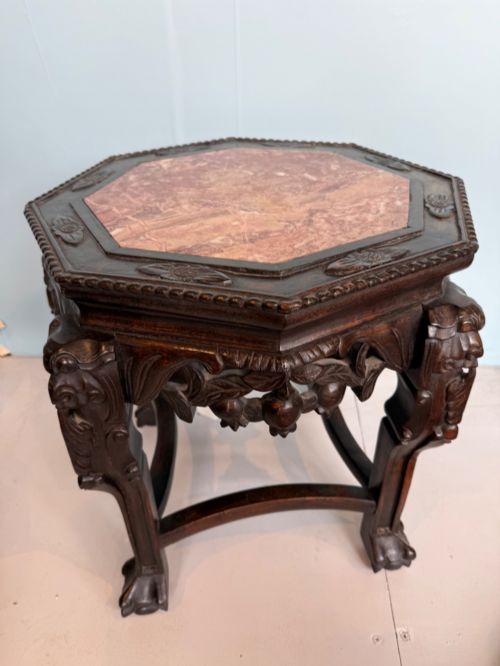
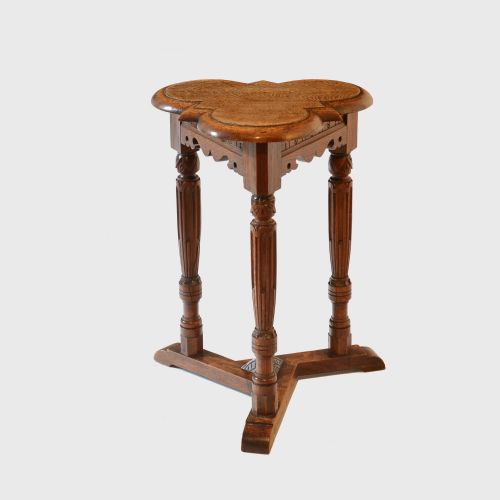
Geographic influences range from Qing Dynasty Chinese export pieces to European Neoclassical Revival and Georgian styles. This variety means a buyer might select a heavily carved rosewood pedestal or a restrained mahogany tripod kettle stand.
Materials and construction methods
The pieces rely heavily on dense timbers such as mahogany, rosewood, padouk, and oak, often paired with inset marble or alabaster slabs. These heavy woods support intricate relief carving without losing structural integrity.
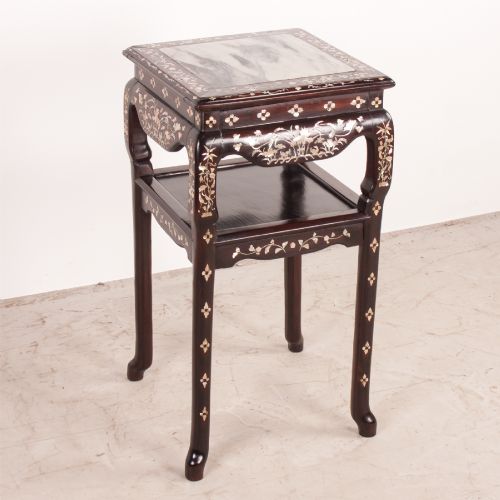
Joinery techniques include traditional mortise and tenon joints alongside detailed hand-carved ornamentation. Artisans applied contrasting inlays like mother-of-pearl or gilt accents to highlight specific structural motifs.
One unexpected Victorian ebonised stool doubles seamlessly as a wine stand or plant holder when the mood strikes.
Distinguishing quality across examples
Quality rests primarily in the crispness of the hand-carving and the selection of timber. Dense, well-figured rosewood or mahogany with deep, undercut relief work sits comfortably above simpler, mechanically finished pieces.
The integrity of secondary materials, such as the matching of variegated rouge marble inserts or the tightness of joinery under heavy tops, determines the enduring standard of the furniture.
Liberty of London
The Carved Urn Side Table Glossary
- Jardiniere stand
- A tall or low table specifically designed to hold heavy plant pots or floral displays, frequently featuring a water-resistant marble or tile top. These are common among nineteenth-century Chinese export furniture.
- Hongmu
- A traditional Chinese term for dense hardwoods used in fine furniture production, encompassing species like rosewood and padouk. It takes a deep polish and allows for extremely crisp relief carving.
- Kettle stand
- A small, tall occasional table designed in the eighteenth century to hold a hot water urn or tea kettle during social gatherings. They often feature piecrust edges or tripod legs.
- Pedestal stand
- A raised support structure with a central column or pillar, used to elevate lamps, sculptures, or urns. They appear in various revival styles across the Victorian and Edwardian eras.
- Serpentine
- A furniture outline characterised by a wavy or curving edge that bows outward in the centre and recesses at the sides. This shape demands precise woodworking skill.
Carved Urn Side Table: Frequently Asked Questions
What is a carved urn side table used for today?
These tables provide a compact surface for holding table lamps, heavy planters, or decorative ceramics in living spaces and hallways.
Their sturdy construction from dense hardwoods allows them to support weighted objects while adding sculptural interest to a room.
How do I identify Chinese export stands from European pieces?
Chinese export examples typically utilise dense Asian hardwoods like rosewood or padouk, often incorporating inset marble tops and traditional carving motifs. European pieces from the same era lean towards mahogany, oak, or ebonised wood following Georgian or Neoclassical revival styles.
Examining the timber species and the specific style of relief work clarifies the geographic origin of the piece.
Where should I place a marble-top table at home?
Marble-topped stands work well as plant holders or lamp tables where moisture or heat resistance is beneficial. The stone surface handles small spills easily.
Position them in corners or beside seating where the contrast between the carved wood base and the stone top remains visible.
How do I care for antique hardwood furniture?
Maintain the timber by keeping pieces away from direct heat sources and sudden humidity changes to prevent wood splitting. Dust regularly with a dry cloth.
Avoid harsh liquid cleaners that strip the historic polish, opting instead for occasional applications of traditional beeswax.