

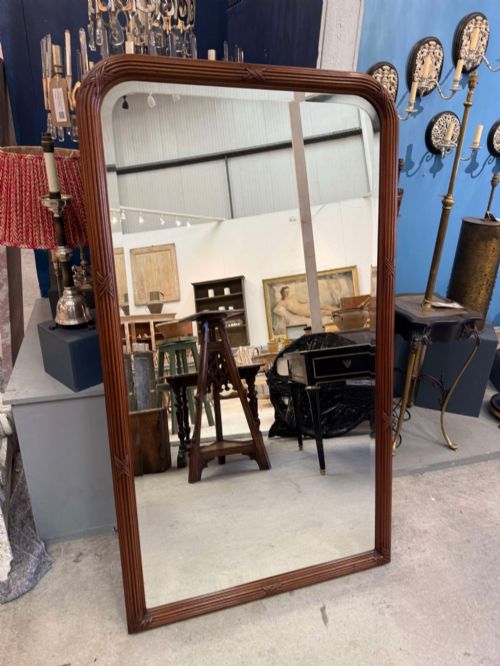
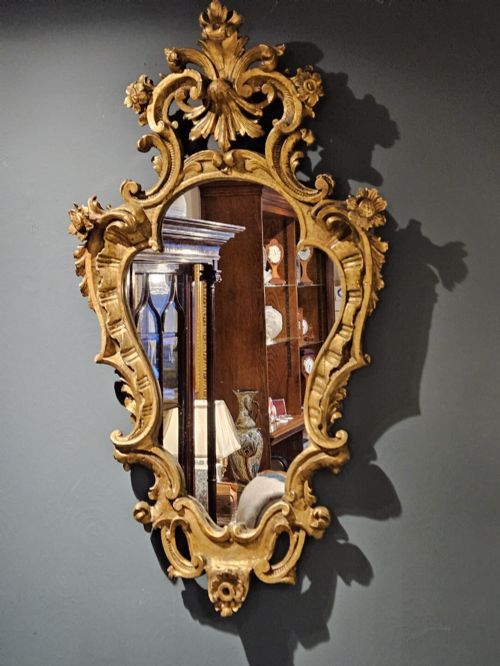
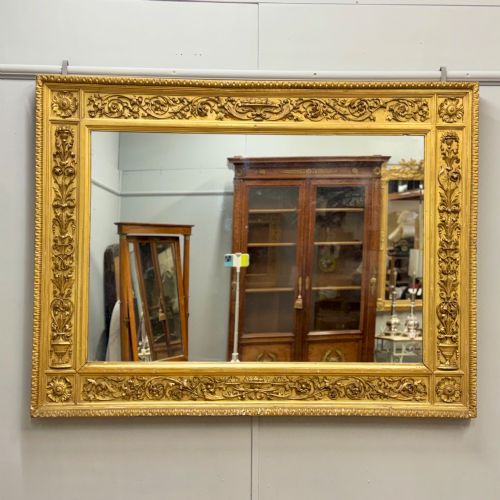
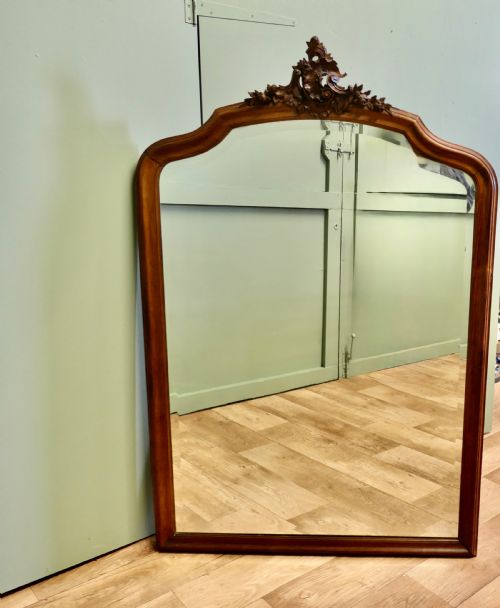
Carved Timber Wall Mirror
A carved timber wall mirror brings depth and texture to a room, framing reflection within handcrafted woodwork.
Carved Timber Wall Mirror
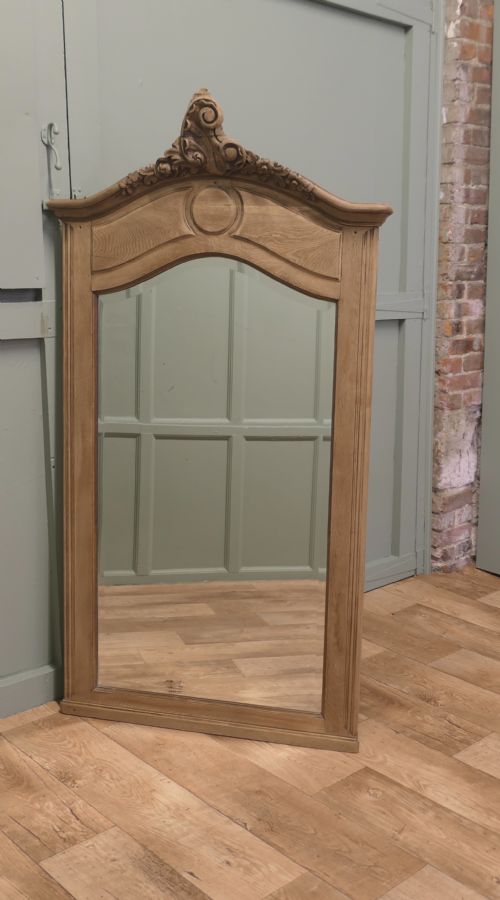
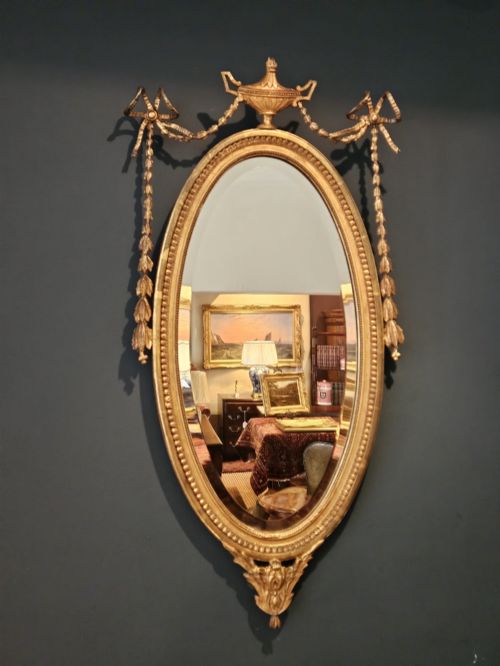
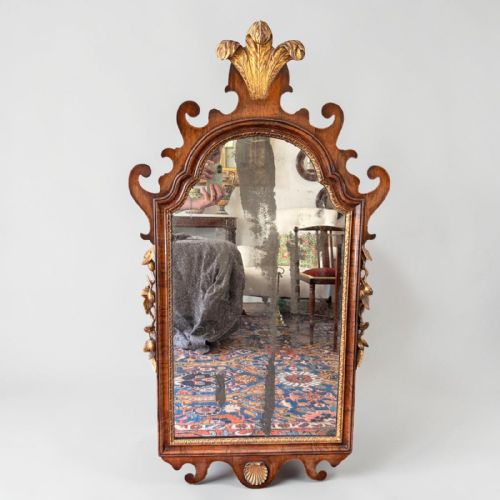
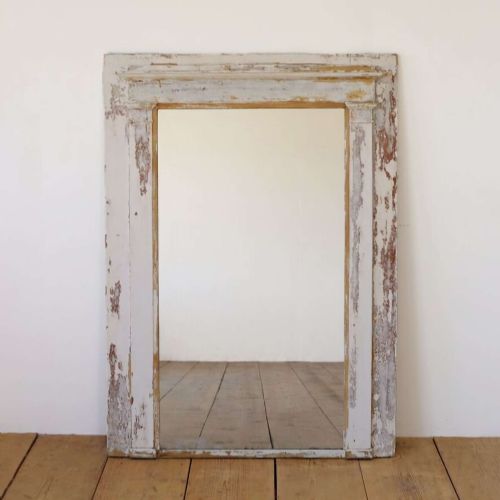
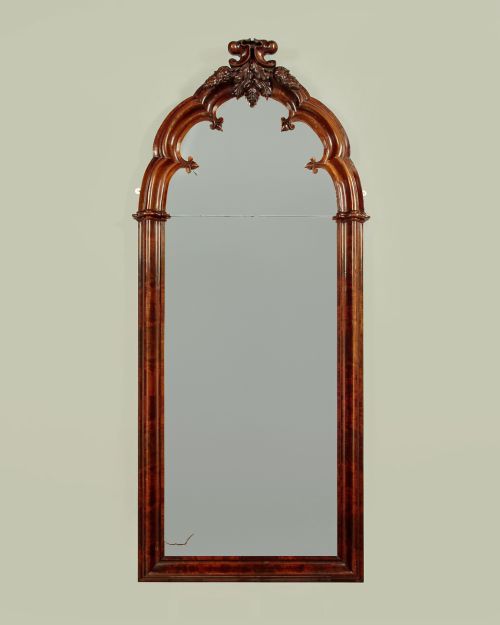
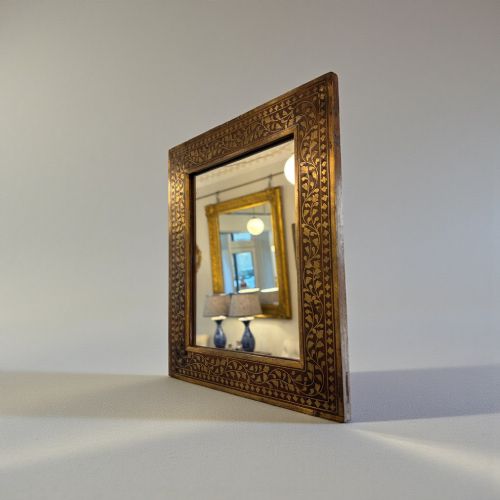
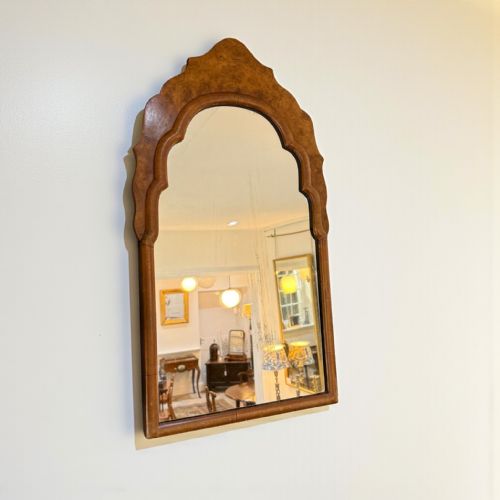
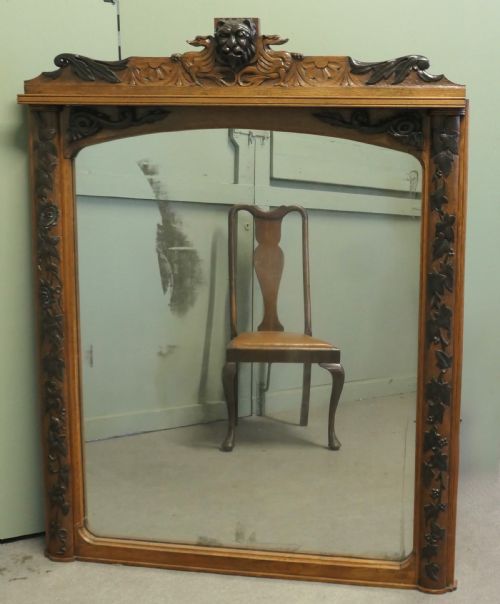
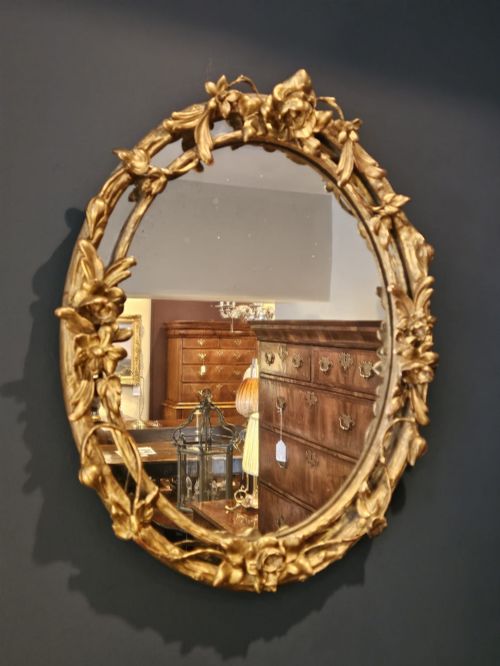
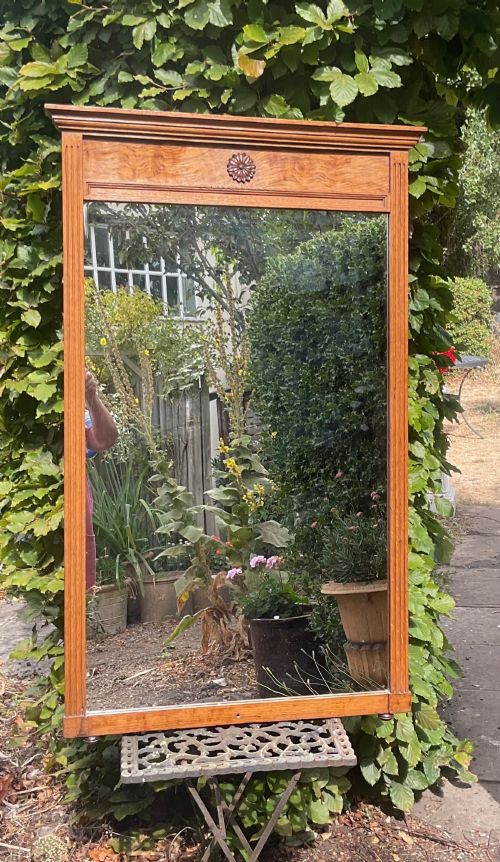
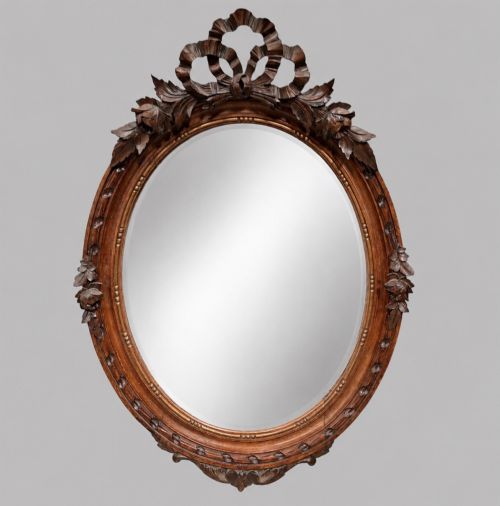
A carved timber wall mirror combines functional glass with sculptural woodwork, taking the form of wall mirrors, overmantel mirrors, and wall sconces.
The pieces appearing here span the nineteenth century, the Edwardian era, and the nineteen-thirties, drawing on styles such as Victorian, French Provincial, Rococo, and Black Forest.
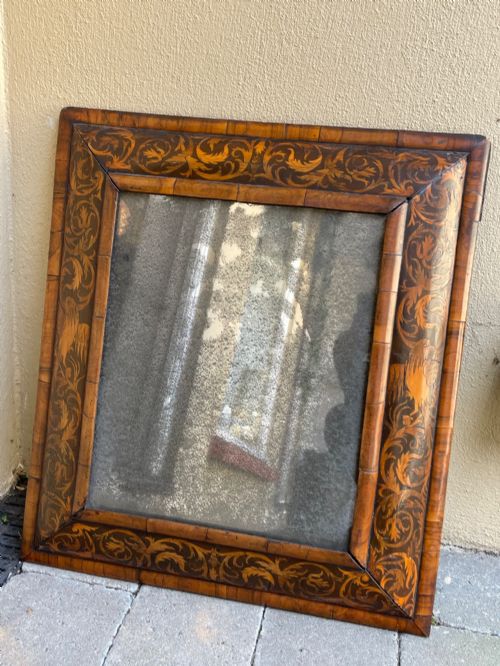
Buyers will most frequently encounter rectangular and oval oak or walnut frames, alongside giltwood and gesso pieces originating from British, French, Italian, and Indian workshops.
How they were made
Maker's hands shaped these frames from solid timbers including oak, walnut, limewood, and bleached or scrubbed varieties, often applying gesso foundations before gilding or painting.
Woodcarving techniques range from deep relief scrolling foliage and rustic branch work to detailed figural motifs like birds of prey, dragons, and classical ornaments.
Constructed frames house either flat mirror glass or convex plates, secured behind timber mouldings and sometimes detailed with marquetry inlay or faux bamboo turning.
Carved Timber Wall Mirror Retail Price Guide 2026
Typical asking prices for carved timber wall mirror among the pieces listed under this phrase on Sellingantiques today, from the lower quarter to the upper quarter. They describe what is for sale here now, not the wider market.
Design influences range from French Rococo and Black Forest to Anglo-Indian and Arts and Crafts styles.
What varies in quality
The depth, sharpness, and undercut precision of the woodcarving dictate the artistic merit of each frame, distinguishing brisk production work from deeply articulated sculptural relief.
The choice of primary timber and the integrity of its surface finish, whether original scrubbed oak, polished walnut, or intact gold leaf over gesso, heavily influence visual coherence.
The condition and age of the mirror glass itself matter greatly, with original bevelled or convex plates adding historical authenticity to the assembled piece.
The Carved Timber Wall Mirror Glossary
- Giltwood
- Timber coated with gold leaf applied over a prepared gesso ground. This finish catches the light and brings warmth to ornate frames.
- Overmantel
- A large mirror designed to hang specifically above a fireplace mantelpiece. These pieces often feature wide proportions to match the hearth below.
- Gesso
- A plaster-like mixture applied to wood frames to provide a smooth surface for gilding or painting. It holds crisp details in moulded ornaments.
- Black Forest
- A style of deeply carved wooden decorative objects originating from Switzerland and Germany. These carvings frequently incorporate naturalistic animal and forest motifs.
- Cushion frame
- A broad, rounded frame profile that swells outwards towards the edge. This style creates a pronounced three-dimensional border around the glass.
Carved Timber Wall Mirror: Frequently Asked Questions
How do I hang a heavy carved timber mirror safely?
Heavy carved timber mirrors require secure wall fixings distributed across sturdy structural studs or masonry anchors. Professional mirror hangers use heavy-duty D-rings and steel wire rated well above the weight of the frame.
Ensuring the weight rests evenly prevents warping of the timber and protects both the frame and the wall surface from unexpected failure.
Can I place an overmantel mirror in a hallway?
An overmantel mirror suits larger entrance halls or dining rooms where its substantial horizontal proportions balance high ceilings and broad wall spaces. The architectural framing brings a strong focal point to rooms lacking a traditional fireplace.
Measuring the available wall space carefully ensures the wide frame does not overwhelm narrower passages or doorways.
What is the difference between gesso and solid giltwood?
Solid giltwood consists of pure gold leaf laid directly onto prepared timber or carved ornament without a thick plaster layer beneath. Gesso involves a gypsum mixture applied to the wood base to carve intricate details before gilding.
Gesso provides a smooth, flawless base for delicate ornamentation, whereas solid giltwood exposes more of the underlying natural wood grain.
How do I clean antique mirror glass without damage?
Cleaning antique mirror glass requires a soft microfibre cloth and a mild, non-ammonia cleaning solution applied sparingly to the cloth rather than the glass. Spraying liquid directly risks seeping behind the plate and damaging the silvered backing.
Gentle wiping preserves both the fragile silvering and the historic timber surrounds from moisture exposure.