

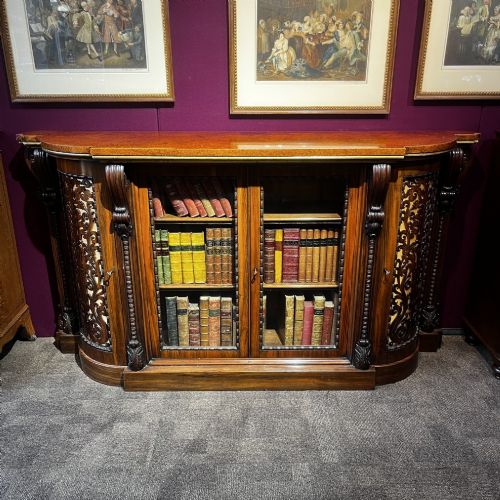


Carved Timber Side Cabinet
A carved timber side cabinet brings grounded utility and striking grain to a room, offering enclosed storage with distinct period character.
Carved Timber Side Cabinet
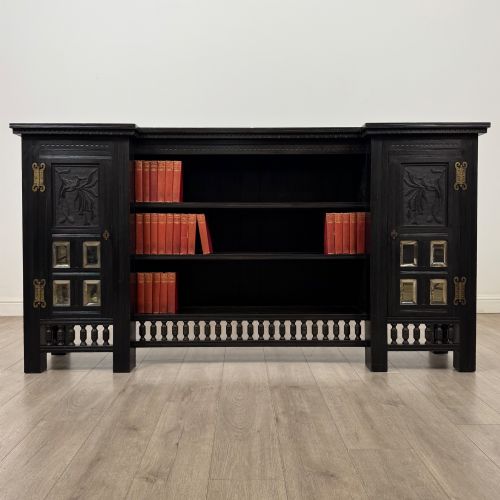
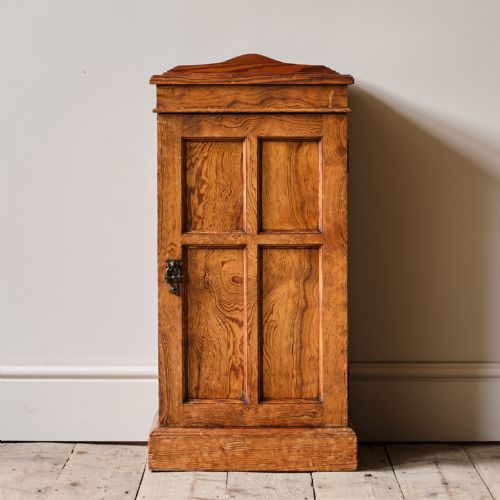
When you search for a carved timber side cabinet, you are looking at functional storage pieces shaped by Victorian, Regency, and Georgian cabinet-makers. These pieces range from modest pot cupboards and bedside units to large morning room cabinets, buffet servers, and dwarf side-cabinets.
The versions you are most likely to meet on this page span the nineteenth century, including specific decades like eighteen-sixty and eighteen-seventy, alongside earlier eighteenth-century examples and later interpretations.
They serve as practical furniture for living spaces and bedrooms, often featuring doors, drawers, or open shelving combined with intricate woodwork and decorative timber choices.
How they were made
Construction relies heavily on dense hardwoods and selected softwoods, with mahogany, rosewood, oak, and goncalo alves appearing alongside cedar, pine, and exotic hardwoods. Makers utilised these timbers for their structural stability and rich grain patterns.
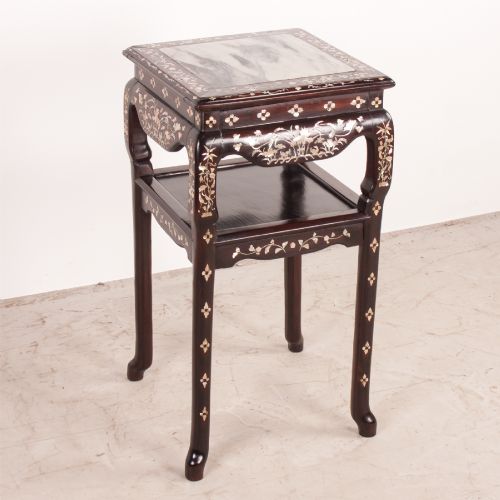
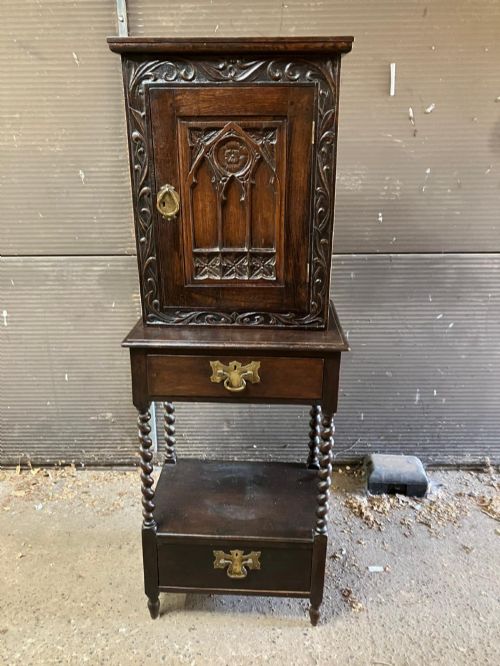
Surface enrichment often involved profuse carving, hand-painting in specific artistic styles, and contrasting inlays of mother of pearl or brass. These techniques demanded specialised joinery skills to ensure the timber accommodated decorative elements without compromising the cabinet frame.
What varies in quality
The upper tier of these cabinets is distinguished by the choice and handling of timber, such as striking goncalo alves or figured rosewood, matched with exceptional depth and precision in the carved ornamentation. Lesser examples rely on simpler pine or standard mahogany with more restrained or mechanical carving.
Structural integrity and the retention of original hardware, glass panels, or inlay set the finer pieces apart from later alterations or heavily restored items. The integration of decorative elements like mother of pearl reflects the original artisan's investment of time and material cost.
The Carved Timber Side Cabinet Glossary
- Gonçalo Alves
- A dense exotic hardwood known for its striking contrasting grain, often utilised in high-status Regency and Victorian furniture. It provides a dramatic visual appeal that elevates the status of the cabinet.
- Pot cupboard
- A small bedside cabinet or enclosed stand originally designed to house a chamber pot. These compact items often feature a single door and sometimes a marble top.
- Shodana
- A traditional Japanese-style display cabinet featuring asymmetrical shelving and compartments, which influenced late nineteenth-century pieces. They showcase intricate carved woodwork and decorative display space.
- Inverted breakfront
- A cabinet design where the central section recedes rather than projects forward. This architectural form adds depth and shadow lines to large bookcases and side cabinets.
- Gothic Revival
- A nineteenth-century design style drawing on medieval architectural motifs such as pointed arches and heavy tracery. Cabinets from this movement display robust carved timber details.
Carved Timber Side Cabinet: Frequently Asked Questions
What is a side cabinet used for?
These cabinets provide enclosed storage for tableware, books, or household items while offering a flat surface top for display. They function effectively in dining rooms, hallways, and living spaces.
Larger versions act as buffet servers or credenzas, whereas smaller forms serve as bedside tables or lampstands depending on the room layout.
How do I identify a Victorian cabinet?
Victorian pieces often display heavier proportions, rich mahogany or rosewood timbers, and substantial carved details influenced by Gothic Revival or classical revivals. The construction methods reflect nineteenth-century industrial capabilities alongside traditional joinery.
Examining the secondary woods inside drawers and the style of the hinges helps confirm the nineteenth-century manufacturing period.
What woods were commonly used?
Makers utilised a variety of native and exotic timbers, most notably mahogany, oak, rosewood, and goncalo alves. Pine, cedar, and Oregon pine frequently served as secondary woods for interiors and structural frames.
Inlays and decorative accents occasionally incorporated contrasting materials like brass and mother of pearl to highlight the primary timber.
Where should I place a side cabinet?
A side cabinet fits well against a dining room wall for serving, in a hallway as a focal point, or beside a bed as a functional cupboard. The dimensions of the piece dictate whether it suits a large country house setting or a compact room.
Ensure adequate clearance for opening doors and drawers without obstructing walkways.