
Victorian Gothic Oak Cabinet
A victorian gothic oak cabinet brings uncompromising architectural weight and rich ecclesiastical carving into domestic rooms.
Victorian Gothic Oak Cabinet
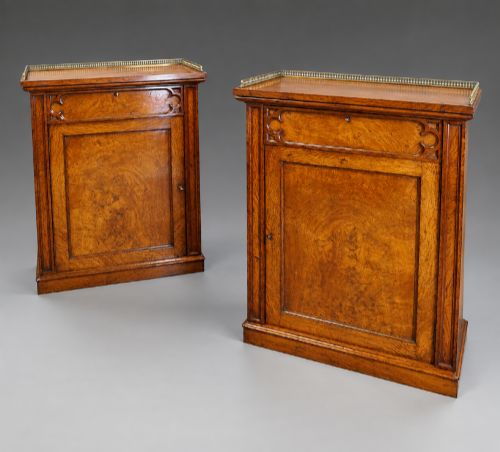
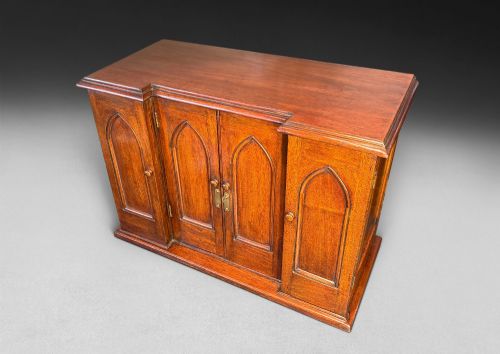
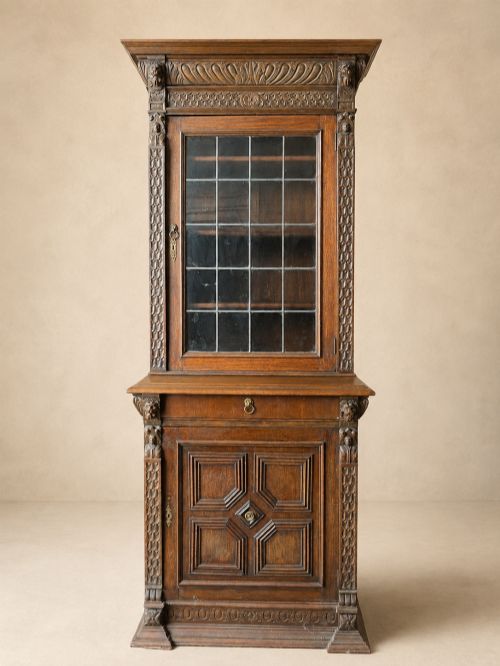
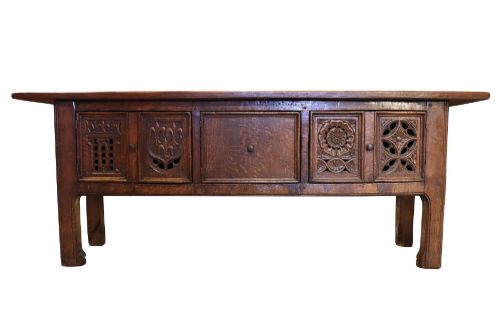
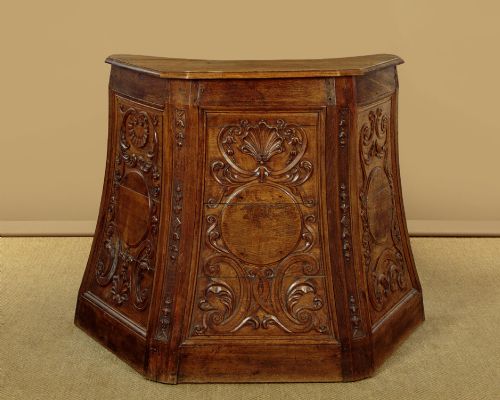
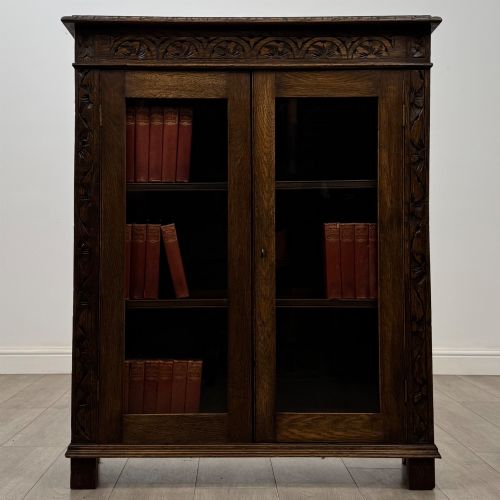
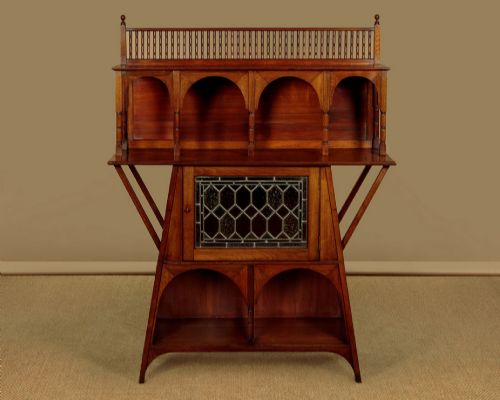
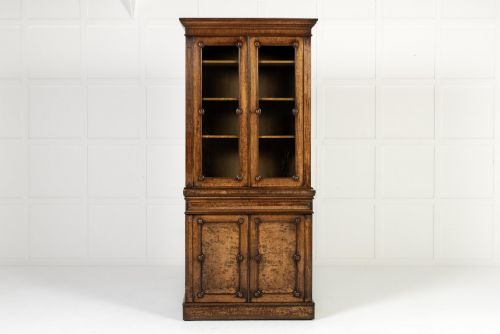
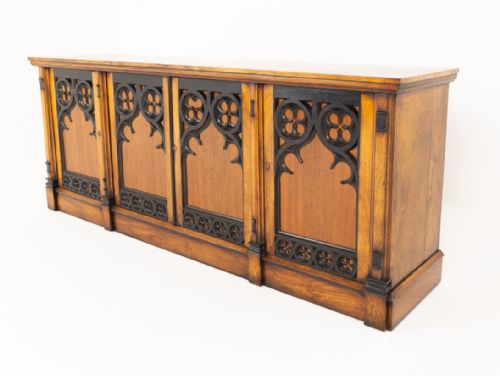
A victorian gothic oak cabinet encompasses heavy storage furniture built during the nineteenth century, ranging from large bookcases and sideboards to slim hall cupboards and table-top collectors pieces. These works borrow heavily from medieval ecclesiastical architecture, displaying pointed arches, tracery and robust proportions intended to make a dramatic visual statement.
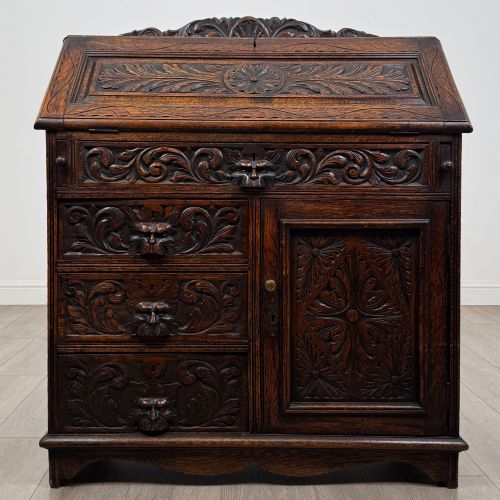
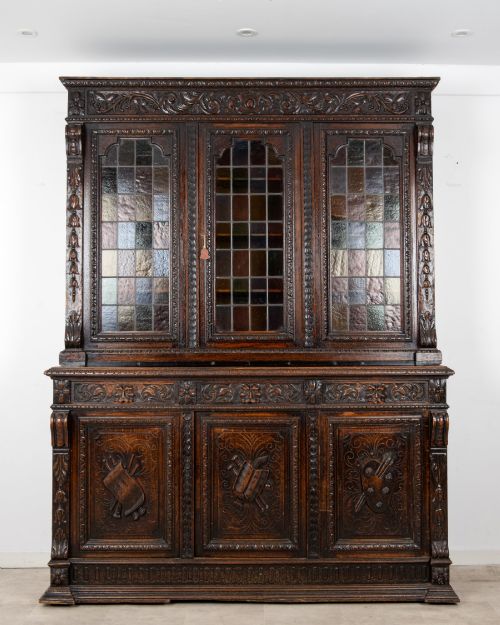
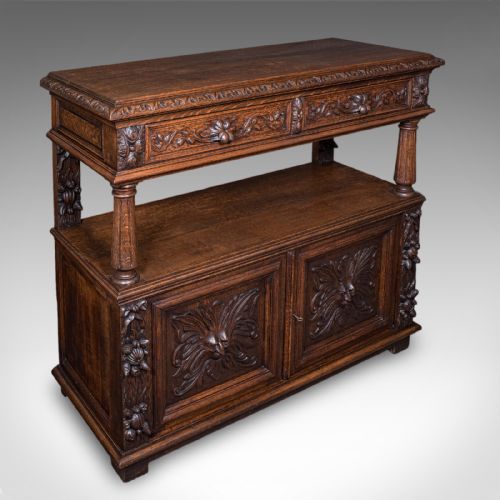
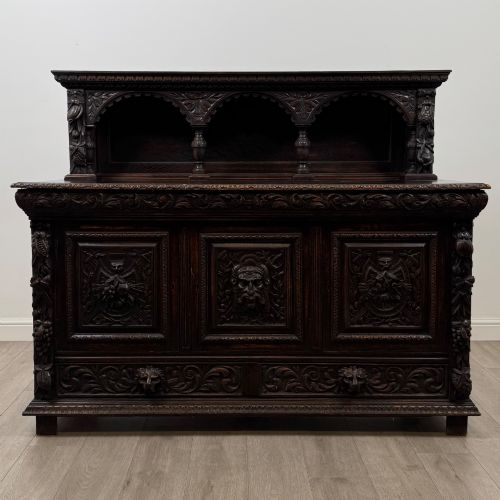
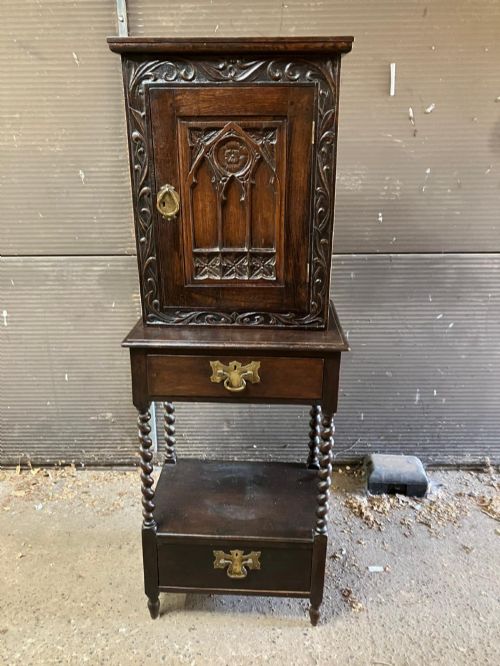
The version most commonly encountered on this page is the bookcase or side cabinet rendered in solid or pollard timber, frequently decorated with deep relief carvings such as the Green Man. They reflect a period of intense revivalism spanning from the mid-Victorian decades through to the end of the nineteenth century, drawing on Gothic Revival and Jacobean motifs.
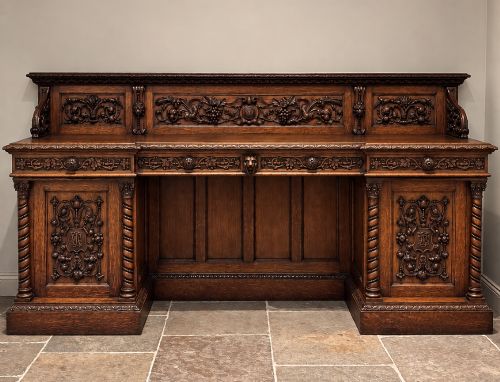
Buyers seek these storage items to anchor a room with dark wood grain and historic character, utilising them as functional bookcases, display units or bedside chests. The scale varies from narrow bedside cupboards to expansive multi-door bookcases and dresser bases.
What varies in quality
The distinction between ordinary and superior pieces rests on the depth and crispness of the carving, where sharply articulated foliage and expressive figural work denote skilled craftsmanship. Heavily carved examples with well-defined proportions and integrated architectural elements stand apart from simpler, plain-panelled utility cupboards.
Choice of timber also dictates the tier of the piece, with select pollard oak veneers, solid construction throughout, and original brass or iron fittings elevating a cabinet above standard production. The integrity of the original glazed panels, stained glass and fitted interior shelving further separates fine examples from heavily altered or later-assembled items.
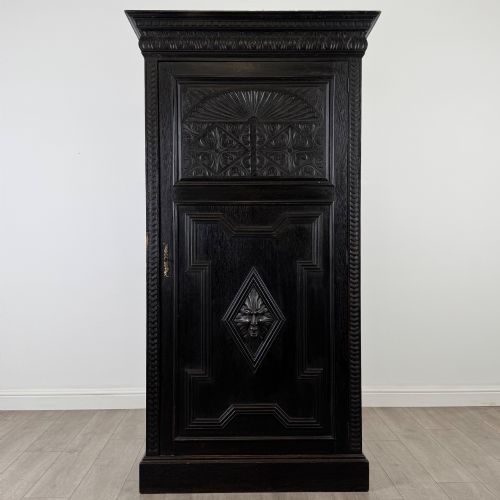
A fierce Green Man peers out from the woodwork, keeping a watchful eye on the contents of the hallway cupboard.
Liberty & Co.·John Moyr Smith
The Victorian Gothic Oak Cabinet Glossary
- Green Man
- A sculptural architectural motif depicting a human face emerging from or entwined with foliage, symbolizing rebirth. It appears frequently as a carved mask on nineteenth-century storage furniture and architectural woodwork.
- Tracery
- Openwork pattern in stone or wood, typically consisting of intersecting ribwork in Gothic windows and panels. Makers of nineteenth-century revival furniture translated this architectural feature into glazed cabinet doors.
- Pollard Oak
- Timber harvested from trees that have been pollarded, producing a highly figured, mottled grain pattern prized for decorative cabinet veneers. It provides distinct visual texture on panels and drawer fronts.
- Dresser Base
- A low sideboard or serving table featuring cupboards and drawers beneath a flat top surface, originating in earlier centuries and reinterpreted during the Victorian era. These pieces served practical dining room storage functions.
Victorian Gothic Oak Cabinet: Frequently Asked Questions
What rooms suit a Victorian Gothic oak cabinet?
These robust storage pieces anchor studies, libraries, and dining rooms where their dark wood and architectural presence complement traditional interiors. They also function effectively in hallways and bedrooms when chosen in narrower proportions.
Because they possess a strong visual weight, they pair well with plain walls and simpler furnishings that allow the carved tracery and deep grain to stand out without visual competition.
How do I care for nineteenth-century oak furniture?
Maintain the timber by applying a traditional beeswax polish sparingly and buffing gently with a soft cloth to preserve the natural lustre of the grain. Avoid placing the cabinet near direct heat sources or strong sunlight, which can cause the solid wood and joints to dry out and split.
Keep indoor humidity levels relatively stable to protect old joinery, glazed panels, and delicate iron or brass hardware from unnecessary stress.
Are these cabinets purely decorative or practical?
While their ecclesiastical carvings and medieval proportions give them a striking sculptural appearance, they were built as functional storage furniture. Adjustable shelving, deep cupboards, and robust drawers provide practical space for books, tableware, and household goods.
Many examples feature specialised compartments, such as secretaire drawers or glazed display areas, designed to accommodate specific domestic storage needs.
How can I distinguish revival styles from original medieval work?
Nineteenth-century revival pieces display machine-sawn timber marks, standardised nineteenth-century hardware fixings, and construction methods characteristic of Victorian cabinet-making workshops rather than medieval joinery. The timber choice and secondary woods like pine or beech also point clearly to the later period. Nail types, screw threads, and backboard construction further confirm the nineteenth-century date of manufacture for pieces carrying Gothic Revival motifs.