

Carved Timber Plant Stand
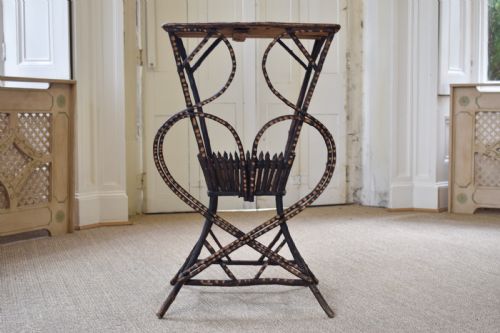
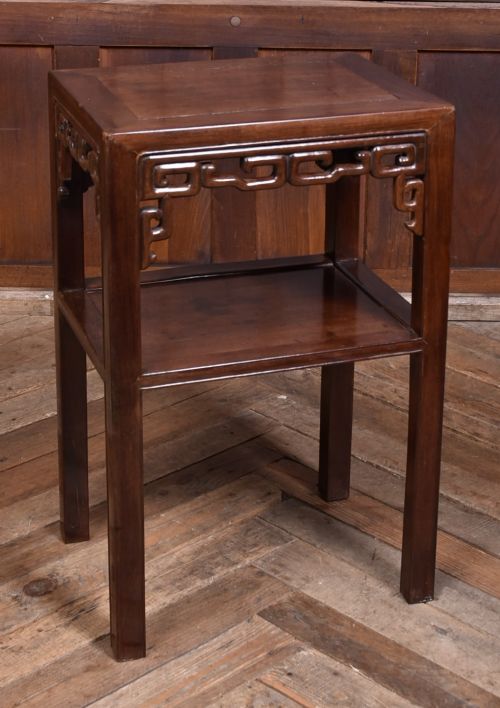
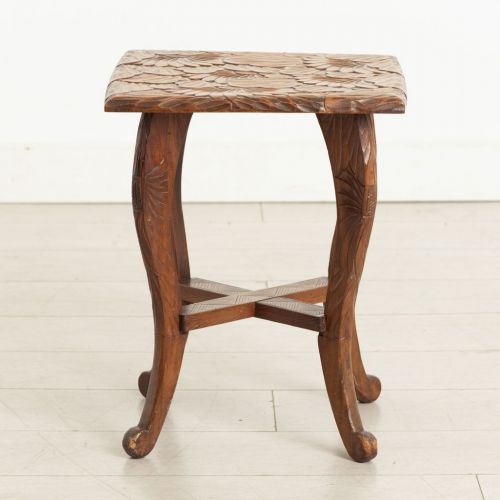
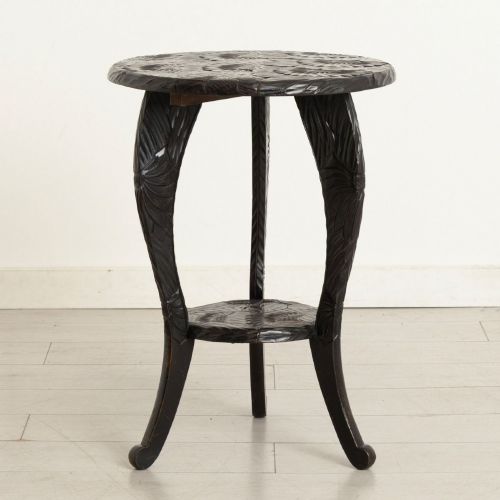
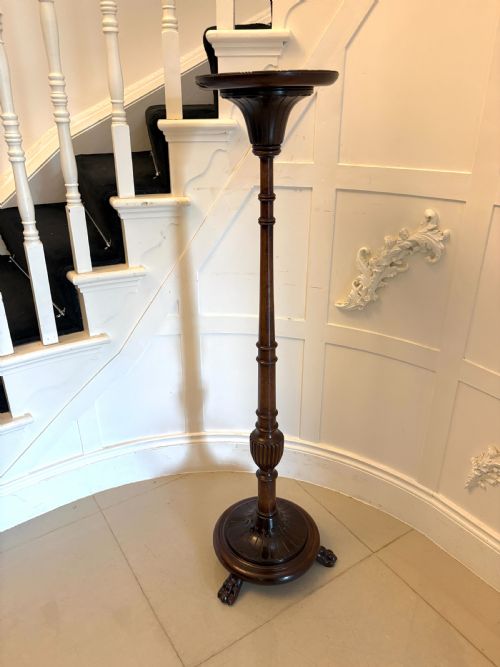
A carved timber plant stand elevates greenery with sculptural presence, drawing the eye through varied heights and intricate floral or figural detail.

Carved Timber Plant Stand
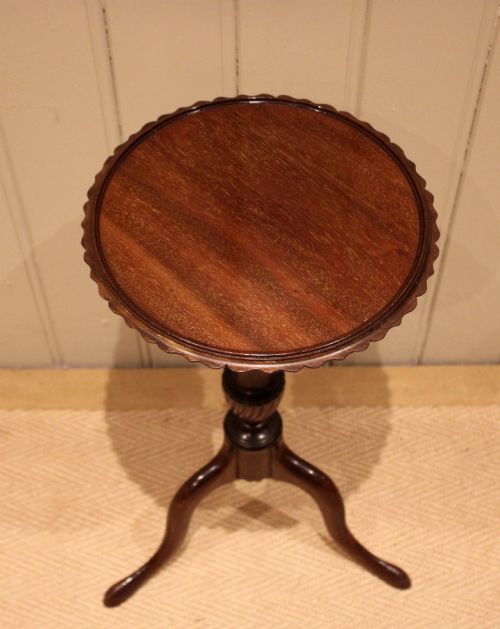
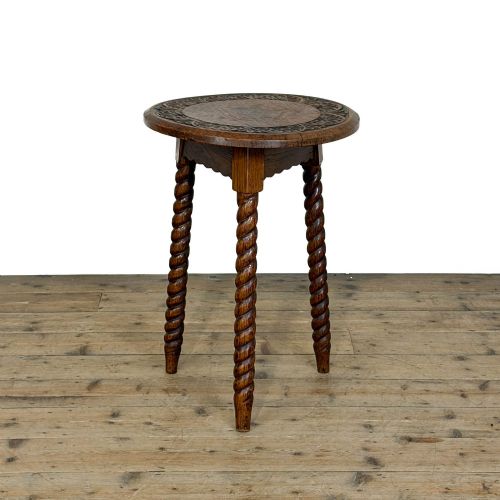
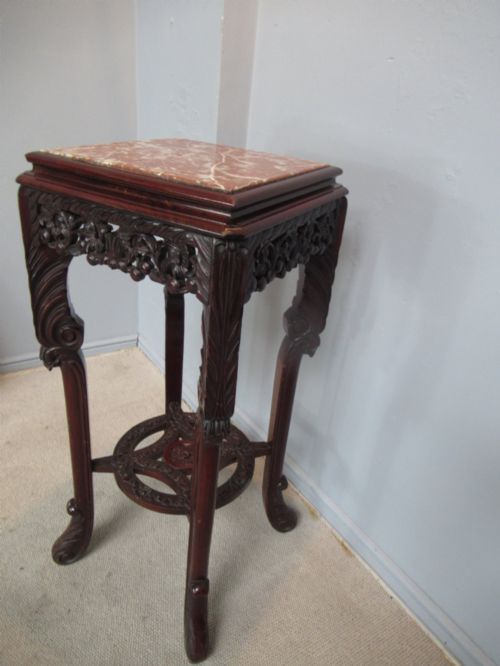
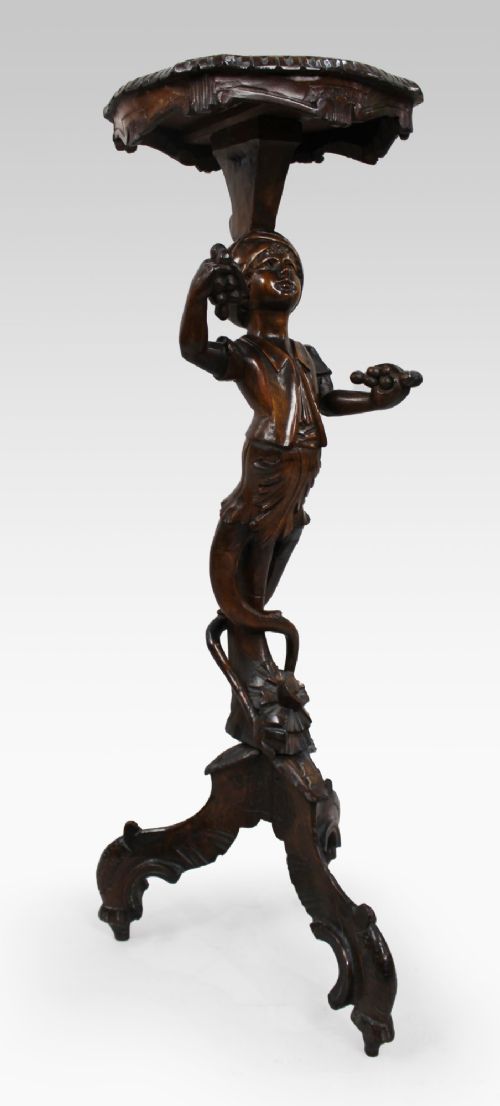
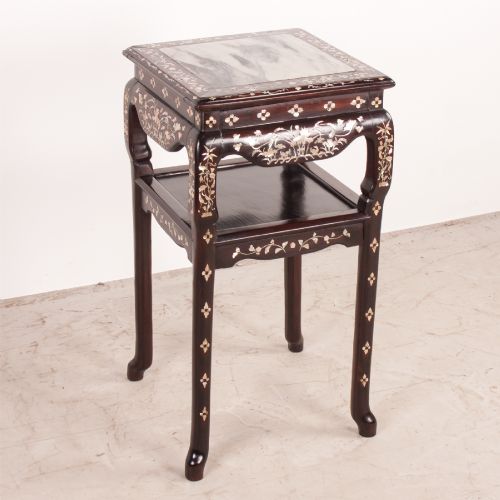
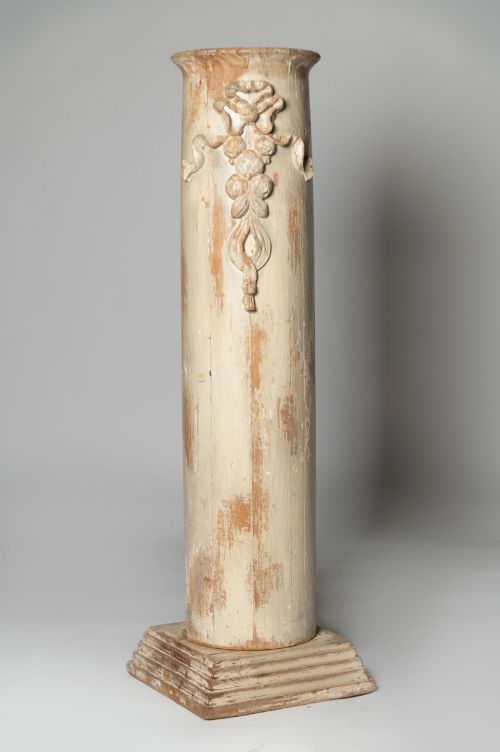
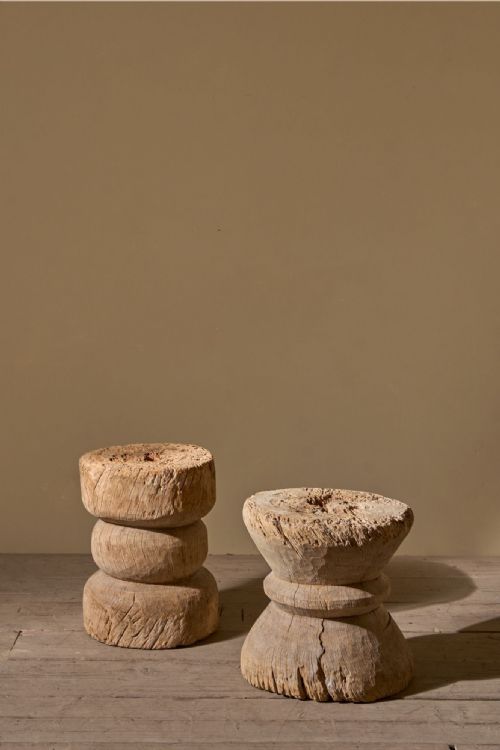
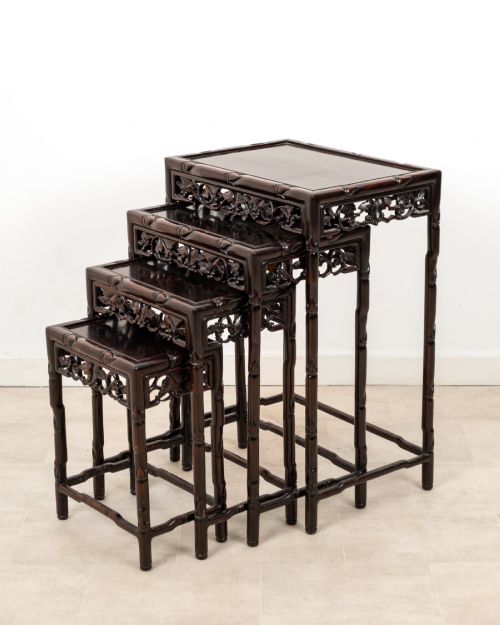
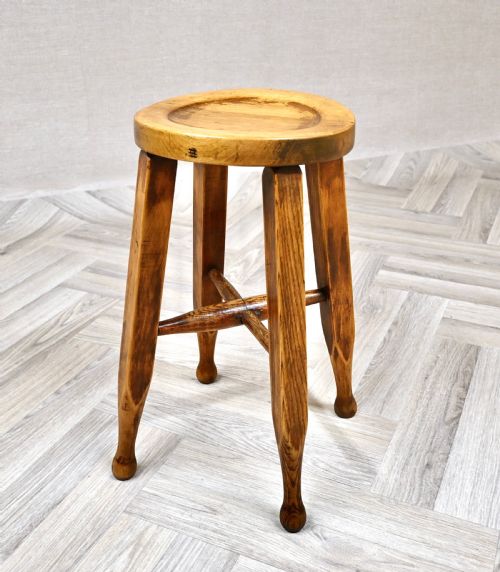
A carved timber plant stand takes many forms across this selection, appearing as pedestals, torchieres, columns, and small occasional tables designed to display vessels and sculpture. These pieces arrive from diverse origins, encompassing Victorian English workshops, Chinese Qing Dynasty studios, and Anglo-Indian production.
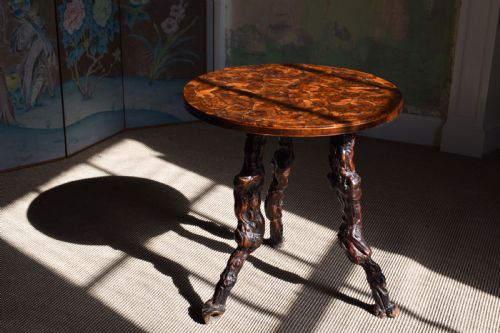
Makers utilised various formats, from towering pillars to low tripod tables, reflecting the broad utility of the carved timber plant stand in nineteenth and early twentieth-century interiors. Buyers encounter numerous examples featuring circular tops, tripartite legs, and columnar shafts.
The material palette spans native British hardwoods alongside imported timbers, occasionally paired with inset marble surfaces or mother of pearl inlay to support heavy ceramic jardinieres.
Design and execution
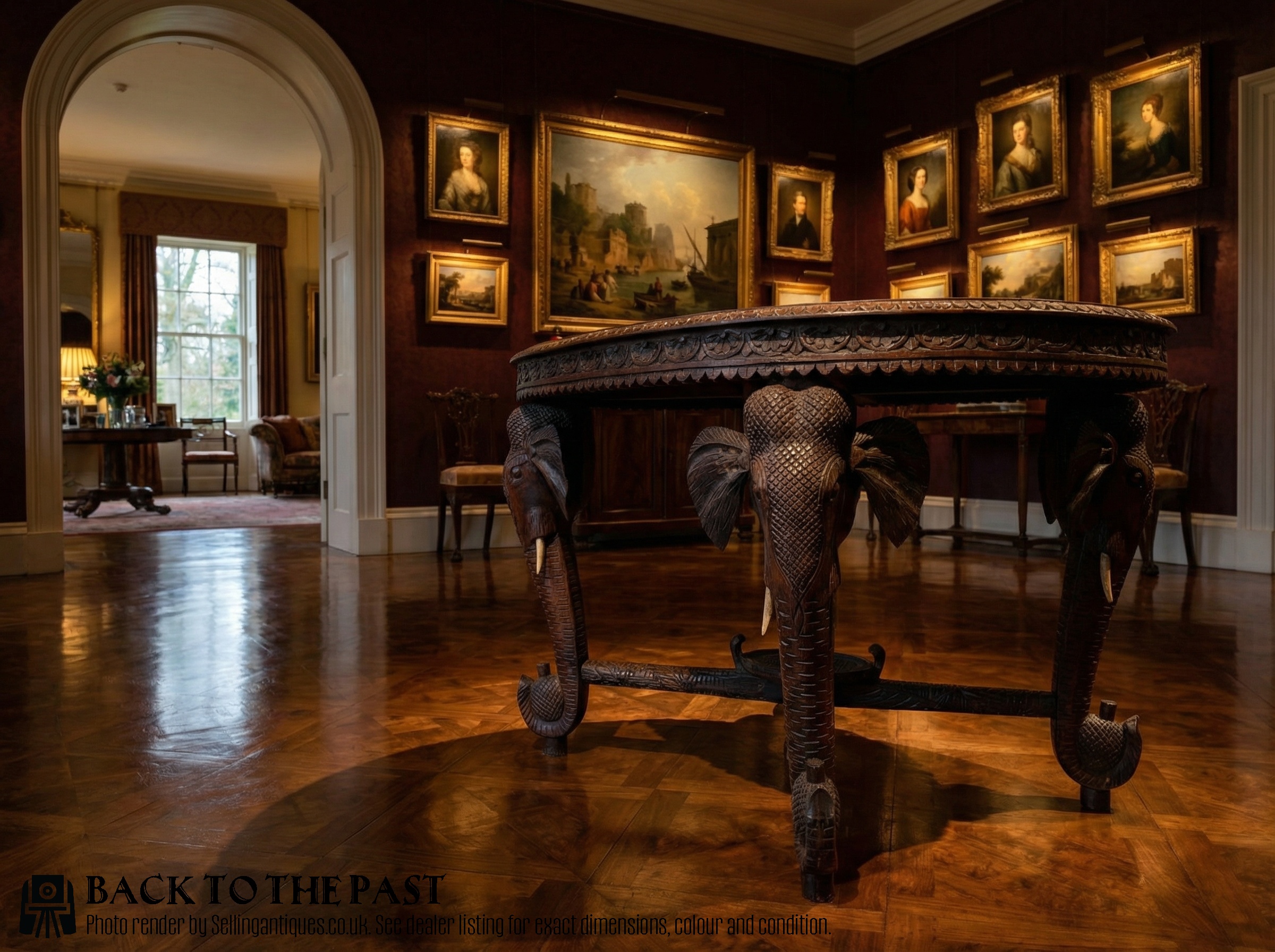
The standard of a carved timber plant stand rests upon the depth, crispness, and anatomical accuracy of the hand carving rather than the mere presence of decoration. Superior examples display undercut foliage, expressive figural work, and harmonious proportions between top and base.
Material selection dictates durability, with dense exotic hardwoods and sound native timbers holding fine detail better over time than softer woods. Integration of secondary elements, such as fitted marble inserts or stable columnar joints, distinguishes ambitious workshop production from simpler vernacular pieces.
Carved Timber Plant Stand Retail Price Guide 2026
Typical asking prices for carved timber plant stand among the pieces listed under this phrase on Sellingantiques today, from the lower quarter to the upper quarter. They describe what is for sale here now, not the wider market.
The inventory includes Chinese export pieces alongside British country house furniture and Anglo-Indian productions.
Liberty of London·Anton Seuffer
The Carved Timber Plant Stand Glossary
- Torchere
- A tall, slender stand designed specifically to elevate a light source or a decorative plant pot. These pieces usually feature a circular top supported by a single carved column.
- Jardiniere
- An ornamental pot or stand for holding plants and flowers. The term often describes the elevated timber platform built to display such vessels.
- Huali
- A fragrant Chinese hardwood prized for its rich grain and density. Makers utilised this material for intricate Qing Dynasty stands.
- Caryatid
- A sculpted human figure acting as an architectural support. These forms frequently appear supporting the upper surface on nineteenth-century pedestals.
- Tripod
- A three-legged base providing stable support on uneven floors. This configuration appears frequently on nineteenth-century occasional tables and plant stands.
Carved Timber Plant Stand: Frequently Asked Questions
Where should I place a plant stand?
These pieces suit corners, window alcoves, or flanking doorways where vertical interest breaks up a flat wall line.
Ensure the surface diameter matches the base of your vessel to maintain stability.
How do I clean carved wood?
Dust the intricate recesses regularly with a soft, dry brush to prevent dirt accumulation in the carved channels.
Avoid liquid polishes that build up in the grain over decades.
Can these stands hold heavy pots?
Hardwood versions with tripod bases or sturdy columns easily support substantial ceramic bowls and heavy greenery.
Check that the joints remain tight before placing valuable ceramic vessels on top.
How do I date an antique stand?
Examine the tool marks, timber choice, and stylistic vocabulary such as Art Nouveau curves or Victorian figural carving.
Construction methods like hand-cut joinery provide clear indicators of nineteenth or early twentieth-century origin.